
This French Onion Soup recipe delivers a deeply caramelized onion base in a rich broth, topped with a toasted, cheesy bread crust. It’s a rustic yet elegant comfort dish perfect for chilly evenings. Mastering this classic French Onion Soup is a rewarding process with spectacular results.
Looking for French Onion Soup inspiration? You'll love what we have! Explore more Soup Recipes recipes or discover our Chicken Recipes favorites.



Why You’ll Love This French Onion Soup
- Masterclass in flavor: Slow caramelization builds incredible sweetness and depth.
- Heavenly cheesy topping: Gooey Gruyère and crisp bread create perfect texture.
- Economical & forgiving: Turns simple, inexpensive ingredients into a spectacular meal.
- Fancy without fuss: Impresses guests and elevates any dinner instantly.
Ingredients & Tools
- 3 lbs yellow onions, thinly sliced
- 3 tbsp unsalted butter
- 2 tbsp olive oil
- 1 tsp granulated sugar
- 2 cloves garlic, minced
- 1/2 cup dry white wine (like Sauvignon Blanc)
- 8 cups beef stock (good quality!)
- 2 sprigs fresh thyme
- 1 bay leaf
- to taste salt and freshly ground black pepper
- 1 baguette, sliced into 1-inch thick pieces
- 8 oz Gruyère cheese, freshly grated
Tools: A large, heavy-bottomed pot or Dutch oven, oven-safe soup bowls, a baking sheet.
Notes: Don’t rush the onions—that’s where 90% of the flavor comes from. Use good beef stock and a real block of Gruyère (not pre-shredded) for best results.
Nutrition (per serving)
| Calories: | 480 kcal |
| Protein: | 22 g |
| Fat: | 25 g |
| Carbs: | 42 g |
| Fiber: | 5 g |
Serves: 6 | Prep Time: 20 minutes | Cook Time: 1 hour 15 minutes | Total Time: 1 hour 35 minutes
Before You Start: Tips & Ingredient Notes
- Onion variety matters. Yellow onions are the gold standard here. They have the perfect balance of sharpness and sugar that transforms beautifully during the long, slow cook. Steer clear of sweet onions like Vidalias, as they can become too cloying.
- Why a heavy pot? A Dutch oven or other heavy-bottomed pot distributes heat evenly, preventing the onions from scorching on the bottom during the lengthy caramelization process. A thin pot will almost certainly give you burnt spots.
- Don’t skip the wine. The dry white wine isn’t just for show—it deglazes the pot, lifting all those delicious browned bits (the fond) from the bottom, and adds a crucial layer of acidity that balances the soup’s richness.
- Gruyère is non-negotiable. Its nutty, slightly salty flavor and superb melting qualities are what make French Onion Soup iconic. Swiss cheese can work in a pinch, but it just won’t have the same depth of flavor.
How to Make French Onion Soup
Step 1: Begin by prepping your onions. Peel them, slice them in half through the root, and then thinly slice them into half-moons. Yes, you will cry—it’s a rite of passage. But I promise, the result is worth every tear. You’ll end up with what looks like a mountain of onions, but don’t worry, they will cook down dramatically.
Step 2: In your large, heavy-bottomed pot, melt the butter with the olive oil over medium-low heat. Adding the oil helps prevent the butter from burning. Add all the sliced onions and stir to coat them in the fat. It will seem like a lot, but just pile them in. Sprinkle the sugar and a good pinch of salt over the top—the salt helps draw out moisture and the sugar gives caramelization a little head start.
Step 3: This is the most important part: caramelize the onions. Cook them over medium-low heat, stirring every 5-7 minutes. You’re not frying them; you’re gently sweating them. Be patient. After about 15 minutes, they’ll be soft and translucent. After 30-40 minutes, they’ll start to turn a pale golden color and reduce significantly. Keep going! After about 50-60 minutes total, they should be a deep, rich, mahogany brown and have a jam-like consistency. This cannot be rushed.
Step 4: Add the minced garlic and cook for one more minute, just until fragrant. Then, pour in the white wine to deglaze the pot. Use your spoon to scrape up all the delicious browned bits stuck to the bottom. Let the wine simmer and reduce by about half, which will take 3-4 minutes.
Step 5: Now, add the beef stock, the thyme sprigs, and the bay leaf. Bring the soup up to a simmer, then reduce the heat to low, partially cover the pot, and let it simmer gently for at least 30 minutes. This allows the flavors to meld together beautifully. Season generously with salt and black pepper to taste. Remove the thyme sprigs and bay leaf before serving.
Step 6: While the soup simmers, preheat your oven’s broiler. Arrange the baguette slices on a baking sheet and toast them under the broiler for a minute or two per side, until they are golden and crisp. Keep a very close eye on them—they can burn in a flash!
Step 7: Ladle the hot soup into oven-safe bowls placed on a sturdy baking sheet. Top each bowl with one or two toasted baguette slices, and then pile a generous handful of the grated Gruyère cheese over the bread, making sure it goes all the way to the edges of the bowl.
Step 8: Carefully place the baking sheet with the bowls under the broiler. Broil for 2-4 minutes, watching constantly, until the cheese is completely melted, bubbly, and beautifully spotted with dark brown. Remove from the oven with oven mitts—the bowls will be extremely hot! Let them rest for a minute or two before serving.
Storage & Freshness Guide
- Fridge: Cool soup completely, store without bread/cheese topping in airtight container up to 4 days.
- Freezer: Freeze base soup (no bread/cheese) up to 3 months. Thaw in fridge before reheating.
- Reviving: Reheat soup gently on stove. Assemble with fresh toasted bread and cheese before broiling.
Serving Suggestions
Complementary Dishes
- A simple green salad with a sharp vinaigrette — The crisp, acidic greens cut through the richness of the soup perfectly, cleansing the palate between those wonderfully cheesy bites.
- Herb-roasted chicken — For a more substantial meal, a simply seasoned roast chicken provides a lovely, savory main that doesn’t compete with the soup’s deep flavors.
- A charcuterie and cornichon plate — The salty, tangy bites of cured meats and pickles offer a fantastic textural and flavor contrast that feels very French bistro.
Drinks
- A glass of the same dry white wine you cooked with — It’s a perfect pairing, as the wine’s crisp acidity mirrors what’s in the soup and balances the fat from the cheese.
- A light-bodied red like a Pinot Noir or Beaujolais — These reds have enough structure to stand up to the beef broth but won’t overpower the delicate sweetness of the onions.
- A dry hard cider — The apple notes are a surprisingly delightful companion to the caramelized onions, and the bubbles are always refreshing.
Something Sweet
- Dark chocolate mousse — Its intense, bittersweet flavor and airy texture provide a luxurious yet light finish that doesn’t feel too heavy after a rich soup.
- Poached pears with a dollop of crème fraîche — The gentle, floral sweetness of the pears continues the elegant, simple theme of the meal beautifully.
- A small plate of buttery shortbread cookies — Sometimes, the simplest ending is the best. A few crisp, sweet cookies with a cup of coffee are just right.
Top Mistakes to Avoid
- Mistake: Rushing the caramelization. This is the cardinal sin of onion soup. If your onions aren’t a deep, dark brown, your soup will lack the foundational depth of flavor and sweetness. Low and slow is the only way.
- Mistake: Using a weak broth. The broth is the other half of the flavor equation. A watery, bland stock will result in a watery, bland soup, no matter how good your onions are. Invest in a good quality beef stock.
- Mistake: Using pre-shredded cheese. Pre-shredded cheese is coated with anti-caking agents like potato starch, which prevent it from melting into that smooth, glorious blanket we all crave. Always grate your own.
- Mistake: Not using oven-safe bowls. If you try to broil the cheese topping in a regular bowl, it could crack or shatter from the thermal shock. Always check that your bowls are broiler-safe.
Expert Tips
- Tip: Caramelize a big batch for the freezer. Caramelizing onions is a time commitment, so why not double or triple the onion quantity? Once they’re perfectly browned and cooled, you can freeze them in portions. Future-you will be able to whip up soup in under 20 minutes.
- Tip: Add a splash of brandy or sherry. For an even deeper flavor, add a tablespoon of brandy or dry sherry along with the white wine. It adds another subtle, complex layer of aroma that is just divine.
- Tip: Let the soup rest overnight. Like many stews and braises, French Onion Soup often tastes even better the next day. The flavors have more time to marry and intensify. Just reheat gently before assembling and broiling.
- Tip: Get creative with the bread. While a baguette is classic, a sturdy sourdough or even a slice of rye bread can add a wonderful, tangy dimension to the cheesy topping.
FAQs
Can I make this soup vegetarian?
Absolutely! The key is to replace the beef stock with a deeply flavorful vegetarian alternative. A rich, dark mushroom broth is your best bet. You could also use a high-quality vegetable stock, but I’d recommend simmering it with some dried porcini mushrooms first to boost that umami, savory depth that you’d otherwise get from the beef stock. The rest of the recipe remains exactly the same.
My onions are burning instead of caramelizing. What did I do wrong?
This usually means your heat is too high. Caramelization is not a sauté; it’s a slow, gentle sweat. If you see any signs of burning, immediately reduce the heat to low and add a tablespoon or two of water to the pot to stop the cooking and scrape up any stuck bits. Then, continue cooking on the lowest possible setting, stirring frequently. Patience is your most important ingredient here.
Can I prepare the soup in advance?
You absolutely can, and it might even taste better! You can complete the soup all the way through the simmering step (through Step 5). Let it cool completely, then store it in the refrigerator for up to 3 days. When you’re ready to serve, gently reheat the soup on the stove, then proceed with toasting the bread and broiling the cheesy topping.
What can I use if I don’t have oven-safe bowls?
No worries, you can still get a cheesy top! Instead of broiling, simply toast your bread slices with the grated Gruyère on top in the oven or a toaster oven until the cheese is melted and bubbly. Then, carefully float the cheesy crouton on top of the hot soup right in your regular bowl. It’s not *quite* the same, but it’s a very good plan B.
Why is my cheese topping sliding off into the soup?
This typically happens if the bread isn’t sturdy enough or isn’t toasted enough. Make sure your baguette slices are nice and thick, and toast them until they are completely crisp all the way through. A soggy piece of bread will disintegrate under the cheese and broth. A well-toasted crouton acts as a stable raft for all that glorious cheese.

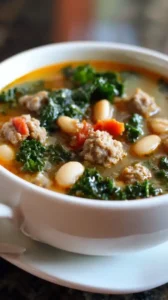


French Onion Soup
Learn how to make the best French Onion Soup with caramelized onions and a cheesy bread crust. This easy, classic recipe is perfect for a cozy dinner. Get the recipe now!
Ingredients
For the soup:
-
3 lbs yellow onions (thinly sliced)
-
3 tbsp unsalted butter
-
2 tbsp olive oil
-
1 tsp granulated sugar
-
2 cloves garlic (minced)
-
1/2 cup dry white wine (like Sauvignon Blanc)
-
8 cups beef stock (good quality!)
-
2 sprigs fresh thyme
-
1 bay leaf
-
salt and freshly ground black pepper (to taste)
For the topping:
-
1 baguette (sliced into 1-inch thick pieces)
-
8 oz Gruyère cheese (freshly grated)
Instructions
-
Begin by prepping your onions. Peel them, slice them in half through the root, and then thinly slice them into half-moons. Yes, you will cry—it’s a rite of passage. But I promise, the result is worth every tear. You’ll end up with what looks like a mountain of onions, but don’t worry, they will cook down dramatically.01
-
In your large, heavy-bottomed pot, melt the butter with the olive oil over medium-low heat. Adding the oil helps prevent the butter from burning. Add all the sliced onions and stir to coat them in the fat. It will seem like a lot, but just pile them in. Sprinkle the sugar and a good pinch of salt over the top—the salt helps draw out moisture and the sugar gives caramelization a little head start.02
-
This is the most important part: caramelize the onions. Cook them over medium-low heat, stirring every 5-7 minutes. You’re not frying them; you’re gently sweating them. Be patient. After about 15 minutes, they’ll be soft and translucent. After 30-40 minutes, they’ll start to turn a pale golden color and reduce significantly. Keep going! After about 50-60 minutes total, they should be a deep, rich, mahogany brown and have a jam-like consistency. This cannot be rushed.03
-
Add the minced garlic and cook for one more minute, just until fragrant. Then, pour in the white wine to deglaze the pot. Use your spoon to scrape up all the delicious browned bits stuck to the bottom. Let the wine simmer and reduce by about half, which will take 3-4 minutes.04
-
Now, add the beef stock, the thyme sprigs, and the bay leaf. Bring the soup up to a simmer, then reduce the heat to low, partially cover the pot, and let it simmer gently for at least 30 minutes. This allows the flavors to meld together beautifully. Season generously with salt and black pepper to taste. Remove the thyme sprigs and bay leaf before serving.05
-
While the soup simmers, preheat your oven's broiler. Arrange the baguette slices on a baking sheet and toast them under the broiler for a minute or two per side, until they are golden and crisp. Keep a very close eye on them—they can burn in a flash!06
-
Ladle the hot soup into oven-safe bowls placed on a sturdy baking sheet. Top each bowl with one or two toasted baguette slices, and then pile a generous handful of the grated Gruyère cheese over the bread, making sure it goes all the way to the edges of the bowl.07
-
Carefully place the baking sheet with the bowls under the broiler. Broil for 2-4 minutes, watching constantly, until the cheese is completely melted, bubbly, and beautifully spotted with dark brown. Remove from the oven with oven mitts—the bowls will be extremely hot! Let them rest for a minute or two before serving.08
Not what you're looking for?