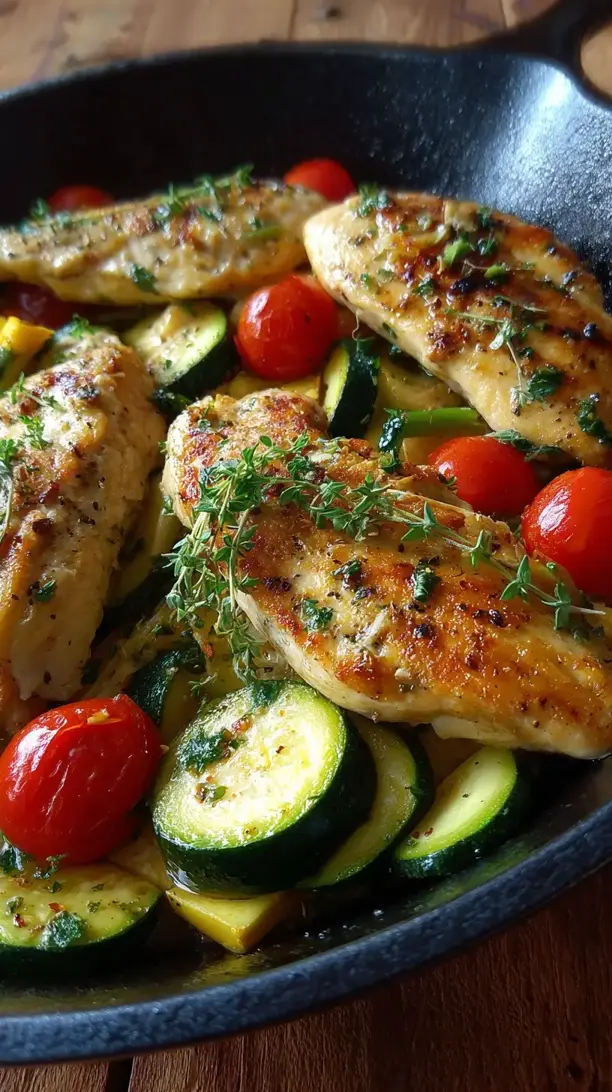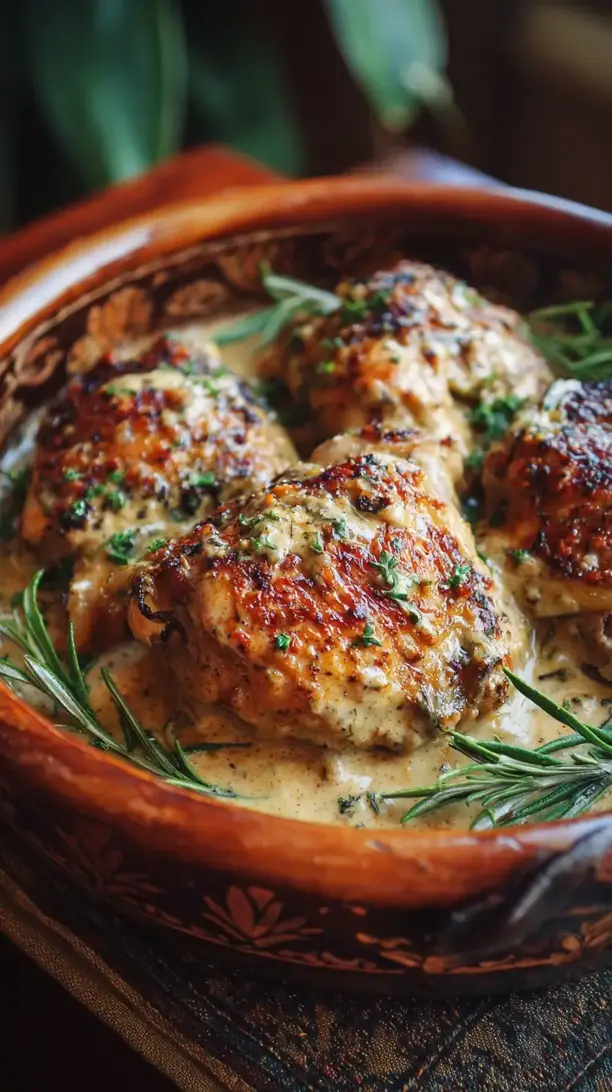
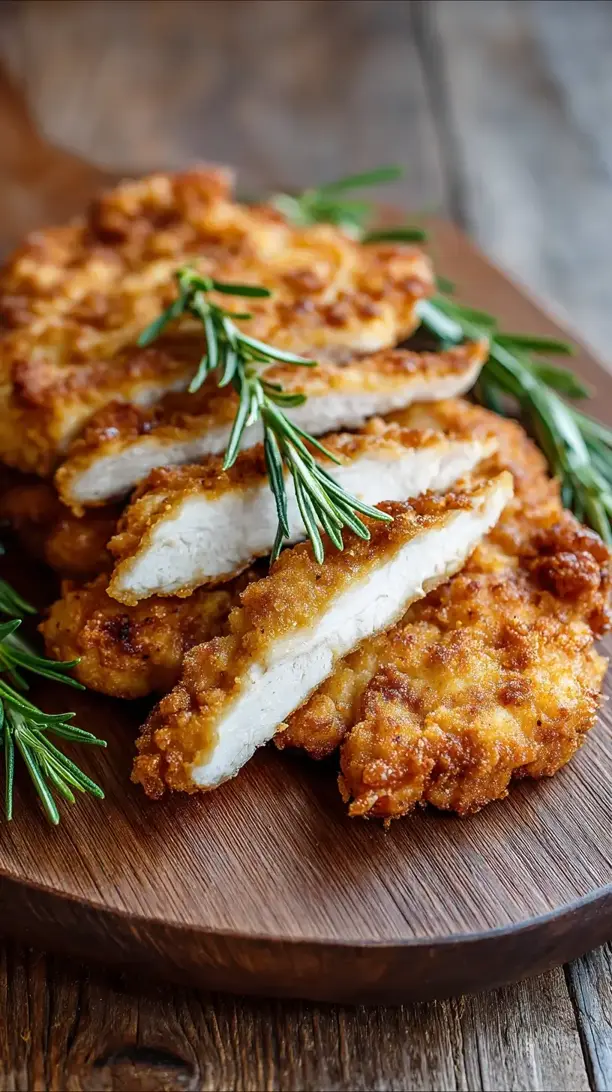
There’s something deeply satisfying about biting into a perfectly fried chicken breast—crispy, golden, and impossibly juicy inside. This foolproof fried chicken breast recipe uses a buttermilk brine and double-dredge for maximum crunch and flavor. Once you master this technique, you’ll find yourself making excuses to fry chicken on a Tuesday.
Craving a delicious Fried Chicken Breast? You've come to the right spot! From Chicken Breast Recipes favorites to amazing Christmas Cookie recipes, there's something here for everyone.



Why You’ll Love This Fried Chicken Breast
- Incredibly juicy: A buttermilk brine ensures moist, flavorful meat.
- Shatteringly crisp crust: Double-dredging creates a craggy, crunchy coating.
- Surprisingly simple: Active cooking time is short with no fancy equipment.
- Endlessly versatile: Perfect for sandwiches, salads, or classic sides.
Ingredients & Tools
- 2 large boneless, skinless chicken breasts (about 1.5 lbs total)
- 2 cups buttermilk
- 2 tsp hot sauce (like Frank’s RedHot)
- 1.5 cups all-purpose flour
- 1/2 cup cornstarch
- 2 tsp garlic powder
- 2 tsp onion powder
- 1.5 tsp smoked paprika
- 1 tsp cayenne pepper (adjust to taste)
- 2 tsp salt, plus more for seasoning
- 1 tsp freshly ground black pepper
- 1 quart neutral oil for frying (like peanut, canola, or vegetable)
Tools: A large, heavy-bottomed pot or Dutch oven, a deep-fry/candy thermometer, tongs, a wire rack set over a baking sheet.
Notes: Don’t skip the cornstarch—it adds extra-light crispiness. The buttermilk brine is non-negotiable for tenderness.
Nutrition (per serving)
| Calories: | 520 kcal |
| Protein: | 35 g |
| Fat: | 22 g |
| Carbs: | 42 g |
| Fiber: | 2 g |
Serves: 4 | Prep Time: 15 minutes (plus 4-24 hours brining) | Cook Time: 15 minutes | Total Time: 30 minutes (plus brining)
Before You Start: Tips & Ingredient Notes
- Pound your chicken to an even thickness. This is the single most important step for even cooking. A 1-inch thick piece will cook through perfectly by the time the crust is golden, preventing a burnt outside and raw inside.
- Don’t rush the brine. Four hours is the sweet spot, but overnight is even better. The buttermilk’s acidity gently tenderizes the meat while the salt seasons it from the inside out.
- Use a neutral, high-smoke-point oil. Peanut oil is my favorite for its clean taste and high smoke point, but canola or vegetable oil work beautifully too. Avoid olive oil—it will burn and impart a bitter flavor.
- Get your dredging station ready. Have one hand for wet ingredients and one for dry to avoid a clumpy, frustrating “club hand” situation. It’s a simple trick that makes the process so much smoother.
How to Make Fried Chicken Breast
Step 1: Prep and Brine the Chicken. Place each chicken breast between two sheets of plastic wrap and gently pound them to an even 1-inch thickness using a rolling pin or meat mallet. This ensures they cook uniformly. In a medium bowl, whisk together the buttermilk, hot sauce, and 1 teaspoon of salt. Submerge the chicken breasts in the mixture, cover, and refrigerate for at least 4 hours, or ideally, overnight.
Step 2: Create the Dredging Station. About 30 minutes before you’re ready to fry, take the chicken out of the fridge to take the chill off. In a large, shallow dish, whisk together the flour, cornstarch, garlic powder, onion powder, smoked paprika, cayenne, the remaining 2 teaspoons of salt, and black pepper. The mixture should look uniform and smell incredible. Set up your station: bowl of brined chicken, dredging mixture, and a clean plate.
Step 3: The Double-Dredge for Maximum Crunch. This is the magic step! Remove one chicken breast from the buttermilk, letting the excess drip off. Dredge it thoroughly in the flour mixture, pressing firmly to ensure every nook and cranny is coated. Now, dip it back into the buttermilk for just a second, then give it a final dredge in the flour. This double layer is what creates that iconic, craggy, extra-crispy crust. Place the coated breast on the clean plate and repeat with the second breast.
Step 4: Heat the Oil to the Perfect Temperature. Pour your oil into the heavy-bottomed pot until it’s about 2 inches deep. Attach your candy thermometer and heat over medium-high heat until the oil reaches 350°F (175°C). This is crucial—if the oil is too cool, the chicken will absorb oil and be greasy; if it’s too hot, the outside will burn before the inside cooks. Be patient and monitor the temperature closely.
Step 5: Fry to Golden-Brown Perfection. Once the oil is at temperature, carefully lower one chicken breast into the hot oil using tongs. It should bubble vigorously but not violently. Fry for 5-7 minutes per side, until the crust is a deep, golden brown and the internal temperature reaches 165°F (74°C). You’ll notice the sound of the frying will quiet down a bit when it’s nearly done. Avoid crowding the pot; fry one piece at a time for the best results.
Step 6: Drain and Rest. As soon as each piece is done, transfer it to the wire rack set over the baking sheet. Do not place it on paper towels, as this can trap steam and make the bottom crust soggy. Let the chicken rest for at least 5 minutes before slicing or serving. This allows the juices to redistribute throughout the meat, guaranteeing that every single bite is succulent.
Storage & Freshness Guide
- Fridge: Store in an airtight container for up to 3 days.
- Freezer: Freeze on a baking sheet, then transfer to a freezer bag for up to 3 months.
- Reviving: Reheat in an air fryer or oven at 375°F to restore crispiness.
Serving Suggestions
Complementary Dishes
- Creamy Coleslaw — The cool, crisp, and slightly tangy slaw provides a refreshing contrast to the rich, hot, and crunchy chicken, cutting through the fat beautifully.
- Buttery Mashed Potatoes — You can’t go wrong with this classic pairing. The fluffy, creamy potatoes are the perfect vehicle for sopping up any delicious juices and make the whole meal feel incredibly comforting.
- Southern-Style Biscuits — Flaky, warm, and buttery biscuits are ideal for making mini chicken sandwiches or just sopping up every last bit of flavor from your plate.
Drinks
- Iced Sweet Tea — The quintessential Southern pairing. Its sweet, brisk flavor is the ultimate thirst-quencher that balances the savory, spiced crust of the chicken.
- A Crisp Lager — The light carbonation and clean finish of a cold lager cleanse the palate between bites, making each mouthful of chicken taste as amazing as the first.
- Sparkling Lemonade — For a non-alcoholic option, the bright acidity and fizz of homemade sparkling lemonade provide a zesty counterpoint that lifts the entire meal.
Something Sweet
- Peach Cobbler — A warm, bubbling cobbler with a scoop of vanilla ice cream continues the Southern comfort theme and ends the meal on a wonderfully sweet and fruity note.
- Classic Banana Pudding — Layers of vanilla wafers, silky pudding, and fresh bananas offer a cool, creamy, and nostalgic dessert that feels just right after fried chicken.
- Mini Doughnuts — If you’re already in a frying mood, a batch of quick, cinnamon-sugar dusted mini doughnuts makes for a fun and thematic dessert finale.
Top Mistakes to Avoid
- Mistake: Frying cold chicken straight from the fridge. This causes the oil temperature to plummet, resulting in greasy, oil-logged chicken instead of a crisp crust. Let it sit out for 20-30 minutes first.
- Mistake: Crowding the pot. Adding too many pieces at once will cause the oil temperature to drop dramatically. Fry in batches to maintain that steady, hot 350°F for the perfect fry.
- Mistake: Not using a thermometer. Guessing the oil temperature is a recipe for disaster. A candy thermometer is your best friend here, ensuring the oil is hot enough to seal the crust without burning it.
- Mistake: Skipping the rest time. I know it’s tempting to dig right in, but slicing into the chicken immediately will cause all those precious juices to run out, leaving you with drier meat. A short rest is non-negotiable.
Expert Tips
- Tip: Add a spoonful of the buttermilk brine to the flour. As you dredge, little clumps will form in the flour mixture. These clumps are golden nuggets that fry up into extra-craggy, crunchy bits on your crust.
- Tip: Season your flour aggressively. Your seasoning should be in the flour, not just sprinkled on at the end. Taste a tiny pinch of the flour mixture—it should be pleasantly salty and flavorful on its own.
- Tip: For an airier crust, let the dredged chicken rest. After the final dredge, let the chicken sit on the rack for 10-15 minutes before frying. This allows the coating to hydrate fully, which can lead to a lighter, crispier final texture.
- Tip: Keep cooked chicken warm in the oven. If frying in batches, place the finished pieces on a wire rack set over a baking sheet and keep them in a 250°F (120°C) oven. This keeps them warm and crisp while you finish frying the rest.
FAQs
Can I bake this instead of frying?
You can, but you won’t get the same shatteringly crisp crust. For a baked version, place the dredged chicken on a wire rack over a baking sheet, spray generously with cooking oil, and bake at 400°F (200°C) for 20-25 minutes, flipping halfway. The result is still tasty, but it’s more of a “oven-fried” texture—crispy, but not as deeply golden and crunchy as the real deal.
How do I know when the chicken is done without a thermometer?
While I highly recommend a meat thermometer for precision, you can check by making a small cut into the thickest part of the breast. The juices should run completely clear, with no trace of pink. The meat should also feel firm to the touch, not soft or squishy. Honestly, the thermometer is a small investment for perfect results every single time.
Can I use chicken thighs instead?
Absolutely! Boneless, skinless thighs are a fantastic choice. They’re inherently more forgiving and juicy. You may need to adjust the cooking time slightly—usually an extra minute or two per side—as they can be a bit thicker. Just ensure the internal temperature still reaches 165°F (74°C).
What’s the best way to reheat leftover fried chicken?
To restore the crunch, avoid the microwave. Instead, reheat it in an air fryer at 375°F (190°C) for 3-4 minutes, or in a conventional oven at 375°F (190°C) for 10-12 minutes on a wire rack. This will re-crisp the exterior while warming the inside without making it tough.
How long can I store the brining chicken?
You can safely brine the chicken in the buttermilk mixture for up to 24 hours. Any longer and the texture can start to become a little mushy from the prolonged exposure to the acidic buttermilk. The 4-12 hour window is really the sweet spot for optimal tenderness and flavor.


Fried Chicken Breast
Make the perfect Fried Chicken Breast with a crispy crust and juicy interior using our foolproof recipe. Learn the buttermilk brine and double-dredge secrets. Cook it tonight!
Ingredients
For the Chicken and Brine
-
2 large boneless, skinless chicken breasts (about 1.5 lbs total)
-
2 cups buttermilk
-
2 tsp hot sauce (like Frank's RedHot)
For the Dredging Mixture
-
1.5 cups all-purpose flour
-
0.5 cup cornstarch
-
2 tsp garlic powder
-
2 tsp onion powder
-
1.5 tsp smoked paprika
-
1 tsp cayenne pepper (adjust to taste)
-
2 tsp salt (plus more for seasoning)
-
1 tsp freshly ground black pepper
For Frying
-
1 quart neutral oil for frying (like peanut, canola, or vegetable)
Instructions
-
Place each chicken breast between two sheets of plastic wrap and gently pound them to an even 1-inch thickness using a rolling pin or meat mallet. In a medium bowl, whisk together the buttermilk, hot sauce, and 1 teaspoon of salt. Submerge the chicken breasts in the mixture, cover, and refrigerate for at least 4 hours, or ideally, overnight.01
-
About 30 minutes before you're ready to fry, take the chicken out of the fridge to take the chill off. In a large, shallow dish, whisk together the flour, cornstarch, garlic powder, onion powder, smoked paprika, cayenne, the remaining 2 teaspoons of salt, and black pepper. Set up your station: bowl of brined chicken, dredging mixture, and a clean plate.02
-
Remove one chicken breast from the buttermilk, letting the excess drip off. Dredge it thoroughly in the flour mixture, pressing firmly to ensure every nook and cranny is coated. Now, dip it back into the buttermilk for just a second, then give it a final dredge in the flour. Place the coated breast on the clean plate and repeat with the second breast.03
-
Pour your oil into the heavy-bottomed pot until it's about 2 inches deep. Attach your candy thermometer and heat over medium-high heat until the oil reaches 350°F (175°C).04
-
Once the oil is at temperature, carefully lower one chicken breast into the hot oil using tongs. Fry for 5-7 minutes per side, until the crust is a deep, golden brown and the internal temperature reaches 165°F (74°C). Avoid crowding the pot; fry one piece at a time for the best results.05
-
As soon as each piece is done, transfer it to the wire rack set over the baking sheet. Let the chicken rest for at least 5 minutes before slicing or serving.06
Not what you're looking for?