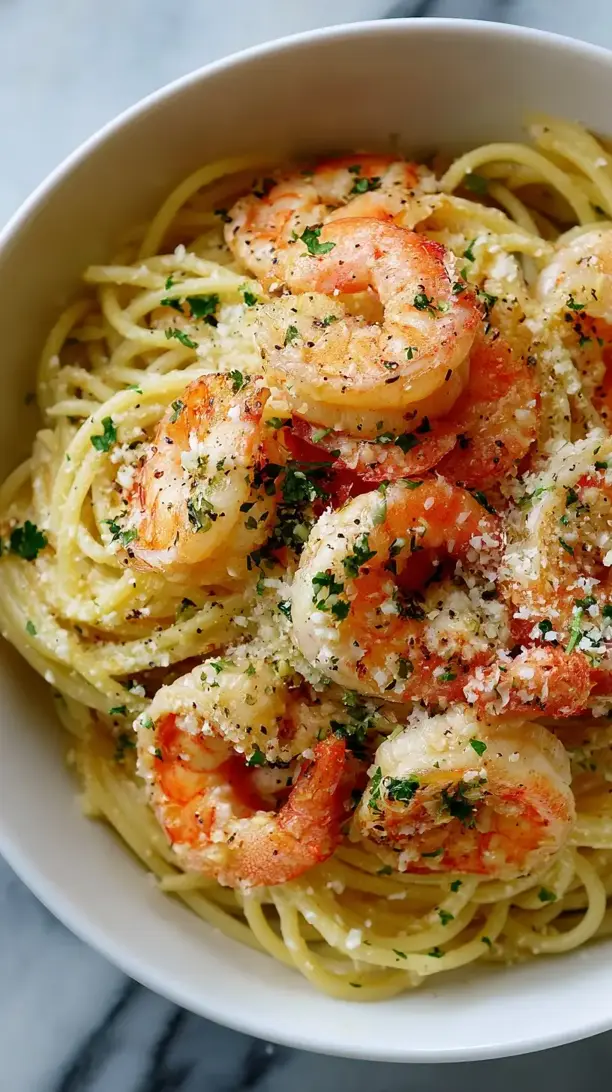
This Garlic Butter Shrimp Pasta comes together faster than takeout and delivers restaurant-quality flavor. Plump shrimp are seared and bathed in a luxurious garlic butter sauce with white wine, lemon, and Parmesan. It’s an elegant, one-pan meal perfect for busy weeknights.
Looking for Garlic Butter Shrimp Pasta inspiration? You'll love what we have! Explore more Dinner Ideas recipes or discover our Chicken Thigh Recipes favorites.


Why You’ll Love This Garlic Butter Shrimp Pasta
- Quick & Simple: Ready in about 20 minutes with minimal steps.
- Restaurant Flavor: Complex, savory taste with garlic, butter, and lemon.
- Versatile Base: Easy to customize with spices or greens.
- Minimal Cleanup: Uses just one skillet and one pot.
Ingredients & Tools
- 450 g large shrimp, peeled and deveined
- 340 g linguine or fettuccine
- 6 cloves garlic, minced
- 115 g unsalted butter, divided
- 60 ml dry white wine (like Sauvignon Blanc)
- 1 lemon, juiced and zested
- 50 g freshly grated Parmesan cheese
- 15 g fresh parsley, chopped
- To taste salt and freshly ground black pepper
- 1/2 tsp red pepper flakes (optional)
Tools: Large skillet or sauté pan, large pot for pasta, tongs, microplane or zester, colander
Notes: Use fresh, raw shrimp (not pre-cooked) and real fresh garlic cloves for best flavor.
Nutrition (per serving)
| Calories: | 580 kcal |
| Protein: | 35 g |
| Fat: | 22 g |
| Carbs: | 55 g |
| Fiber: | 3 g |
Serves: 4 | Prep Time: 10 mins | Cook Time: 15 mins | Total Time: 25 mins
Before You Start: Tips & Ingredient Notes
- Pat your shrimp completely dry. This is the single most important step for getting a beautiful sear instead of a steamy, watery shrimp. Use paper towels and really press down to remove all surface moisture.
- Don’t skimp on the garlic. Six cloves might sound like a lot, but they mellow beautifully as they cook in the butter, creating a sweet, nutty base for the sauce. This is not the time for timidity.
- Have all your ingredients prepped and ready. This dish comes together very quickly once you start cooking. Having your garlic minced, lemon juiced, and parsley chopped before you turn on the heat will make the process smooth and stress-free.
- Use the pasta water! The starchy, salty water that your pasta cooked in is liquid gold for your sauce. It helps the sauce emulsify and cling perfectly to every strand of pasta, giving it a professional, glossy finish.
How to Make Garlic Butter Shrimp Pasta
Step 1: Start by bringing a large pot of generously salted water to a rolling boil. You want the water to taste like the sea—this is your only chance to season the pasta from within. Add your linguine or fettuccine and cook according to the package directions for al dente. Just before draining, be sure to scoop out about a cup of the starchy pasta water. This is crucial for our sauce later, so don’t forget it! Drain the pasta and set it aside for now.
Step 2: While the pasta cooks, prepare your shrimp. Pat them thoroughly dry with paper towels—I can’t stress this enough. Season them generously on both sides with salt and black pepper. Place your large skillet over medium-high heat and add half of the butter. Once it’s melted and foaming, add the shrimp in a single layer. You should hear a satisfying sizzle. Cook for just about 1-2 minutes per side, until they’re pink, opaque, and lightly golden. They cook fast, so don’t walk away! Remove them from the pan and set them aside on a plate.
Step 3: Reduce the heat to medium-low. To the same skillet, add the remaining butter. Once melted, add all of your minced garlic and the optional red pepper flakes. Now, the trick is to cook this gently—you want to fragrance the butter and take the raw edge off the garlic, but you absolutely do not want it to burn and turn bitter. Stir constantly for about 60-90 seconds, until it’s incredibly fragrant. You’ll notice the color is a pale gold.
Step 4: Carefully pour in the white wine. It will bubble and steam vigorously—this is a good thing! Use your wooden spoon or spatula to scrape up all those delicious browned bits from the bottom of the pan where the shrimp were. Let the wine simmer and reduce by about half, which should take 2-3 minutes. This cooks off the alcohol and concentrates the flavor, leaving a lovely acidic backbone for the sauce.
Step 5: Now, turn the heat down to low. Add the lemon juice and about half of the lemon zest to the skillet, stirring to combine. This is where the sauce really starts to come alive with a bright, fresh aroma. Begin adding your grated Parmesan cheese a little at a time, stirring continuously so it melts smoothly into the sauce.
Step 6: It’s assembly time! Add the drained pasta directly into the skillet with your beautiful garlic butter sauce. Now, start adding that reserved pasta water, a few tablespoons at a time, tossing the pasta continuously. You’ll see the sauce transform—it will become creamier, glossier, and cling to every strand of pasta. You may not need the full cup; stop when the sauce looks silky and coats everything evenly.
Step 7: Return the cooked shrimp and any accumulated juices back to the skillet. Gently toss everything together to warm the shrimp through and coat them in the sauce. Finally, turn off the heat and stir in most of your fresh parsley, saving a little for garnish. Give it one final taste and adjust the seasoning with more salt or pepper if it needs it.
Step 8: To serve, divide the pasta and shrimp among warm bowls. Garnish with the remaining parsley, a final sprinkle of Parmesan cheese, and the rest of that lovely lemon zest for a burst of freshness. Serve immediately while it’s hot and the aroma is simply irresistible.
Storage & Freshness Guide
- Fridge: Store in an airtight container for up to 2 days.
- Freezer: Not recommended; pasta can become mushy upon thawing.
- Reviving: Reheat gently with a splash of water or broth to loosen sauce.
Serving Suggestions
Complementary Dishes
- A simple arugula salad — The peppery bite of fresh arugula dressed with just a squeeze of lemon and a drizzle of olive oil provides a crisp, refreshing contrast to the rich, buttery pasta.
- Garlic bread or focaccia — It’s a classic for a reason. A warm, crusty piece of bread is perfect for sopping up every last drop of that incredible garlic butter sauce left in the bowl.
- Roasted asparagus — Toss asparagus spears with olive oil, salt, and pepper and roast until tender-crisp. Their earthy flavor and slight char complement the shrimp beautifully.
Drinks
- A crisp Sauvignon Blanc — The same wine you used in the sauce will pair wonderfully in the glass, its citrusy and herbal notes mirroring the flavors in the dish.
- A light Italian lager — A cold, clean beer like a Peroni cuts through the richness of the butter and cleanses the palate between bites.
- Sparkling water with lemon — For a non-alcoholic option, the bubbles are refreshing and the lemon wedge continues the citrus theme from the plate.
Something Sweet
- Lemon sorbet — A scoop of bright, tart lemon sorbet is the perfect palate-cleansing finish. It feels light and continues the citrus thread in a delightful way.
- Panna Cotta with a berry coulis — The smooth, creamy, and subtly sweet panna cotta provides a lovely, gentle end to the meal without being too heavy.
- Dark chocolate espresso beans — Just a few of these after dinner offer a bitter, rich counterpoint and a little caffeine kick, which is always a welcome treat.
Top Mistakes to Avoid
- Overcooking the shrimp. Shrimp go from perfectly juicy to tough and rubbery in a matter of seconds. They continue to cook a bit after you remove them from the pan, so take them out just as they become opaque. I’ve messed this up before too, and it’s a real shame.
- Burning the garlic. If your heat is too high when you add the garlic to the butter, it can burn in an instant and become unpleasantly bitter, ruining the entire sauce. Keep the heat medium-low and watch it like a hawk.
- Using pre-grated Parmesan. The pre-grated stuff often contains anti-caking agents like cellulose, which prevent it from melting smoothly into a silky sauce. It’s worth the extra minute to grate a block of real Parmigiano-Reggiano yourself.
- Skipping the pasta water. Without the starchy pasta water, your sauce might be too thick or, worse, separate and become greasy. It’s the magic ingredient that brings everything together into a cohesive, restaurant-worthy dish.
Expert Tips
- Tip: Let the shrimp come to room temperature. Taking your shrimp out of the fridge 15-20 minutes before cooking helps them cook more evenly, preventing a cold center while the outside overcooks.
- Tip: Brown the butter for a nuttier flavor. Before adding the garlic, let the second portion of butter cook until it turns a light amber color and smells nutty. This adds a incredible depth of flavor to the entire dish.
- Tip: Add the pasta directly from the pot. If you time it right, add the pasta to the sauce straight from the boiling water using tongs, dragging a little water with it. The pasta will be hotter and absorb the sauce even better.
- Tip: Finish with a drizzle of high-quality olive oil. Right before serving, a final swirl of a good, fruity extra virgin olive oil over the top adds a layer of flavor and a beautiful sheen.
FAQs
Can I use frozen shrimp?
Absolutely! Frozen shrimp are often fresher than “fresh” shrimp at the counter, which may have been previously frozen. The key is to thaw them properly. Place them in a colander in the fridge overnight, or for a quicker method, seal them in a plastic bag and submerge them in cold water for 30-60 minutes. Just be extra diligent about patting them completely dry before cooking.
What can I use instead of white wine?
No problem at all. You can simply replace the wine with an equal amount of chicken or vegetable broth. To mimic the acidity that the wine provides, add an extra tablespoon of lemon juice to the sauce. It will still be delicious—promise.
My sauce looks a bit greasy. What happened?
This usually happens if the sauce gets too hot when you add the butter and cheese, causing them to “break” or separate. The fix is easy! Just take the pan off the heat and vigorously whisk in another splash of that starchy pasta water. The emulsifying power of the starch will bring your sauce back together into a smooth, creamy consistency.
Can I make this ahead of time?
This dish is truly best served immediately. The pasta can continue to absorb the sauce as it sits, making it a bit dry. If you must, you can prep the components—cook the shrimp and make the sauce base—and store them separately. Then, quickly reheat the sauce, cook fresh pasta, and combine everything at the last minute.
How can I make this dish spicier?
I love a bit of heat! The easiest way is to double the red pepper flakes in the sauce. For an even more vibrant kick, you can add a few slices of fresh chili (like a serrano or jalapeño) when you’re sautéing the garlic. They’ll infuse the oil with a lovely, penetrating spice.

Garlic Butter Shrimp Pasta
Make this easy Garlic Butter Shrimp Pasta in just 20 minutes! Featuring plump shrimp in a luxurious garlic butter sauce. Get the foolproof recipe now!
Ingredients
For the Ingredients
-
450 g large shrimp (peeled and deveined)
-
340 g linguine or fettuccine
-
6 cloves garlic (minced)
-
115 g unsalted butter (divided)
-
60 ml dry white wine (like Sauvignon Blanc)
-
1 lemon (juiced and zested)
-
50 g freshly grated Parmesan cheese
-
15 g fresh parsley (chopped)
-
salt and freshly ground black pepper (to taste)
-
1/2 tsp red pepper flakes (optional)
Instructions
-
Start by bringing a large pot of generously salted water to a rolling boil. You want the water to taste like the sea—this is your only chance to season the pasta from within. Add your linguine or fettuccine and cook according to the package directions for al dente. Just before draining, be sure to scoop out about a cup of the starchy pasta water. This is crucial for our sauce later, so don't forget it! Drain the pasta and set it aside for now.01
-
While the pasta cooks, prepare your shrimp. Pat them thoroughly dry with paper towels—I can't stress this enough. Season them generously on both sides with salt and black pepper. Place your large skillet over medium-high heat and add half of the butter. Once it’s melted and foaming, add the shrimp in a single layer. You should hear a satisfying sizzle. Cook for just about 1-2 minutes per side, until they’re pink, opaque, and lightly golden. They cook fast, so don't walk away! Remove them from the pan and set them aside on a plate.02
-
Reduce the heat to medium-low. To the same skillet, add the remaining butter. Once melted, add all of your minced garlic and the optional red pepper flakes. Now, the trick is to cook this gently—you want to fragrance the butter and take the raw edge off the garlic, but you absolutely do not want it to burn and turn bitter. Stir constantly for about 60-90 seconds, until it’s incredibly fragrant. You’ll notice the color is a pale gold.03
-
Carefully pour in the white wine. It will bubble and steam vigorously—this is a good thing! Use your wooden spoon or spatula to scrape up all those delicious browned bits from the bottom of the pan where the shrimp were. Let the wine simmer and reduce by about half, which should take 2-3 minutes. This cooks off the alcohol and concentrates the flavor, leaving a lovely acidic backbone for the sauce.04
-
Now, turn the heat down to low. Add the lemon juice and about half of the lemon zest to the skillet, stirring to combine. This is where the sauce really starts to come alive with a bright, fresh aroma. Begin adding your grated Parmesan cheese a little at a time, stirring continuously so it melts smoothly into the sauce.05
-
It’s assembly time! Add the drained pasta directly into the skillet with your beautiful garlic butter sauce. Now, start adding that reserved pasta water, a few tablespoons at a time, tossing the pasta continuously. You’ll see the sauce transform—it will become creamier, glossier, and cling to every strand of pasta. You may not need the full cup; stop when the sauce looks silky and coats everything evenly.06
-
Return the cooked shrimp and any accumulated juices back to the skillet. Gently toss everything together to warm the shrimp through and coat them in the sauce. Finally, turn off the heat and stir in most of your fresh parsley, saving a little for garnish. Give it one final taste and adjust the seasoning with more salt or pepper if it needs it.07
-
To serve, divide the pasta and shrimp among warm bowls. Garnish with the remaining parsley, a final sprinkle of Parmesan cheese, and the rest of that lovely lemon zest for a burst of freshness. Serve immediately while it’s hot and the aroma is simply irresistible.08
Not what you're looking for?