These Greek Chicken Pita Pockets deliver the vibrant flavors of Greek street food right to your kitchen. Tender herb-marinated chicken, crisp veggies, and tangy tzatziki are wrapped in warm pita for a fresh, satisfying meal. They’re perfect for busy weeknights or casual gatherings.
Nothing beats a great Greek Chicken Pita Pockets. Whether you're a fan of Dinner Ideas or want to try something from our Chicken selection, keep scrolling!

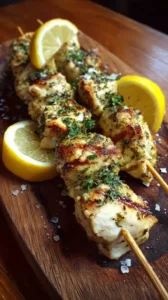
Why You’ll Love This Greek Chicken Pita Pockets
- Flavorful & Fresh: Bright lemon, earthy oregano, and crisp veggies create a perfect harmony.
- Quick & Easy: Minimal hands-on work with simple pan-searing or grilling.
- Highly Customizable: Adapt the toppings to please different tastes or use up veggies.
- Make-Ahead Friendly: Marinate overnight and prep components for fast assembly.
Ingredients & Tools
For the Chicken & Marinade:
- 600 g boneless, skinless chicken thighs or breasts
- 60 ml extra virgin olive oil
- Juice of 2 lemons (about 80 ml)
- 4 cloves garlic, minced
- 2 tsp dried oregano
- 1 tsp smoked paprika
- 1/2 tsp sea salt
- 1/4 tsp black pepper
For the Tzatziki Sauce:
- 250 g Greek yogurt (full-fat for best texture)
- 1/2 medium cucumber, grated and squeezed dry
- 2 cloves garlic, minced
- 1 tbsp fresh dill, chopped
- 1 tbsp lemon juice
- 1/2 tsp salt
For Assembly:
- 4-6 large pita breads or flatbreads
- 2 medium tomatoes, diced
- 1 small red onion, thinly sliced
- 100 g feta cheese, crumbled
- Handful of fresh parsley, chopped
Tools: Large mixing bowl, whisk, measuring spoons, grater, skillet or grill pan, tongs.
Notes: Chicken thighs yield juicier results, but breasts work well. Squeezing liquid from the cucumber prevents watery tzatziki.
Nutrition (per serving)
| Calories: | 485 kcal |
| Protein: | 35 g |
| Fat: | 18 g |
| Carbs: | 42 g |
| Fiber: | 3 g |
Serves: 4 | Prep Time: 20 minutes (plus marinating) | Cook Time: 12 minutes | Total Time: 32 minutes
Before You Start: Tips & Ingredient Notes
- Chicken thighs vs. breasts—which is better? Thighs are more forgiving and stay incredibly moist, making them ideal for grilling or pan-searing. Breasts are leaner but can dry out if overcooked. If using breasts, consider pounding them to an even thickness for consistent cooking.
- Why squeeze the cucumber for tzatziki? Cucumbers hold a surprising amount of water. If you don’t remove it, your beautiful creamy sauce will quickly become thin and watery, making your pita pockets soggy. A quick squeeze in a clean kitchen towel or your hands makes all the difference.
- Can I use dried herbs instead of fresh? Absolutely—the marinade uses dried oregano intentionally because it stands up well to the acid in the lemon juice. For the tzatziki, fresh dill is really worth seeking out for its bright, grassy flavor, but in a pinch, 1 teaspoon of dried dill will work.
- What if my pitas are stiff? A quick warm-up transforms them! You can heat them in a dry skillet for 30 seconds per side, pop them in the toaster for a minute, or wrap them in a damp paper towel and microwave for 20 seconds. Warm pitas are more pliable and way more delicious.
How to Make Greek Chicken Pita Pockets
Step 1: Marinate the Chicken. In a large bowl, whisk together the olive oil, lemon juice, minced garlic, oregano, paprika, salt, and pepper. Add the chicken pieces and toss until every piece is thoroughly coated. Cover the bowl and let it marinate in the refrigerator for at least 30 minutes, though honestly, 2-4 hours is ideal if you have the time. You’ll notice the marinade is quite acidic—that’s what will help tenderize the chicken and give it that signature zing.
Step 2: Prepare the Tzatziki. While the chicken marinates, make your sauce. Grate the cucumber onto a clean kitchen towel, then gather the edges and squeeze firmly over the sink to remove as much liquid as possible. In a medium bowl, combine the Greek yogurt, squeezed cucumber, minced garlic, chopped dill, lemon juice, and salt. Stir everything together until well blended. Taste and adjust seasoning if needed—sometimes I add an extra pinch of salt or a squeeze of lemon. Cover and refrigerate until you’re ready to serve.
Step 3: Cook the Chicken. Heat a skillet or grill pan over medium-high heat. Once hot, add the chicken pieces (shaking off excess marinade) and cook for 5-7 minutes per side, depending on thickness. You’re looking for a beautiful golden-brown crust and an internal temperature of 74°C. The chicken should feel firm to the touch, and the juices should run clear. Transfer the cooked chicken to a cutting board and let it rest for 5 minutes—this keeps all those delicious juices inside.
Step 4: Prepare Your Veggies & Warm Pitas. While the chicken rests, dice your tomatoes, thinly slice the red onion, and crumble the feta. Warm your pitas using your preferred method—I love giving them a quick char in the same pan I used for the chicken. You’ll notice they puff up slightly and become soft and pliable, which makes them much easier to fill without tearing.
Step 5: Slice and Assemble. Slice the rested chicken against the grain into thin strips. To assemble each pita pocket, spread a generous spoonful of tzatziki inside the warm pita. Layer with sliced chicken, followed by tomatoes, red onion, crumbled feta, and a sprinkle of fresh parsley. The trick is not to overstuff—you want to be able to hold it without everything tumbling out. Serve immediately while everything is still warm and vibrant.
Storage & Freshness Guide
- Fridge: Store components separately for up to 3 days; chicken and tzatziki in airtight containers.
- Freezer: Freeze cooked chicken for up to 3 months; thaw in fridge before reheating.
- Reviving: Gently reheat chicken and warm pitas before assembling for best texture.
Serving Suggestions
Complementary Dishes
- Lemon Herb Rice Pilaf — The bright, citrusy notes in the rice echo the flavors in the chicken marinade, making them perfect companions on the plate.
- Simple Greek Salad — A classic combination of cucumbers, tomatoes, olives, and red onion with a lemon-oregano vinaigrette extends the Mediterranean theme beautifully.
- Oven-Roasted Lemon Potatoes — Crispy on the outside, fluffy inside, and infused with garlic and oregano—they’re practically made for this meal.
Drinks
- Ice-Cold Lemonade with Mint — The ultimate refresher that cuts through the richness of the chicken and feta with its bright, herbal sweetness.
- Assyrtiko White Wine — This crisp, dry Greek white wine has citrus and mineral notes that complement the herbal marinade without overpowering the dish.
- Sparkling Water with Cucumber Slices — A simple, elegant non-alcoholic option that cleanses the palate between bites and highlights the fresh ingredients.
Something Sweet
- Baklava — Layers of flaky phyllo, nuts, and honey provide a wonderfully sticky, sweet contrast to the savory, herby pockets.
- Greek Yogurt with Honey and Walnuts — A light, protein-packed dessert that feels like a natural extension of the meal, using flavors already on the table.
- Lemon Sorbet — Incredibly refreshing and palate-cleansing, this dessert brings everything full circle with its bright, citrusy finish.
Top Mistakes to Avoid
- Mistake: Skipping the chicken resting time. I know it’s tempting to slice right in, but those 5 minutes allow the juices to redistribute throughout the meat. If you cut too soon, all that flavorful liquid will end up on your cutting board instead of in your pita.
- Mistake: Over-marinating with strong acid. While the lemon juice is fantastic for flavor, marinating chicken in it for more than 8 hours can start to break down the proteins too much, giving the meat a slightly mushy texture. Stick to the 2-4 hour sweet spot.
- Mistake: Using cold pitas straight from the package. Cold pitas are often stiff and prone to tearing when you try to fill them. A quick warm-up makes them soft, pliable, and infinitely more enjoyable to eat.
- Mistake: Overstuffing the pita pockets. It’s easy to get carried away, but an overstuffed pocket is messy and difficult to eat. A little restraint means you get a perfect bite with every component in each mouthful.
Expert Tips
- Tip: Grate the garlic for the tzatziki. Instead of mincing, use a microplane to grate the garlic directly into the yogurt. This creates a finer texture that distributes more evenly throughout the sauce, and it also mellows the raw garlic bite slightly.
- Tip: Let the chicken come to room temperature before cooking. Taking the chicken out of the fridge 15-20 minutes before cooking helps it cook more evenly, preventing that common scenario where the outside is done but the inside is still cold.
- Tip: Make a double batch of marinade for veggies. If you’re grilling, reserve a little marinade (before adding the chicken) to brush on sliced onions, peppers, or zucchini. Grilled veggies in your pita pockets take them to another level entirely.
- Tip: Warm your serving plates. This is a small touch that makes a big difference, especially if you’re serving these to guests. Warm plates keep the pitas and chicken warmer for longer, making the whole eating experience more enjoyable.
FAQs
Can I make this recipe ahead of time?
Absolutely! You can marinate the chicken overnight—the flavors will only deepen. The tzatziki can be made 1-2 days in advance, and honestly, it often tastes even better the next day as the flavors meld. Chop your vegetables and store them separately in airtight containers. When ready to eat, just cook the chicken, warm the pitas, and assemble. It’s one of my favorite make-ahead meals for busy weeks.
What’s the best way to store leftovers?
Store all components separately to prevent sogginess. Keep the cooked chicken, tzatziki, and chopped veggies in different containers in the refrigerator for up to 3 days. The pitas are best stored at room temperature in their original packaging. When ready to eat, gently reheat the chicken and pitas separately, then assemble fresh. The chicken can be enjoyed cold too, but the pitas really need warming to be their best.
Can I use Greek yogurt substitutes for the tzatziki?
While Greek yogurt provides the perfect thick, creamy base, you can use regular plain yogurt if you strain it first. Line a sieve with cheesecloth or a coffee filter, add the yogurt, and let it drain in the refrigerator for a few hours. For a dairy-free version, coconut yogurt works surprisingly well—just be aware it will add a slight coconut flavor that changes the profile.
My pitas keep tearing when I try to open them. Help!
This is a common frustration! First, make sure your pitas are warm—this makes them much more flexible. Instead of trying to cut them fully open, make a generous pocket by slicing about halfway around the edge. You can also look for pocket-less Greek flatbreads that are meant to be rolled instead of stuffed. And if all else fails, just serve it as a deconstructed bowl with pita triangles for dipping!
Can I cook the chicken in the oven instead of on the stove?
Definitely! Preheat your oven to 200°C. Place the marinated chicken on a baking sheet lined with parchment paper and bake for 20-25 minutes, or until the internal temperature reaches 74°C. For extra color and crispness, you can broil for the last 2-3 minutes. The texture will be slightly different than pan-seared, but still delicious—and it’s a great hands-off method when you’re multitasking in the kitchen.



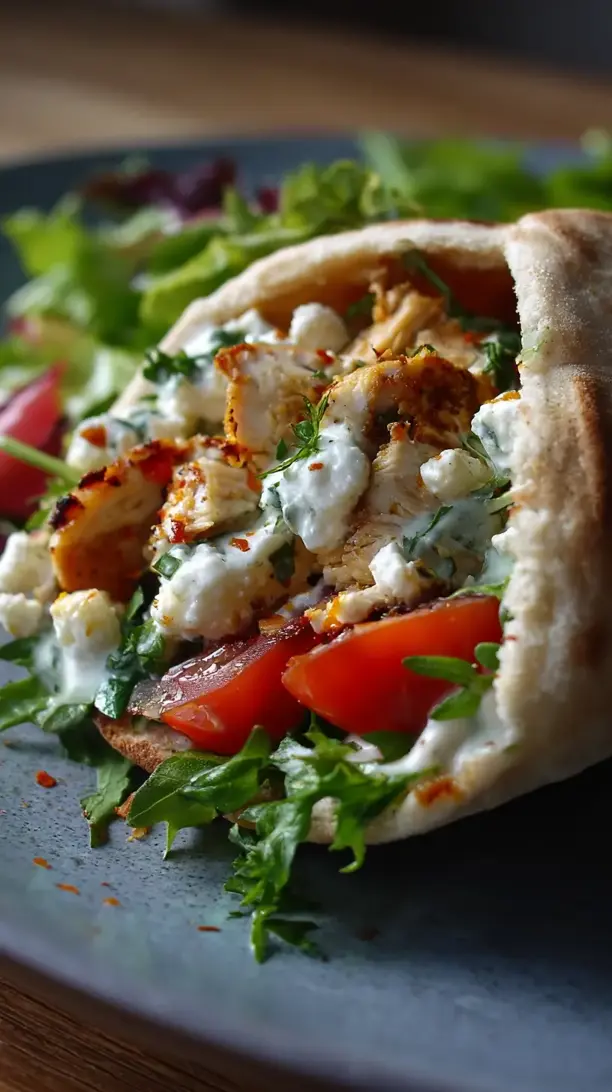
Greek Chicken Pita Pockets
Make delicious Greek Chicken Pita Pockets with tender marinated chicken, fresh veggies, and homemade tzatziki. A quick and easy meal perfect for any night. Get the recipe!
Ingredients
For the Chicken & Marinade
-
600 g boneless, skinless chicken thighs or breasts
-
60 ml extra virgin olive oil
-
2 lemons (juiced, about 80 ml)
-
4 cloves garlic (minced)
-
2 tsp dried oregano
-
1 tsp smoked paprika
-
1/2 tsp sea salt
-
1/4 tsp black pepper
For the Tzatziki Sauce
-
250 g Greek yogurt (full-fat for best texture)
-
1/2 medium cucumber (grated and squeezed dry)
-
2 cloves garlic (minced)
-
1 tbsp fresh dill (chopped)
-
1 tbsp lemon juice
-
1/2 tsp salt
For Assembly
-
4-6 large pita breads or flatbreads
-
2 medium tomatoes (diced)
-
1 small red onion (thinly sliced)
-
100 g feta cheese (crumbled)
-
fresh parsley (handful, chopped)
Instructions
-
In a large bowl, whisk together the olive oil, lemon juice, minced garlic, oregano, paprika, salt, and pepper. Add the chicken pieces and toss until every piece is thoroughly coated. Cover the bowl and let it marinate in the refrigerator for at least 30 minutes, though honestly, 2-4 hours is ideal if you have the time. You’ll notice the marinade is quite acidic—that’s what will help tenderize the chicken and give it that signature zing.01
-
While the chicken marinates, make your sauce. Grate the cucumber onto a clean kitchen towel, then gather the edges and squeeze firmly over the sink to remove as much liquid as possible. In a medium bowl, combine the Greek yogurt, squeezed cucumber, minced garlic, chopped dill, lemon juice, and salt. Stir everything together until well blended. Taste and adjust seasoning if needed—sometimes I add an extra pinch of salt or a squeeze of lemon. Cover and refrigerate until you’re ready to serve.02
-
Heat a skillet or grill pan over medium-high heat. Once hot, add the chicken pieces (shaking off excess marinade) and cook for 5-7 minutes per side, depending on thickness. You’re looking for a beautiful golden-brown crust and an internal temperature of 74°C. The chicken should feel firm to the touch, and the juices should run clear. Transfer the cooked chicken to a cutting board and let it rest for 5 minutes—this keeps all those delicious juices inside.03
-
While the chicken rests, dice your tomatoes, thinly slice the red onion, and crumble the feta. Warm your pitas using your preferred method—I love giving them a quick char in the same pan I used for the chicken. You’ll notice they puff up slightly and become soft and pliable, which makes them much easier to fill without tearing.04
-
Slice the rested chicken against the grain into thin strips. To assemble each pita pocket, spread a generous spoonful of tzatziki inside the warm pita. Layer with sliced chicken, followed by tomatoes, red onion, crumbled feta, and a sprinkle of fresh parsley. The trick is not to overstuff—you want to be able to hold it without everything tumbling out. Serve immediately while everything is still warm and vibrant.05
Not what you're looking for?