This Green Curry Chicken recipe delivers a vibrant, aromatic meal that’s surprisingly simple to make. It balances spicy, sweet, and creamy flavors for a truly satisfying experience. You’ll love how fresh ingredients transform into a restaurant-quality curry right in your pot.
Craving a delicious Green Curry Chicken? You've come to the right spot! From Chicken Recipes favorites to amazing Appetizer Recipes recipes, there's something here for everyone.


Why You’ll Love This Green Curry Chicken
- Flavor explosion: Layers of spicy curry, creamy coconut, and fresh lime create perfect balance.
- Surprisingly simple: Comes together in about 30 minutes with straightforward steps.
- Incredibly versatile: Easy to swap proteins or add extra vegetables.
- Aromatic therapy: Toasting the curry paste fills your kitchen with an inviting fragrance.
Ingredients & Tools
- 1 tbsp vegetable or coconut oil
- 3–4 tbsp green curry paste
- 400 ml can of full-fat coconut milk
- 500 g boneless, skinless chicken thighs, cut into bite-sized pieces
- 1 tbsp palm sugar or light brown sugar
- 1½ tbsp fish sauce
- 1 large Asian eggplant, cut into chunks
- 1 red bell pepper, sliced
- 4–5 kaffir lime leaves, torn (optional but highly recommended)
- A large handful of Thai basil leaves
- 1–2 tbsp fresh lime juice
- Thai bird’s eye chilies, sliced, for extra heat (optional)
Tools: A large wok or deep skillet, a wooden spoon, and a measuring set.
Notes: The quality of your curry paste and coconut milk really makes a difference here. A good, aromatic paste and rich, creamy coconut milk are the foundation of this entire dish—they’re worth seeking out.
Nutrition (per serving)
| Calories: | 420 kcal |
| Protein: | 28 g |
| Fat: | 30 g |
| Carbs: | 12 g |
| Fiber: | 3 g |
Serves: 4 | Prep Time: 15 minutes | Cook Time: 20 minutes | Total Time: 35 minutes
Before You Start: Tips & Ingredient Notes
- Chicken thighs over breasts? Absolutely. Thighs stay incredibly juicy and tender during the simmering process, while breasts can easily become dry. The richer fat content in thighs also complements the creamy sauce perfectly.
- What if I can’t find Thai basil? While its unique, anise-like flavor is irreplaceable, you can use sweet Italian basil in a pinch. The curry will still be delicious, though it will have a slightly different, more Mediterranean character.
- Is the curry paste spicy? It can be! Start with 3 tablespoons and taste your sauce before adding the chicken. You can always stir in more at the end if you want more heat. Remember, you’re in control of the fire.
- Why full-fat coconut milk? It provides the luxurious, creamy body that makes this curry so satisfying. Light coconut milk will result in a thinner, less rich sauce. A little indulgence here is totally worth it.
How to Make Green Curry Chicken
Step 1: Start by toasting your curry paste. Heat the oil in your wok or skillet over medium heat. Add the green curry paste and cook for 2–3 minutes, stirring constantly. You’ll notice the color darken slightly and the most incredible, fragrant aroma will fill your kitchen. This step is crucial—it wakes up all the spices and toasts them, deepening their flavor profile immensely.
Step 2: Now, let’s build the base of our sauce. Scoop out about a quarter of the thick, creamy coconut cream from the top of the can and add it to the toasted paste. Stir and fry this mixture for another 2 minutes until it becomes even more fragrant and the oil might start to separate a little around the edges. This is a good sign—it means the flavors are fully developed.
Step 3: Time for the chicken and the rest of the coconut milk. Add the chicken pieces to the pan and stir to coat them thoroughly in the fragrant paste. Let them cook for about 3–4 minutes, just until the outside turns opaque. Then, pour in the remaining coconut milk, along with the fish sauce and palm sugar. Stir everything together until the sugar dissolves.
Step 4: Bring your curry to a gentle simmer—not a rolling boil. Once it’s bubbling lightly, add the chunks of eggplant and the torn kaffir lime leaves. These will need a bit more time to cook and become tender. Let it all simmer uncovered for about 8–10 minutes, stirring occasionally.
Step 5: Add the quicker-cooking veggies. Now, stir in the sliced bell pepper. Let the curry continue to simmer for another 4–5 minutes. You’re looking for the eggplant to be tender and the chicken to be completely cooked through. The sauce should have thickened slightly and look glossy and inviting.
Step 6: The final flourish! Turn off the heat. Now, stir in the vast majority of your Thai basil leaves—they’ll wilt perfectly in the residual heat. Finally, stir in the fresh lime juice. Taste the curry now—this is your last chance to adjust. Need more salt? A dash more fish sauce. More tang? A squeeze more lime. More heat? Add those sliced bird’s eye chilies.
Step 7: Serve immediately. Ladle the hot curry into deep bowls, making sure everyone gets plenty of sauce, chicken, and veggies. Garnish with the remaining fresh basil leaves for a pop of color and fresh aroma. The journey from pot to bowl is a beautiful thing.
Storage & Freshness Guide
- Fridge: Store in an airtight container for up to 3 days.
- Freezer: Freeze sauce base (without fresh herbs/lime) for up to 3 months.
- Reviving: Reheat gently on stove with a splash of water or coconut milk.
Serving Suggestions
Complementary Dishes
- Jasmine Rice — The classic, slightly sticky and fragrant rice is the perfect neutral canvas to soak up all that incredible curry sauce. It balances the spice and creaminess perfectly.
- Quick-Pickled Cucumbers — A simple salad of thinly sliced cucumbers, red onion, rice vinegar, and a pinch of sugar provides a crisp, acidic crunch that cuts through the richness of the curry beautifully.
- Spring Rolls — A few fresh or fried spring rolls on the side add a different texture and make the meal feel extra special, like a restaurant feast at home.
Drinks
- A Crisp Lager — The cold, carbonated, slightly bitter profile of a light lager is fantastic for cleansing the palate between bites of the rich and spicy curry.
- Thai Iced Tea — The sweet, creamy, and spiced notes of this iconic drink are a dream pairing with the heat of the curry, creating a wonderful sweet-and-spicy contrast.
- Off-Dry Riesling — A wine with a touch of sweetness and high acidity can handle the spice and complement the complex flavors of lemongrass and lime in the curry.
Something Sweet
- Mango with Sticky Rice — It’s the quintessential Thai dessert for a reason. The sweet, creamy mango and glutinous rice are a heavenly, comforting end to a spicy meal.
- Coconut Ice Cream — A simple scoop of high-quality coconut ice cream continues the tropical theme while providing a cool, soothing finish for your palate.
- Lychee Fruit — Chilled, fresh lychees from a can are incredibly refreshing, juicy, and light—the perfect simple sweet bite after a flavorful dinner.
Top Mistakes to Avoid
- Mistake: Boiling the curry vigorously. A gentle simmer is key. A rolling boil can cause the coconut milk to break, making the sauce oily and grainy instead of smooth and creamy. Patience is your friend here.
- Mistake: Skipping the paste-toasting step. I’ve rushed this before and regretted it. Taking those few minutes to fry the paste unlocks its full depth of flavor. Raw, straight-from-the-jar paste tastes one-dimensional in comparison.
- Mistake: Overcooking the chicken. Since you’re using thigh meat, it’s forgiving, but it can still become tough if left to boil for too long. Just cook it until it’s no longer pink in the center—it will be perfectly tender.
- Mistake: Adding the lime juice too early. The bright, fresh acidity of lime juice mellows and can turn bitter if cooked for a long time. Always stir it in right at the end, off the heat, to preserve its vibrant zing.
Expert Tips
- Tip: Make a double batch of sauce. The curry paste and coconut milk base freezes beautifully. Next time you want curry, you can just thaw the sauce, simmer your protein and veggies in it, and dinner is ready in 10 minutes.
- Tip: Use the “coconut cream cap.” Don’t shake the can of coconut milk before opening. Scoop out the thick cream that has risen to the top to fry with your curry paste—this gives the sauce an incredibly rich and luxurious body.
- Tip: Bruise your aromatics. If using lemongrass stalk or galangal in addition to your paste, give them a good whack with the back of your knife before adding them to the pot. This releases more of their essential oils and fragrance into the curry.
- Tip: Let it rest. If you can bear to wait, let the curry sit for 5-10 minutes after cooking. This allows the flavors to meld together even more and the chicken to reabsorb some of the sauce, making it even more flavorful.
FAQs
Can I make this curry vegetarian or vegan?
Absolutely! It’s a very easy swap. For a vegan version, replace the chicken with firm tofu (pan-fry it first for the best texture) or a mix of hearty vegetables like mushrooms and sweet potato. Simply substitute the fish sauce with soy sauce or a vegan fish sauce alternative. The core process remains exactly the same, and it’s just as delicious.
How long do leftovers keep in the fridge?
Stored in an airtight container, your green curry will keep well for up to 3 days in the refrigerator. The flavors often deepen and improve overnight. Reheat it gently on the stovetop over low heat, adding a tiny splash of water or coconut milk if the sauce has thickened too much. Avoid microwaving on high power, as it can cause the coconut milk to separate.
My curry is too spicy! How can I tone it down?
Don’t worry, this happens to the best of us! The easiest fix is to stir in a bit more coconut milk or even a teaspoon of sugar to balance the heat. Serving it with extra plain jasmine rice will also help dilute the spiciness in each bite. For future reference, you can start with less paste and add more to taste.
Can I use a different protein, like shrimp or beef?
Of course. For shrimp, add them in the last 3-4 minutes of cooking so they don’t become rubbery. For beef, use a tender cut like sirloin, slice it thinly, and add it towards the end as well, just to cook through. The beauty of this recipe is its adaptability to whatever you have on hand or are craving.
Why is my curry sauce splitting or looking oily?
This usually happens if the heat was too high, causing the coconut milk to break. To fix it, remove the pan from the heat and vigorously whisk in a tablespoon or two of hot water or more coconut milk. This can often bring it back together. For next time, remember to keep everything at a gentle, happy simmer.


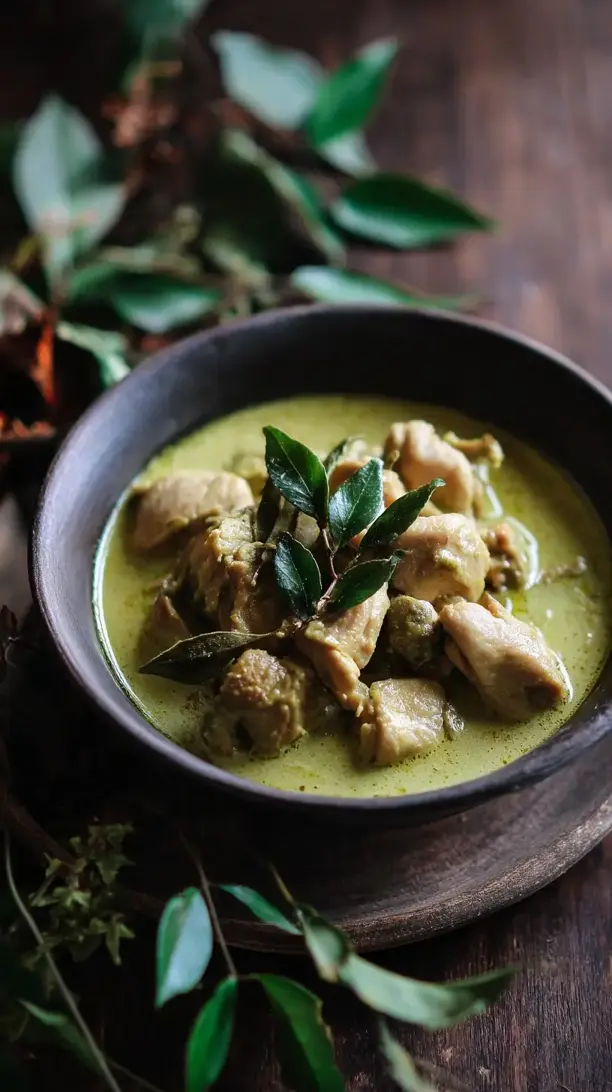
Green Curry Chicken
Make the best Green Curry Chicken at home in 35 minutes! This easy recipe delivers a perfect balance of spicy, sweet, and creamy flavors. Get the recipe now!
Ingredients
For the Ingredients & Tools
-
1 tbsp vegetable or coconut oil
-
3–4 tbsp green curry paste
-
400 ml full-fat coconut milk (can)
-
500 g boneless, skinless chicken thighs (cut into bite-sized pieces)
-
1 tbsp palm sugar or light brown sugar
-
1½ tbsp fish sauce
-
1 large Asian eggplant (cut into chunks)
-
1 red bell pepper (sliced)
-
4–5 kaffir lime leaves (torn (optional but highly recommended))
-
A large handful Thai basil leaves
-
1–2 tbsp fresh lime juice
-
Thai bird's eye chilies (sliced, for extra heat (optional))
Instructions
-
Start by toasting your curry paste. Heat the oil in your wok or skillet over medium heat. Add the green curry paste and cook for 2–3 minutes, stirring constantly. You’ll notice the color darken slightly and the most incredible, fragrant aroma will fill your kitchen. This step is crucial—it wakes up all the spices and toasts them, deepening their flavor profile immensely.01
-
Now, let’s build the base of our sauce. Scoop out about a quarter of the thick, creamy coconut cream from the top of the can and add it to the toasted paste. Stir and fry this mixture for another 2 minutes until it becomes even more fragrant and the oil might start to separate a little around the edges. This is a good sign—it means the flavors are fully developed.02
-
Time for the chicken and the rest of the coconut milk. Add the chicken pieces to the pan and stir to coat them thoroughly in the fragrant paste. Let them cook for about 3–4 minutes, just until the outside turns opaque. Then, pour in the remaining coconut milk, along with the fish sauce and palm sugar. Stir everything together until the sugar dissolves.03
-
Bring your curry to a gentle simmer—not a rolling boil. Once it's bubbling lightly, add the chunks of eggplant and the torn kaffir lime leaves. These will need a bit more time to cook and become tender. Let it all simmer uncovered for about 8–10 minutes, stirring occasionally.04
-
Add the quicker-cooking veggies. Now, stir in the sliced bell pepper. Let the curry continue to simmer for another 4–5 minutes. You’re looking for the eggplant to be tender and the chicken to be completely cooked through. The sauce should have thickened slightly and look glossy and inviting.05
-
The final flourish! Turn off the heat. Now, stir in the vast majority of your Thai basil leaves—they’ll wilt perfectly in the residual heat. Finally, stir in the fresh lime juice. Taste the curry now—this is your last chance to adjust. Need more salt? A dash more fish sauce. More tang? A squeeze more lime. More heat? Add those sliced bird's eye chilies.06
-
Serve immediately. Ladle the hot curry into deep bowls, making sure everyone gets plenty of sauce, chicken, and veggies. Garnish with the remaining fresh basil leaves for a pop of color and fresh aroma. The journey from pot to bowl is a beautiful thing.07
Not what you're looking for?