This Heavenly Halibut recipe delivers a perfectly cooked piece of fish that feels like a luxurious treat. A simple, flavor-packed crust forms on top while the fish stays moist and tender underneath. It’s elegant, reliable, and might just become your new favorite way to enjoy fish.
Nothing beats a great Heavenly Halibut. Whether you're a fan of Dinner Ideas or want to try something from our Dessert Recipes selection, keep scrolling!


Why You’ll Love This Heavenly Halibut
- Deceptively simple: Only a handful of ingredients and 30 minutes for a restaurant-quality result.
- Magic texture: Savory, crunchy Parmesan-panko topping contrasts with moist, flaky fish.
- Incredibly versatile: Pairs beautifully with almost any side dish for a perfect weeknight meal.
- Feels like a treat: Gourmet feeling without the stress or complicated techniques.
Ingredients & Tools
- 2 (6-ounce) halibut fillets, about 1-inch thick
- 2 tablespoons mayonnaise (full-fat works best for richness)
- 1 tablespoon Dijon mustard
- 1/4 cup grated Parmesan cheese
- 1/4 cup panko breadcrumbs (low-carb almond flour can be subbed)
- 1 tablespoon fresh parsley, finely chopped
- 1/2 teaspoon garlic powder
- 1/2 teaspoon paprika
- 1 tablespoon fresh lemon juice
- 1 tablespoon olive oil or melted butter
- To taste, salt and freshly ground black pepper
- Lemon wedges, for serving
Tools: A small mixing bowl, a baking sheet, parchment paper or a silicone baking mat
Notes: The quality of your halibut really matters here—look for firm, glossy fillets with a fresh, clean scent. The mayonnaise and Dijon mixture might seem unusual, but it’s the glue that holds the crust together and adds tangy creaminess.
Nutrition (per serving)
| Calories: | 380 kcal |
| Protein: | 36 g |
| Fat: | 22 g |
| Carbs: | 6 g |
| Fiber: | 1 g |
Serves: 2 | Prep Time: 10 minutes | Cook Time: 15 minutes | Total Time: 25 minutes
Before You Start: Tips & Ingredient Notes
- Pat your fish dry. This is a non-negotiable first step. Any excess moisture on the surface of the halibut will steam the fish instead of letting the crust get beautifully crisp. Use a paper towel and press gently.
- Why panko? Panko breadcrumbs are lighter and flakier than traditional breadcrumbs, which gives you a much crispier, more delicate crust. If you’re strictly low-carb, almond flour mixed with a little extra Parmesan works well, though the texture will be more dense.
- Don’t skip the Dijon. The mustard isn’t just for flavor—its acidity helps cut through the richness of the mayo and Parmesan, balancing the whole dish. It adds a subtle depth that you’d miss if it were gone.
- Room temperature is key. Let your halibut sit out for 10-15 minutes before cooking. A cold fillet straight from the fridge won’t cook as evenly, and you risk an overcooked exterior and a cold center.
How to Make Heavenly Halibut
Step 1: First things first, preheat your oven to 425°F (220°C). Line a baking sheet with parchment paper—this makes cleanup an absolute breeze and prevents the delicate fish from sticking. While the oven heats up, pat your halibut fillets completely dry with paper towels. You’ll notice this is the secret to a good sear and crust, even when baking.
Step 2: Now, let’s make that magical crust mixture. In your small bowl, combine the mayonnaise, Dijon mustard, and fresh lemon juice. Whisk it all together until it’s smooth and creamy. The smell at this point is already fantastic—tangy and inviting. In a separate, shallow dish, mix the panko, grated Parmesan, chopped parsley, garlic powder, and paprika. Use a fork to fluff it all together, ensuring the Parmesan is evenly distributed.
Step 3: Time to assemble. Place your dried halibut fillets on the prepared baking sheet. Season both sides generously with salt and pepper. Then, using a spoon or a small spatula, spread the mayonnaise mixture evenly over the top of each fillet. You want a nice, thin layer that covers the entire surface—this is your flavor base and your glue.
Step 4: Here’s the fun part. Carefully spoon the panko-Parmesan mixture over the mayo layer on each fillet. Gently press it down with your fingers or the back of the spoon to help it adhere. Don’t worry if a little falls off the sides—you’re aiming for a good, even coating on top. Drizzle the entire thing with the olive oil or melted butter. This final touch will help the crust achieve a gorgeous, deep golden-brown color as it bakes.
Step 5: Slide the baking sheet into your preheated oven. Bake for 12-15 minutes. The exact time will depend on the thickness of your fillets. You’re looking for the topping to be deeply golden and crisp, and the fish should flake easily with a fork. A good trick is to insert a fork into the thickest part of the fillet and gently twist; the flesh should separate into clean, opaque flakes.
Step 6: Once it’s perfectly cooked, remove the baking sheet from the oven. Let the halibut rest on the pan for about 2-3 minutes before serving. This allows the juices to redistribute throughout the fish, ensuring every single bite is moist. Serve immediately with fresh lemon wedges for squeezing over the top. That hit of fresh lemon juice right at the end really makes all the flavors pop.
Storage & Freshness Guide
- Fridge: Store leftovers in an airtight container for up to 2 days.
- Freezer: Not recommended, as the crust will become soggy upon thawing.
- Reviving: Reheat gently in a 300°F oven until warmed through to help maintain texture.
Serving Suggestions
Complementary Dishes
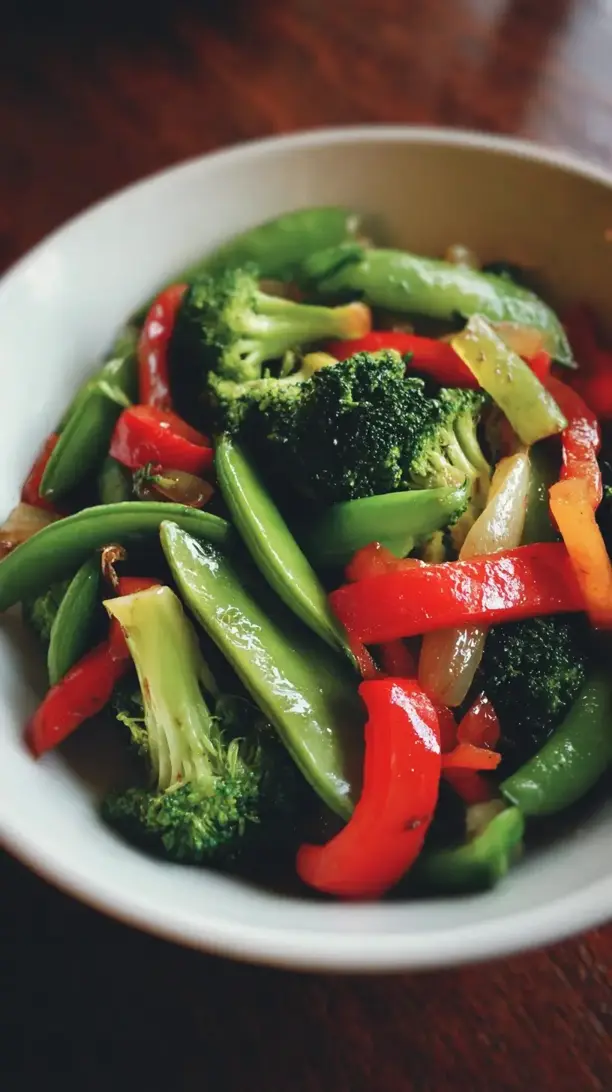
- Garlic Sautéed Spinach — The sharp, garlicky greens are a perfect textural and flavor contrast to the rich, flaky fish.
- Lemon Herb Cauliflower Rice — A light, fluffy low-carb base that soaks up any delicious juices from the halibut beautifully.
- Roasted Asparagus Spears — Their slight bitterness and tender-crisp bite complement the savory Parmesan crust wonderfully.
Drinks
- A Crisp Sauvignon Blanc — Its bright acidity and citrus notes mirror the lemon in the dish and cut through the richness perfectly.
- Sparkling Water with Lemon — A non-alcoholic option that cleanses the palate between bites and enhances the fresh, zesty flavors.
- Chilled Pinot Grigio — Light-bodied and refreshing, it won’t overpower the delicate flavor of the halibut itself.
Something Sweet
- Mixed Berry Parfait — A few fresh berries with a dollop of whipped cream provides a light, sweet, and refreshing finish.
- Dark Chocolate Square — Just a single piece of high-cocoa dark chocolate is a rich, bittersweet ending that doesn’t feel too heavy.
- Lemon Sorbet — It continues the citrus theme of the meal and is a palate-cleansing, utterly refreshing way to end.
Top Mistakes to Avoid
- Using wet fish. If you skip the pat-dry step, you’re introducing steam, which will make the crust soggy and prevent it from getting crisp. I’ve messed this up before too, and the difference is night and day.
- Overbaking the halibut. Halibut is a lean fish and can go from perfectly moist to dry and chalky in a matter of minutes. Use a timer and check it at the 12-minute mark. It continues to cook a bit from residual heat after it comes out of the oven.
- Packing the crust down too hard. You want to press just enough for the topping to adhere. If you smash it down, you’ll create a dense layer that won’t get as light and crispy.
- Skipping the rest time. It might be tempting to dig right in, but letting the fish rest for a few minutes allows the internal juices to settle. Cutting in immediately means those precious juices will just run out onto the plate.
Expert Tips
- Tip: For an extra flavor boost, mix a teaspoon of lemon zest into your panko-Parmesan mixture. The zest adds a powerful, fragrant citrus oil that permeates the entire crust.
- Tip: If your panko topping isn’t browning as much as you’d like by the time the fish is cooked, switch your oven to broil for the last 1-2 minutes. Watch it like a hawk—it can burn in seconds!
- Tip: If you’re using frozen halibut, thaw it slowly in the refrigerator overnight. Never thaw it at room temperature or in warm water, as this can negatively affect the texture and make it watery.
- Tip: For a truly restaurant-style presentation, use a small offset spatula to spread the mayo mixture and apply the topping. It gives you so much more control for a neat, even coating.
FAQs
Can I use a different type of fish?
Absolutely! This method works wonderfully with other firm, white fish like cod, haddock, or sea bass. The key is to choose a fillet that’s about 1-inch thick so the cooking time remains similar. Just keep in mind that more delicate fish, like tilapia or flounder, might cook through too quickly before the crust has a chance to properly brown and crisp up.
My crust fell off. What happened?
This usually happens for one of two reasons. First, the fish might not have been patted completely dry, so the mayo mixture didn’t have a good surface to stick to. Second, you might have applied the crust too thickly or didn’t press it down gently to adhere. A thin, even layer of the mayo “glue” and a light press is all you need for a crust that stays put.
Can I make this ahead of time?
You can prepare the components ahead of time! You can mix the mayo spread and the dry topping separately and keep them covered in the fridge for a few hours. But I’d recommend assembling and baking the fish just before serving. The crust is at its absolute best when fresh out of the oven, as it can soften if it sits for too long after cooking.
Is there a substitute for mayonnaise?
If you’re not a mayo fan, full-fat Greek yogurt or sour cream can work in a pinch. The texture will be slightly tangier and the crust might not get *quite* as golden, but it will still be delicious. Just be aware that yogurt can sometimes release a bit more water, so your crust might be slightly less crisp.
How do I know when the halibut is perfectly cooked?
The most reliable method is the “flake test.” Gently insert a fork into the thickest part of the fillet and twist slightly. The fish should separate easily into large, opaque flakes. An instant-read thermometer is even more precise—you’re aiming for an internal temperature of 130-135°F (55-57°C). The fish will continue to cook as it rests, reaching a perfect 145°F (63°C).




Heavenly Halibut
Make perfect Heavenly Halibut with a crispy Parmesan crust in under 30 minutes. This easy, elegant fish recipe delivers restaurant-quality results. Get the recipe now!
Ingredients
For the main ingredients
-
2 halibut fillets (6-ounce, about 1-inch thick)
-
2 tablespoons mayonnaise (full-fat works best for richness)
-
1 tablespoon Dijon mustard
-
1/4 cup grated Parmesan cheese
-
1/4 cup panko breadcrumbs (low-carb almond flour can be subbed)
-
1 tablespoon fresh parsley (finely chopped)
-
1/2 teaspoon garlic powder
-
1/2 teaspoon paprika
-
1 tablespoon fresh lemon juice
-
1 tablespoon olive oil or melted butter
-
salt and freshly ground black pepper (to taste)
-
lemon wedges (for serving)
Instructions
-
First things first, preheat your oven to 425°F (220°C). Line a baking sheet with parchment paper—this makes cleanup an absolute breeze and prevents the delicate fish from sticking. While the oven heats up, pat your halibut fillets completely dry with paper towels. You’ll notice this is the secret to a good sear and crust, even when baking.01
-
Now, let's make that magical crust mixture. In your small bowl, combine the mayonnaise, Dijon mustard, and fresh lemon juice. Whisk it all together until it’s smooth and creamy. The smell at this point is already fantastic—tangy and inviting. In a separate, shallow dish, mix the panko, grated Parmesan, chopped parsley, garlic powder, and paprika. Use a fork to fluff it all together, ensuring the Parmesan is evenly distributed.02
-
Time to assemble. Place your dried halibut fillets on the prepared baking sheet. Season both sides generously with salt and pepper. Then, using a spoon or a small spatula, spread the mayonnaise mixture evenly over the top of each fillet. You want a nice, thin layer that covers the entire surface—this is your flavor base and your glue.03
-
Here’s the fun part. Carefully spoon the panko-Parmesan mixture over the mayo layer on each fillet. Gently press it down with your fingers or the back of the spoon to help it adhere. Don't worry if a little falls off the sides—you’re aiming for a good, even coating on top. Drizzle the entire thing with the olive oil or melted butter. This final touch will help the crust achieve a gorgeous, deep golden-brown color as it bakes.04
-
Slide the baking sheet into your preheated oven. Bake for 12-15 minutes. The exact time will depend on the thickness of your fillets. You’re looking for the topping to be deeply golden and crisp, and the fish should flake easily with a fork. A good trick is to insert a fork into the thickest part of the fillet and gently twist; the flesh should separate into clean, opaque flakes.05
-
Once it's perfectly cooked, remove the baking sheet from the oven. Let the halibut rest on the pan for about 2-3 minutes before serving. This allows the juices to redistribute throughout the fish, ensuring every single bite is moist. Serve immediately with fresh lemon wedges for squeezing over the top. That hit of fresh lemon juice right at the end really makes all the flavors pop.06
Not what you're looking for?