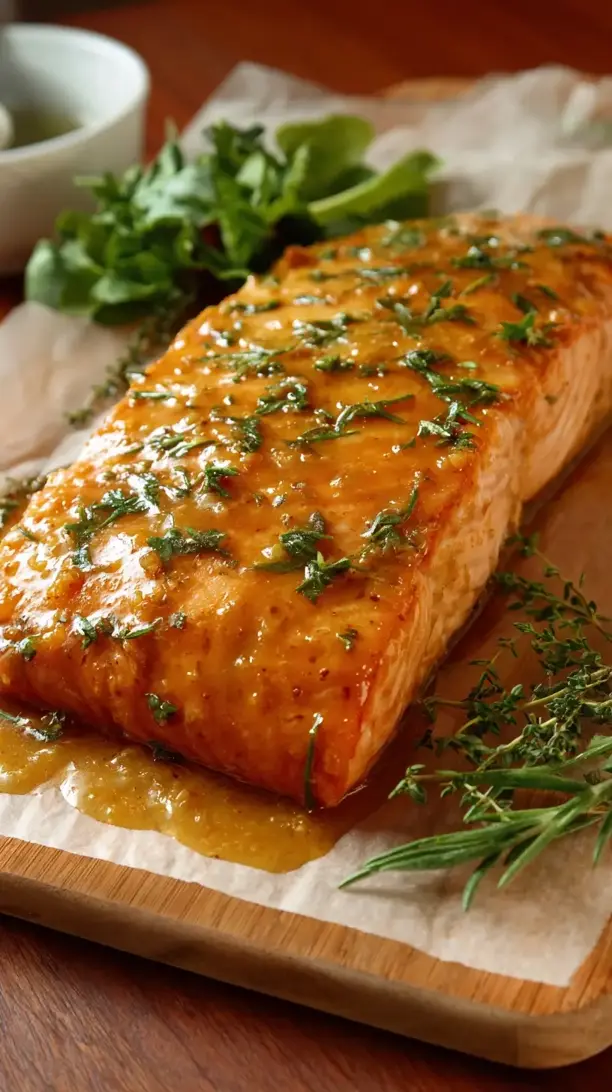
This honey mustard salmon recipe creates a sweet, tangy glaze that transforms simple salmon into a spectacular meal. It’s incredibly easy and elegant, perfect for busy weeknights or impressing guests. You’ll love how the sticky, caramelized topping gives a burst of flavor in every bite.
Looking for Honey Mustard Salmon inspiration? You'll love what we have! Explore more Dinner Ideas recipes or discover our Christmas Cookie favorites.



Why You’ll Love This Honey Mustard Salmon
- Quick & Foolproof: Ready in about 20 minutes with minimal fuss.
- Perfect Flavor Balance: Sweet honey, tangy mustard, and bright lemon sing together.
- Amazingly Versatile: Easily adapt the glaze with chili, herbs, or other pantry staples.
- Beautiful Presentation: The glossy, caramelized glaze looks restaurant-worthy.
Ingredients & Tools
- 4 salmon fillets, skin-on or skinless (about 150-180 g each)
- 3 tablespoons honey
- 2 tablespoons Dijon mustard
- 1 tablespoon whole grain mustard
- 2 cloves garlic, minced
- 1 tablespoon fresh lemon juice
- 1 tablespoon olive oil
- 1/2 teaspoon smoked paprika
- 1/4 teaspoon black pepper
- 1/4 teaspoon salt (or to taste)
- 1 tablespoon fresh parsley, chopped (for garnish)
- Lemon wedges for serving
Tools: A small bowl for mixing, a baking sheet (lined with parchment paper) or an oven-safe skillet, a pastry brush (optional but helpful).
Notes: The quality of your honey and mustard really makes a difference here—a good, flavorful honey and a robust Dijon will give you the most complex and satisfying glaze. And don’t skip the whole grain mustard if you can help it; those little seeds add a wonderful texture and pops of flavor.
Nutrition (per serving)
| Calories: | 320 kcal |
| Protein: | 29 g |
| Fat: | 16 g |
| Carbs: | 14 g |
| Fiber: | 1 g |
Serves: 4 | Prep Time: 10 minutes | Cook Time: 12-15 minutes | Total Time: 25 minutes
Before You Start: Tips & Ingredient Notes
- What’s the best salmon to use? I prefer skin-on, center-cut fillets for this recipe, as the skin helps keep the fish incredibly moist and provides a lovely textural contrast. However, skinless works perfectly well, too—just keep a close eye on the cooking time as it can cook a touch faster.
- Can I use a different type of mustard? Absolutely. The combination of Dijon and whole grain gives a great depth, but if you only have one, that’s fine. Yellow mustard will be a bit sharper and less complex, while a spicy brown mustard would add a nice kick.
- Is the garlic non-negotiable? Honestly, it adds a crucial savory backbone that balances the sweetness. If you’re out of fresh garlic, a scant 1/4 teaspoon of garlic powder stirred right into the glaze is a decent substitute.
- Why pat the salmon dry? This is a small but mighty step. Using a paper towel to pat the fillets dry ensures the glaze sticks to the surface properly and helps the skin get crispy if you’re using skin-on. A wet surface can steam the fish and make the glaze slide right off.
How to Make Honey Mustard Salmon
Step 1: Prepare the Glaze and Salmon. Start by preheating your oven to 200°C (400°F). In a small bowl, whisk together the honey, Dijon mustard, whole grain mustard, minced garlic, lemon juice, olive oil, smoked paprika, salt, and pepper. You’ll notice the mixture will be thick and fragrant. Now, take your salmon fillets and pat them thoroughly dry with paper towels. This is the secret to getting that glaze to adhere beautifully and create a lovely crust.
Step 2: Apply the Glaze. Place the dried salmon fillets on a parchment-lined baking sheet or in an oven-safe skillet. Using a spoon or a pastry brush, generously coat the top and sides of each fillet with the honey mustard mixture. Don’t be shy—you want a good, even layer that will caramelize in the heat. If you have time, let it sit for 5 minutes to let the flavors start penetrating the fish.
Step 3: Bake to Perfection. Slide the baking sheet into the preheated oven. The cooking time will depend on the thickness of your fillets, but for standard 2.5 cm (1-inch) thick pieces, aim for 12 to 15 minutes. You’re looking for the salmon to be opaque and flake easily with a fork, and the glaze should be bubbly and slightly darkened around the edges. If you like a more pronounced caramelized top, you can switch the oven to a high broil for the final 1-2 minutes—just watch it like a hawk to prevent burning!
Step 4: Rest and Garnish. Once out of the oven, resist the urge to dig in immediately. Let the salmon rest on the pan for about 3-4 minutes. This allows the juices to redistribute throughout the fish, ensuring every single bite is moist and tender. During this rest, the glaze will set a little bit, becoming wonderfully sticky. Just before serving, sprinkle with the fresh chopped parsley and serve with lemon wedges for a bright, fresh squeeze over the top.
Storage & Freshness Guide
- Fridge: Store leftovers in an airtight container for up to 2 days.
- Freezer: Not recommended; the glaze and texture may suffer upon thawing.
- Reviving: Reheat gently in a 150°C (300°F) oven for 10–15 minutes until warmed through.
Serving Suggestions
Complementary Dishes
- Garlic Roasted Asparagus — The crisp-tender asparagus is a classic partner that soaks up any extra glaze on the plate beautifully.
- Lemon Herb Quinoa — A light, fluffy quinoa pilaf adds a healthy, protein-packed base that complements the salmon without overpowering it.
- Creamy Mashed Potatoes — For ultimate comfort, the rich, creamy potatoes are a dreamy contrast to the sharp, sweet glaze on the fish.
Drinks
- A Crisp Sauvignon Blanc — The wine’s citrusy and herbal notes cut through the richness of the salmon and mirror the lemon in the glaze perfectly.
- Sparkling Water with Lemon — A simple, refreshing non-alcoholic option that cleanses the palate between each flavorful bite.
- A Light Pale Ale — The slight bitterness and carbonation of a pale ale balance the sweetness of the honey and cleanse the palate wonderfully.
Something Sweet
- Lemon Sorbet — A scoop of bright, tart sorbet is the perfect, light finish to the meal, continuing the citrus theme in a refreshing way.
- Almond Shortbread Cookies — Their buttery, nutty flavor and crumbly texture are a simple, elegant endnote that isn’t too heavy.
- Fresh Berry Salad with Mint — A mix of seasonal berries with a hint of mint and a drizzle of honey feels celebratory and fresh.
Top Mistakes to Avoid
- Overcooking the salmon. This is the number one way to ruin a beautiful piece of fish. Salmon continues to cook after it comes out of the oven (carryover cooking), so you want to remove it when it’s just slightly under your desired doneness in the very center. Overcooked salmon becomes dry and chalky.
- Not patting the salmon dry. I know I’ve mentioned it before, but it’s that important. A wet surface prevents the glaze from sticking and browning properly, and it can also create steam, which prevents the skin from crisping up if you’re using skin-on fillets.
- Using a dark-colored baking sheet without parchment.


Honey Mustard Salmon
Make perfect Honey Mustard Salmon with a sweet, tangy glaze in just 20 minutes. This easy, healthy recipe is ideal for busy weeknights. Get the recipe now!
Ingredients
For the Honey Mustard Glaze
-
3 tablespoons honey
-
2 tablespoons Dijon mustard
-
1 tablespoon whole grain mustard
-
2 cloves garlic (minced)
-
1 tablespoon fresh lemon juice
-
1 tablespoon olive oil
-
0.5 teaspoon smoked paprika
-
0.25 teaspoon black pepper
-
0.25 teaspoon salt
For the Salmon & Garnish
-
4 salmon fillets (skin-on or skinless (about 150-180 g each))
-
1 tablespoon fresh parsley (chopped)
-
lemon wedges (for serving)
Instructions
-
Start by preheating your oven to 200°C (400°F). In a small bowl, whisk together the honey, Dijon mustard, whole grain mustard, minced garlic, lemon juice, olive oil, smoked paprika, salt, and pepper. Now, take your salmon fillets and pat them thoroughly dry with paper towels.01
-
Place the dried salmon fillets on a parchment-lined baking sheet or in an oven-safe skillet. Using a spoon or a pastry brush, generously coat the top and sides of each fillet with the honey mustard mixture. If you have time, let it sit for 5 minutes to let the flavors start penetrating the fish.02
-
Slide the baking sheet into the preheated oven. The cooking time will depend on the thickness of your fillets, but for standard 2.5 cm (1-inch) thick pieces, aim for 12 to 15 minutes. You’re looking for the salmon to be opaque and flake easily with a fork, and the glaze should be bubbly and slightly darkened around the edges. If you like a more pronounced caramelized top, you can switch the oven to a high broil for the final 1-2 minutes—just watch it like a hawk to prevent burning!03
-
Once out of the oven, resist the urge to dig in immediately. Let the salmon rest on the pan for about 3-4 minutes. Just before serving, sprinkle with the fresh chopped parsley and serve with lemon wedges for a bright, fresh squeeze over the top.04
Not what you're looking for?