Honey Soy Salmon combines sweet honey and savory soy in a glossy glaze that caramelizes beautifully on tender fish. This elegant yet simple dish comes together in just 20 minutes, making it perfect for busy weeknights or easy entertaining. The irresistible aroma and restaurant-quality results will make this Honey Soy Salmon a regular in your rotation.
Craving a delicious Honey Soy Salmon? You've come to the right spot! From Dinner Ideas favorites to amazing Burgers recipes, there's something here for everyone.



Why You’ll Love This Honey Soy Salmon
- Quick & Easy: Ready in 20 minutes with mostly hands-off time.
- Perfect Flavor Balance: Sweet honey and umami soy sauce with aromatic garlic and ginger.
- Versatile Cooking: Bake, pan-sear, or grill to suit your mood and tools.
- Elegant & Impressive: Looks fancy enough for guests but simple enough for any night.
Ingredients & Tools
- 4 salmon fillets (about 150–180 g each), skin-on or skinless
- 3 tbsp soy sauce (use reduced-sodium if preferred)
- 2 tbsp honey
- 1 tbsp rice vinegar
- 2 cloves garlic, minced
- 1 tsp freshly grated ginger
- 1 tbsp olive oil or sesame oil
- 1 tsp cornstarch (optional, for thickening the glaze)
- 1 tbsp water (if using cornstarch)
- 1 lime or lemon, for serving
- 1 tbsp sesame seeds and sliced green onions, for garnish
Tools: Baking sheet (if baking), non-stick skillet (if pan-searing), small bowl, whisk, brush for glazing
Notes: Freshly grated ginger and minced garlic make a noticeable difference. If out of rice vinegar, fresh lime juice works in a pinch.
Nutrition (per serving)
| Calories: | 320 kcal |
| Protein: | 25 g |
| Fat: | 16 g |
| Carbs: | 12 g |
| Fiber: | 0.5 g |
Serves: 4 | Prep Time: 10 minutes | Cook Time: 10–12 minutes | Total Time: 20–22 minutes
Before You Start: Tips & Ingredient Notes
- What type of salmon should I use? I prefer skin-on, center-cut fillets for this recipe—they hold their shape beautifully and the skin gets wonderfully crisp if you’re pan-searing. But skinless works just as well, especially if you’re baking.
- Can I make the marinade ahead? Absolutely! The honey soy glaze can be whisked together up to two days in advance and stored in the fridge. In fact, letting the flavors meld overnight often makes it even better.
- Is it okay to marinate the salmon for longer? Be careful here—because of the soy sauce’s salt content, marinating fish for more than 30 minutes can start to “cook” the exterior (like a ceviche) and make the texture a bit mushy. A quick 15–20 minute soak is all you need.
- What if I don’t have fresh ginger or garlic? In a pinch, you can use ½ tsp garlic powder and ¼ tsp ground ginger. The flavor will be slightly less vibrant, but it’ll still be delicious—I’ve done this myself when I’ve run out of fresh aromatics.
How to Make Honey Soy Salmon
Step 1: First, pat your salmon fillets completely dry with paper towels. This is a small but crucial step—it helps the marinade cling to the fish and promotes that beautiful caramelization instead of steaming. If you’re using skin-on salmon, you’ll notice the skin will crisp up much better when it’s dry. Place the fillets in a shallow dish or on a plate while you prepare the glaze.
Step 2: In a small bowl, whisk together the soy sauce, honey, rice vinegar, minced garlic, and grated ginger. Keep whisking until the honey is fully dissolved and the mixture looks smooth and glossy. If you’re planning to thicken the glaze for serving, mix the cornstarch with one tablespoon of water in a separate tiny bowl until it forms a slurry.
Step 3: Now, pour about two-thirds of the honey soy marinade over the salmon fillets, making sure they’re well-coated on all sides. Reserve the remaining marinade—you’ll use this later for basting or for making extra sauce. Let the salmon sit for about 15–20 minutes at room temperature. Don’t go longer than that, or the texture might suffer.
Step 4: Heat a tablespoon of oil in a large non-stick skillet over medium-high heat. Once the oil is shimmering, carefully place the salmon fillets in the pan, skin-side down if they have skin. You should hear a gentle sizzle—that’s how you know the pan is hot enough. Cook for 4–6 minutes without moving them, until the skin is crisp and the bottom half of the fillet looks opaque.
Step 5: Flip the fillets gently using a spatula. If you’re nervous about them sticking, a fish spatula really is a game-changer here. Cook for another 2–4 minutes on the second side, depending on thickness. You’re aiming for a flaky, opaque center but with a hint of translucence in the very middle—the salmon will continue to cook a bit after you take it out of the pan.
Step 6: While the salmon cooks, pour the reserved marinade into a small saucepan. Bring it to a simmer over medium heat and let it bubble gently for 2–3 minutes—this step is important for food safety since the marinade has touched raw fish. If you want a thicker glaze, stir in the cornstarch slurry and cook for another minute until it coats the back of a spoon.
Step 7: Once the salmon is cooked to your liking, transfer it to a serving platter. Drizzle with the reduced glaze, making sure each fillet gets a generous coating. The sauce should look glossy and cling to the fish beautifully. Let it rest for a minute or two—this allows the juices to redistribute throughout the fillets.
Step 8: Finally, garnish with a sprinkle of sesame seeds and sliced green onions. A squeeze of fresh lime juice just before serving brightens everything up and balances the richness. And there you have it—restaurant-worthy Honey Soy Salmon ready in about 20 minutes!
Storage & Freshness Guide
- Fridge: Store leftovers in an airtight container for up to 2 days.
- Freezer: Freeze cooked salmon in a single layer, then transfer to a freezer bag for up to 1 month.
- Reviving: Reheat gently in a 150°C oven with a splash of water, covered, for about 10 minutes.
Serving Suggestions
Complementary Dishes
- Steamed jasmine rice — The fluffy, slightly sticky grains are perfect for soaking up every last drop of that delicious honey soy glaze.
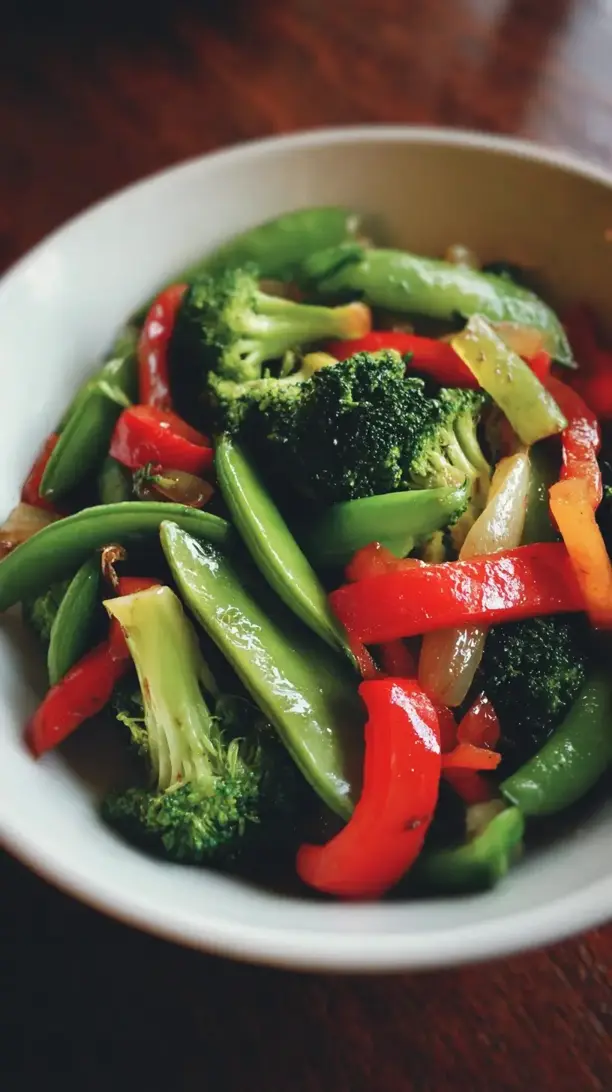
- Stir-fried vegetables — A quick mix of broccoli, snap peas, and bell peppers adds color, crunch, and makes the meal feel complete.
- Simple cucumber salad — Thinly sliced cucumbers with a light rice vinegar dressing provide a cool, refreshing contrast to the rich salmon.
Drinks
- Crisp Sauvignon Blanc — Its citrusy notes and bright acidity cut through the sweetness of the glaze and complement the salmon’s richness beautifully.
- Iced green tea with lemon — A non-alcoholic option that’s light and cleansing, helping to balance the savory-sweet flavors of the dish.
- Light-bodied lager — The subtle bitterness and carbonation work wonderfully with the caramelized notes in the salmon without overwhelming the palate.
Something Sweet
- Mango sorbet — The tropical fruitiness feels like a natural extension of the Asian-inspired flavors and provides a light, refreshing finish.
- Ginger cookies — These spicy-sweet treats echo the ginger in the marinade and offer a satisfying crunch to end the meal.
- Lychee granita — A delicate, floral frozen dessert that cleanses the palate and feels sophisticated without being heavy.
Top Mistakes to Avoid
- Over-marinating the salmon. Because of the acidity in the rice vinegar and the salt in the soy sauce, leaving the fish in the marinade for too long can break down the proteins and give it a mushy, ceviche-like texture. Stick to 15–20 minutes max.
- Using a pan that’s not hot enough. If your skillet isn’t properly preheated, the salmon will steam instead of sear, and you’ll miss out on that beautiful caramelized crust. Wait until the oil shimmers before adding the fillets.
- Overcooking the salmon. Salmon continues to cook after it’s removed from heat, so take it out when it’s still slightly translucent in the center. Overcooked salmon becomes dry and chalky—a real shame with such a beautiful cut.
- Skipping the reduction step for the extra glaze. If you pour the reserved marinade directly onto the cooked salmon without simmering it first, you’re risking cross-contamination from the raw fish. Always boil the leftover marinade for at least 2–3 minutes.
Expert Tips
- Tip: For extra-crispy skin, press the salmon fillets gently with your spatula for the first 30 seconds of cooking. This helps the skin make full contact with the hot pan and prevents curling.
- Tip: If you prefer baking, arrange the marinated salmon on a parchment-lined baking sheet and bake at 200°C for 12–15 minutes. Brush with extra glaze halfway through for maximum flavor.
- Tip: To check for doneness without cutting into the beautiful fillet, use a fork or the tip of a knife to gently separate the flakes in the thickest part. It should be opaque but still moist.
- Tip: For a spicy kick, add a teaspoon of sriracha or a pinch of red pepper flakes to the marinade. The heat plays wonderfully with the sweet and salty elements.
- Tip: If your honey has crystallized, gently warm the jar in a bowl of hot water for a few minutes before measuring. This will make it much easier to mix into the marinade.
FAQs
Can I use frozen salmon for this recipe?
Absolutely! Just make sure to thaw it completely in the refrigerator overnight first. Pat it very dry with paper towels before marinating, as frozen fish tends to release more moisture. The texture might be slightly less firm than fresh, but it will still taste wonderful with that honey soy glaze.
How do I know when the salmon is cooked perfectly?
The salmon is done when it flakes easily with a fork but still appears slightly translucent in the very center—what chefs call “medium.” Remember, it will continue cooking from residual heat after you remove it from the pan. For precise temperatures, an instant-read thermometer should read about 52–54°C when inserted into the thickest part.
Can I make this recipe with other types of fish?
Definitely! This honey soy marinade works beautifully with firm white fish like cod or halibut, though you’ll want to reduce the cooking time slightly since these varieties cook faster than salmon. It’s also fantastic with shrimp or even chicken thighs—the versatility is one of my favorite things about this recipe.
How should I store and reheat leftovers?
Store any leftover salmon in an airtight container in the refrigerator for up to 2 days. To reheat, place it in a baking dish with a splash of water, cover with foil, and warm in a 150°C oven for about 10 minutes. Microwaving tends to make the fish rubbery, so I’d avoid that method if possible.
Is there a good substitute for honey if I want to make this less sweet?
Maple syrup works beautifully and provides a more complex, earthy sweetness. For a sugar-free version, you could use a sugar-free maple syrup alternative or even a tablespoon of orange juice concentrate for natural fruit sweetness. The glaze won’t caramelize quite as much, but the flavor will still be delicious.

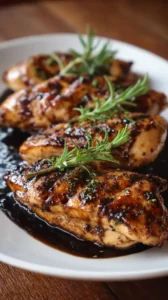


Honey Soy Salmon
Make perfect Honey Soy Salmon in just 20 minutes! This easy recipe features a sweet & savory glaze for tender, flaky fish. Get the simple recipe now!
Ingredients
For the salmon and marinade:
-
4 salmon fillets (about 150–180 g each, skin-on or skinless)
-
3 tbsp soy sauce (use reduced-sodium if preferred)
-
2 tbsp honey
-
1 tbsp rice vinegar
-
2 cloves garlic (minced)
-
1 tsp freshly grated ginger
-
1 tbsp olive oil or sesame oil
-
1 tsp cornstarch (optional, for thickening the glaze)
-
1 tbsp water (if using cornstarch)
-
1 lime or lemon (for serving)
-
1 tbsp sesame seeds and sliced green onions (for garnish)
Instructions
-
First, pat your salmon fillets completely dry with paper towels. Place the fillets in a shallow dish or on a plate while you prepare the glaze.01
-
In a small bowl, whisk together the soy sauce, honey, rice vinegar, minced garlic, and grated ginger. Keep whisking until the honey is fully dissolved and the mixture looks smooth and glossy. If you’re planning to thicken the glaze for serving, mix the cornstarch with one tablespoon of water in a separate tiny bowl until it forms a slurry.02
-
Now, pour about two-thirds of the honey soy marinade over the salmon fillets, making sure they’re well-coated on all sides. Reserve the remaining marinade—you’ll use this later for basting or for making extra sauce. Let the salmon sit for about 15–20 minutes at room temperature.03
-
Heat a tablespoon of oil in a large non-stick skillet over medium-high heat. Once the oil is shimmering, carefully place the salmon fillets in the pan, skin-side down if they have skin. Cook for 4–6 minutes without moving them, until the skin is crisp and the bottom half of the fillet looks opaque.04
-
Flip the fillets gently using a spatula. Cook for another 2–4 minutes on the second side, depending on thickness. You’re aiming for a flaky, opaque center but with a hint of translucence in the very middle—the salmon will continue to cook a bit after you take it out of the pan.05
-
While the salmon cooks, pour the reserved marinade into a small saucepan. Bring it to a simmer over medium heat and let it bubble gently for 2–3 minutes—this step is important for food safety since the marinade has touched raw fish. If you want a thicker glaze, stir in the cornstarch slurry and cook for another minute until it coats the back of a spoon.06
-
Once the salmon is cooked to your liking, transfer it to a serving platter. Drizzle with the reduced glaze, making sure each fillet gets a generous coating. Let it rest for a minute or two—this allows the juices to redistribute throughout the fillets.07
-
Finally, garnish with a sprinkle of sesame seeds and sliced green onions. A squeeze of fresh lime juice just before serving brightens everything up and balances the richness.08
Not what you're looking for?