
Indonesian Chicken Thighs deliver a magical balance of sweet, salty, spicy, and savory flavors. Juicy, bone-in thighs are marinated in an aromatic paste and simmered in a rich coconut sauce until fall-off-the-bone tender. This recipe is a foolproof way to bring authentic Indonesian comfort to your table.
Craving a delicious Indonesian Chicken Thighs? You've come to the right spot! From Chicken Thigh Recipes favorites to amazing Dessert Recipes recipes, there's something here for everyone.
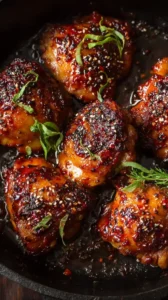


Why You’ll Love This Indonesian Chicken Thighs
- Insanely Flavorful: Deep marinade and slow simmer create a rich, aromatic sauce.
- Comfort Food Twist: Satisfying and cozy with exciting, complex flavors.
- Great for Meal Prep: Tastes even better the next day as flavors meld.
- Impressive Yet Simple: Restaurant-style wow factor without stress or hard-to-find ingredients.
Ingredients & Tools
- 8 bone-in, skin-on chicken thighs
- 4 large shallots, roughly chopped
- 6 cloves garlic
- 2-inch piece of ginger, peeled and sliced
- 2 red chilies (or 1 tsp chili paste)
- 2 tbsp coconut oil or neutral oil
- 400 ml can of coconut milk
- 3 tbsp kecap manis (sweet soy sauce)
- 1 tbsp tamarind paste
- 1 tsp ground coriander
- 1 stalk lemongrass, bruised
- 2 kaffir lime leaves (optional, but lovely)
- 1 tsp salt, or to taste
- Fresh cilantro & lime wedges for serving
Tools: A food processor or blender, a large, heavy-bottomed pot or Dutch oven.
Notes: Don’t skip the fresh aromatics—they’re the soul of the dish. Kecap manis is a must for its unique sweet, thick character.
Nutrition (per serving)
| Calories: | 480 kcal |
| Protein: | 35 g |
| Fat: | 36 g |
| Carbs: | 8 g |
| Fiber: | 1 g |
Serves: 4 | Prep Time: 20 minutes | Cook Time: 50 minutes | Total Time: 1 hour 10 minutes (plus optional marinating time)
Before You Start: Tips & Ingredient Notes
- Don’t rush the marinade. Even 30 minutes makes a difference, but if you can let the chicken sit in that fragrant paste for a few hours (or overnight), the flavor penetration is just incredible.
- What if I can’t find kecap manis? You can make a decent stand-in by mixing 2 tbsp regular soy sauce with 1 tbsp molasses or dark brown sugar. It won’t be identical, but it’ll get you in the ballpark.
- Bone-in, skin-on is non-negotiable for the best result. The bones add so much flavor to the sauce as they simmer, and the skin gets wonderfully tender and flavorful. Trust me on this one.
- Toasting your own spices? If you have whole coriander seeds, toast them in a dry pan for a minute until fragrant, then grind them. The flavor is on another level.
How to Make Indonesian Chicken Thighs
Step 1: First, let’s make that incredible flavor base. In your food processor or blender, combine the chopped shallots, garlic cloves, sliced ginger, and red chilies. Blitz it all into a smooth, fragrant paste. You might need to scrape down the sides once or twice. This paste is the heart and soul of the dish, so take a moment to appreciate that amazing aroma.
Step 2: Pat your chicken thighs completely dry with paper towels—this is the secret to getting a nice sear. Season them generously with salt on both sides. Heat the coconut oil in your large pot or Dutch oven over medium-high heat. Once the oil is shimmering, add the chicken thighs, skin-side down. Don’t crowd the pan; you might need to do this in two batches. Sear for about 5-7 minutes until the skin is a deep golden brown and crispy. Flip and sear the other side for just 2 minutes. Remove the chicken and set it aside on a plate.
Step 3: Reduce the heat to medium. In the same pot, with all those delicious chicken drippings, add your aromatic paste. Be careful, it might sizzle and spit a little. Cook this paste, stirring almost constantly, for about 5-8 minutes. You’ll know it’s ready when it darkens slightly in color, the raw smell of the shallots has completely vanished, and your entire kitchen smells like heaven.
Step 4: Stir in the ground coriander and cook for another 30 seconds until it’s fragrant. Now, pour in the coconut milk, kecap manis, and tamarind paste. Add the bruised lemongrass stalk and kaffir lime leaves if you’re using them. Give everything a good stir, scraping up any browned bits from the bottom of the pot—that’s pure flavor right there.
Step 5: Carefully return the seared chicken thighs to the pot, along with any juices that collected on the plate. They should be mostly submerged in the sauce. Bring the liquid to a gentle simmer, then immediately reduce the heat to low. Cover the pot and let it cook for 30-35 minutes. The chicken will become incredibly tender and start to pull away from the bone.
Step 6: After the simmering time, remove the lid. The sauce might look a bit thin, but don’t worry. Let it bubble gently, uncovered, for another 10-15 minutes. This is where the sauce reduces and thickens into a luscious, glossy gravy that will coat the back of a spoon. Taste it and adjust the seasoning with a little more salt if needed.
Step 7: Your Indonesian Chicken Thighs are ready! Fish out the lemongrass stalk and lime leaves. Serve the chicken and that incredible sauce directly from the pot, garnished with a generous handful of fresh cilantro and plenty of lime wedges for squeezing over the top.
Storage & Freshness Guide
- Fridge: Store in an airtight container for 3–4 days.
- Freezer: Freeze for up to 3 months; thaw overnight in fridge.
- Reviving: Reheat gently on stovetop, adding a splash of water if sauce is too thick.
Serving Suggestions
Complementary Dishes
- Steamed Jasmine Rice — The fluffy, fragrant rice is the perfect vehicle for soaking up every last drop of that incredible coconut sauce.
- Simple Stir-Fried Greens — A quick bok choy or gai lan stir-fried with garlic provides a fresh, crisp contrast to the rich chicken.
- Acar (Indonesian Pickles) — The sharp, tangy crunch of quick-pickled cucumbers and carrots cuts through the richness beautifully.
Drinks
- Iced Jasmine Tea — Its floral notes are a calming, refreshing companion that cleanses the palate between bites.
- A Light Lager — The crisp, cold bubbles are fantastic for balancing the savory, umami-heavy flavors of the dish.
- Sweet Iced Teh Botol — For an authentic Indonesian experience, this sweet, bottled jasmine tea is a classic pairing.
Something Sweet
- Pandan Coconut Custard — The subtle, fragrant vanilla-like flavor of pandan is a dreamy, creamy way to end the meal.
- Grilled Pineapple with Lime Zest — A little caramelization from the grill enhances the pineapple’s sweetness, which plays wonderfully with the spices in the chicken.
- Es Teler (Indonesian Fruit Cocktail) — A refreshing mix of coconut, avocado, and jackfruit in sweet coconut milk and condensed milk—it’s a textural adventure.
Top Mistakes to Avoid
- Mistake: Not searing the chicken skin properly. If the pan isn’t hot enough, the skin will steam and turn rubbery instead of becoming crispy and rendering its fat, which is essential for flavoring the sauce.
- Mistake: Skipping the paste-cooking step. If you don’t cook the shallot-garlic paste long enough to drive off the raw, sharp flavors, your final sauce will taste harsh and unbalanced.
- Mistake: Boiling the coconut milk. Once you add the coconut milk and return the chicken, keep it at a gentle simmer. A rolling boil can cause the coconut milk to separate and become oily.
- Mistake: Forgetting to reduce the sauce at the end. That final uncovered simmer is what transforms a thin, soupy liquid into a rich, clingy sauce that makes the dish.
Expert Tips
- Tip: Bruise your lemongrass properly. Just give it a few good whacks with the back of your knife. This releases its aromatic oils into the sauce without making it stringy.
- Tip: Make it a day ahead. Seriously, the flavor development is phenomenal. Just gently reheat it on the stove, adding a splash of water if the sauce has thickened too much.
- Tip: Use the back of a spoon to test your sauce. Drag the spoon through the reduced sauce; if the line holds for a second before the sauce fills it in, you’ve reached the perfect consistency.
- Tip: Don’t discard the fat. After searing the chicken, you might be tempted to pour off some of the rendered fat. Resist! That golden liquid is packed with flavor and will form the base of your aromatic paste.
FAQs
Can I use chicken breasts instead of thighs?
You can, but I really don’t recommend it for this recipe. Chicken breasts are much leaner and will easily become dry and stringy during the long, slow simmering process that makes the thighs so tender. Bone-in, skin-on thighs have more connective tissue and fat, which melts into the sauce and keeps the meat incredibly juicy. If you must use breasts, reduce the simmering time significantly and keep a very close eye on them.
Is this dish very spicy?
Not necessarily! The heat level is completely in your control. The recipe as written, with two red chilies, gives a gentle, warming background heat. If you’re sensitive to spice, you can remove the seeds from the chilies or use just one. For more fire, leave the seeds in or add a pinch of cayenne pepper to the paste. It’s a very adaptable recipe.
How long can I store the leftovers?
Leftovers will keep beautifully in an airtight container in the refrigerator for 3-4 days. In fact, many people think it tastes even better on the second day as the flavors have more time to meld. You can also freeze it for up to 3 months. Thaw overnight in the fridge and reheat gently on the stovetop.
My sauce split and looks oily. What happened?
This usually happens if the heat was too high after you added the coconut milk, causing it to “break.” Don’t panic! It’s still perfectly safe to eat and will taste fine. To fix it, remove the pot from the heat and let it cool down slightly, then whisk in a tablespoon or two of cold water or coconut milk. This can often bring it back together.
What does “bruising” the lemongrass mean?
It simply means you’re gently crushing the stalk to release its aromatic oils. Just place the stalk on your cutting board and firmly press down and roll it with the flat side of your chef’s knife or a rolling pin a few times. You’ll hear it crackle slightly and smell that wonderful lemony fragrance—that’s how you know it’s ready to infuse your sauce.




Indonesian Chicken Thighs
Make juicy, fall-off-the-bone Indonesian Chicken Thighs in a rich coconut sauce. This easy recipe brings authentic flavor to your table. Get the recipe now!
Ingredients
For the Ingredients
-
8 bone-in, skin-on chicken thighs
-
4 large shallots (roughly chopped)
-
6 cloves garlic
-
1 2-inch piece ginger (peeled and sliced)
-
2 red chilies (or 1 tsp chili paste)
-
2 tbsp coconut oil or neutral oil
-
1 400 ml can coconut milk
-
3 tbsp kecap manis (sweet soy sauce)
-
1 tbsp tamarind paste
-
1 tsp ground coriander
-
1 stalk lemongrass (bruised)
-
2 kaffir lime leaves (optional, but lovely)
-
1 tsp salt (or to taste)
-
Fresh cilantro & lime wedges (for serving)
Instructions
-
First, let’s make that incredible flavor base. In your food processor or blender, combine the chopped shallots, garlic cloves, sliced ginger, and red chilies. Blitz it all into a smooth, fragrant paste. You might need to scrape down the sides once or twice. This paste is the heart and soul of the dish, so take a moment to appreciate that amazing aroma.01
-
Pat your chicken thighs completely dry with paper towels—this is the secret to getting a nice sear. Season them generously with salt on both sides. Heat the coconut oil in your large pot or Dutch oven over medium-high heat. Once the oil is shimmering, add the chicken thighs, skin-side down. Don’t crowd the pan; you might need to do this in two batches. Sear for about 5-7 minutes until the skin is a deep golden brown and crispy. Flip and sear the other side for just 2 minutes. Remove the chicken and set it aside on a plate.02
-
Reduce the heat to medium. In the same pot, with all those delicious chicken drippings, add your aromatic paste. Be careful, it might sizzle and spit a little. Cook this paste, stirring almost constantly, for about 5-8 minutes. You’ll know it’s ready when it darkens slightly in color, the raw smell of the shallots has completely vanished, and your entire kitchen smells like heaven.03
-
Stir in the ground coriander and cook for another 30 seconds until it’s fragrant. Now, pour in the coconut milk, kecap manis, and tamarind paste. Add the bruised lemongrass stalk and kaffir lime leaves if you’re using them. Give everything a good stir, scraping up any browned bits from the bottom of the pot—that’s pure flavor right there.04
-
Carefully return the seared chicken thighs to the pot, along with any juices that collected on the plate. They should be mostly submerged in the sauce. Bring the liquid to a gentle simmer, then immediately reduce the heat to low. Cover the pot and let it cook for 30-35 minutes. The chicken will become incredibly tender and start to pull away from the bone.05
-
After the simmering time, remove the lid. The sauce might look a bit thin, but don’t worry. Let it bubble gently, uncovered, for another 10-15 minutes. This is where the sauce reduces and thickens into a luscious, glossy gravy that will coat the back of a spoon. Taste it and adjust the seasoning with a little more salt if needed.06
-
Your Indonesian Chicken Thighs are ready! Fish out the lemongrass stalk and lime leaves. Serve the chicken and that incredible sauce directly from the pot, garnished with a generous handful of fresh cilantro and plenty of lime wedges for squeezing over the top.07
Not what you're looking for?


