
This Italian Lamb Stew is the ultimate comfort food, filling your home with the rustic aroma of a Tuscan kitchen. Slow simmering transforms lamb shoulder into tender, fall-apart pieces in a rich tomato and herb broth. It’s a one-pot wonder that tastes even better the next day.
Nothing beats a great Italian Lamb Stew. Whether you're a fan of Stew or want to try something from our Crockpot Recipes selection, keep scrolling!
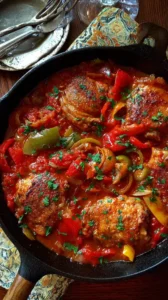

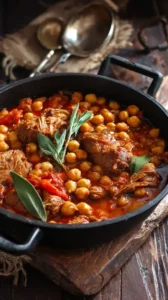
Why You’ll Love This Italian Lamb Stew
- Unbelievably Tender Meat: Slow-braised lamb becomes spoon-tender and melts in your mouth.
- Deep, Complex Flavors: Layers from browning, aromatics, and wine create a rich, savory depth.
- One-Pot Wonder: Everything cooks in one pot for easy cleanup and incredible aroma.
- Perfect for Making Ahead: Flavors deepen overnight, ideal for busy weeks or entertaining.
Ingredients & Tools
- 1.5 kg lamb shoulder, cut into 5 cm chunks
- 3 tbsp olive oil
- 1 large onion, finely chopped
- 2 carrots, peeled and diced
- 2 celery stalks, diced
- 4 cloves garlic, minced
- 180 ml dry red wine (like a Chianti or Sangiovese)
- 800 g canned crushed tomatoes
- 500 ml beef or chicken stock
- 2 tbsp tomato paste
- 2 sprigs fresh rosemary
- 4 sprigs fresh thyme
- 2 bay leaves
- Salt and freshly ground black pepper, to taste
Tools: A large, heavy-bottomed pot or Dutch oven (this is essential for even heat distribution).
Notes: Don’t skip searing the lamb—it’s the foundation of flavor. The red wine deglazes the pot, lifting browned bits and balancing richness.
Nutrition (per serving)
| Calories: | 520 kcal |
| Protein: | 42 g |
| Fat: | 28 g |
| Carbs: | 18 g |
| Fiber: | 4 g |
Serves: 6 | Prep Time: 25 minutes | Cook Time: 2 hours 30 minutes | Total Time: 2 hours 55 minutes
Before You Start: Tips & Ingredient Notes
- Choosing Your Lamb. Shoulder is the best cut for stewing. It has a good amount of marbling and connective tissue, which translates to incredible flavor and texture after long, slow cooking. Avoid leaner cuts like leg, as they can become dry.
- The Wine Matters. Use a dry red wine that you would actually enjoy drinking. The flavor concentrates as it cooks, so a harsh, cheap wine will make your stew taste harsh. A nice Chianti is perfect here.
- Don’t Rush the Sear. This is the single most important step for building a deep, savory base. Get your pot nice and hot, pat the lamb dry, and don’t crowd the pan. You want a proper brown crust, not gray steam.
- Fresh vs. Dried Herbs. I strongly recommend fresh rosemary and thyme for their vibrant, aromatic quality. If you must use dried, use about one-third of the amount, but the flavor won’t be quite as bright and complex.
How to Make Italian Lamb Stew
Step 1: Sear the Lamb. Pat the lamb chunks completely dry with paper towels—this is crucial for getting a good sear, not a steam. Season generously with salt and pepper. Heat 2 tablespoons of the olive oil in your heavy pot over medium-high heat until it shimmers. Working in batches to avoid crowding, add the lamb and sear until deeply browned on all sides, about 4-5 minutes per batch. Transfer the seared lamb to a plate and set aside. You’ll notice all those lovely browned bits stuck to the bottom of the pot; that’s pure flavor gold.
Step 2: Sauté the Aromatics. Reduce the heat to medium and add the remaining tablespoon of olive oil to the same pot. Add the chopped onion, carrots, and celery (this trio is your soffritto). Cook, stirring occasionally, until the vegetables have softened and the onion is translucent, about 8-10 minutes. Add the minced garlic and cook for another minute until fragrant—be careful not to let the garlic burn.
Step 3: Deglaze with Wine. Add the tomato paste and stir it into the vegetables, cooking for a minute to deepen its flavor. Now, pour in the red wine. As it bubbles and sizzles, use your wooden spoon to scrape up all those browned bits from the bottom of the pot. Let the wine reduce by about half, which should take 3-4 minutes. This step is where you build a huge amount of the stew’s foundational flavor.
Step 4: Combine and Simmer. Return the seared lamb and any accumulated juices back to the pot. Add the crushed tomatoes, stock, and your bundle of fresh herbs (rosemary, thyme, and bay leaves). Give everything a good stir and bring it to a gentle boil. Once boiling, immediately reduce the heat to low, cover the pot with a tight-fitting lid, and let it simmer gently. The trick is to maintain a very low simmer—you should only see the occasional bubble break the surface.
Step 5: The Long, Slow Cook. Let the stew simmer gently for at least 1 hour 30 minutes to 2 hours. I recommend checking it after 90 minutes. The stew is done when the lamb is fork-tender and practically falling apart. You’ll know it’s ready when you can easily shred a piece with two forks. If the stew seems too thin at the end, you can remove the lid and let it simmer uncovered for the last 15-20 minutes to thicken slightly.
Step 6: Final Seasoning and Serve. Once the lamb is tender, carefully fish out the rosemary stems, thyme sprigs, and bay leaves. They’ve done their job! Taste the stew and adjust the seasoning with more salt and pepper as needed. The flavors should be rich, savory, and perfectly balanced. Let it rest off the heat for about 10 minutes before serving—this allows the flavors to settle and the stew to thicken up just a bit more.
Storage & Freshness Guide
- Fridge: Cool completely and store in an airtight container for up to 4 days.
- Freezer: Freeze for up to 3 months; thaw overnight in fridge before reheating.
- Reviving: Reheat gently on stovetop, adding a splash of water or stock if too thick.
Serving Suggestions
Complementary Dishes
- Creamy Polenta — The soft, creamy texture is the perfect canvas for the rich, saucy stew to soak into. It’s a classic Italian pairing for a reason.
- Garlic Mashed Potatoes — For the ultimate comfort food experience, a fluffy pile of buttery mashed potatoes makes an incredible base that soaks up every last drop of the sauce.
- Crusty, Toasted Bread — A thick slice of rustic sourdough, brushed with olive oil and toasted until golden, is perfect for mopping up the delicious sauce left in your bowl.
Drinks
- A Bold Chianti Classico — The high acidity and cherry notes of a good Chianti cut beautifully through the richness of the lamb and complement the tomato base perfectly.
- Dark Italian Beer — A malty, dark ale like a Moretti La Rossa has roasted notes that stand up to the deep flavors of the stew without overpowering them.
- Sparkling Water with Lemon — For a non-alcoholic option, the crisp bubbles and citrus cleanse the palate wonderfully between each rich, savory bite.
Something Sweet
- Affogato — A simple scoop of vanilla gelato or ice cream drowned in a shot of hot espresso. It’s light, bittersweet, and the perfect, effortless finish.
- Almond Biscotti — These crunchy, twice-baked cookies are ideal for dipping into a glass of Vin Santo or a simple cup of coffee after your meal.
- Lemon Sorbet — The bright, sharp citrus is a fantastic palate-cleanser after a hearty, rich stew, leaving you feeling refreshed and satisfied.
Top Mistakes to Avoid
- Mistake: Crowding the pan when searing the lamb. If you add too much lamb at once, the pot’s temperature plummets and the meat steams instead of searing. This means you miss out on all that beautiful, flavorful browning. I’ve messed this up before too, and the stew just doesn’t have the same depth.
- Mistake: Boiling the stew instead of simmering. A rolling boil will make the lamb tough and chewy, no matter how long you cook it. You want the gentlest of simmers, with just a few lazy bubbles rising to the surface. Patience is key here.
- Mistake: Skipping the deglazing step. Those browned bits stuck to the pot after searing are packed with flavor. If you don’t use the wine to scrape them up, you’re literally washing flavor down the drain. Don’t do it!
- Mistake: Underseasoning. Stews need a surprising amount of salt to make all the flavors pop. Season in layers—on the meat, and then again at the end. Taste and adjust just before serving; you’ll be glad you did.
Expert Tips
- Tip: Make it a day ahead. The flavors in this stew meld and improve dramatically overnight. Cook it, let it cool completely, and store it in the fridge. Reheat it gently the next day for an even more incredible meal.
- Tip: Skim the fat for a cleaner finish. After the stew has finished cooking, let it sit for 10 minutes. The fat will rise to the top, and you can easily skim it off with a spoon for a less greasy, more refined sauce.
- Tip: Add a Parmesan rind. If you have a rind of Parmigiano-Reggiano sitting in your fridge, toss it into the stew as it simmers. It will dissolve slowly, adding an incredible layer of umami and richness to the broth.
- Tip: Thicken with a potato. If you prefer a thicker stew but don’t want to add flour, grate a small raw potato directly into the pot during the last 30 minutes of cooking. It will dissolve and naturally thicken the sauce.
FAQs
Can I make this Italian Lamb Stew in a slow cooker?
Absolutely! You can adapt this recipe for a slow cooker with great results. Just follow the steps to sear the lamb and sauté the vegetables in a skillet on the stovetop first—this step is too important to skip. Then, transfer everything to your slow cooker, add the remaining ingredients, and cook on low for 7-8 hours, or until the lamb is fall-apart tender. The flavor development won’t be quite as intense as the stovetop method, but it’s a fantastic hands-off option.
What can I use instead of red wine?
If you prefer not to cook with alcohol, you have a couple of good options. You can use an equal amount of additional beef stock, though you’ll lose a bit of the characteristic acidity. A better substitute is a combination of half stock and half red wine vinegar or balsamic vinegar (about 2 tablespoons of vinegar topped up with stock to 180 ml). This will mimic the wine’s tangy quality that helps balance the stew’s richness.
How long will leftovers keep?
This stew is a fantastic leftover meal. Once cooled, store it in an airtight container in the refrigerator for up to 4 days. You’ll find the flavor is even better on day two or three. You can also freeze it for up to 3 months. Just thaw it overnight in the fridge and reheat it gently on the stovetop, adding a splash of water or stock if it has thickened up too much.
My stew is too thin. How can I thicken it?
The easiest way is to remove the lid and let the stew simmer uncovered for an additional 15-20 minutes, allowing some of the liquid to evaporate. If it’s still too thin, you can make a quick slurry: mix one tablespoon of cornstarch with two tablespoons of cold water until smooth. Stir this into the simmering stew and cook for another 2-3 minutes until thickened.
Can I add other vegetables to the stew?
Of course! This recipe is very adaptable. Root vegetables like diced potatoes, parsnips, or turnips are wonderful additions—just add them about 45 minutes before the end of the cooking time so they become tender but don’t turn to mush. You could also stir in some frozen peas or chopped spinach during the last 5 minutes of cooking for a pop of color and freshness.



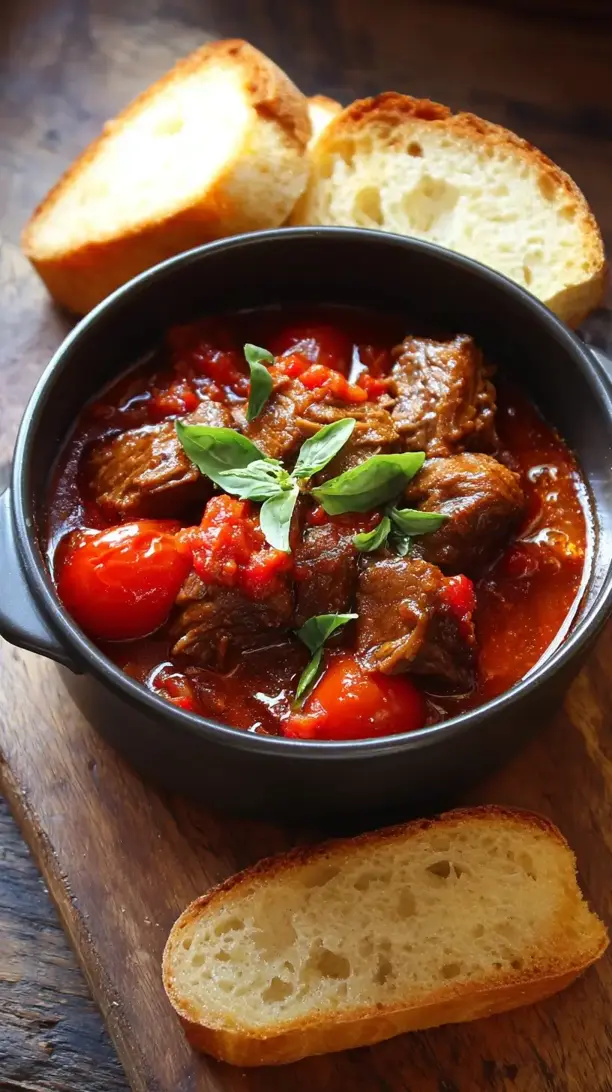
Italian Lamb Stew
Make the ultimate Italian Lamb Stew with this easy recipe. Tender lamb, rich tomato broth, and aromatic herbs create a perfect comfort meal. Get the recipe now!
Ingredients
For the Ingredients
-
1.5 kg lamb shoulder (cut into 5 cm chunks)
-
3 tbsp olive oil
-
1 large onion (finely chopped)
-
2 carrots (peeled and diced)
-
2 celery stalks (diced)
-
4 cloves garlic (minced)
-
180 ml dry red wine (like a Chianti or Sangiovese)
-
800 g canned crushed tomatoes
-
500 ml beef or chicken stock
-
2 tbsp tomato paste
-
2 sprigs fresh rosemary
-
4 sprigs fresh thyme
-
2 bay leaves
-
Salt and freshly ground black pepper (to taste)
Instructions
-
Pat the lamb chunks completely dry with paper towels—this is crucial for getting a good sear, not a steam. Season generously with salt and pepper. Heat 2 tablespoons of the olive oil in your heavy pot over medium-high heat until it shimmers. Working in batches to avoid crowding, add the lamb and sear until deeply browned on all sides, about 4-5 minutes per batch. Transfer the seared lamb to a plate and set aside. You’ll notice all those lovely browned bits stuck to the bottom of the pot; that’s pure flavor gold.01
-
Reduce the heat to medium and add the remaining tablespoon of olive oil to the same pot. Add the chopped onion, carrots, and celery (this trio is your soffritto). Cook, stirring occasionally, until the vegetables have softened and the onion is translucent, about 8-10 minutes. Add the minced garlic and cook for another minute until fragrant—be careful not to let the garlic burn.02
-
Add the tomato paste and stir it into the vegetables, cooking for a minute to deepen its flavor. Now, pour in the red wine. As it bubbles and sizzles, use your wooden spoon to scrape up all those browned bits from the bottom of the pot. Let the wine reduce by about half, which should take 3-4 minutes. This step is where you build a huge amount of the stew’s foundational flavor.03
-
Return the seared lamb and any accumulated juices back to the pot. Add the crushed tomatoes, stock, and your bundle of fresh herbs (rosemary, thyme, and bay leaves). Give everything a good stir and bring it to a gentle boil. Once boiling, immediately reduce the heat to low, cover the pot with a tight-fitting lid, and let it simmer gently. The trick is to maintain a very low simmer—you should only see the occasional bubble break the surface.04
-
Let the stew simmer gently for at least 1 hour 30 minutes to 2 hours. I recommend checking it after 90 minutes. The stew is done when the lamb is fork-tender and practically falling apart. You’ll know it’s ready when you can easily shred a piece with two forks. If the stew seems too thin at the end, you can remove the lid and let it simmer uncovered for the last 15-20 minutes to thicken slightly.05
-
Once the lamb is tender, carefully fish out the rosemary stems, thyme sprigs, and bay leaves. They’ve done their job! Taste the stew and adjust the seasoning with more salt and pepper as needed. The flavors should be rich, savory, and perfectly balanced. Let it rest off the heat for about 10 minutes before serving—this allows the flavors to settle and the stew to thicken up just a bit more.06
Not what you're looking for?


