These Korean Beef Bulgogi Bowls deliver the signature sweet, savory, and aromatic flavors of Korean BBQ in under 30 minutes. Thinly sliced beef marinates quickly while you prep fresh, crisp toppings for a vibrant, restaurant-worthy meal. It’s an incredibly fast and approachable weeknight dinner that feels like a treat.
Love Korean Beef Bulgogi Bowls? So do we! If you're into Dinner Ideas or curious about Appetizers & Snacks, you'll find plenty of inspiration below.



Why You’ll Love This Korean Beef Bulgogi Bowls
- Fast & Weeknight-Friendly: From fridge to table in under 30 minutes.
- Textures & Flavors: Tender beef, crisp veggies, and a dreamy sweet-salty sauce.
- Endlessly Customizable: A perfect canvas for your favorite low-carb tweaks.
- Aromatic Magic: Your kitchen will smell better than a Korean BBQ joint.
Ingredients & Tools
- 450 g thinly sliced beef sirloin or ribeye
- 60 ml coconut aminos (or low-sodium soy sauce)
- 2 tbsp toasted sesame oil
- 1 tbsp erythritol or allulose
- 4 cloves garlic, minced
- 1 tsp freshly grated ginger
- 1 small pear, grated (about 2 tbsp)
- 1 tbsp rice vinegar
- 1/2 tsp black pepper
- 2 tsp avocado oil, for cooking
- 3 spring onions, thinly sliced
- 1 tbsp toasted sesame seeds, for garnish
- For Serving: Cauliflower rice, shredded carrots, sliced cucumber, kimchi
Tools: A large skillet or wok, a medium mixing bowl, a microplane or fine grater for the ginger and pear.
Notes: The grated pear adds natural sweetness and tenderizes the meat. Don’t skip the sesame oil for its authentic, nutty finish.
Nutrition (per serving)
| Calories: | 385 kcal |
| Protein: | 35 g |
| Fat: | 24 g |
| Carbs: | 9 g |
| Fiber: | 3 g |
Serves: 4 | Prep Time: 15 minutes | Cook Time: 10 minutes | Total Time: 25 minutes
Before You Start: Tips & Ingredient Notes
- Get the beef as thin as possible. This is non-negotiable for authentic texture. Ask your butcher to slice it for you, or partially freeze a steak for 45-60 minutes so you can slice it paper-thin yourself. It makes all the difference.
- Don’t skip the pear. It’s not just for sweetness. The enzymes in the pear act as a natural meat tenderizer, giving you that melt-in-your-mouth quality. If you can’t find a pear, a bit of kiwi works in a pinch.
- Have your toppings prepped and ready. This dish cooks in a flash, so you want your cauliflower rice warmed and your veggies sliced before you even turn on the stove. It makes assembly a breeze.
- Taste your marinade. Before you add the beef, dip a spoon in and taste the sauce. You should get a nice balance of salty, sweet, and savory. Adjust the sweetener or a splash of vinegar to your liking.
How to Make Korean Beef Bulgogi Bowls
Step 1: In a medium bowl, whisk together the coconut aminos, sesame oil, sweetener, minced garlic, grated ginger, grated pear, rice vinegar, and black pepper. You’ll notice the aroma immediately starts to bloom—that’s the magic beginning. The pear will almost dissolve into the liquid, creating a beautifully balanced marinade base.
Step 2: Add your thinly sliced beef to the marinade. Use your hands or tongs to toss everything together, ensuring every single piece of beef is thoroughly coated. Honestly, don’t be shy here—get in there and massage it a little. Let it sit for at least 10-15 minutes while you prep your toppings. Even this short time allows the flavors to penetrate deeply.
Step 3: While the beef is marinating, this is your moment to get your bowls ready. Warm your cauliflower rice according to package directions or your preferred method. Slice your cucumbers, shred your carrots, and get your kimchi and sliced spring onions standing by. Having everything organized makes the final cook and assembly feel like a well-choreographed dance.
Step 4: Heat a large skillet or wok over medium-high heat. Add the avocado oil and swirl to coat the pan. Once the oil is shimmering and hot, carefully add the marinated beef in a single layer, reserving the excess marinade in the bowl. You should hear a satisfying sizzle. Let the beef sear for 1-2 minutes without moving it to get a nice caramelized crust.
Step 5: Now, flip the beef and continue cooking for another 1-2 minutes, stirring occasionally, until it’s just cooked through and has a beautiful, glossy, browned exterior. The trick is to cook it quickly over high heat so it stays tender and doesn’t steam or boil in its own juices.
Step 6: Pour the reserved marinade into the hot skillet. It will bubble and reduce almost instantly, creating a gorgeous, sticky glaze that coats the beef. Cook for just another 30-60 seconds, stirring constantly, until the sauce has thickened slightly and clings to the meat. Be careful not to overcook it at this stage, or the sauce could become too thick.
Step 7: Turn off the heat and stir in most of your sliced spring onions, saving a handful for a fresh garnish. This little step adds a burst of fresh, sharp flavor right at the end. Give everything one final toss to combine.
Step 8: It’s assembly time! Divide the warm cauliflower rice among four bowls. Top generously with the hot bulgogi beef and all its glorious sauce. Then, artfully arrange your cold, crunchy toppings—the carrots, cucumber, and kimchi. Finish with a sprinkle of the remaining spring onions and a generous pinch of toasted sesame seeds. Serve immediately and watch it disappear.
Storage & Freshness Guide
- Fridge: Store beef and toppings separately in airtight containers for up to 3 days.
- Freezer: Freeze cooked beef (without fresh toppings) for up to 2 months.
- Reviving: Reheat beef gently in a skillet with a splash of water; keep toppings cold.
Serving Suggestions
Complementary Dishes
- Quick-Pickled Radishes — Their sharp, vinegary crunch provides a fantastic contrast to the rich, savory beef and cuts through the fat beautifully.
- Sautéed Garlicky Spinach — A simple, warm side of greens seasoned with garlic and a dash of sesame oil complements the main event without stealing the spotlight.
- Seaweed Salad — This adds a unique, briny flavor and a wonderfully slippery, crisp texture that feels refreshing and light alongside the bowl.
Drinks
- Iced Barley Tea (Boricha) — A traditional, nutty, and caffeine-free Korean tea that is subtly sweet and incredibly refreshing, cleansing the palate between bites.
- Dry Riesling — The slight sweetness and high acidity of a dry Riesling work wonders against the salty-sweet profile of the bulgogi, creating a perfect harmony.
- Sparkling Water with Lime — Sometimes you just need the clean, crisp bubbles to cut through the richness and reset your taste buds for the next delicious mouthful.
Something Sweet
- Black Sesame Panna Cotta — A creamy, not-too-sweet dessert with a deep, toasty flavor from the sesame that elegantly echoes the notes in the bulgogi.
- Fresh Berry Medley — A simple bowl of mixed raspberries, blackberries, and blueberries provides a juicy, tart, and low-carb finish that feels light and satisfying.
- Matcha Dusted Dark Chocolate — Just a square or two of high-quality, high-cocoa dark chocolate with a hint of matcha offers a bittersweet end that rounds out the meal perfectly.
Top Mistakes to Avoid
- Overcrowding the Pan: If you dump all the beef in at once, you’ll steam it instead of searing it. Cook in batches if necessary to get that beautiful, caramelized crust that is essential for flavor.
- Using Thick-Cut Beef: Bulgogi is defined by its thin, tender slices. Thick pieces won’t cook quickly, won’t absorb the marinade as well, and will end up tough and chewy. I’ve messed this up before too, and it’s a real disappointment.
- Overcooking the Beef: Because the slices are so thin, they cook in just a few minutes. Keep a close eye on it and pull it off the heat as soon as it’s no longer pink to maintain that juicy tenderness.
- Skipping the Sesame Seed Garnish: It might seem like a small thing, but that final sprinkle of toasted sesame seeds adds a crucial nutty aroma and a little textural pop that really completes the dish.
Expert Tips
- Tip: For an extra layer of flavor, add a teaspoon of gochujang (Korean chili paste) to the marinade. It will introduce a subtle, deep heat and complexity that is absolutely addictive.
- Tip: If you have time, let the beef marinate for up to 2 hours in the fridge. The longer it sits, the more tender and flavorful it becomes, though the quick 15-minute version is still fantastic.
- Tip: Use a pair of kitchen scissors to easily slice the cooked beef into smaller, bite-sized strips right in the pan after cooking. It makes the bowl much easier to eat.
- Tip: Double the marinade recipe and set half aside before adding the beef. You can gently heat this clean sauce in a small pan and drizzle it over the assembled bowls for an extra hit of flavor.
FAQs
Can I use a different cut of beef?
Absolutely, but the key is getting it thin. Sirloin and ribeye are ideal for their tenderness and marbling, but you can use flank steak or even pre-sliced stir-fry beef from the supermarket. Just be extra vigilant not to overcook leaner cuts like flank steak, as they can become tough much faster. The partial freezing trick is your best friend here for easy slicing.
I don’t have a pear. What can I use instead?
No worries! A grated kiwi is a great substitute, as it also contains tenderizing enzymes. You could also use 2 tablespoons of unsweetened apple sauce or even a splash of pineapple juice. The goal is that hint of fruit-derived sweetness and acidity to balance the salty-savory notes and tenderize the meat.
How should I store and reheat leftovers?
Store the beef and toppings separately in airtight containers in the fridge for up to 3 days. To reheat the beef, do it gently in a skillet over medium-low heat with a tiny splash of water to keep it from drying out. Avoid the microwave if you can, as it can make the beef rubbery. The fresh toppings are best served cold.
Is this recipe spicy?
The base recipe as written is not spicy at all—it’s more sweet and savory. The heat comes from any additions you make. If you love spice, that’s where the gochujang tip comes in, or you can simply add a sprinkle of Korean chili flakes (gochugaru) or a drizzle of Sriracha at the end when serving.
Can I make this ahead of time?
You can absolutely get a head start! The beef can be sliced and marinated up to 24 hours in advance—this actually improves the flavor. All your fresh veggies can be prepped and stored in separate containers in the fridge. When you’re ready to eat, just cook the beef and assemble the bowls. It turns a 25-minute meal into a 10-minute one.



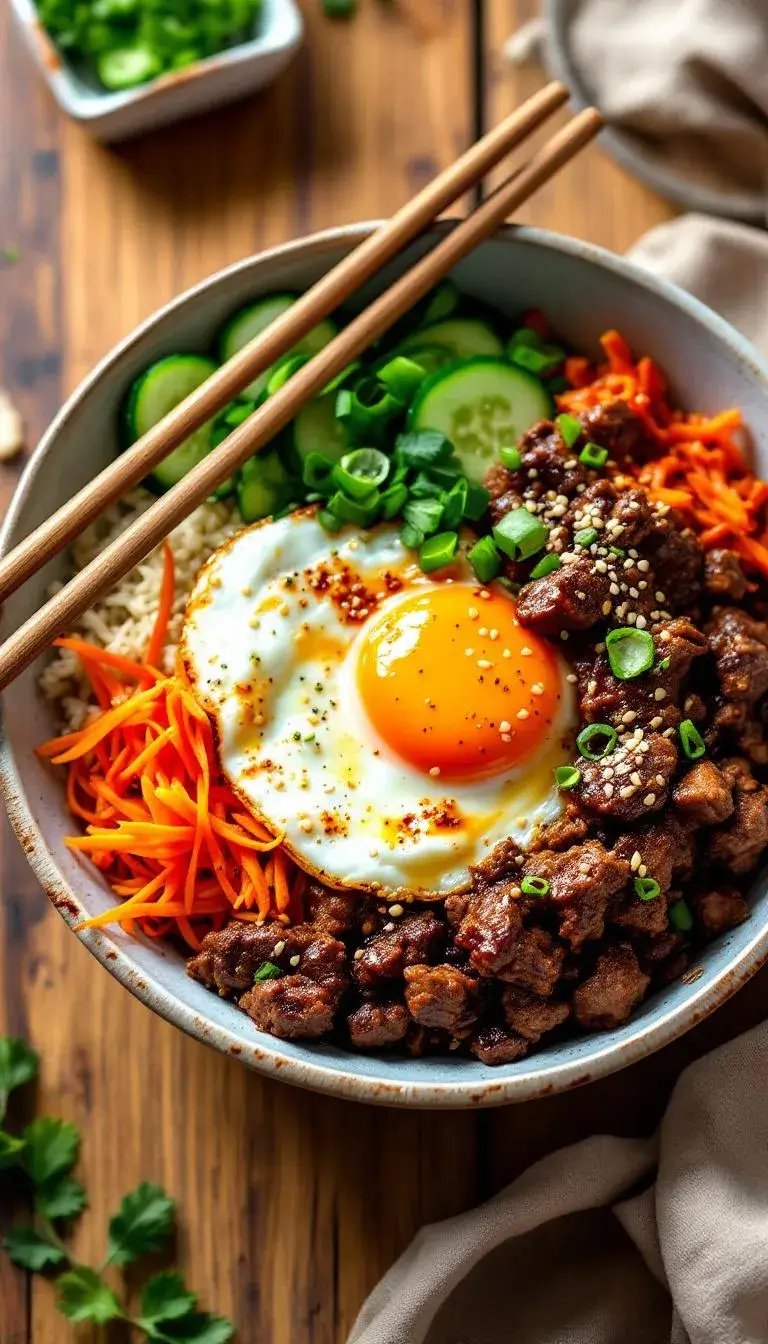
Korean Beef Bulgogi Bowls
Make easy Korean Beef Bulgogi Bowls in under 30 minutes! Get the recipe for this sweet, savory, and healthy weeknight meal. Cook it tonight!
Ingredients
For the Marinade and Beef:
-
450 g thinly sliced beef sirloin or ribeye
-
60 ml coconut aminos (or low-sodium soy sauce)
-
2 tbsp toasted sesame oil
-
1 tbsp erythritol or allulose
-
4 cloves garlic (minced)
-
1 tsp freshly grated ginger
-
1 small pear (grated (about 2 tbsp))
-
1 tbsp rice vinegar
-
0.5 tsp black pepper
-
2 tsp avocado oil (for cooking)
-
3 spring onions (thinly sliced)
-
1 tbsp toasted sesame seeds (for garnish)
For Serving:
-
Cauliflower rice
-
Shredded carrots
-
Sliced cucumber
-
Kimchi
Instructions
-
In a medium bowl, whisk together the coconut aminos, sesame oil, sweetener, minced garlic, grated ginger, grated pear, rice vinegar, and black pepper.01
-
Add your thinly sliced beef to the marinade. Use your hands or tongs to toss everything together, ensuring every single piece of beef is thoroughly coated. Let it sit for at least 10-15 minutes while you prep your toppings.02
-
While the beef is marinating, warm your cauliflower rice according to package directions or your preferred method. Slice your cucumbers, shred your carrots, and get your kimchi and sliced spring onions standing by.03
-
Heat a large skillet or wok over medium-high heat. Add the avocado oil and swirl to coat the pan. Once the oil is shimmering and hot, carefully add the marinated beef in a single layer, reserving the excess marinade in the bowl. Let the beef sear for 1-2 minutes without moving it to get a nice caramelized crust.04
-
Flip the beef and continue cooking for another 1-2 minutes, stirring occasionally, until it's just cooked through and has a beautiful, glossy, browned exterior.05
-
Pour the reserved marinade into the hot skillet. Cook for just another 30-60 seconds, stirring constantly, until the sauce has thickened slightly and clings to the meat.06
-
Turn off the heat and stir in most of your sliced spring onions, saving a handful for a fresh garnish.07
-
Divide the warm cauliflower rice among four bowls. Top generously with the hot bulgogi beef and all its glorious sauce. Then, artfully arrange your cold, crunchy toppings—the carrots, cucumber, and kimchi. Finish with a sprinkle of the remaining spring onions and a generous pinch of toasted sesame seeds. Serve immediately.08
Not what you're looking for?