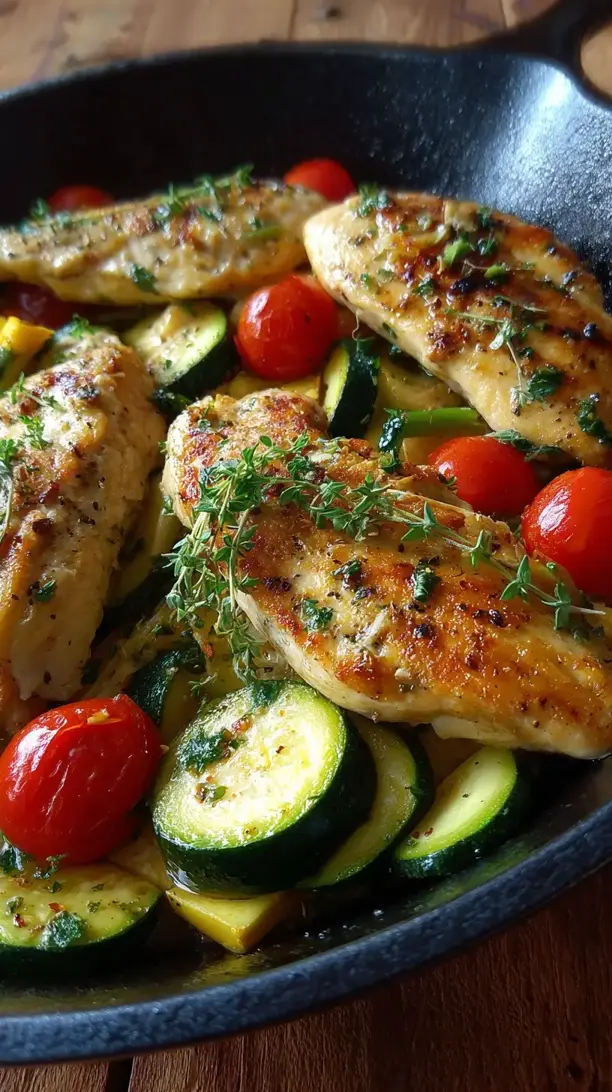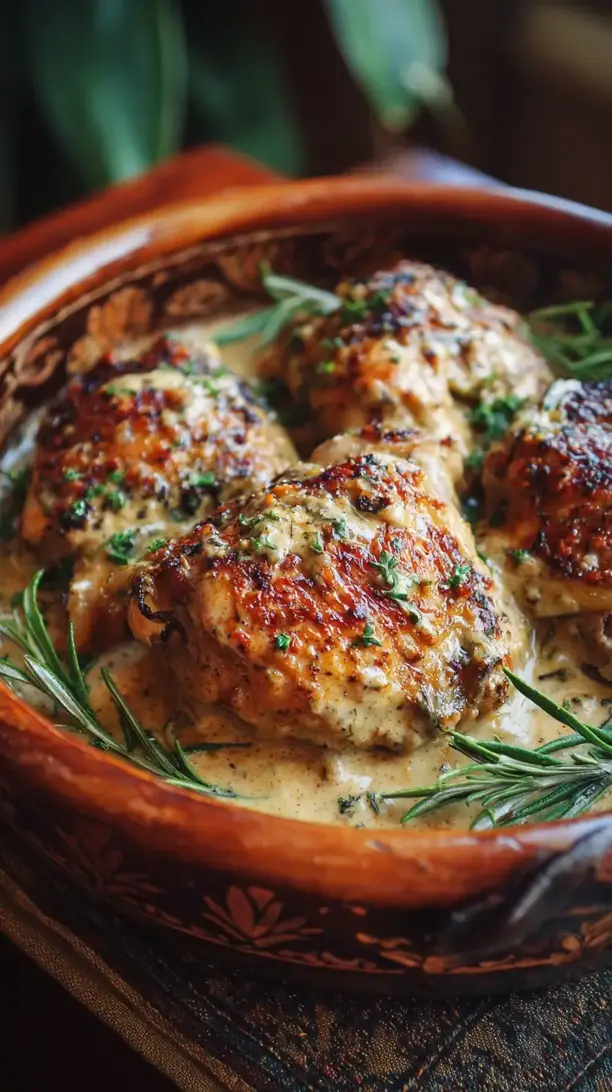
This lemon chicken breast recipe delivers bright, comforting flavor with minimal effort. The juicy, golden-brown chicken soaks up a tangy, buttery lemon sauce that comes together in one pan. It’s a fresh, satisfying meal that feels restaurant-worthy but is simple enough for any weeknight.
Looking for Lemon Chicken Breast inspiration? You'll love what we have! Explore more Chicken Breast Recipes recipes or discover our Chicken Thigh Recipes favorites.


Why You’ll Love This Lemon Chicken Breast
- Juicy every time: A quick brine ensures tender, moist chicken breast.
- Restaurant-quality sauce: Fresh lemon, wine, and butter create a glossy, vibrant pan sauce.
- One-pan wonder: Everything cooks in the same skillet for easy cleanup.
- Endlessly versatile: Serve with pasta, rice, potatoes, or salad.
Ingredients & Tools
- 2 boneless, skinless chicken breasts (about 450 g total)
- 2 tbsp olive oil
- 3 garlic cloves, minced
- 120 ml chicken broth
- 60 ml fresh lemon juice (from about 2 lemons)
- 60 ml dry white wine (like Sauvignon Blanc)
- 2 tbsp unsalted butter
- 1 tsp fresh thyme leaves
- ½ tsp salt, plus more for brining
- ¼ tsp black pepper
- 1 tbsp chopped fresh parsley (for garnish)
- Lemon slices for serving
Tools: Large skillet (preferably stainless steel or cast iron), tongs, measuring spoons and cups, citrus juicer, microplane or garlic press
Notes: Fresh lemon juice (not bottled) makes a world of difference. Dry white wine adds depth; substitute with extra broth if needed.
Nutrition (per serving)
| Calories: | 320 kcal |
| Protein: | 35 g |
| Fat: | 16 g |
| Carbs: | 4 g |
| Fiber: | 1 g |
Serves: 2 | Prep Time: 15 minutes | Cook Time: 20 minutes | Total Time: 35 minutes
Before You Start: Tips & Ingredient Notes
- Bring your chicken to room temperature. Taking the chicken out of the fridge 20-30 minutes before cooking helps it cook more evenly. Cold chicken straight from the fridge can lead to a overcooked exterior and undercooked center.
- Don’t skip the brining step. Soaking the chicken breasts in a saltwater solution for even 15 minutes makes a noticeable difference in juiciness and flavor penetration. It’s a simple trick that prevents dryness.
- Use a thermometer for perfect doneness. Chicken breast is done at 74°C internally. Guessing can lead to overcooking, but a quick-read thermometer takes the stress out of the process and guarantees perfect results every time.
- Zest your lemons before juicing them. It’s much easier to zest a whole lemon! While this recipe doesn’t call for zest, you can add a teaspoon to the sauce at the end for an extra burst of citrus aroma if you like.
How to Make Lemon Chicken Breast
Step 1: Start by preparing the chicken. If you have time, create a quick brine by dissolving 1 tablespoon of salt in 500 ml of warm water in a large bowl. Let it cool completely, then submerge the chicken breasts for 15 minutes. This step is optional but highly recommended for supremely juicy meat. After brining, pat the chicken completely dry with paper towels. Moisture is the enemy of a good sear! Season both sides generously with the ½ teaspoon of salt and black pepper.
Step 2: Heat the olive oil in your large skillet over medium-high heat. You’ll know the oil is ready when it shimmers. Carefully place the chicken breasts in the pan. You should hear a confident sizzle—that’s the sound of flavor developing. Cook for 5-7 minutes without moving them, until a beautiful golden-brown crust forms on the bottom. The edges will start to look opaque.
Step 3: Flip the chicken using tongs. Reduce the heat to medium and cook for another 5-8 minutes, or until the internal temperature reaches 74°C. The cooking time will depend on the thickness of your breasts. Remove the chicken from the skillet and place it on a clean plate to rest. Do not slice it yet! Resting allows the juices to redistribute throughout the meat.
Step 4: It’s sauce time! In the same skillet, you’ll see all those delicious browned bits stuck to the bottom. That’s fond, and it’s packed with flavor. Add the minced garlic and cook for just 30 seconds until fragrant—be careful not to burn it. Then, pour in the white wine to deglaze the pan, scraping the bottom vigorously with a wooden spoon to release all those tasty bits.
Step 5: Let the wine simmer and reduce by about half, which should take 1-2 minutes. You’ll notice the sharp alcohol smell will cook off. Now, add the chicken broth and fresh lemon juice. Bring the liquid to a lively simmer and let it cook for another 2-3 minutes until it thickens slightly. The sauce will become more concentrated and flavorful.
Step 6: Turn off the heat and stir in the cold butter and fresh thyme leaves. Swirl the pan until the butter melts completely and emulsifies into the sauce, making it rich and glossy. This technique, called mounting with butter (monter au beurre), gives the sauce a lovely texture and sheen. Taste the sauce and adjust seasoning if needed—you might want a pinch more salt or a squeeze of lemon.
Step 7: Return the rested chicken breasts and any accumulated juices on the plate back to the skillet, spooning the sauce over the top. Let it warm through for a minute over low heat. Garnish with the chopped fresh parsley and a few thin lemon slices for a beautiful presentation. Serve immediately, making sure to pour plenty of that incredible lemon sauce over each portion.
Storage & Freshness Guide
- Fridge: Store in an airtight container for up to 3 days.
- Freezer: Freeze chicken and sauce separately for up to 2 months.
- Reviving: Reheat gently in a covered skillet with a splash of broth.
Serving Suggestions
Complementary Dishes
- Garlic Mashed Potatoes — The creamy, rich potatoes are the perfect canvas for that tangy lemon sauce. You’ll want to drag every bite of chicken through them.
- Simple Arugula Salad — The peppery bite of arugula dressed with just a little olive oil and lemon provides a fresh, crisp contrast to the rich chicken.
- Buttered Orzo or Rice — A simple, starchy side like this soaks up the extra sauce beautifully, ensuring not a single drop goes to waste.
Drinks
- A Crisp Sauvignon Blanc — The wine’s citrusy notes mirror the flavors in the dish and help cut through the richness of the butter sauce.
- Sparkling Water with Lemon — For a non-alcoholic option, the bubbles are refreshing and the lemon wedge continues the citrus theme.
Something Sweet
- Lemon Sorbet — It’s a classic palate-cleanser that doubles down on the citrus theme in the most refreshing way possible.
- Shortbread Cookies — Their simple, buttery sweetness is a lovely, gentle finish after a meal that’s bright and zesty.
Top Mistakes to Avoid
- Overcooking the chicken. This is the number one reason for dry, tough chicken breast. Use a thermometer and remember the chicken will continue to cook a little while resting. Pull it at 74°C, not 80°C!
- Not letting the pan get hot enough before adding the chicken. If you don’t hear that immediate sizzle, your pan isn’t hot enough. A proper sear locks in juices and creates fantastic flavor in the pan for your sauce.
- Adding the butter while the heat is still too high. If the sauce is boiling when you add the butter, it can break and become oily instead of creamy and emulsified. Always turn off the heat before swirling in the cold butter.
- Skipping the deglazing step. Those browned bits in the pan are pure flavor gold. If you don’t properly deglaze with the wine, you’re leaving a ton of taste behind.
Expert Tips
- Tip: Pound your chicken breasts to an even thickness. Place them between two pieces of plastic wrap and gently pound the thicker end with a rolling pin or meat mallet until the entire breast is about 2 cm thick. This ensures they cook at the same rate, preventing a dry thin end and an undercooked thick center.
- Tip: Use cold butter straight from the fridge. Cutting it into small cubes before adding it to the pan helps it incorporate more smoothly and quickly, creating a better emulsion for a silky sauce.
- Tip: Don’t crowd the pan. If your skillet is too small for both breasts to fit with some space between them, cook them in two batches. Crowding steams the chicken instead of searing it, and you’ll miss out on that beautiful crust.
- Tip: Let the sauce reduce sufficiently. After adding the liquids, give it a few minutes to simmer and thicken. A well-reduced sauce will coat the back of a spoon and have a more intense, balanced flavor.
FAQs
Can I make this with chicken thighs?
Absolutely! Bone-in, skin-on thighs would be fantastic. You’d sear them skin-side down first to render the fat and get the skin super crispy. The cooking time will be a bit longer—closer to 25-30 minutes—to ensure they cook through. The rich, dark meat pairs wonderfully with the bright lemon sauce.
How can I store and reheat leftovers?
Store any leftover chicken and sauce in an airtight container in the fridge for up to 3 days. To reheat, gently warm it in a covered skillet over low heat with a tiny splash of water or broth. The microwave can work in a pinch, but it might make the chicken a bit rubbery and can cause the sauce to separate. Low and slow on the stovetop is best.
My sauce turned out too thin. How can I thicken it?
If your sauce hasn’t reduced enough, you can mix a teaspoon of cornstarch with a tablespoon of cold water to create a slurry. Whisk this into the simmering sauce and let it cook for another minute until thickened. Alternatively, you can let it reduce for a few more minutes over medium heat, but the cornstarch slurry is a quick fix.
What can I use instead of white wine?
You can replace the white wine with an equal amount of additional chicken broth. For a flavor boost, add a teaspoon of white wine vinegar or a squeeze of extra lemon juice at the end to mimic the acidity that the wine provides. It won’t be exactly the same, but it will still be delicious.
Can I prepare this dish ahead of time?
You can prep the components ahead to save time. You can brine the chicken and mix the sauce ingredients (lemon juice, broth, minced garlic) the day before. When ready to cook, just pat the chicken dry, season, and you’re good to go. I don’t recommend fully cooking and reheating, as the chicken is best served fresh from the pan.


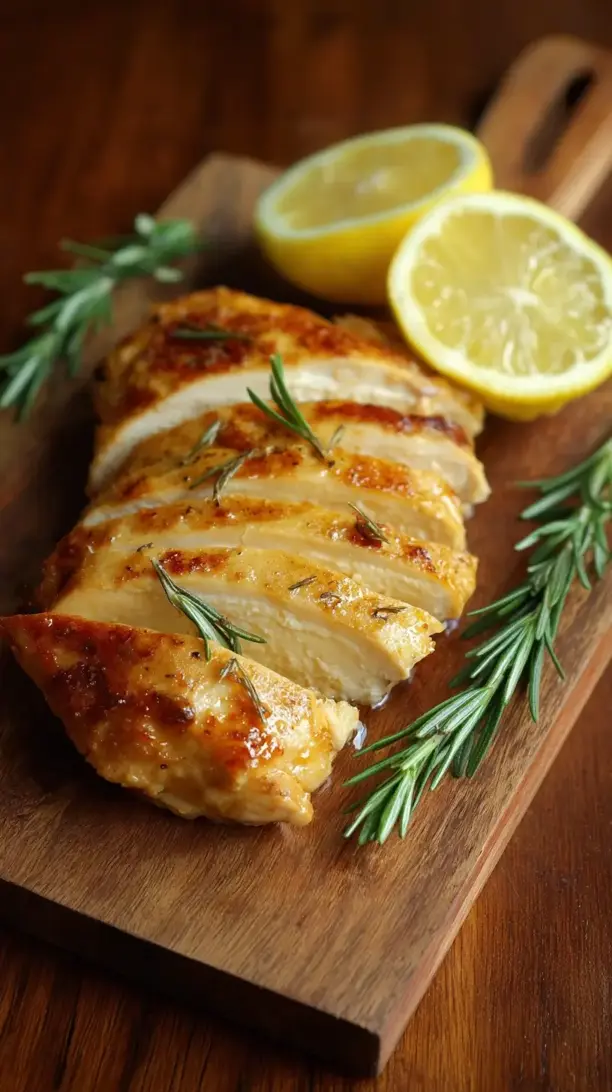
Lemon Chicken Breast
Make juicy, flavorful Lemon Chicken Breast in one pan with a vibrant lemon butter sauce. Perfect for a quick, impressive weeknight meal. Get the easy recipe now!
Ingredients
For the Ingredients
-
2 boneless, skinless chicken breasts (about 450 g total)
-
2 tbsp olive oil
-
3 garlic cloves (minced)
-
120 ml chicken broth
-
60 ml fresh lemon juice (from about 2 lemons)
-
60 ml dry white wine (like Sauvignon Blanc)
-
2 tbsp unsalted butter
-
1 tsp fresh thyme leaves
-
½ tsp salt (plus more for brining)
-
¼ tsp black pepper
-
1 tbsp chopped fresh parsley (for garnish)
-
1 Lemon slices (for serving)
Instructions
-
Start by preparing the chicken. If you have time, create a quick brine by dissolving 1 tablespoon of salt in 500 ml of warm water in a large bowl. Let it cool completely, then submerge the chicken breasts for 15 minutes. This step is optional but highly recommended for supremely juicy meat. After brining, pat the chicken completely dry with paper towels. Moisture is the enemy of a good sear! Season both sides generously with the ½ teaspoon of salt and black pepper.01
-
Heat the olive oil in your large skillet over medium-high heat. You’ll know the oil is ready when it shimmers. Carefully place the chicken breasts in the pan. You should hear a confident sizzle—that’s the sound of flavor developing. Cook for 5-7 minutes without moving them, until a beautiful golden-brown crust forms on the bottom. The edges will start to look opaque.02
-
Flip the chicken using tongs. Reduce the heat to medium and cook for another 5-8 minutes, or until the internal temperature reaches 74°C. The cooking time will depend on the thickness of your breasts. Remove the chicken from the skillet and place it on a clean plate to rest. Do not slice it yet! Resting allows the juices to redistribute throughout the meat.03
-
It’s sauce time! In the same skillet, you’ll see all those delicious browned bits stuck to the bottom. That’s fond, and it’s packed with flavor. Add the minced garlic and cook for just 30 seconds until fragrant—be careful not to burn it. Then, pour in the white wine to deglaze the pan, scraping the bottom vigorously with a wooden spoon to release all those tasty bits.04
-
Let the wine simmer and reduce by about half, which should take 1-2 minutes. You’ll notice the sharp alcohol smell will cook off. Now, add the chicken broth and fresh lemon juice. Bring the liquid to a lively simmer and let it cook for another 2-3 minutes until it thickens slightly. The sauce will become more concentrated and flavorful.05
-
Turn off the heat and stir in the cold butter and fresh thyme leaves. Swirl the pan until the butter melts completely and emulsifies into the sauce, making it rich and glossy. This technique, called mounting with butter (monter au beurre), gives the sauce a lovely texture and sheen. Taste the sauce and adjust seasoning if needed—you might want a pinch more salt or a squeeze of lemon.06
-
Return the rested chicken breasts and any accumulated juices on the plate back to the skillet, spooning the sauce over the top. Let it warm through for a minute over low heat. Garnish with the chopped fresh parsley and a few thin lemon slices for a beautiful presentation. Serve immediately, making sure to pour plenty of that incredible lemon sauce over each portion.07
Not what you're looking for?