
There’s something magical about the scent of lemon and sugar filling the kitchen on a chilly afternoon. To me, these Lemon Glazed Christmas Cookies are like little edible sunshine—a bright, zesty twist that feels both festive and refreshing. If you’re dreaming of moving beyond the usual roster of Christmas sweets, this is your invitation. I love how this easy Christmas cookie recipe turns a cozy afternoon into a holiday baking project, yielding tender, buttery festive cutout cookies that are as fun to make as they are to eat.
Whenever I’m brainstorming Christmas dessert ideas or simply craving some holiday baking inspiration, this is the recipe I turn to. It proves you don’t need any special skills to create beautiful, delicious results. Drizzling the simple lemon cookie with glaze is that final, joyful step that makes them shine. Truly, these are some of the best easy Christmas treats, perfect when you’re looking for unique Christmas cookies to grace your table.
They bring a cheerful, citrusy note to any cookie platter and have become a beloved part of our holiday cookies Christmas tradition. I hope you’ll add them to your own collection of wonderful Christmas cookies recipes. It’s these simple, homemade moments that fill the season with the comforting warmth of a true comfort food recipe.
Looking for Lemon Glazed Christmas Cookies inspiration? You'll love what we have! Explore more Christmas Cookie recipes or discover our Chicken Breast Recipes favorites.


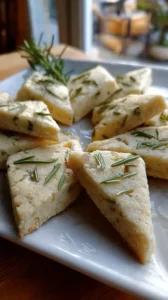
Why You’ll Love This Lemon Glazed Christmas Cookies
- Refreshing change: A bright, citrusy flavor stands out among rich holiday treats.
- Perfect texture: Wonderfully soft and melt-in-your-mouth tender with a slight crumble.
- Fun to decorate: The simple glaze is a blank canvas for festive colors and sprinkles.
- Incredible aroma: The cozy scent of baking butter, vanilla, and lemon fills your home.
Ingredients & Tools
- 225 g unsalted butter, softened at room temperature
- 150 g granulated sugar
- 1 large egg, at room temperature
- 2 tsp pure vanilla extract
- Zest of 2 medium lemons
- 315 g all-purpose flour
- 30 g cornstarch
- 1/2 tsp baking powder
- 1/4 tsp fine sea salt
- For the Glaze:
- 180 g powdered sugar, sifted
- 2-3 tbsp fresh lemon juice
- 1 tbsp light corn syrup (optional, for extra shine)
Tools: Electric hand mixer or stand mixer, rolling pin, assorted cookie cutters, baking sheets, parchment paper, wire cooling rack, zester or fine grater, sifter for powdered sugar.
Notes: Using room temperature butter and egg is non-negotiable for proper emulsification. Fresh lemon zest provides aromatic oils that bottled juice can’t replicate.
Nutrition (per serving)
| Calories: | 145 kcal |
| Protein: | 1.5 g |
| Fat: | 6 g |
| Carbs: | 22 g |
| Fiber: | 0.3 g |
Serves: 24 cookies | Prep Time: 30 minutes (plus 1 hour chilling) | Cook Time: 10-12 minutes | Total Time: 1 hour 45 minutes
Before You Start: Tips & Ingredient Notes
- Is your butter truly at room temperature? You should be able to press your finger into it easily and leave a clear indentation, but it shouldn’t be greasy or melted. If it’s too cold, your dough will be crumbly; if it’s too warm, it will be sticky and hard to roll.
- Don’t skip the cornstarch. This is our little secret weapon for an ultra-tender, soft cookie that still holds its shape. It lightens the flour’s protein content, preventing the cookies from becoming tough.
- Zest your lemons before you juice them. It is infinitely easier to zest a whole, firm lemon than a floppy, juiced one. Use a fine microplane or zester and only take the bright yellow outer layer—the white pith underneath is bitter.
- Chilling the dough is mandatory, not a suggestion. This step solidifies the butter, which prevents the cookies from spreading into puddles in the oven. It also allows the flour to fully hydrate, resulting in a more consistent texture and cleaner edges when cut.
How to Make Lemon Glazed Christmas Cookies
Step 1: In the bowl of a stand mixer fitted with the paddle attachment (or using a hand mixer), cream together the softened butter and granulated sugar on medium-high speed for about 3-4 minutes. You’re looking for the mixture to become very pale, fluffy, and almost whipped in texture. This step is crucial for incorporating air, which gives the cookies their lovely lightness.
Step 2: Scrape down the sides of the bowl with a spatula. Add the room-temperature egg, vanilla extract, and the fresh lemon zest. Mix on medium speed until everything is fully combined, about another minute. The mixture might look a little curdled at this point—that’s perfectly normal, so don’t worry.
Step 3: In a separate medium bowl, whisk together the all-purpose flour, cornstarch, baking powder, and salt. With the mixer on low speed, gradually add the dry ingredients to the wet ingredients. Mix just until the flour streaks disappear and a soft dough forms. Be careful not to overmix, as this can develop the gluten and make the cookies tough.
Step 4: Turn the dough out onto a clean work surface and gently bring it together into a cohesive ball with your hands. Divide the dough in half, flatten each half into a 1-inch thick disc, and wrap each one tightly in plastic wrap. Refrigerate for at least 1 hour, or up to 2 days. The dough needs to be firm to the touch before rolling.
Step 5: Preheat your oven to 175°C (350°F) and line two baking sheets with parchment paper. Take one disc of dough from the fridge and let it sit on the counter for 5-10 minutes to become just pliable enough to roll. On a lightly floured surface, roll the dough out to about a 1/4-inch thickness.
Step 6: Dip your cookie cutters in a little extra flour to prevent sticking, then press them firmly into the dough. Transfer the cut-out shapes to the prepared baking sheets, leaving about an inch between them as they won’t spread much. Re-roll the scraps and continue cutting. If the dough becomes too soft, pop it back in the fridge for 10 minutes.
Step 7: Bake the cookies for 10-12 minutes, rotating the trays halfway through. They are done when the edges are just barely starting to turn a very light golden brown. The centers should still look soft and set, but not wet. You’ll notice a beautiful, faint golden hue around the bottom edges.
Step 8: Let the cookies cool on the baking sheet for 5 minutes before transferring them to a wire rack to cool completely. This step is vital—if you glaze warm cookies, the icing will just melt and slide right off. They must be completely cool to the touch.
Step 9: To make the glaze, whisk the sifted powdered sugar, 2 tablespoons of lemon juice, and the corn syrup (if using) in a medium bowl. The consistency should be thick but pourable—like a heavy cream. If it’s too thick, add more lemon juice, a teaspoon at a time. If it’s too thin, add a bit more powdered sugar.
Step 10: You can dip the top of each cookie directly into the glaze, or use a spoon to drizzle it over. Let the excess drip off, then place the cookie back on the wire rack. If you’re adding sprinkles, do it immediately before the glaze sets. Allow the glaze to harden completely, which will take about an hour, before storing.
Storage & Freshness Guide
- Fridge: Not recommended; refrigeration can make cookies damp.
- Freezer: Freeze unglazed baked cookies for up to 3 months in an airtight container.
- Reviving: If cookies soften, refresh in a 300°F oven for 3-5 minutes to crisp.
Serving Suggestions
Complementary Dishes
- A simple cheese board — The sharp, salty notes of a good aged cheddar or creamy brie provide a fantastic savory counterpoint to the sweet and tangy cookies, making for a sophisticated holiday nibble.
- Peppermint hot chocolate — The cool mint and rich chocolate create a classic winter flavor pairing with the lemon, offering a cozy and comforting drink to enjoy alongside your cookie.
- Spiced roasted nuts — A bowl of warm nuts tossed with rosemary, brown sugar, and a pinch of cayenne adds a warm, savory-spicy element that beautifully contrasts the cookie’s bright citrus and sweetness.
Drinks
- Earl Grey tea — The bergamot in the tea is a citrus cousin to the lemon, creating a harmonious and elegant flavor echo that feels both refreshing and calming.
- Prosecco or a dry sparkling wine — The bubbles and acidity in a glass of fizz cut through the sweetness of the glaze beautifully, cleansing the palate and making each bite of cookie taste fresh again.
- Iced herbal tea with mint — For a non-alcoholic option, a cool, refreshing mint tea highlights the citrus notes and feels like a little burst of summer in the middle of winter.
Something Sweet
- Dark chocolate truffles — The deep, bitter intensity of dark chocolate provides a rich and decadent contrast that makes the lemon flavor in the cookies pop even more.
- Vanilla bean panna cotta — The creamy, smooth, and subtle flavor of vanilla is a lovely, simple partner that doesn’t compete with the lemon but instead provides a luxurious, cool textural contrast.
- Cranberry orange scones — The tart berries and orange in the scones continue the fruity, festive theme, creating a delightful breakfast or afternoon tea spread that feels cohesive and special.
Top Mistakes to Avoid
- Mistake: Using cold butter. If your butter isn’t properly softened, it won’t cream properly with the sugar. This means less air is incorporated, leading to a denser, flatter cookie that lacks that lovely melt-in-your-mouth quality.
- Mistake: Rolling the dough too thin. Aim for that 1/4-inch thickness. If you go thinner, the cookies can become crisp and brittle instead of soft and tender. If you go thicker, they might not cook through evenly and could be doughy in the middle.
- Mistake: Glazing warm cookies. I’ve been impatient and done this myself, and it’s always a mess. The heat from the cookie thins the glaze instantly, causing it to run off the sides and pool around the base instead of forming a beautiful, opaque coating on top.
- Mistake: Overbaking. These cookies continue to set as they cool on the tray. If you wait for them to look golden brown on top, they’ll be overdone and dry. Pull them out when the edges are just barely tan.
Expert Tips
- Tip: For the most vibrant lemon flavor, rub the lemon zest into the sugar before you start creaming it with the butter. The coarse sugar crystals help to rupture the zest’s oil sacs, releasing every last drop of that incredible citrus essence directly into your dough.
- Tip: If you’re in a hurry, you can roll the dough out between two sheets of parchment paper before chilling. This way, it’s already the right thickness and you can just peel off the top sheet and start cutting as soon as it’s firm.
- Tip: To achieve a perfectly smooth, professional-looking glaze, always sift your powdered sugar. This breaks up any lumps that would otherwise create a grainy, unattractive texture on your beautiful cookies.
- Tip: For a more complex flavor, add a tiny pinch of cardamom or a scrape of vanilla bean to the dough. These warm, floral notes play surprisingly well with the lemon and add a subtle, sophisticated depth that will have people wondering what your secret is.
FAQs
Can I make the dough ahead of time?
Absolutely! The dough discs can be wrapped tightly and refrigerated for up to 2 days. You can also freeze them for up to 3 months. If freezing, wrap the plastic-wrapped discs in a layer of foil. When you’re ready to bake, let the dough thaw overnight in the fridge, then let it sit at room temperature for 10-15 minutes until it’s rollable. This make-ahead step is a lifesaver during the busy holiday season.
Why did my cookies spread too much?
This almost always comes down to the butter being too warm or the dough not being chilled long enough. If your kitchen is particularly warm, the butter in the dough can soften quickly during rolling. If you notice the shapes starting to look soft or lose definition, pop the entire baking sheet with the cut-out cookies into the freezer for 5-10 minutes before baking. This re-solidifies the butter and guarantees they’ll hold their shape.
My glaze is too runny/thick. How can I fix it?
Glaze consistency is everything. If it’s too runny and slides right off the cookie, whisk in more sifted powdered sugar, a tablespoon at a time, until it thickens. If it’s too thick and doesn’t drizzle smoothly, add more lemon juice just a teaspoon at a time. You’re aiming for a “10-second” glaze—when you drizzle a ribbon of it back into the bowl, it should hold its shape for about 10 seconds before blending back in.
Can I flavor the glaze with something other than lemon?
Of course! While lemon is classic, you can get creative. Replace the lemon juice with milk or heavy cream for a plain vanilla glaze. For an orange version, use fresh orange juice and a bit of zest. A drop of almond or peppermint extract can also be lovely—just start with a very small amount, as these flavors are potent. The corn syrup is still recommended for that professional shine.
How should I store these cookies and how long do they last?
Once the glaze has fully hardened, store the cookies in a single layer in an airtight container at room temperature. You can place parchment paper between layers if you need to stack them. They will keep beautifully for up to 5 days. The glaze may soften slightly over time, but the flavor and texture of the cookie will remain excellent. I do not recommend refrigerating them, as it can cause the cookies to become damp.




Lemon Glazed Christmas Cookies: An Easy Holiday Treat
Brighten your holiday baking with these Lemon Glazed Christmas Cookies. This easy Christmas cookie recipe offers a zesty, refreshing twist on classic holiday sweets.
Ingredients
For the Cookies:
-
225 g unsalted butter (softened at room temperature)
-
150 g granulated sugar
-
1 large egg (at room temperature)
-
2 tsp pure vanilla extract
-
Zest of 2 medium lemons
-
315 g all-purpose flour
-
30 g cornstarch
-
1/2 tsp baking powder
-
1/4 tsp fine sea salt
For the Glaze:
-
180 g powdered sugar (sifted)
-
2-3 tbsp fresh lemon juice
-
1 tbsp light corn syrup (optional, for extra shine)
Instructions
-
In the bowl of a stand mixer fitted with the paddle attachment (or using a hand mixer), cream together the softened butter and granulated sugar on medium-high speed for about 3-4 minutes. You’re looking for the mixture to become very pale, fluffy, and almost whipped in texture. This step is crucial for incorporating air, which gives the cookies their lovely lightness.01
-
Scrape down the sides of the bowl with a spatula. Add the room-temperature egg, vanilla extract, and the fresh lemon zest. Mix on medium speed until everything is fully combined, about another minute. The mixture might look a little curdled at this point—that’s perfectly normal, so don’t worry.02
-
In a separate medium bowl, whisk together the all-purpose flour, cornstarch, baking powder, and salt. With the mixer on low speed, gradually add the dry ingredients to the wet ingredients. Mix just until the flour streaks disappear and a soft dough forms. Be careful not to overmix, as this can develop the gluten and make the cookies tough.03
-
Turn the dough out onto a clean work surface and gently bring it together into a cohesive ball with your hands. Divide the dough in half, flatten each half into a 1-inch thick disc, and wrap each one tightly in plastic wrap. Refrigerate for at least 1 hour, or up to 2 days. The dough needs to be firm to the touch before rolling.04
-
Preheat your oven to 175°C (350°F) and line two baking sheets with parchment paper. Take one disc of dough from the fridge and let it sit on the counter for 5-10 minutes to become just pliable enough to roll. On a lightly floured surface, roll the dough out to about a 1/4-inch thickness.05
-
Dip your cookie cutters in a little extra flour to prevent sticking, then press them firmly into the dough. Transfer the cut-out shapes to the prepared baking sheets, leaving about an inch between them as they won’t spread much. Re-roll the scraps and continue cutting. If the dough becomes too soft, pop it back in the fridge for 10 minutes.06
-
Bake the cookies for 10-12 minutes, rotating the trays halfway through. They are done when the edges are just barely starting to turn a very light golden brown. The centers should still look soft and set, but not wet. You’ll notice a beautiful, faint golden hue around the bottom edges.07
-
Let the cookies cool on the baking sheet for 5 minutes before transferring them to a wire rack to cool completely. This step is vital—if you glaze warm cookies, the icing will just melt and slide right off. They must be completely cool to the touch.08
-
To make the glaze, whisk the sifted powdered sugar, 2 tablespoons of lemon juice, and the corn syrup (if using) in a medium bowl. The consistency should be thick but pourable—like a heavy cream. If it’s too thick, add more lemon juice, a teaspoon at a time. If it’s too thin, add a bit more powdered sugar.09
-
You can dip the top of each cookie directly into the glaze, or use a spoon to drizzle it over. Let the excess drip off, then place the cookie back on the wire rack. If you’re adding sprinkles, do it immediately before the glaze sets. Allow the glaze to harden completely, which will take about an hour, before storing.10
Not what you're looking for?


