This lemon pasta is a deceptively simple dish that sings with bright, fresh flavor. It’s creamy without heavy cream and comes together in under 20 minutes for an elegant yet effortless meal. The magic is in the balance of sunny lemon acidity and a rich, silky sauce clinging to perfectly cooked pasta.
Love Lemon Pasta? So do we! If you're into Dinner Ideas or curious about Crockpot Recipes, you'll find plenty of inspiration below.


Why You’ll Love This Lemon Pasta
- Fresh & Vibrant: Lemon zest and juice transform the dish.
- Under 20 Minutes: A true weeknight hero from pot to plate.
- Creamy Without Cream: Emulsified sauce is luxuriously silky.
- Endlessly Adaptable: A fantastic canvas for add-ins.
Ingredients & Tools
- 400 g long pasta like linguine, spaghetti, or tagliatelle
- 2 large, unwaxed lemons
- 75 g unsalted butter, cubed and cold
- 100 g freshly grated Parmigiano-Reggiano or Pecorino Romano, plus more for serving
- 1 large clove of garlic, lightly smashed
- Fine sea salt and freshly cracked black pepper to taste
- A small handful of fresh flat-leaf parsley, finely chopped (optional, for garnish)
Tools: A large pot for pasta, a microplane or fine zester, a large skillet or pan that can hold the pasta.
Notes: The quality of your ingredients really shines here, so don’t skimp. Freshly grated cheese is non-negotiable—the pre-grated stuff often contains anti-caking agents that can make your sauce grainy. And using cold butter, cubed, is the secret to a smooth, emulsified sauce that won’t break.
Nutrition (per serving)
| Calories: | 520 kcal |
| Protein: | 18 g |
| Fat: | 22 g |
| Carbs: | 62 g |
| Fiber: | 4 g |
Serves: 4 | Prep Time: 5 minutes | Cook Time: 12 minutes | Total Time: 17 minutes
Before You Start: Tips & Ingredient Notes
- Zest First, Juice Second. Always zest your lemons before you juice them. It’s nearly impossible to zest a juiced lemon half, and this little sequence saves you a lot of frustration.
- The Pasta Water is Liquid Gold. Do not discard it! The starchy, salty water is the key to creating a silky, emulsified sauce that perfectly coats the pasta. You’ll need about a cup, so reserve it just before you drain.
- Why Cold Butter? Using cold, cubed butter and adding it off the heat helps it melt slowly and emulsify into the pasta water and cheese, creating a smooth, creamy texture. If the butter is melted too quickly, the sauce can separate and become oily.
- Choose Your Cheese Wisely. Parmigiano-Reggiano offers a nutty, salty depth, while Pecorino Romano is sharper and saltier. Both work beautifully, so it’s a matter of personal preference. Just please, grate it yourself!
How to Make Lemon Pasta
Step 1: Bring a large pot of well-salted water to a rolling boil. You want the water to taste like the sea—this is your only chance to season the pasta itself from the inside out. While it’s heating, zest both lemons and then juice them. You’re aiming for about ¼ to ⅓ cup of fresh juice. Grate your cheese if you haven’t already, and cube that butter. Having everything prepped and ready (your *mise en place*) is crucial because the sauce comes together very quickly at the end.
Step 2: Add your pasta to the boiling water and cook according to the package directions for *al dente*. About two minutes before the pasta is done, you’ll start the sauce. Take your large skillet and place it over low heat. Add the smashed garlic clove and let it gently warm in the dry pan for a minute or two until it becomes fragrant. You’re not looking to brown it, just to infuse the pan with a subtle garlic aroma. Remove and discard the garlic clove.
Step 3: Right before draining the pasta, scoop out about one full cup of the starchy pasta water. This is your sauce-maker! Turn off the heat under your skillet. Add about ½ cup of the reserved pasta water to the warm skillet, followed by all of the fresh lemon juice. It will sizzle a bit—that’s a good sign. Swirl the pan to combine.
Step 4: Using tongs, transfer the cooked pasta directly from the pot into the skillet. Don’t drain it in a colander—a little extra water clinging to the pasta is helpful. Toss the pasta in the lemon-water mixture, letting the starches start to work their magic. The liquid in the pan will look a bit thin and separate at this stage; that’s perfectly normal.
Step 5: Now for the emulsification. Scatter your cold, cubed butter and about half of the grated cheese over the pasta. Start tossing and stirring vigorously. You’ll notice the sauce beginning to come together, turning opaque and creamy as the butter melts and the cheese incorporates. If the sauce seems too thick or tight, add another splash of the reserved pasta water. The goal is a loose, silky sauce that pools slightly at the bottom of the pan.
Step 6: Once the butter and cheese are fully incorporated, add almost all of the lemon zest (save a little for garnish) and a generous amount of black pepper. Toss everything one more time until the pasta is gloriously coated. Taste it—this is the moment of truth. Adjust with more salt, pepper, or even a tiny extra squeeze of lemon if you feel it needs more brightness.
Step 7: Serve immediately. Divide the pasta among warm bowls, top with the remaining cheese, a sprinkle of the reserved lemon zest, the optional parsley, and one last crack of black pepper. The heat from the pasta will wilt the parsley and release its fresh aroma, making the whole dish sing. Eat it right away while it’s hot and perfectly sauced.
Storage & Freshness Guide
- Fridge: Store leftovers in an airtight container for up to 2 days. The sauce will thicken as it cools.
- Freezer: Not recommended, as the creamy emulsion may separate upon thawing.
- Reviving: Reheat gently in a skillet with a splash of water or milk, tossing constantly until warm and saucy.
Serving Suggestions
Complementary Dishes
- Simple Arugula Salad with Shaved Fennel — The peppery arugula and anise-like crunch of fennel provide a fantastic textural and flavor contrast to the rich, creamy pasta.
- Pan-Seared Scallops or Shrimp — A few perfectly seared scallops or shrimp on top turns this into a restaurant-worthy main course, adding a lovely savory protein element.
- Garlicky Sautéed Greens — A side of kale or spinach quickly wilted with garlic and a pinch of chili flake adds a healthy, savory component that balances the meal.
Drinks
- A Crisp Pinot Grigio or Sauvignon Blanc — The high acidity and citrus notes in these wines mirror the flavors in the pasta, cleansing the palate beautifully between bites.
- Sparkling Water with Lemon — For a non-alcoholic option, nothing beats the simple, refreshing fizz that enhances the citrus theme without competing with it.
- A Light Italian Lager — The crisp, clean finish of a lager cuts through the richness of the sauce, making each forkful taste like the first.
Something Sweet
- Lemon Sorbet — Double down on the citrus theme with a palate-cleansing, ultra-refreshing scoop of lemon sorbet. It’s the perfect, light way to end the meal.
- Almond Biscotti — The nutty, crunchy texture of biscotti is wonderful for dipping into a cup of espresso, providing a sweet finish without being too heavy.
- Fresh Berries with Mascarpone — A handful of ripe strawberries or raspberries with a dollop of mascarpone is simple, elegant, and feels like a real treat.
Top Mistakes to Avoid
- Using Bottled Lemon Juice. The flavor is flat and often has a chemical aftertaste that will ruin the bright, fresh profile of the dish. Freshly squeezed lemon juice is absolutely essential here.
- Overcooking the Pasta. Mushy pasta won’t hold the sauce properly and makes for a sad, clumpy dish. Always cook to al dente, as it will continue to cook slightly when you toss it in the hot sauce.
- Adding the Cheese Over High Heat. High heat can cause the cheese to clump and become stringy instead of melting smoothly into the sauce. Always take the pan off the heat before adding your butter and cheese.
- Not Saving Enough Pasta Water. That starchy water is the glue that binds your sauce. If you don’t have enough, your sauce might be too thick or, worse, break. I’ve messed this up before and ended up with a buttery, oily puddle.
Expert Tips
- Tip: For an extra layer of flavor, toast your black peppercorns in a dry pan for a minute before cracking them over the finished pasta. It unlocks a deeper, more aromatic warmth that complements the lemon beautifully.
- Tip: If you want to add a protein, cook it separately and add it at the very end. Tossing raw shrimp or chicken into the sauce as it cooks will release too much liquid and dilute your carefully crafted emulsion.
- Tip: To make the dish ahead, you can prep all the components—zest, juice, grate cheese—but assemble it just before serving. The pasta is best enjoyed immediately, as the sauce can thicken and absorb as it sits.
- Tip: If your sauce does break and looks oily, don’t panic! Remove the pan from the heat, add a tablespoon of cold pasta water, and whisk vigorously. The shock of the cold water can often bring the emulsion back together.
FAQs
Can I make this dish ahead of time?
Honestly, this is one dish that’s truly best served immediately. The creamy emulsion can separate and the pasta can absorb the sauce as it sits, making it a bit gummy. If you must, you can prep all the components (zest, juice, grated cheese) and have them ready to go, but cook and assemble the pasta just before you’re ready to eat. The whole process is so fast that it’s easier to just make it fresh!
What can I use instead of butter for a dairy-free version?
You can achieve a similar creamy effect using a good quality olive oil, though the flavor profile will be different—more fruity and less rich. Start with ¼ cup of extra virgin olive oil and whisk it vigorously into the pasta water and lemon juice off the heat. For the cheesy element, a tablespoon of nutritional yeast can add a bit of that savory, umami depth.
My sauce turned out too thin/watery. How can I fix it?
No worries, this happens! The fix is simple. Place the skillet back over very low heat and let the sauce simmer for a minute, tossing the pasta constantly. The excess liquid will evaporate and the starches will further thicken the sauce. You can also add a little more grated cheese, which will help thicken it as it melts.
Can I use a different type of pasta?
Absolutely! While long pasta like linguine is classic, short shapes like rigatoni, fusilli, or orecchiette work wonderfully too. Their nooks and crannies are great for holding onto the sauce. Just be sure to reserve that pasta water, no matter what shape you choose.
Why did my sauce become grainy?
This is almost always due to using pre-grated cheese. The anti-caking agents (like potato starch or cellulose) in pre-shredded bags prevent the cheese from melting smoothly. It’s a lesson I learned the hard way! Always buy a block of Parmigiano-Reggiano or Pecorino and grate it yourself right before using. It makes all the difference in the world for a velvety sauce.



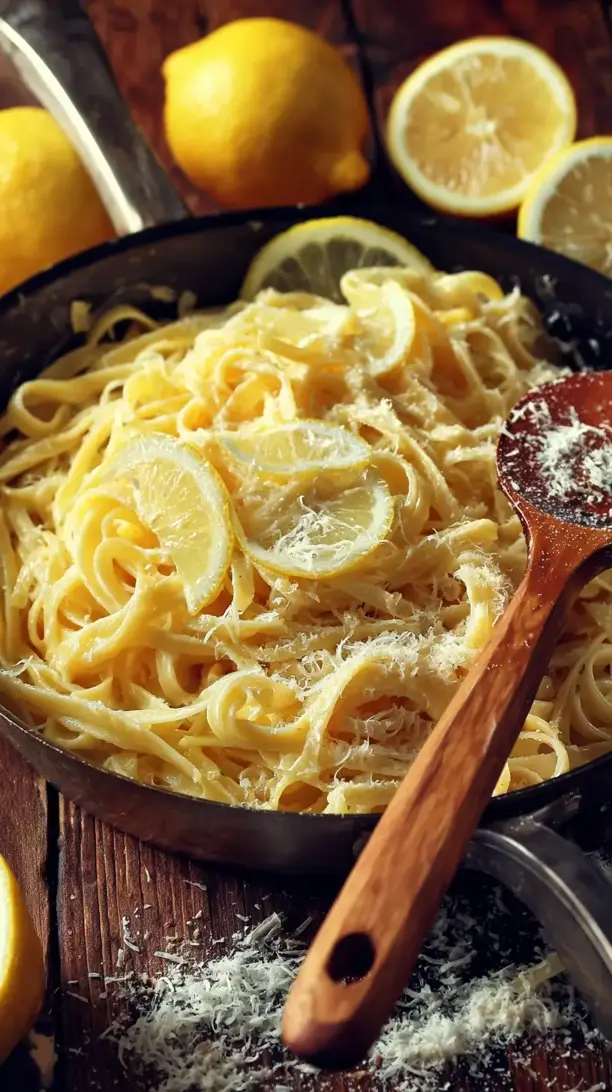
Lemon Pasta
Make this easy Lemon Pasta recipe in under 20 minutes! It's creamy, bright, and the perfect quick dinner. Get the simple, foolproof method now.
Ingredients
For the Ingredients & Tools
-
400 g long pasta (like linguine, spaghetti, or tagliatelle)
-
2 large, unwaxed lemons
-
75 g unsalted butter (cubed and cold)
-
100 g freshly grated Parmigiano-Reggiano or Pecorino Romano (plus more for serving)
-
1 large clove garlic (lightly smashed)
-
Fine sea salt and freshly cracked black pepper (to taste)
-
A small handful fresh flat-leaf parsley (finely chopped (optional, for garnish))
Instructions
-
Bring a large pot of well-salted water to a rolling boil. You want the water to taste like the sea—this is your only chance to season the pasta itself from the inside out. While it’s heating, zest both lemons and then juice them. You’re aiming for about ¼ to ⅓ cup of fresh juice. Grate your cheese if you haven’t already, and cube that butter. Having everything prepped and ready (your *mise en place*) is crucial because the sauce comes together very quickly at the end.01
-
Add your pasta to the boiling water and cook according to the package directions for *al dente*. About two minutes before the pasta is done, you’ll start the sauce. Take your large skillet and place it over low heat. Add the smashed garlic clove and let it gently warm in the dry pan for a minute or two until it becomes fragrant. You’re not looking to brown it, just to infuse the pan with a subtle garlic aroma. Remove and discard the garlic clove.02
-
Right before draining the pasta, scoop out about one full cup of the starchy pasta water. This is your sauce-maker! Turn off the heat under your skillet. Add about ½ cup of the reserved pasta water to the warm skillet, followed by all of the fresh lemon juice. It will sizzle a bit—that’s a good sign. Swirl the pan to combine.03
-
Using tongs, transfer the cooked pasta directly from the pot into the skillet. Don’t drain it in a colander—a little extra water clinging to the pasta is helpful. Toss the pasta in the lemon-water mixture, letting the starches start to work their magic. The liquid in the pan will look a bit thin and separate at this stage; that’s perfectly normal.04
-
Now for the emulsification. Scatter your cold, cubed butter and about half of the grated cheese over the pasta. Start tossing and stirring vigorously. You’ll notice the sauce beginning to come together, turning opaque and creamy as the butter melts and the cheese incorporates. If the sauce seems too thick or tight, add another splash of the reserved pasta water. The goal is a loose, silky sauce that pools slightly at the bottom of the pan.05
-
Once the butter and cheese are fully incorporated, add almost all of the lemon zest (save a little for garnish) and a generous amount of black pepper. Toss everything one more time until the pasta is gloriously coated. Taste it—this is the moment of truth. Adjust with more salt, pepper, or even a tiny extra squeeze of lemon if you feel it needs more brightness.06
-
Serve immediately. Divide the pasta among warm bowls, top with the remaining cheese, a sprinkle of the reserved lemon zest, the optional parsley, and one last crack of black pepper. The heat from the pasta will wilt the parsley and release its fresh aroma, making the whole dish sing. Eat it right away while it’s hot and perfectly sauced.07
Not what you're looking for?