This Lemon Pepper Chicken Pasta is a comforting yet bright weeknight meal. The zesty lemon and warm black pepper create a vibrant, balanced sauce that clings to tender chicken and pasta. It’s a simple, memorable dish that comes together in about 30 minutes.
If you're looking for the perfect Lemon Pepper Chicken Pasta, you're in the right place. Whether you love Dinner Ideas or want to explore our Dessert Recipes collection, we've got you covered.



Why You’ll Love This Lemon Pepper Chicken Pasta
- Quick & Easy: Ready in about 30 minutes with minimal ingredients.
- Perfect Flavor Balance: Bright lemon and earthy pepper create a classic pairing.
- Versatile Base: Easily adapt with spinach, sun-dried tomatoes, or red pepper flakes.
- Light & Satisfying: A fresh pan sauce feels comforting without being overly rich.
Ingredients & Tools
- 350 g linguine or spaghetti
- 2 large boneless, skinless chicken breasts (about 500 g)
- 3 tbsp olive oil, divided
- 1 tbsp freshly cracked black pepper
- 1 tsp fine sea salt, plus more for pasta water
- 4 cloves garlic, minced
- Zest and juice of 2 medium lemons
- 120 ml dry white wine (like Sauvignon Blanc)
- 60 g freshly grated Parmesan cheese, plus more for serving
- Small handful fresh parsley, chopped
Tools: A large pot for boiling pasta, a large skillet (preferably stainless steel or cast iron), a microplane or zester, tongs.
Notes: Use freshly squeezed lemon juice and coarsely ground black pepper for the most vibrant result. Don’t be shy with the pepper—it’s a star.
Nutrition (per serving)
| Calories: | 580 kcal |
| Protein: | 38 g |
| Fat: | 16 g |
| Carbs: | 68 g |
| Fiber: | 4 g |
Serves: 4 | Prep Time: 10 minutes | Cook Time: 20 minutes | Total Time: 30 minutes
Before You Start: Tips & Ingredient Notes
- Why is the pasta water so important? The starchy, salted water you cook the pasta in is the secret to a silky, emulsified sauce. It helps the lemon juice, oil, and cheese come together into a creamy consistency that clings to the pasta beautifully. Always reserve a cup before draining.
- Can I use pre-ground black pepper? Honestly, I really don’t recommend it. The flavor of pre-ground pepper is much milder and less complex. Freshly cracking whole peppercorns gives you a more potent, aromatic spice that stands up to the lemon.
- What’s the best cut of chicken? Chicken breasts are lean and cook quickly, which is perfect for this recipe. For even more flavor and tenderness, you could use chicken thighs. Just be aware they will take a few minutes longer to cook through.
- Is the white wine necessary? It adds a wonderful depth of flavor and acidity that balances the dish, but if you prefer not to use it, you can substitute it with an equal amount of chicken broth and a extra tablespoon of lemon juice.
How to Make Lemon Pepper Chicken Pasta
Step 1: Start by bringing a large pot of generously salted water to a rolling boil for your pasta. While it heats up, prepare your chicken. Pat the chicken breasts completely dry with paper towels—this is key for getting a good sear. Slice them into 1-inch thick strips or bite-sized chunks. In a medium bowl, toss the chicken pieces with 1 tablespoon of the olive oil, the freshly cracked black pepper, and 1 teaspoon of salt. Make sure every piece is well-coated.
Step 2: Cook your pasta according to the package directions for al dente. This usually takes about 8-10 minutes. Just before you drain it, be sure to scoop out about one cup of the starchy pasta water and set it aside. This is liquid gold for your sauce! Drain the pasta but do not rinse it; you want all that starch to remain.
Step 3: While the pasta cooks, heat the remaining 2 tablespoons of olive oil in a large skillet over medium-high heat. Once the oil is shimmering, add the seasoned chicken in a single layer, making sure not to overcrowd the pan. You might need to do this in two batches. Cook for about 4-5 minutes per side, until the chicken is golden brown and cooked through. You’ll notice a fantastic peppery aroma filling your kitchen. Remove the chicken from the skillet and set it aside on a plate.
Step 4: Reduce the heat to medium and add the minced garlic to the same skillet. Sauté for just about 30 seconds to one minute until it becomes fragrant—be careful not to let it burn, or it will turn bitter. Now, pour in the white wine to deglaze the pan, using a wooden spoon to scrape up all those delicious browned bits from the chicken from the bottom of the pan. Let the wine simmer and reduce by about half, which should take 2-3 minutes.
Step 5: Add the lemon zest and lemon juice to the skillet, stirring to combine. Now, here’s where the magic happens. Add the drained pasta directly into the skillet along with about half a cup of the reserved pasta water. Toss everything together continuously. The sauce will start to look creamy and glossy as the starch emulsifies with the liquid. If it looks a bit dry, add more pasta water a splash at a time until you get a silky sauce that coats every strand.
Step 6: Turn off the heat. Add the cooked chicken back into the skillet, along with the freshly grated Parmesan cheese and most of the chopped parsley. Toss everything gently one last time until the cheese is melted and incorporated, and the chicken is heated through. The residual heat is enough to melt the cheese perfectly without making it clumpy. Give it a final taste and adjust seasoning with more salt or pepper if needed.
Storage & Freshness Guide
- Fridge: Store in an airtight container for up to 3 days.
- Freezer: Freeze in a sealed container for up to 2 months (sauce may separate slightly upon thawing).
- Reviving: Reheat gently in a skillet with a splash of water or broth to loosen the sauce.
Serving Suggestions
Complementary Dishes
- A simple arugula salad — The peppery bite of arugula dressed with just a squeeze of lemon and a drizzle of olive oil mirrors the flavors in the pasta and adds a fresh, crisp contrast.
- Garlic bread or focaccia — It’s perfect for sopping up every last bit of the delicious lemony sauce left on your plate. You really can’t go wrong.
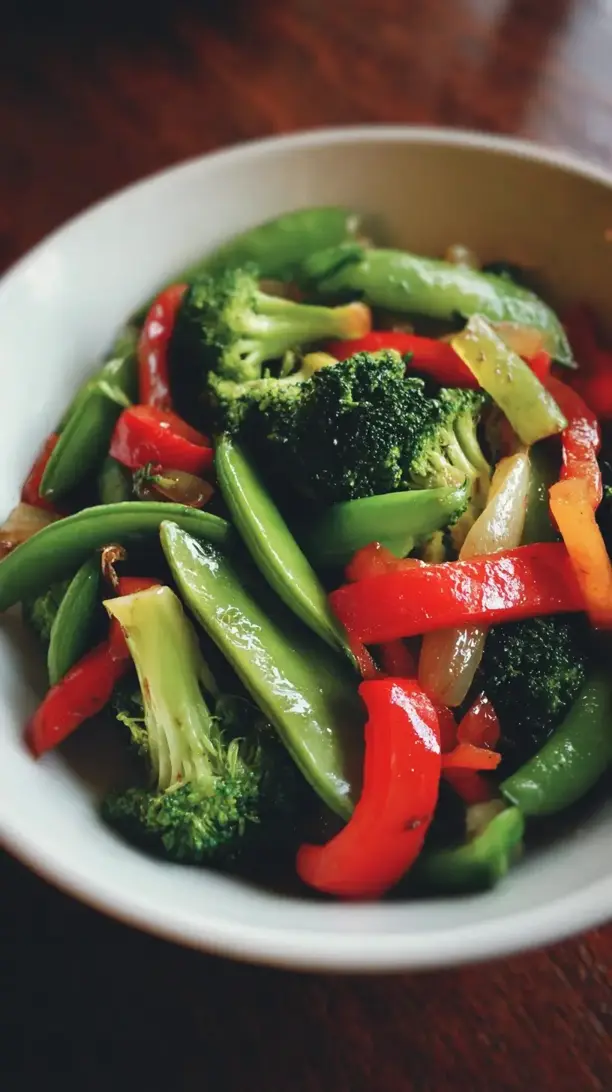
- Roasted asparagus or broccoli — The slight char and earthy flavor of roasted vegetables pair wonderfully with the bright, zesty notes of the main dish.
Drinks
- A crisp Sauvignon Blanc — Its citrusy and herbal notes are a natural match for the lemon and pepper in the pasta, enhancing the overall dining experience.
- A light Italian lager — The clean, crisp finish of a beer like Peroni helps cleanse the palate between bites without overpowering the dish’s delicate flavors.
- Sparkling water with lemon — A non-alcoholic option that continues the citrus theme and provides a refreshing, bubbly contrast.
Something Sweet
- Lemon sorbet — It’s a classic, palate-cleansing finish that doubles down on the citrus theme in the most refreshing way imaginable.
- Panna Cotta with a berry coulis — The creamy, delicate texture and slight sweetness of the panna cotta provide a lovely, gentle end to the meal.
- Almond biscotti — Their nutty crunch and not-too-sweet flavor are perfect for dipping into a cup of espresso after you’ve finished your pasta.
Top Mistakes to Avoid
- Overcooking the chicken. Chicken breasts can go from juicy to dry and tough in a matter of minutes. Cook them just until they reach 165°F (74°C) internally and then remove them from the pan immediately. They’ll continue to carryover cook a little while resting.
- Skipping the step of reserving pasta water. I’ve messed this up before too, and you end up with a sauce that’s too thick or, worse, separated. The starchy water is the essential binder that creates a silky, restaurant-quality sauce.
- Using bottled lemon juice. The flavor is flat and often has a preservative aftertaste that will dull your entire dish. Freshly squeezed lemon juice is non-negotiable for the vibrant, bright flavor we’re after.
- Adding the cheese over high heat. If the skillet is too hot when you add the Parmesan, it can seize up and become clumpy or oily instead of melting smoothly into the sauce. Always take the pan off the heat first.
Expert Tips
- Tip: For an extra layer of flavor, toast your peppercorns in a dry skillet for a minute before cracking them. This deepens their aroma and adds a subtle smokiness that is just incredible.
- Tip: Let your chicken come to room temperature for 15-20 minutes before cooking. This helps it cook more evenly, preventing a burnt outside and a raw inside.
- Tip: If you want to make the sauce even creamier without heavy cream, stir in a tablespoon of cold butter at the very end, after you’ve turned off the heat. It will melt into the sauce, adding a lovely richness and sheen.
- Tip: Zest your lemons before you juice them! It’s infinitely easier to zest a whole, firm lemon than one that’s been squeezed and is all floppy.
FAQs
Can I make this Lemon Pepper Chicken Pasta ahead of time?
You can prep the components ahead, but I’d recommend assembling it just before serving. Cook the chicken and have your ingredients measured. The pasta is best fresh because it can absorb the sauce and become a bit stodgy if left to sit. If you do have leftovers, reheat them gently in a skillet with a splash of water or broth to loosen the sauce back up.
What can I use instead of white wine?
No problem! An equal amount of chicken broth is a great substitute. To mimic the acidity of the wine, just add an extra tablespoon of fresh lemon juice to the sauce. You could also use a non-alcoholic wine if you have it on hand. The goal is just to get that layer of flavor from deglazing the pan.
Is it possible to make this dish gluten-free?
Absolutely. Just use your favorite gluten-free pasta. The brand matters here—look for one made with brown rice or a blend, as they tend to hold their shape and texture better. The rest of the recipe is naturally gluten-free, so it’s a very easy swap.
My sauce turned out too watery. How can I fix it?
This can happen if you add too much pasta water at once. The fix is simple: let the pasta simmer in the sauce for another minute or two over medium heat. The excess liquid will evaporate and the starch from the pasta will continue to thicken it. You can also add a little more grated Parmesan to help thicken it up.
Can I use a different type of pasta?
Of course! While long pasta like linguine and spaghetti are classic, short shapes like penne, fusilli, or farfalle work wonderfully too. Their nooks and crannies are great for holding onto the sauce. Just be sure to adjust the cooking time according to the package directions for your chosen shape.


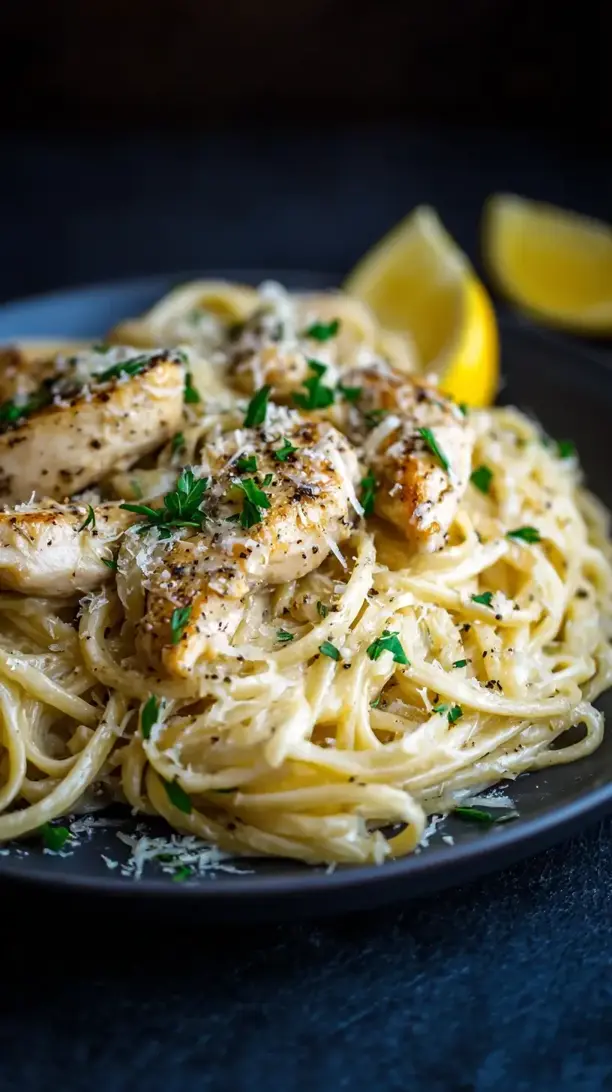
Lemon Pepper Chicken Pasta
Make this easy Lemon Pepper Chicken Pasta in just 30 minutes! A zesty, creamy sauce coats tender chicken and pasta. Get the simple, delicious recipe now.
Ingredients
For the Ingredients
-
350 g linguine or spaghetti
-
2 large boneless, skinless chicken breasts (about 500 g)
-
3 tbsp olive oil (divided)
-
1 tbsp freshly cracked black pepper
-
1 tsp fine sea salt (plus more for pasta water)
-
4 cloves garlic (minced)
-
Zest and juice of lemons (2 medium)
-
120 ml dry white wine (like Sauvignon Blanc)
-
60 g freshly grated Parmesan cheese (plus more for serving)
-
1 small handful fresh parsley (chopped)
Instructions
-
Start by bringing a large pot of generously salted water to a rolling boil for your pasta. While it heats up, prepare your chicken. Pat the chicken breasts completely dry with paper towels—this is key for getting a good sear. Slice them into 1-inch thick strips or bite-sized chunks. In a medium bowl, toss the chicken pieces with 1 tablespoon of the olive oil, the freshly cracked black pepper, and 1 teaspoon of salt. Make sure every piece is well-coated.01
-
Cook your pasta according to the package directions for al dente. This usually takes about 8-10 minutes. Just before you drain it, be sure to scoop out about one cup of the starchy pasta water and set it aside. This is liquid gold for your sauce! Drain the pasta but do not rinse it; you want all that starch to remain.02
-
While the pasta cooks, heat the remaining 2 tablespoons of olive oil in a large skillet over medium-high heat. Once the oil is shimmering, add the seasoned chicken in a single layer, making sure not to overcrowd the pan. You might need to do this in two batches. Cook for about 4-5 minutes per side, until the chicken is golden brown and cooked through. You’ll notice a fantastic peppery aroma filling your kitchen. Remove the chicken from the skillet and set it aside on a plate.03
-
Reduce the heat to medium and add the minced garlic to the same skillet. Sauté for just about 30 seconds to one minute until it becomes fragrant—be careful not to let it burn, or it will turn bitter. Now, pour in the white wine to deglaze the pan, using a wooden spoon to scrape up all those delicious browned bits from the chicken from the bottom of the pan. Let the wine simmer and reduce by about half, which should take 2-3 minutes.04
-
Add the lemon zest and lemon juice to the skillet, stirring to combine. Now, here’s where the magic happens. Add the drained pasta directly into the skillet along with about half a cup of the reserved pasta water. Toss everything together continuously. The sauce will start to look creamy and glossy as the starch emulsifies with the liquid. If it looks a bit dry, add more pasta water a splash at a time until you get a silky sauce that coats every strand.05
-
Turn off the heat. Add the cooked chicken back into the skillet, along with the freshly grated Parmesan cheese and most of the chopped parsley. Toss everything gently one last time until the cheese is melted and incorporated, and the chicken is heated through. The residual heat is enough to melt the cheese perfectly without making it clumpy. Give it a final taste and adjust seasoning with more salt or pepper if needed.06
Not what you're looking for?