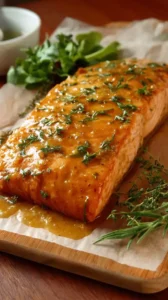
This Lemon Pepper Tilapia is a bright, flaky dish that comes together in minutes. The zesty lemon and aromatic black pepper create a vibrant crust, while the mild tilapia soaks up all the flavor. It’s a healthy, delicious, and easy dinner that feels a little fancy.
Craving a delicious Lemon Pepper Tilapia? You've come to the right spot! From Dinner Ideas favorites to amazing Burgers recipes, there's something here for everyone.


Why You’ll Love This Lemon Pepper Tilapia
- Quick & Easy: From fridge to plate in under 20 minutes.
- Bright & Balanced: Fresh lemon and cracked pepper create a sophisticated taste.
- Healthy Choice: Lean protein pan-seared with just a bit of oil.
- Incredibly Versatile: Pairs beautifully with salads, rice, or tacos.
Ingredients & Tools
- 4 tilapia fillets (about 6 oz / 170 g each)
- 2 tbsp olive oil, divided
- 2 medium lemons
- 2 tsp freshly cracked black pepper
- 1 tsp garlic powder
- 1 tsp onion powder
- 3/4 tsp fine sea salt
- 2 tbsp unsalted butter
- 2 tbsp fresh parsley, finely chopped
Tools: A large (preferably 12-inch) non-stick or cast-iron skillet, microplane or zester, tongs.
Notes: Don’t be tempted to use bottled lemon juice here—the fresh zest and juice are non-negotiable for that vibrant, aromatic quality. And when I say freshly cracked pepper, I really mean it; the pre-ground stuff just doesn’t have the same potent, floral aroma that makes this dish so special.
Nutrition (per serving)
| Calories: | 245 kcal |
| Protein: | 28 g |
| Fat: | 13 g |
| Carbs: | 4 g |
| Fiber: | 1 g |
Serves: 4 | Prep Time: 8 minutes | Cook Time: 10 minutes | Total Time: 18 minutes
Before You Start: Tips & Ingredient Notes
- Pat your fish completely dry. This is the single most important step for getting a beautiful, golden sear instead of a steamed, pale fillet. Use paper towels and press gently to remove all surface moisture.
- Freshly crack your pepper. The oils and complex flavors in freshly cracked black pepper are what give this dish its signature warmth and depth. Pre-ground pepper tends to be dusty and one-dimensional in comparison.
- Zest your lemons before juicing them. It is infinitely easier to zest a whole, firm lemon than it is to wrestle with a juiced, floppy half. Trust me on this one—it’s a small step that saves a lot of frustration.
- Let the fish sit at room temperature. Taking the tilapia out of the fridge about 10-15 minutes before cooking helps it cook more evenly, preventing a cold center and an overcooked exterior.
How to Make Lemon Pepper Tilapia
Step 1: Start by prepping your flavor base. Zest one of the lemons until you have about a tablespoon of bright yellow zest. Then, juice both lemons—you’re aiming for roughly a quarter cup of fresh juice. Set these aside separately. In a small bowl, combine the lemon zest, cracked black pepper, garlic powder, onion powder, and salt. This is your powerhouse dry rub.
Step 2: Now, prepare the fish. Use several paper towels to pat the tilapia fillets completely dry on all sides. This is non-negotiable for a good sear. Drizzle one tablespoon of the olive oil over the fish and rub it gently over both sides. Then, generously season both sides of each fillet with the lemon pepper spice mix, pressing it gently into the flesh so it adheres.
Step 3: It’s time to cook. Place your large skillet over medium-high heat and add the remaining tablespoon of olive oil. Once the oil is shimmering hot—you’ll see it thin out and move easily in the pan—carefully lay the tilapia fillets in, not crowding them. You may need to cook in two batches. They should sizzle the moment they touch the pan. Cook for 3 to 4 minutes, without moving them, until a beautiful golden-brown crust forms on the bottom.
Step 4: Now, flip those fillets. You’ll notice the edges have turned opaque. Gently slide your tongs under each one and flip them over. Cook for another 2 to 3 minutes on the second side. The fish is done when it’s opaque throughout and flakes easily with a fork. Be careful not to overcook, as tilapia can go from perfectly flaky to dry quite quickly.
Step 5: Transfer the cooked fish to a clean plate. Reduce the heat to low and add the butter to the now-empty skillet. As it melts, use a spatula to scrape up any of the delicious browned bits from the bottom of the pan. Those bits are pure flavor gold. Pour in the fresh lemon juice—it will bubble and sizzle wonderfully—and stir everything together to create a simple, vibrant pan sauce.
Step 6: To finish, turn off the heat. Stir the fresh parsley into the lemon-butter sauce. Then, pour this gorgeous, fragrant sauce directly over the plated tilapia fillets. Give it one last sprinkle of fresh black pepper for good measure, and serve immediately while it’s hot and flaky.
Storage & Freshness Guide
- Fridge: Store cooled leftovers in an airtight container for up to 2 days.
- Freezer: Not recommended; the texture becomes watery upon thawing.
- Reviving: Reheat in a 275°F (135°C) oven for 10-15 minutes until warmed through.
Serving Suggestions
Complementary Dishes
- Jasmine Rice or Quinoa — The mild, fluffy grains are the perfect canvas for soaking up every last drop of that lemony, buttery pan sauce.
- Simple Arugula Salad — The peppery bite of arugula dressed with just a squeeze of lemon and a drizzle of olive oil complements the fish without competing for attention.
- Roasted Asparagus — The earthy, slightly charred flavor of asparagus is a classic partner for lemon and pepper, making for a truly cohesive plate.
Drinks
- A Crisp Sauvignon Blanc — Its bright acidity and citrus notes mirror the flavors in the dish, cleansing the palate with every sip.
- Sparkling Water with Lemon — A non-alcoholic option that amplifies the citrus theme and provides a refreshing, bubbly contrast to the rich fish.
Something Sweet
- Lemon Sorbet — Continuing the citrus theme with a clean, palate-cleansing dessert that feels light and refreshing after the main course.
- Shortbread Cookies — Their simple, buttery sweetness provides a lovely, gentle finish that doesn’t overwhelm the delicate flavors of the meal.
Top Mistakes to Avoid
- Mistake: Not drying the fish thoroughly. Any surface moisture will instantly steam the fish instead of allowing a sear, resulting in a pale, rubbery texture rather than a crisp, golden crust.
- Mistake: Moving the fish too soon. Let it sit undisturbed for the first few minutes to develop that beautiful crust. If you try to move it early, it will stick and tear.
- Mistake: Overcooking the tilapia. It cooks very quickly. The moment it becomes opaque and flakes easily, it’s done. Any longer and it will become tough and dry.
- Mistake: Using bottled lemon juice. The flavor is flat and often bitter compared to the bright, complex acidity of freshly squeezed lemons, which is the soul of this dish.
Expert Tips
- Tip: Use a fish spatula. Its thin, slotted, and slightly angled edge is designed to slide perfectly under delicate fish fillets, making flipping effortless and preventing breakage.
- Tip: Add capers to the sauce. For a briny, salty kick that cuts through the richness, toss a tablespoon of drained capers into the pan when you’re making the lemon-butter sauce.
- Tip: Finish with a fresh squeeze. Right before serving, give the plated fish one more fresh squeeze of lemon juice. This last-minute hit of bright acidity really makes the flavors pop.
- Tip: Let the pan get properly hot. To test if your pan is ready, flick a tiny drop of water into it. If it sizzles and evaporates instantly, you’re good to go. A hot pan is key for that initial sear.
FAQs
Can I use frozen tilapia?
Absolutely, but you must thaw it completely first. The best method is to transfer it from the freezer to the refrigerator the night before. Never cook it from frozen, as it will release too much water and steam instead of sear. Once thawed, pat it extra dry with paper towels to remove any excess moisture that accumulated during thawing.
What can I use instead of tilapia?
This lemon pepper method works beautifully with other mild, white fish like cod, swai, or catfish. Just be mindful that cooking times may vary slightly depending on the thickness of the fillets. The rule of thumb is to cook until the fish is opaque and flakes easily, usually about 4-6 minutes per half-inch of thickness.
How do I know when the tilapia is done cooking?
The fish will turn from translucent to completely opaque white. The most reliable test is to gently press the thickest part of a fillet with a fork; it should flake apart into clean, firm segments. If it still looks glossy or feels mushy, it needs another minute. An instant-read thermometer should read 145°F (63°C) at the center.
Can I bake this instead of pan-searing?
You can! Preheat your oven to 400°F (200°C). Place the seasoned fillets on a parchment-lined baking sheet, drizzle with oil, and bake for 10-12 minutes, or until flaky. You won’t get the same crispy crust, but it’s a great hands-off method. Make the lemon-butter sauce separately in a small saucepan while the fish bakes.
How should I store and reheat leftovers?
Store cooled leftovers in an airtight container in the refrigerator for up to 2 days. To reheat, place the fish on a baking sheet in a 275°F (135°C) oven for 10-15 minutes until warmed through. Avoid the microwave, as it will make the fish rubbery. The texture is best when freshly made, but gentle oven reheating is your next best option.

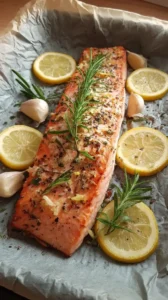

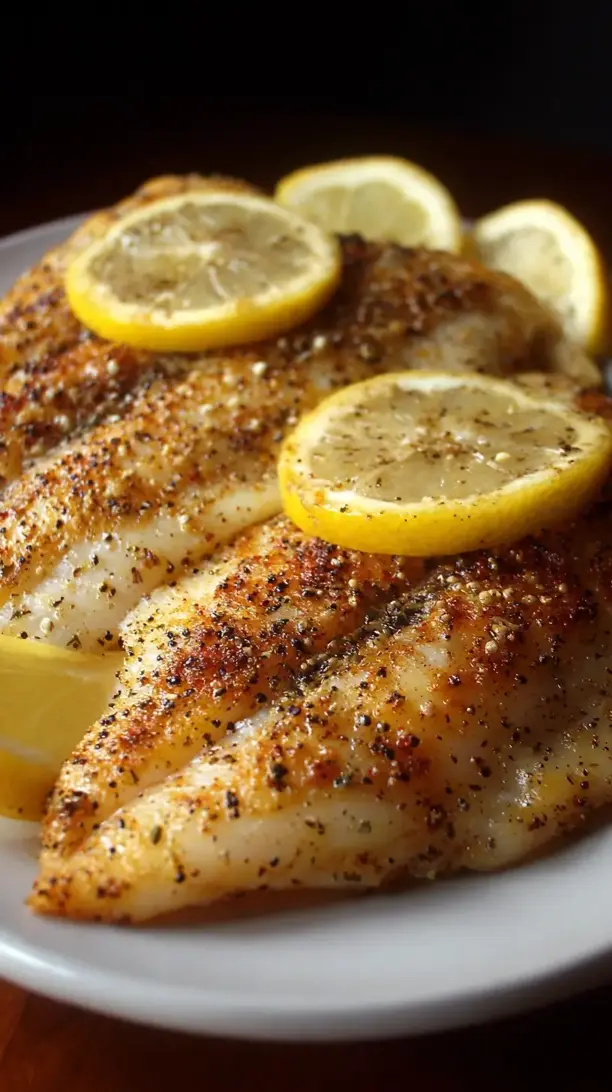
Lemon Pepper Tilapia
Make this easy Lemon Pepper Tilapia recipe in under 20 minutes! A healthy, flaky fish dinner with a zesty lemon pepper crust. Get the simple recipe here!
Ingredients
For the Ingredients
-
4 tilapia fillets (about 6 oz / 170 g each)
-
2 tbsp olive oil (divided)
-
2 medium lemons
-
2 tsp freshly cracked black pepper
-
1 tsp garlic powder
-
1 tsp onion powder
-
3/4 tsp fine sea salt
-
2 tbsp unsalted butter
-
2 tbsp fresh parsley (finely chopped)
Instructions
-
Start by prepping your flavor base. Zest one of the lemons until you have about a tablespoon of bright yellow zest. Then, juice both lemons—you’re aiming for roughly a quarter cup of fresh juice. Set these aside separately. In a small bowl, combine the lemon zest, cracked black pepper, garlic powder, onion powder, and salt. This is your powerhouse dry rub.01
-
Now, prepare the fish. Use several paper towels to pat the tilapia fillets completely dry on all sides. This is non-negotiable for a good sear. Drizzle one tablespoon of the olive oil over the fish and rub it gently over both sides. Then, generously season both sides of each fillet with the lemon pepper spice mix, pressing it gently into the flesh so it adheres.02
-
It’s time to cook. Place your large skillet over medium-high heat and add the remaining tablespoon of olive oil. Once the oil is shimmering hot—you’ll see it thin out and move easily in the pan—carefully lay the tilapia fillets in, not crowding them. You may need to cook in two batches. They should sizzle the moment they touch the pan. Cook for 3 to 4 minutes, without moving them, until a beautiful golden-brown crust forms on the bottom.03
-
Now, flip those fillets. You’ll notice the edges have turned opaque. Gently slide your tongs under each one and flip them over. Cook for another 2 to 3 minutes on the second side. The fish is done when it’s opaque throughout and flakes easily with a fork. Be careful not to overcook, as tilapia can go from perfectly flaky to dry quite quickly.04
-
Transfer the cooked fish to a clean plate. Reduce the heat to low and add the butter to the now-empty skillet. As it melts, use a spatula to scrape up any of the delicious browned bits from the bottom of the pan. Those bits are pure flavor gold. Pour in the fresh lemon juice—it will bubble and sizzle wonderfully—and stir everything together to create a simple, vibrant pan sauce.05
-
To finish, turn off the heat. Stir the fresh parsley into the lemon-butter sauce. Then, pour this gorgeous, fragrant sauce directly over the plated tilapia fillets. Give it one last sprinkle of fresh black pepper for good measure, and serve immediately while it's hot and flaky.06
Not what you're looking for?