
There’s a special kind of magic in holiday baking, isn’t there? For me, it’s that moment when a familiar, comforting scent fills the kitchen and draws everyone in. I created these Lemon Poppy Seed Christmas Cookies to be like little bites of sunshine on your holiday tray—a cheerful, elegant twist that always stands out. Their bright citrus flavor and delightful crunch offer a wonderful departure from the usual lineup of Christmas sweets, and I think you’ll find they bring a ray of light to any gathering.
If you’re searching for inspired Christmas baking ideas, let me tell you why this recipe has become a staple in my home. It’s a simple, satisfying project that yields sophisticated unique Christmas cookies without any fuss. They come together so quickly, making them ideal easy Christmas treats for your festive preparations, whether you’re baking for a party or just for the cookie jar.
So, if you’re exploring new Christmas cookies recipes or simply want to add something special to your assortment of holiday cookies Christmas, I warmly invite you to try these. They’re a beloved comfort food recipe in my book, and I have a feeling they might just become a new seasonal favorite in yours, too.
If you're looking for the perfect Lemon Poppy Seed Christmas Cookies, you're in the right place. Whether you love Christmas Cookie or want to explore our Breakfast & Brunch collection, we've got you covered.
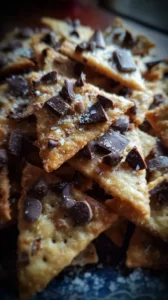


Why You’ll Love This Lemon Poppy Seed Christmas Cookies
- Sunshine in Every Bite: Fresh lemon zest and juice create a vibrant, uplifting flavor.
- Satisfying Texture: Tender shortbread meets the subtle crunch of poppy seeds.
- Surprisingly Simple: One-bowl dough with no chilling required for quick baking.
- Festive & Elegant: Drizzled lemon glaze and poppy seeds make them look professionally curated.
Ingredients & Tools
- 225 g unsalted butter, softened to room temperature
- 150 g granulated sugar
- 1 large egg, at room temperature
- Zest of 2 medium lemons
- 2 tbsp fresh lemon juice
- 1 tsp vanilla extract
- 315 g all-purpose flour
- 2 tbsp poppy seeds
- ½ tsp baking powder
- ¼ tsp salt
- For the Glaze: 120 g powdered sugar, 1-2 tbsp lemon juice, extra poppy seeds for sprinkling
Tools: A stand mixer or electric hand mixer, baking sheets, parchment paper, a zester/microplane, and a cooling rack.
Notes: Use real, fresh lemon juice and zest—not bottled—for bright, authentic flavor. Room temperature ingredients are key for a tender texture.
Nutrition (per serving)
| Calories: | 145 kcal |
| Protein: | 2 g |
| Fat: | 7 g |
| Carbs: | 19 g |
| Fiber: | 0.5 g |
Serves: 24 | Prep Time: 15 minutes | Cook Time: 10-12 minutes | Total Time: 30 minutes
Before You Start: Tips & Ingredient Notes
- What does “softened” butter really mean? It should be cool to the touch but yield easily when you press it. If it’s greasy or shiny, it’s too warm. The ideal is about 65°F (18°C). This creates the perfect base for creaming, which traps air and gives the cookies lift.
- Can I use bottled lemon juice? I really, really don’t recommend it. The flavor is flat and sometimes bitter compared to the vibrant, complex acidity of fresh-squeezed juice. The zest is where the powerful lemon oil lives, so fresh is absolutely essential.
- Why are my ingredients at room temperature? A cold egg can cause the beautifully creamed butter and sugar to seize up and break, resulting in a denser cookie. Taking these few minutes to plan ahead ensures a smooth, emulsified dough that bakes evenly.
- How do I get the most zest from my lemons? Use a microplane zester and zest the lemons before you juice them! It’s much easier. And only zest the bright yellow outer layer; the white pith underneath is bitter.
How to Make Lemon Poppy Seed Christmas Cookies
Step 1: Preheat your oven to 350°F (175°C) and line your baking sheets with parchment paper. In the bowl of your stand mixer fitted with the paddle attachment (or using a large bowl and electric hand mixer), combine the softened butter and granulated sugar. Cream them together on medium-high speed for a good 2-3 minutes. You’ll know it’s ready when the mixture turns pale yellow and becomes noticeably fluffier. This step is crucial for creating a light texture, so don’t rush it!
Step 2: Scrape down the sides of the bowl with a spatula. Add the room temperature egg, the fresh lemon zest, lemon juice, and vanilla extract. Mix on medium speed until everything is fully incorporated and the mixture looks smooth. It might look a little curdled at first—this is normal, especially if your ingredients weren’t perfectly matched in temperature. Just keep mixing and it will come together.
Step 3: In a separate bowl, whisk together the flour, poppy seeds, baking powder, and salt. This ensures the leavening and salt are evenly distributed throughout the dough. With your mixer on low speed, gradually add the dry ingredients to the wet ingredients. Mix just until the flour streaks disappear and a soft dough forms. Be careful not to overmix, as this can develop the gluten and make the cookies tough.
Step 4: Now for the fun part—shaping the cookies! You can use a small cookie scoop (about 1.5 tablespoons) for uniformity, or simply roll tablespoon-sized portions of dough into smooth balls. Place them on your prepared baking sheets, leaving about 2 inches between each one as they will spread a little. You can leave them as balls for a more rustic look, or gently press the tops down just slightly with your fingers for a flatter cookie.
Step 5: Bake for 10-12 minutes. The cookies are done when the edges are set and just barely starting to turn a light golden brown. The centers should still look soft and might seem slightly underdone—this is perfect! They will continue to set up as they cool. Over-baking is the enemy of a tender cookie here. Rotate your baking sheet halfway through for even browning if your oven has hot spots.
Step 6: Let the cookies cool on the baking sheet for 5 minutes. This allows them to firm up enough to handle without falling apart. Then, carefully transfer them to a wire cooling rack to cool completely before you even think about glazing. If you put the glaze on a warm cookie, it will just melt into a sad, transparent puddle.
Step 7: To make the glaze, simply whisk the powdered sugar with 1 tablespoon of lemon juice in a small bowl. You’re aiming for a thick but pourable consistency—if it’s too thick, add more lemon juice a few drops at a time. If it’s too thin, add a bit more powdered sugar. Drizzle the glaze over the completely cooled cookies using a spoon or a piping bag for more control. Immediately sprinkle with a few extra poppy seeds for a beautiful, professional finish.
Storage & Freshness Guide
- Fridge: Not recommended; store in an airtight container at room temperature.
- Freezer: Freeze unglazed baked cookies or shaped dough balls for up to 3 months.
- Reviving: Briefly warm in a 300°F oven for 3-5 minutes to refresh crispness.
Serving Suggestions
Complementary Dishes
- A simple cheese board with sharp cheddar and brie — The rich, creamy cheese provides a wonderful savory counterpoint that makes the lemon in the cookies pop even more.
- A warm cup of spiced pear soup — This might sound fancy, but it’s a lovely, light starter that shares the fruity, aromatic notes of the holiday season without overwhelming the palate before your cookies.
Drinks
- Earl Grey tea — The bergamot in the tea is a fantastic flavor companion to the lemon and adds a sophisticated, floral note that elevates the entire experience.
- A crisp Prosecco or sparkling wine — The bubbles and acidity act like a palate cleanser, making each bite of cookie taste fresh and new again. It’s a truly celebratory pairing.
Something Sweet
- Dark chocolate-dipped orange segments — This continues the citrus theme but introduces a deep, bitter chocolate note that provides a beautiful contrast and ends the meal on a rich, complex note.
- Vanilla bean panna cotta — Its cool, creamy simplicity is the perfect blank canvas after the zesty, textured cookies, offering a smooth and soothing finish.
Top Mistakes to Avoid
- Mistake: Using melted or overly soft butter. This is probably the number one reason cookies spread too much and become flat and greasy. Properly creamed butter and sugar is the foundation for a cookie with structure and a lovely crumb.
- Mistake: Overmixing the dough after adding the flour. Once the flour is incorporated, stop mixing! Overworking the dough develops gluten, which leads to tough, dense cookies instead of the tender, melt-in-your-mouth texture we’re after.
- Mistake: Baking on a warm baking sheet. Always use a cool sheet for each new batch. Placing dough on a hot sheet will cause the butter to melt prematurely and the cookies will spread before they have a chance to set.
- Mistake: Glazing the cookies while they’re still warm. I know it’s tempting, but patience is key. The glaze will slide right off a warm cookie and become a sticky mess. Let them cool completely for a beautiful, opaque, drizzle that sets perfectly.
Expert Tips
- Tip: For an even more intense lemon flavor, rub the lemon zest into the sugar with your fingers before you start creaming it with the butter. This action helps to release the fragrant citrus oils from the zest, infusing the sugar and, in turn, the entire cookie dough.
- Tip: If your dough feels a bit too soft or sticky to handle easily after mixing, don’t add more flour! Just pop the whole bowl into the refrigerator for 10-15 minutes. This will firm up the butter just enough to make rolling the dough balls a breeze.
- Tip: For perfectly uniform cookies every time, use a kitchen scale to portion the dough. Aim for 25-gram portions. This isn’t just for looks; it ensures all the cookies bake at the exact same rate.
- Tip: Add a tiny pinch of turmeric (seriously, just a pinch!) to your glaze. It won’t affect the flavor at all, but it will give the white glaze a beautiful, warm, sunny yellow hue that makes the cookies look even more inviting.
FAQs
Can I make the dough ahead of time and freeze it?
Absolutely! This is a fantastic time-saver during the busy holidays. You can freeze the shaped dough balls on a parchment-lined tray until solid, then transfer them to a freezer bag. When you’re ready to bake, just place the frozen dough balls on a baking sheet—you don’t even need to thaw them. You will likely need to add 1-2 minutes to the baking time. The dough can be frozen for up to 3 months.
My cookies spread too much. What happened?
This is almost always a temperature issue. Your butter was likely too warm when you started, or your baking sheet was still hot from a previous batch. Another culprit could be an old baking powder that’s lost its lifting power. Always ensure your butter is just softened, not melted, and use a cool pan for each batch to control the spread.
Can I substitute the poppy seeds with something else?
You can, though you’ll lose that signature texture. For a similar subtle crunch, try an equal amount of toasted sesame seeds or even finely chopped, toasted almonds. If you just want to omit them, the recipe will still work beautifully as a lovely lemon shortbread cookie.
How should I store these cookies and how long will they keep?
Once the glaze has fully set, store the cookies in an airtight container at room temperature. Layering them with parchment paper will prevent them from sticking together. They are best enjoyed within 3-4 days for optimal texture and freshness. The glaze may start to soften slightly after a couple of days, but they will still taste delicious.
Can I turn these into a slice-and-bake refrigerator cookie?
Yes, you can! After mixing the dough, shape it into a log about 2 inches in diameter, wrap it tightly in plastic wrap, and chill for at least 2 hours (or up to 3 days). When ready to bake, simply slice into 1/4-inch thick rounds and bake as directed. This method gives you perfectly round, uniform cookies with lovely concentric circles.

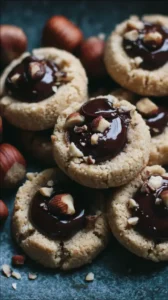


Lemon Poppy Seed Christmas Cookies: An Easy Holiday Treat
Brighten your holiday tray with Lemon Poppy Seed Christmas Cookies. This easy Christmas cookie recipe brings a cheerful, citrusy twist to your holiday baking.
Ingredients
For the Cookies:
-
225 g unsalted butter (softened to room temperature)
-
150 g granulated sugar
-
1 large egg (at room temperature)
-
Zest of 2 medium lemons
-
2 tbsp fresh lemon juice
-
1 tsp vanilla extract
-
315 g all-purpose flour
-
2 tbsp poppy seeds
-
0.5 tsp baking powder
-
0.25 tsp salt
For the Glaze:
-
120 g powdered sugar
-
1-2 tbsp lemon juice
-
extra poppy seeds (for sprinkling)
Instructions
-
Preheat your oven to 350°F (175°C) and line your baking sheets with parchment paper. In the bowl of your stand mixer fitted with the paddle attachment (or using a large bowl and electric hand mixer), combine the softened butter and granulated sugar. Cream them together on medium-high speed for a good 2-3 minutes. You’ll know it’s ready when the mixture turns pale yellow and becomes noticeably fluffier. This step is crucial for creating a light texture, so don’t rush it!01
-
Scrape down the sides of the bowl with a spatula. Add the room temperature egg, the fresh lemon zest, lemon juice, and vanilla extract. Mix on medium speed until everything is fully incorporated and the mixture looks smooth. It might look a little curdled at first—this is normal, especially if your ingredients weren't perfectly matched in temperature. Just keep mixing and it will come together.02
-
In a separate bowl, whisk together the flour, poppy seeds, baking powder, and salt. This ensures the leavening and salt are evenly distributed throughout the dough. With your mixer on low speed, gradually add the dry ingredients to the wet ingredients. Mix just until the flour streaks disappear and a soft dough forms. Be careful not to overmix, as this can develop the gluten and make the cookies tough.03
-
Now for the fun part—shaping the cookies! You can use a small cookie scoop (about 1.5 tablespoons) for uniformity, or simply roll tablespoon-sized portions of dough into smooth balls. Place them on your prepared baking sheets, leaving about 2 inches between each one as they will spread a little. You can leave them as balls for a more rustic look, or gently press the tops down just slightly with your fingers for a flatter cookie.04
-
Bake for 10-12 minutes. The cookies are done when the edges are set and just barely starting to turn a light golden brown. The centers should still look soft and might seem slightly underdone—this is perfect! They will continue to set up as they cool. Over-baking is the enemy of a tender cookie here. Rotate your baking sheet halfway through for even browning if your oven has hot spots.05
-
Let the cookies cool on the baking sheet for 5 minutes. This allows them to firm up enough to handle without falling apart. Then, carefully transfer them to a wire cooling rack to cool completely before you even think about glazing. If you put the glaze on a warm cookie, it will just melt into a sad, transparent puddle.06
-
To make the glaze, simply whisk the powdered sugar with 1 tablespoon of lemon juice in a small bowl. You’re aiming for a thick but pourable consistency—if it’s too thick, add more lemon juice a few drops at a time. If it’s too thin, add a bit more powdered sugar. Drizzle the glaze over the completely cooled cookies using a spoon or a piping bag for more control. Immediately sprinkle with a few extra poppy seeds for a beautiful, professional finish.07
Not what you're looking for?


