
Massaman curry is a rich, aromatic hug in a bowl, blending Thai and Persian influences with tender chicken thighs and soft potatoes. This one-pot Massaman Curry Chicken Thighs recipe balances sweet, salty, sour, and spice for a comforting meal. It’s surprisingly simple to make and fills your kitchen with an incredible aroma.
Looking for Massaman Curry Chicken Thighs inspiration? You'll love what we have! Explore more Chicken Thigh Recipes recipes or discover our Burgers favorites.
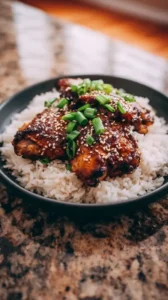


Why You’ll Love This Massaman Curry Chicken Thighs
- Complex & flavorful: Warm spices and creamy coconut milk create a deeply aromatic, gently spicy sauce.
- Ultimate comfort food: Tender chicken thighs and soft potatoes make a hearty, nourishing meal.
- Simple process: Most of the work is hands-off simmering in one pot.
- Better next day: Flavors deepen overnight for fantastic leftovers.
Ingredients & Tools
- 1.5 lbs (680 g) boneless, skinless chicken thighs
- 2 tbsp neutral oil (like avocado or grapeseed)
- 1 large yellow onion, thinly sliced
- 4 tbsp Massaman curry paste
- 1 (14 oz/400 ml) can full-fat coconut milk
- 1 cup chicken broth
- 2 tbsp fish sauce
- 1 tbsp palm sugar (or light brown sugar)
- 1 tbsp tamarind paste
- 2 medium russet potatoes, peeled and cut into 1-inch chunks
- 1 large carrot, sliced into thick rounds
- 1 cinnamon stick
- 2 star anise pods
- 4 cardamom pods, lightly crushed
- ¼ cup roasted peanuts, for garnish
- Fresh cilantro and lime wedges, for serving
Tools: A large Dutch oven or heavy-bottomed pot with a lid, a wooden spoon, and a small bowl for mixing the tamarind.
Notes: Don’t be intimidated by the list—they all come together beautifully. Use good quality curry paste and full-fat coconut milk for a luxuriously creamy texture.
Nutrition (per serving)
| Calories: | 520 kcal |
| Protein: | 35 g |
| Fat: | 32 g |
| Carbs: | 25 g |
| Fiber: | 4 g |
Serves: 4 | Prep Time: 15 minutes | Cook Time: 45 minutes | Total Time: 1 hour
Before You Start: Tips & Ingredient Notes
- Chicken Thighs are Your Friend. I really recommend sticking with boneless, skinless chicken thighs for this recipe. They stay incredibly moist and tender during the longer simmering time, whereas chicken breast can easily become dry and tough.
- Don’t Skip the Whole Spices. The cinnamon stick, star anise, and cardamom pods are what give this curry its authentic, perfumed aroma. You’ll fish them out at the end, but their essence will have infused the entire dish.
- Tamarind is the Secret Weapon. That hint of sour, fruity tang is what balances the richness of the coconut milk and the sweetness of the palm sugar. If you can’t find the paste, a tablespoon of fresh lime juice stirred in at the very end is a decent substitute, though the flavor profile will be slightly different.
- Toasting the Curry Paste. This is a crucial step! Frying the curry paste in the oil for a minute or two before adding the liquid ingredients “wakes up” the spices, deepening their flavor and removing any raw, harsh notes.
How to Make Massaman Curry Chicken Thighs
Step 1: Pat the chicken thighs completely dry with paper towels and season them generously with salt and pepper. Heat the oil in your large Dutch oven or pot over medium-high heat. Once the oil is shimmering, add the chicken thighs in a single layer—you might need to do this in two batches to avoid overcrowding. Sear them for about 3-4 minutes per side, until they develop a beautiful golden-brown crust. They don’t need to be cooked through at this point. Transfer the seared chicken to a clean plate and set aside.
Step 2: Reduce the heat to medium and add the sliced onion to the same pot. You’ll notice all those delicious browned bits from the chicken at the bottom—that’s pure flavor! Sauté the onion for about 5-7 minutes, stirring occasionally, until it has softened and turned translucent. If the pot seems dry, you can add a tiny splash of the chicken broth to help scrape up those fond.
Step 3: Push the onions to the side of the pot and add the Massaman curry paste to the center. Let it fry for 1-2 minutes, stirring constantly. You should smell the aromas intensifying and see the color darken slightly—this is the toasting process that makes all the difference. Now, pour in about a quarter of the coconut milk (just the thick, creamy part from the top of the can is perfect) and stir it into the paste to create a thick, fragrant base.
Step 4: Return the seared chicken thighs and any accumulated juices back to the pot. Add the remaining coconut milk, chicken broth, fish sauce, palm sugar, and tamarind paste. Stir everything together until the sugar has dissolved. Now, add your whole spices—the cinnamon stick, star anise, and cardamom pods—and give it one more gentle stir.
Step 5: Bring the curry to a gentle simmer, then reduce the heat to low and cover the pot with a lid. Let it cook for 15 minutes. This initial simmer allows the chicken to start cooking through and the flavors to begin marrying.
Step 6: After 15 minutes, uncover the pot and add the chopped potatoes and carrots. Stir them in so they’re submerged in the liquid. Bring the curry back to a simmer, cover again, and continue cooking for another 20-25 minutes, or until the potatoes are completely tender when pierced with a fork.
Step 7: Once the vegetables are soft, uncover the pot. The sauce should have thickened slightly but will still be quite liquid. If you prefer a thicker consistency, you can let it simmer uncovered for another 5-10 minutes. Taste the sauce now—this is your chance to adjust the seasoning. You might want a touch more fish sauce for saltiness, a pinch more sugar for sweetness, or even a squeeze of lime for acidity.
Step 8: Fish out the whole spices—the cinnamon stick, star anise pods, and cardamom pods—and discard them. Stir in half of the roasted peanuts. To serve, ladle the curry into deep bowls, making sure everyone gets plenty of chicken, potatoes, and that glorious sauce. Garnish with the remaining peanuts, a generous handful of fresh cilantro, and a lime wedge on the side for squeezing over.
Storage & Freshness Guide
- Fridge: Cool completely and store in an airtight container for up to 4 days.
- Freezer: Freeze for up to 3 months; potatoes may become slightly grainy upon thawing.
- Reviving: Reheat gently on the stovetop, adding a splash of broth or water if too thick.
Serving Suggestions
Complementary Dishes
- Jasmine Rice — The fluffy, slightly sticky grains are the perfect neutral canvas to soak up every last drop of the rich, creamy curry sauce.
- Simple Cucumber Salad — A quick salad of thinly sliced cucumbers, red onion, and a dressing of rice vinegar, sugar, and salt provides a crisp, refreshing contrast to the warm, hearty curry.
- Thai-style Roti or Naan Bread — A warm, flaky flatbread is fantastic for tearing and scooping up chunks of potato and chicken from the bowl.
Drinks
- A Crisp Lager or Pilsner — The clean, effervescent quality of a light beer helps cut through the richness of the coconut milk and cleanses the palate between bites.
- Off-Dry Riesling — A wine with a hint of sweetness and bright acidity beautifully complements the sweet and sour notes in the Massaman curry without overpowering it.
- Thai Iced Tea — For a truly authentic pairing, the sweet, creamy, and spiced flavors of this classic drink are a match made in heaven.
Something Sweet
- Mango with Sticky Rice — You can’t go wrong with this iconic Thai dessert. The sweet, ripe mango and creamy coconut-infused sticky rice are the perfect, light finale.
- Coconut Ice Cream — A simple scoop of high-quality coconut ice cream continues the tropical theme and provides a cool, creamy finish.
- Lychee Fruit — Chilled, canned lychees are incredibly refreshing and their delicate, floral sweetness is a lovely, simple way to end the meal.
Top Mistakes to Avoid
- Mistake: Using chicken breast instead of thighs. Chicken thighs have more fat and connective tissue, which means they can withstand the longer cooking time required for the potatoes to become tender without turning dry and stringy. Breast meat will almost certainly overcook.
- Mistake: Not toasting the curry paste. If you just dump the curry paste into the liquid, you’ll miss out on a huge depth of flavor. Taking that extra minute to fry it in the oil unlocks its full aromatic potential.
- Mistake> Overcooking the potatoes. You want them tender, but if you let them go too long, they’ll start to disintegrate and turn the curry murky and starchy. Check them at the 20-minute mark.
- Mistake: Skipping the taste-and-adjust step at the end. Curries are all about balance. Before serving, you absolutely must taste the sauce and tweak the salt (fish sauce), sweet (sugar), and sour (lime) to get it just right for your palate.
Expert Tips
- Tip: For an even deeper flavor, marinate the chicken thighs in a tablespoon of the curry paste and a splash of fish sauce for 30 minutes before you start cooking. This gives the meat a head start on absorbing those wonderful spices.
- Tip: If you can’t find palm sugar, light brown sugar is a fine substitute, but for a more authentic touch, look for blocks of palm sugar at an Asian market—you just grate what you need.
- Tip: To make this ahead of time, complete the recipe up until the final simmer, then let it cool completely and store it in the fridge for up to two days. The flavors will meld beautifully. Reheat gently on the stovetop, adding a splash of water or broth if it’s too thick.
- Tip: For a richer, more restaurant-style sauce, use two cans of coconut milk but only use the thick cream from the top of both cans for the initial frying stage, then add the remaining liquid later.
FAQs
Can I make this curry vegetarian or vegan?
Absolutely! The foundation is very adaptable. Swap the chicken thighs for a can of chickpeas (add them in the last 10 minutes of cooking so they don’t get mushy) or firm tofu cubes (pan-sear them first for texture). Use a robust vegetable broth instead of chicken broth, and be sure to check that your curry paste and fish sauce substitutes (like soy sauce or vegan fish sauce) are plant-based. The potatoes and carrots will still make it a hearty, satisfying meal.
My curry is too thin. How can I thicken it?
The most common reason for a thin curry is not simmering it uncovered at the end. If it’s still too thin after that, you have a couple of options. Mix one tablespoon of cornstarch with two tablespoons of cold water to create a slurry. Stir this into the simmering curry and cook for another minute until it thickens. Alternatively, you can mash a few of the potato pieces against the side of the pot—this will naturally release their starch and thicken the sauce beautifully.
How spicy is Massaman curry?
Compared to other Thai curries like Green or Red, Massaman is generally considered mild. It’s known for its warm, aromatic spices rather than intense heat. That said, the spice level can vary by brand of curry paste. If you’re sensitive to heat, start with the recommended amount. If you love spice, you can add a finely chopped Thai bird’s eye chili along with the curry paste when you fry it.
Can I freeze leftovers?
You can, but with a caveat. The texture of the potatoes may become a little grainy or mealy upon thawing and reheating. The curry itself will still taste delicious. Let it cool completely, then store it in an airtight container for up to 3 months. Thaw overnight in the refrigerator and reheat gently on the stovetop, stirring often.
What’s the best substitute for tamarind paste?
The goal is to replicate that unique sweet-and-sour flavor. The best substitute is an equal amount of fresh lime juice added right at the end of cooking. You could also use a tablespoon of rice vinegar mixed with a half-teaspoon of brown sugar. While not identical, it will provide the necessary acidic balance to the dish.




Massaman Curry Chicken Thighs
Make the best Massaman Curry Chicken Thighs with this easy one-pot recipe. Rich, aromatic, and deeply comforting. Get the step-by-step guide now!
Ingredients
For the Ingredients
-
1.5 lbs boneless, skinless chicken thighs
-
2 tbsp neutral oil (like avocado or grapeseed)
-
1 large yellow onion (thinly sliced)
-
4 tbsp Massaman curry paste
-
1 can full-fat coconut milk (14 oz/400 ml)
-
1 cup chicken broth
-
2 tbsp fish sauce
-
1 tbsp palm sugar (or light brown sugar)
-
1 tbsp tamarind paste
-
2 medium russet potatoes (peeled and cut into 1-inch chunks)
-
1 large carrot (sliced into thick rounds)
-
1 cinnamon stick
-
2 star anise pods
-
4 cardamom pods (lightly crushed)
-
¼ cup roasted peanuts (for garnish)
-
Fresh cilantro and lime wedges (for serving)
Instructions
-
Pat the chicken thighs completely dry with paper towels and season them generously with salt and pepper. Heat the oil in your large Dutch oven or pot over medium-high heat. Once the oil is shimmering, add the chicken thighs in a single layer—you might need to do this in two batches to avoid overcrowding. Sear them for about 3-4 minutes per side, until they develop a beautiful golden-brown crust. They don't need to be cooked through at this point. Transfer the seared chicken to a clean plate and set aside.01
-
Reduce the heat to medium and add the sliced onion to the same pot. You’ll notice all those delicious browned bits from the chicken at the bottom—that’s pure flavor! Sauté the onion for about 5-7 minutes, stirring occasionally, until it has softened and turned translucent. If the pot seems dry, you can add a tiny splash of the chicken broth to help scrape up those fond.02
-
Push the onions to the side of the pot and add the Massaman curry paste to the center. Let it fry for 1-2 minutes, stirring constantly. You should smell the aromas intensifying and see the color darken slightly—this is the toasting process that makes all the difference. Now, pour in about a quarter of the coconut milk (just the thick, creamy part from the top of the can is perfect) and stir it into the paste to create a thick, fragrant base.03
-
Return the seared chicken thighs and any accumulated juices back to the pot. Add the remaining coconut milk, chicken broth, fish sauce, palm sugar, and tamarind paste. Stir everything together until the sugar has dissolved. Now, add your whole spices—the cinnamon stick, star anise, and cardamom pods—and give it one more gentle stir.04
-
Bring the curry to a gentle simmer, then reduce the heat to low and cover the pot with a lid. Let it cook for 15 minutes. This initial simmer allows the chicken to start cooking through and the flavors to begin marrying.05
-
After 15 minutes, uncover the pot and add the chopped potatoes and carrots. Stir them in so they're submerged in the liquid. Bring the curry back to a simmer, cover again, and continue cooking for another 20-25 minutes, or until the potatoes are completely tender when pierced with a fork.06
-
Once the vegetables are soft, uncover the pot. The sauce should have thickened slightly but will still be quite liquid. If you prefer a thicker consistency, you can let it simmer uncovered for another 5-10 minutes. Taste the sauce now—this is your chance to adjust the seasoning. You might want a touch more fish sauce for saltiness, a pinch more sugar for sweetness, or even a squeeze of lime for acidity.07
-
Fish out the whole spices—the cinnamon stick, star anise pods, and cardamom pods—and discard them. Stir in half of the roasted peanuts. To serve, ladle the curry into deep bowls, making sure everyone gets plenty of chicken, potatoes, and that glorious sauce. Garnish with the remaining peanuts, a generous handful of fresh cilantro, and a lime wedge on the side for squeezing over.08
Not what you're looking for?


