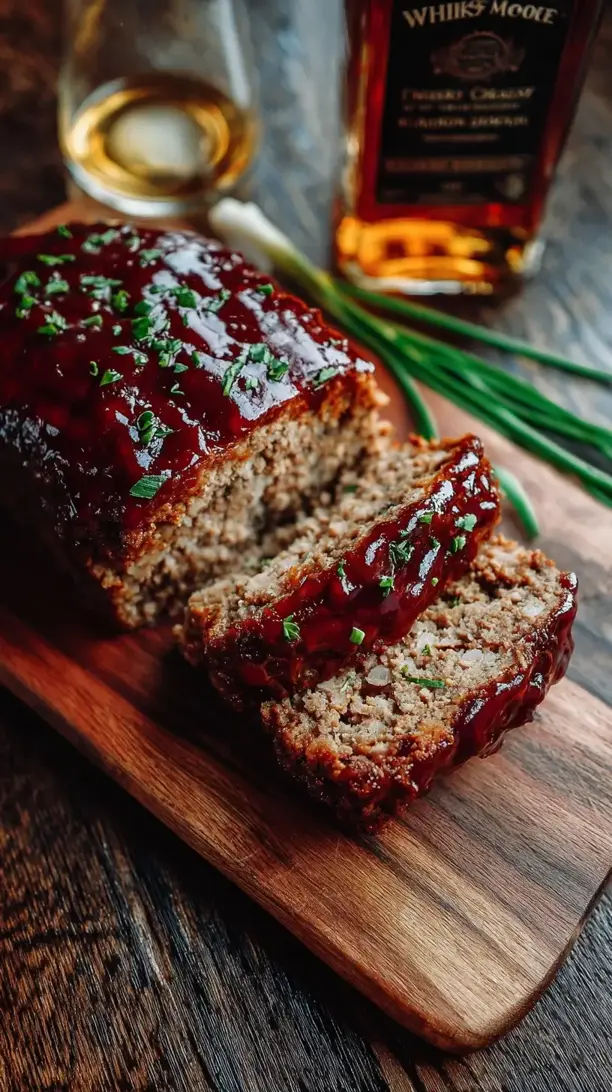
This classic meatloaf and mashed potatoes duo delivers deep comfort and savory satisfaction. The tender, juicy meatloaf with its sweet-tangy glaze pairs perfectly with creamy, buttery potatoes. It’s a hearty, crowd-pleasing meal perfect for any night.
Nothing beats a great Meatloaf and Mashed Potatoes. Whether you're a fan of Meatloaf Recipes or want to try something from our Breakfast & Brunch selection, keep scrolling!


Why You’ll Love This Meatloaf and Mashed Potatoes
- Total comfort: Savory, hearty, and deeply satisfying in every bite.
- Forgiving recipe: Flexible and welcomes personal touches without failing.
- Amazing leftovers: Flavors deepen overnight for great next-day meals.
- Crowd-pleaser: Universally appealing and guaranteed to bring smiles.
Ingredients & Tools
For the Meatloaf:
- 450 g ground beef (80/20 blend for best flavor and moisture)
- 225 g ground pork
- 1 large yellow onion, finely diced
- 2 cloves garlic, minced
- 100 g breadcrumbs (plain, panko-style work great)
- 1 large egg
- 60 ml whole milk
- 2 tbsp Worcestershire sauce
- 1 tbsp Dijon mustard
- 1 tsp dried thyme
- 1 tsp kosher salt
- ½ tsp freshly ground black pepper
For the Glaze:
- 80 ml ketchup
- 2 tbsp brown sugar
- 1 tbsp apple cider vinegar
For the Mashed Potatoes:
- 1 kg Russet or Yukon Gold potatoes, peeled and quartered
- 120 g unsalted butter, cubed
- 180-240 ml warm whole milk or half-and-half
- 120 g full-fat sour cream
- To taste kosher salt and white pepper
Tools: A large mixing bowl, a standard loaf pan (approx. 9×5 inch), a potato ricer or masher, a large pot for boiling potatoes, and a hand mixer or stand mixer (optional, for ultra-creamy potatoes).
Notes: The blend of beef and pork gives the meatloaf a richer, more complex flavor and a wonderfully tender texture. And for the potatoes, using Russets will give you a fluffier mash, while Yukon Golds yield a naturally creamier, buttery result—you really can’t go wrong.
Nutrition (per serving)
| Calories: | 620 kcal |
| Protein: | 32 g |
| Fat: | 32 g |
| Carbs: | 48 g |
| Fiber: | 4 g |
Serves: 6 | Prep Time: 25 minutes | Cook Time: 1 hour 10 minutes | Total Time: 1 hour 35 minutes
Before You Start: Tips & Ingredient Notes
- Don’t skip the pork. Using a mix of beef and pork adds a layer of fat and flavor that all-beef meatloaf often lacks. It keeps the final result incredibly moist and juicy.
- Why warm dairy for the potatoes? Adding cold milk or cream to hot potatoes can make them gluey. Warming your dairy first helps everything incorporate smoothly for the creamiest texture imaginable.
- The power of a potato ricer. If you want the absolute smoothest, lump-free mashed potatoes, a ricer is your best friend. It’s a small tool that makes a massive difference in texture.
- Don’t overmix the meatloaf. This is the golden rule. Mix the ingredients just until combined. Overworking the meat mixture will make your loaf dense and tough.
- Let it rest! Just like a steak, your meatloaf needs to rest for about 10 minutes after it comes out of the oven. This allows the juices to redistribute, so they don’t all run out when you slice it.
How to Make Meatloaf and Mashed Potatoes
Step 1: Prep Your Potatoes and Oven. Start by placing your peeled and quartered potatoes into a large pot. Cover them with cold, well-salted water—this is your one chance to season them from the inside out. Bring this to a boil over high heat. While that’s happening, preheat your oven to 190°C (375°F). This gives the oven plenty of time to come to the right temperature for your meatloaf.
Step 2: Create the Meatloaf Base. In a large mixing bowl, combine the breadcrumbs and milk. Let this sit for a minute—this is called a panade, and it’s the secret to a tender meatloaf. It keeps everything moist. Then, add the finely diced onion, minced garlic, egg, Worcestershire sauce, Dijon mustard, thyme, salt, and pepper. Stir this all together until it forms a cohesive, pasty mixture.
Step 3: Gently Combine the Meats. Now, add the ground beef and pork to the bowl. This is the crucial part: use your hands to gently mix everything. Fold and turn the mixture just until the meats, breadcrumb mixture, and seasonings are evenly distributed. You should see no more streaks of plain meat. Stop the moment it’s combined—overmixing is the enemy of a tender texture.
Step 4: Shape and Initial Bake. Transfer the meat mixture to your loaf pan. Gently press it in, shaping the top into a slight dome so it doesn’t become flat. Don’t pack it down too firmly. Place the pan in the preheated oven and bake, uncovered, for 30 minutes. You’ll start to smell that incredible savory aroma filling your kitchen.
Step 5: Cook the Potatoes and Make the Glaze. While the meatloaf bakes, check your potatoes. They are done when a knife slides into a chunk with no resistance. Drain them thoroughly and let them steam-dry in the colander for a minute. For the glaze, simply whisk together the ketchup, brown sugar, and apple cider vinegar in a small bowl until smooth.
Step 6: Glaze and Finish the Meatloaf. After 30 minutes, carefully remove the meatloaf from the oven. Spoon the glaze evenly over the top, spreading it to the edges. Return it to the oven for another 25-35 minutes. The meatloaf is done when the internal temperature reaches 70°C (160°F) and the glaze is sticky and caramelized around the edges.
Step 7: Whip the Mashed Potatoes. While the glazed meatloaf finishes, return the dried potatoes to the warm pot. If you have a ricer, rice them back into the pot. Otherwise, mash them well until mostly smooth. Add the cubed butter and stir until melted. Gradually add the warm milk and sour cream, whipping with a hand mixer or vigorously stirring by hand until light and fluffy. Season to taste with salt and white pepper.
Step 8: Rest and Serve. Once the meatloaf is perfectly cooked, take it out of the oven and transfer the loaf pan to a wire rack. Let it rest for a full 10 minutes—this is non-negotiable for a juicy slice. Then, use a spatula to loosen the edges, and carefully lift it out onto a cutting board before slicing and serving with those glorious, creamy mashed potatoes.
Storage & Freshness Guide
- Fridge: Store meatloaf and mashed potatoes separately in airtight containers for 3–4 days.
- Freezer: Wrap individual slices and potato portions tightly; freeze up to 3 months.
- Reviving: Reheat meatloaf gently in oven/skillet; stir warm milk into potatoes when reheating.
Serving Suggestions
Complementary Dishes
- Simple Sautéed Green Beans — Their bright, crisp-tender texture and slight bitterness provide a perfect fresh counterpoint to the rich, savory main event.
- Buttery Sweet Corn — A classic side that adds a pop of sweetness and color, complementing the tangy-sweet glaze on the meatloaf beautifully.
- A Crisp Garden Salad with a Zesty Vinaigrette — The sharp, acidic dressing cuts through the richness of the meal and cleanses the palate between bites.
Drinks
- A Malty Brown Ale — The nutty, caramel notes in the beer mirror the flavors in the meatloaf glaze and stand up well to the hearty dish.
- Iced Tea with Lemon — Its refreshing, slightly tannic quality is wonderfully simple and effective at balancing the meal’s richness.
- A Glass of Zinfandel — This jammy, fruit-forward red wine has enough body to complement the meat without overpowering the other flavors on the plate.
Something Sweet
- Warm Apple Crisp with Vanilla Ice Cream — The warm, spiced apples and cold cream are a timeless, comforting finale that continues the homey theme.
- Classic Chocolate Pudding — Rich, silky, and not too heavy, it’s a smooth and satisfying endnote that everyone loves.
- Chewy Oatmeal Raisin Cookies — They feel homemade and pair wonderfully with a glass of milk, offering a home-baked finish to a home-cooked meal.
Top Mistakes to Avoid
- Mistake: Using lean ground beef. The fat in an 80/20 blend is essential for flavor and moisture. A super-lean grind will result in a dry, crumbly meatloaf that’s just not as enjoyable.
- Mistake: Overmixing the meatloaf. I’ve messed this up before too… mixing it like you’re kneading bread dough develops the proteins and makes the texture unpleasantly dense and rubbery. Gentle folds are the way to go.
- Mistake: Adding cold liquid to the potatoes. This shocks the starches and can turn your beautiful, fluffy mash into a sticky, gummy paste. Always warm your milk or cream first.
- Mistake: Skipping the rest time for the meatloaf. Slicing it straight from the oven seems tempting, but all those precious juices will end up on your cutting board instead of in the meat.
Expert Tips
- Tip: Sauté your onions first. For an even deeper flavor, take an extra five minutes to gently sauté the diced onion and garlic until soft and translucent before adding them to the meat mixture. It removes the raw bite and adds a sweet, savory base note.
- Tip: Use a thermometer. The best way to know your meatloaf is perfectly cooked and safe to eat is to use an instant-read thermometer. Aim for 70°C (160°F) in the center for a juicy result.
- Tip: Make a double batch of glaze. You can brush a little extra on the individual slices when serving for an added burst of flavor. It looks gorgeous and tastes even better.
- Tip: For fluffier potatoes, use a mixer. After mashing or ricing, using a hand mixer on low speed for a minute incorporates air, making the potatoes incredibly light and cloud-like.
- Tip: Freeze individual slices. This meal freezes beautifully. Wrap cooled slices of meatloaf and portions of mashed potatoes separately for a ready-made homemade dinner on your busiest nights.
FAQs
Can I make this meatloaf ahead of time?
Absolutely, and it’s a great time-saver. You can assemble the raw meatloaf in the pan, cover it tightly with plastic wrap, and refrigerate it for up to 24 hours before you need to bake it. Let it sit on the counter for about 20-30 minutes to take the chill off before it goes into the oven. You may need to add a few extra minutes to the baking time.
What can I use instead of breadcrumbs?
No problem! Crushed saltine crackers or plain rolled oats (the quick-cooking kind work best) are excellent substitutes. You’ll use the same quantity. They both act as a binder and absorb the moisture just like breadcrumbs, keeping your meatloaf’s texture spot-on.
Why are my mashed potatoes gluey?
This usually happens for one of two reasons. First, you might be overworking the potatoes, which releases too much starch. A ricer helps avoid this. Second, you could be adding cold dairy. Always warm your milk or cream before mixing it in to keep the texture smooth and creamy rather than sticky.
Can I cook the meatloaf without a loaf pan?
You sure can! Shaping the mixture into a free-form loaf on a parchment-lined baking sheet is a great alternative. This method gives you more caramelized surface area on the outside. Just be aware it might cook a little faster, so start checking the temperature a few minutes early.
How long do leftovers last?
Leftovers will keep beautifully in the refrigerator for 3-4 days. Store the meatloaf and mashed potatoes in separate airtight containers. Reheat slices of meatloaf gently in the oven or a skillet to keep them from drying out, and revive the potatoes with a splash of warm milk when reheating.


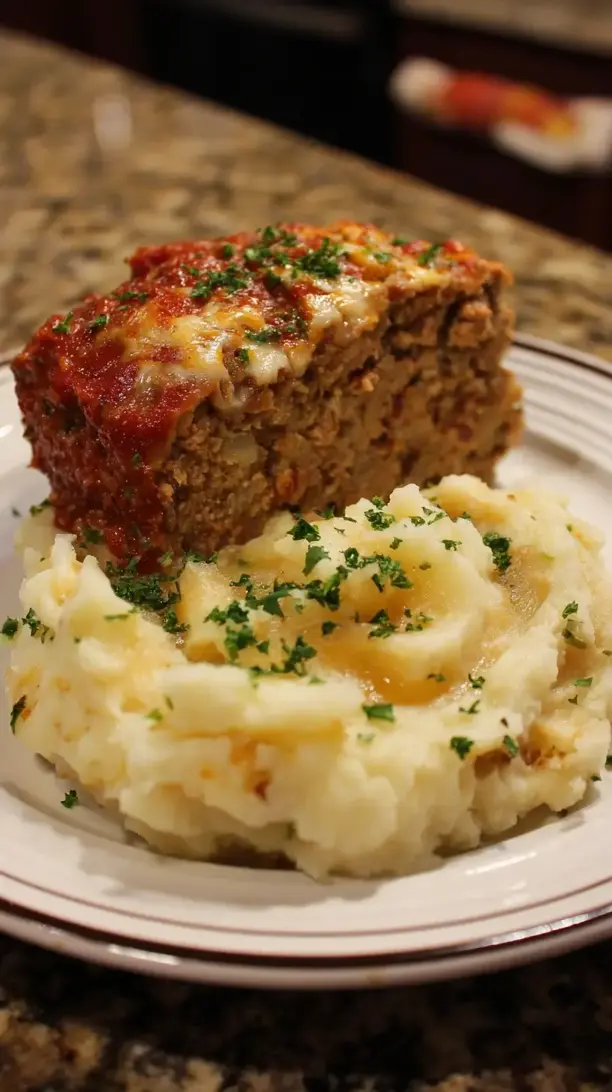
Meatloaf And Mashed Potatoes
Make the best classic Meatloaf and Mashed Potatoes with this easy recipe. Tender, juicy meatloaf meets creamy potatoes for the perfect comfort meal. Get the recipe now!
Ingredients
For the Meatloaf:
-
450 g ground beef (80/20 blend for best flavor and moisture)
-
225 g ground pork
-
1 large yellow onion (finely diced)
-
2 cloves garlic (minced)
-
100 g breadcrumbs (plain, panko-style work great)
-
1 large egg
-
60 ml whole milk
-
2 tbsp Worcestershire sauce
-
1 tbsp Dijon mustard
-
1 tsp dried thyme
-
1 tsp kosher salt
-
0.5 tsp freshly ground black pepper
For the Glaze:
-
80 ml ketchup
-
2 tbsp brown sugar
-
1 tbsp apple cider vinegar
For the Mashed Potatoes:
-
1 kg Russet or Yukon Gold potatoes (peeled and quartered)
-
120 g unsalted butter (cubed)
-
180-240 ml warm whole milk or half-and-half
-
120 g full-fat sour cream
-
kosher salt and white pepper (to taste)
Instructions
-
Prep Your Potatoes and Oven. Start by placing your peeled and quartered potatoes into a large pot. Cover them with cold, well-salted water—this is your one chance to season them from the inside out. Bring this to a boil over high heat. While that's happening, preheat your oven to 190°C (375°F). This gives the oven plenty of time to come to the right temperature for your meatloaf.01
-
Create the Meatloaf Base. In a large mixing bowl, combine the breadcrumbs and milk. Let this sit for a minute—this is called a panade, and it’s the secret to a tender meatloaf. It keeps everything moist. Then, add the finely diced onion, minced garlic, egg, Worcestershire sauce, Dijon mustard, thyme, salt, and pepper. Stir this all together until it forms a cohesive, pasty mixture.02
-
Gently Combine the Meats. Now, add the ground beef and pork to the bowl. This is the crucial part: use your hands to gently mix everything. Fold and turn the mixture just until the meats, breadcrumb mixture, and seasonings are evenly distributed. You should see no more streaks of plain meat. Stop the moment it’s combined—overmixing is the enemy of a tender texture.03
-
Shape and Initial Bake. Transfer the meat mixture to your loaf pan. Gently press it in, shaping the top into a slight dome so it doesn’t become flat. Don’t pack it down too firmly. Place the pan in the preheated oven and bake, uncovered, for 30 minutes. You’ll start to smell that incredible savory aroma filling your kitchen.04
-
Cook the Potatoes and Make the Glaze. While the meatloaf bakes, check your potatoes. They are done when a knife slides into a chunk with no resistance. Drain them thoroughly and let them steam-dry in the colander for a minute. For the glaze, simply whisk together the ketchup, brown sugar, and apple cider vinegar in a small bowl until smooth.05
-
Glaze and Finish the Meatloaf. After 30 minutes, carefully remove the meatloaf from the oven. Spoon the glaze evenly over the top, spreading it to the edges. Return it to the oven for another 25-35 minutes. The meatloaf is done when the internal temperature reaches 70°C (160°F) and the glaze is sticky and caramelized around the edges.06
-
Whip the Mashed Potatoes. While the glazed meatloaf finishes, return the dried potatoes to the warm pot. If you have a ricer, rice them back into the pot. Otherwise, mash them well until mostly smooth. Add the cubed butter and stir until melted. Gradually add the warm milk and sour cream, whipping with a hand mixer or vigorously stirring by hand until light and fluffy. Season to taste with salt and white pepper.07
-
Rest and Serve. Once the meatloaf is perfectly cooked, take it out of the oven and transfer the loaf pan to a wire rack. Let it rest for a full 10 minutes—this is non-negotiable for a juicy slice. Then, use a spatula to loosen the edges, and carefully lift it out onto a cutting board before slicing and serving with those glorious, creamy mashed potatoes.08
Not what you're looking for?