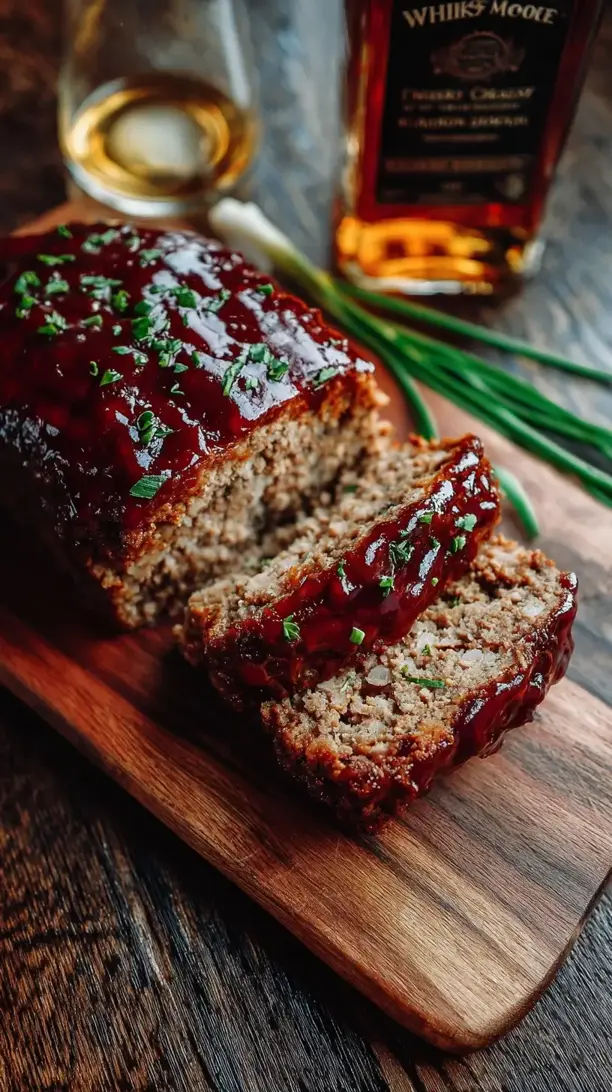
This classic meatloaf with oatmeal delivers pure comfort with a wonderfully tender texture. Swapping breadcrumbs for old-fashioned oats keeps it incredibly moist and juicy from edge to center. It’s a straightforward, forgiving recipe that feels like a warm hug.
Love Meatloaf with Oatmeal? So do we! If you're into Meatloaf Recipes or curious about Chicken Thigh Recipes, you'll find plenty of inspiration below.



Why You’ll Love This Meatloaf with Oatmeal
- Moist & tender: Rolled oats soak up juices for a perfectly soft texture.
- Fuss-free glaze: A simple ketchup-based topping caramelizes into a tangy-sweet crust.
- Forgiving & customizable: Hard to mess up and easy to adapt with add-ins.
- Great leftovers: Makes amazing sandwiches and reheats beautifully.
Ingredients & Tools
- 1.5 lbs ground beef (80/20 blend is ideal for flavor and moisture)
- 1 cup old-fashioned rolled oats (not instant or steel-cut)
- 1 large egg, lightly beaten
- 1/2 cup whole milk
- 1 medium yellow onion, finely diced
- 2 cloves garlic, minced
- 1 tbsp Worcestershire sauce
- 1 tsp dried thyme
- 1.5 tsp kosher salt
- 1/2 tsp freshly ground black pepper
- For the Glaze: 1/2 cup ketchup, 2 tbsp brown sugar, 1 tbsp apple cider vinegar
Tools: A standard 9×5-inch loaf pan, a large mixing bowl, a small bowl for the glaze, and a skillet for sautéing.
Don’t be tempted to use leaner beef—the fat is crucial for a juicy result. And those rolled oats? They’re not just a filler; they’re what gives this meatloaf its signature, tender crumb that holds together without being tough.
Nutrition (per serving)
| Calories: | 380 kcal |
| Protein: | 24 g |
| Fat: | 22 g |
| Carbs: | 18 g |
| Fiber: | 2 g |
Serves: 6 | Prep Time: 20 minutes | Cook Time: 1 hour | Total Time: 1 hour 20 minutes
Before You Start: Tips & Ingredient Notes
- Why not use instant oats? Old-fashioned rolled oats have more structure and will hold up better during mixing and baking, providing a superior texture. Instant oats can become a bit mushy and won’t give you the same lovely, distinct bite.
- Is it really necessary to sauté the onions? Honestly, yes. Taking those few extra minutes to cook the onions until they’re soft and translucent makes a world of difference. It mellows their sharp, raw flavor and brings out their natural sweetness, which infuses the entire meatloaf.
- Can I make this ahead of time? Absolutely. You can mix the meatloaf completely, shape it in the pan, cover it tightly with plastic wrap, and refrigerate it for up to 24 hours before baking. Just let it sit at room temperature for about 20-30 minutes before it goes in the oven.
- Don’t overmix the meat. This is the golden rule. Use your hands or a fork and mix just until the ingredients are combined. Overworking the meat will activate the proteins too much and result in a dense, tough meatloaf—we’re aiming for tender!
How to Make Meatloaf with Oatmeal
Step 1: First, preheat your oven to 375°F (190°C). This gives it plenty of time to reach the right temperature for even cooking. While it’s heating, grab a skillet and place it over medium heat. Add a tiny drizzle of oil and toss in your finely diced onion. You’ll want to cook these for about 5-7 minutes, until they’ve softened and turned translucent. Stir in the minced garlic for the last minute, just until it becomes fragrant. Set this mixture aside to cool slightly—this is important so it doesn’t start cooking the egg when you mix everything.
Step 2: In your large mixing bowl, combine the ground beef, old-fashioned rolled oats, and the slightly cooled onion and garlic mixture. The trick is to create a well in the center of this meaty mountain. Into that well, pour the lightly beaten egg, the milk, Worcestershire sauce, dried thyme, salt, and pepper. This method helps distribute the wet ingredients more evenly before you start mixing.
Step 3: Now, it’s time to get your hands in there—it’s the best tool for the job! Gently mix everything together. You’ll notice the oats and milk beginning to hydrate and bind with the meat. Mix just until everything is incorporated; you should still see distinct pieces of oat. Remember, stop as soon as there are no more dry pockets. Overmixing is the enemy of a tender texture.
Step 4: Transfer the meat mixture to your ungreased 9×5-inch loaf pan. Why no grease? The fat from the beef will render out, preventing it from sticking. Use your hands to press the mixture firmly and evenly into the pan, making sure to get it into the corners. A smooth, slightly domed top is what you’re aiming for.
Step 5: In a small bowl, whisk together the ketchup, brown sugar, and apple cider vinegar for the glaze. You’ll get a smooth, pourable sauce. Spoon this glaze evenly over the top of the meatloaf, using the back of the spoon to spread it right to the edges. This sweet and tangy layer is going to caramelize beautifully in the oven.
Step 6: Carefully place the loaf pan in the preheated oven and bake for 50-60 minutes. The meatloaf is done when the top is nicely browned and the glaze is bubbly. The most accurate way to check is with an instant-read thermometer inserted into the center—it should read 160°F (71°C). Once it’s there, pull it from the oven.
Step 7: This is a crucial resting step! Let the meatloaf sit in the pan on a wire rack for at least 10-15 minutes before you even think about slicing it. This allows the juices to redistribute throughout the loaf. If you cut into it right away, all those lovely juices will run out, leaving you with a drier result. After it rests, use a spatula to loosen the edges, then carefully lift it out onto a cutting board to slice.
Storage & Freshness Guide
- Fridge: Cool completely, wrap tightly, and refrigerate for up to 4 days.
- Freezer: Wrap whole loaf or slices tightly and freeze for up to 3 months.
- Reviving: Reheat slices in a 300°F oven or skillet to maintain moisture.
Serving Suggestions
Complementary Dishes
- Creamy Garlic Mashed Potatoes — The ultimate classic pairing. The fluffy, buttery potatoes are perfect for soaking up any extra juices from the meatloaf.
- Buttered Green Beans with Almonds — A simple, crisp-tender side that adds a fresh, green element and a nice textural crunch to the meal.
- Sweet Cornbread Muffins — A little hint of sweetness from the cornbread complements the savory meatloaf wonderfully, and they’re just so fun to eat on the side.
Drinks
- A Robust Red Wine — A Zinfandel or a Shiraz has enough body and berry notes to stand up to the hearty, savory flavors without being overpowering.
- Sparkling Apple Cider — A non-alcoholic option that’s festive and refreshing. The slight sweetness and bubbles cut through the richness of the dish beautifully.
- An Amber Ale — The malty, caramel notes in an amber ale mirror the flavors in the meatloaf’s glaze, creating a really harmonious pairing.
Something Sweet
- Warm Apple Crisp — You already have the oven on! A warm, cinnamon-spiced apple crisp with a scoop of vanilla ice cream continues the cozy, homestyle vibe perfectly.
- Classic Rice Pudding — A cool, creamy, and comforting dessert that feels light yet satisfying after a hearty main course.
- Dark Chocolate Brownie — For the chocolate lovers. A dense, fudgy brownie provides a rich and decadent finish to the meal.
Top Mistakes to Avoid
- Mistake: Using lean ground beef. I’ve messed this up before too, thinking it would be healthier. The truth is, the fat in an 80/20 blend is essential for flavor and moisture. A leaner grind will almost certainly result in a drier, less flavorful meatloaf.
- Mistake: Skipping the sauté for the onions. Raw onions release a lot of water as they cook, which can make the meatloaf steam instead of bake, and their sharp flavor can be overpowering. Taking five minutes to cook them first is a non-negotiable step for the best flavor and texture.
- Mistake: Pressing the meatloaf too firmly into the pan. You want it to be compact enough to hold its shape, but if you press it down like you’re packing a snowball, it will become dense. A gentle but firm press is all you need.
- Mistake: Skipping the rest time. I know it’s tempting to dig right in, but slicing the meatloaf straight from the oven is a recipe for a crumbly, juice-less mess. Letting it rest allows the proteins to relax and reabsorb the juices, ensuring every slice is moist and holds together.
Expert Tips
- Tip: Soak your oats. For an even more tender texture, try soaking the rolled oats in the milk for about 10 minutes before adding them to the meat mixture. This gives them a head start on hydration and can make the final product incredibly soft.
- Tip: Create a free-form loaf. If you prefer more crusty surface area, skip the loaf pan. Shape the mixture into a loaf directly on a parchment-lined baking sheet. This way, the entire exterior gets nicely browned and caramelized.
- Tip: Add a secret umami boost. Stir a tablespoon of soy sauce or fish sauce into the meat mixture along with the Worcestershire. It sounds unconventional, but it deepens the savory flavor in a way that people can’t quite place but will absolutely love.
- Tip: Use a panade. A “panade” is a paste made from the oats and milk. Mash them together with a fork before adding to the meat. This ensures the binder is perfectly distributed, preventing any dry bits of oat in your finished loaf.
FAQs
Can I use quick oats instead of old-fashioned rolled oats?
I really don’t recommend it. Quick oats are pre-cooked and cut finer, so they absorb liquid much faster and can turn the meatloaf mixture gummy and pasty. Old-fashioned oats provide the perfect texture and structure. If you’re in a pinch, you could pulse old-fashioned oats in a food processor a few times to break them down slightly, but using whole is best.
How do I know when the meatloaf is done without a thermometer?
While a thermometer is the only surefire way, you can check by making a small cut in the center. The juices should run clear, not pink. The meat should also be firm to the touch and have pulled away from the sides of the pan slightly. But honestly, investing in a simple instant-read thermometer takes all the guesswork out and guarantees perfect results every single time.
Can I make this meatloaf gluten-free?
Absolutely, and it’s naturally gluten-free as written! Just double-check that your specific brand of oats is certified gluten-free, as cross-contamination can sometimes occur during processing. Also, confirm that your Worcestershire sauce is a gluten-free variety, as some traditional brands use malt vinegar derived from barley.
Why is my meatloaf falling apart when I slice it?
This usually points to two things: it needed a longer rest time, or there wasn’t enough binder. The resting period is critical for the structure to set. If you rested it and it’s still crumbly, next time try adding one more egg or making sure you’re using the full cup of oats to help bind everything together more firmly.
Can I freeze cooked meatloaf?
You sure can! Let the cooked meatloaf cool completely, then wrap the whole loaf or individual slices tightly in plastic wrap and then in aluminum foil. It will keep well for up to 3 months. To reheat, thaw it overnight in the refrigerator and then warm it in a 300°F (150°C) oven until heated through. This method helps keep it from drying out.


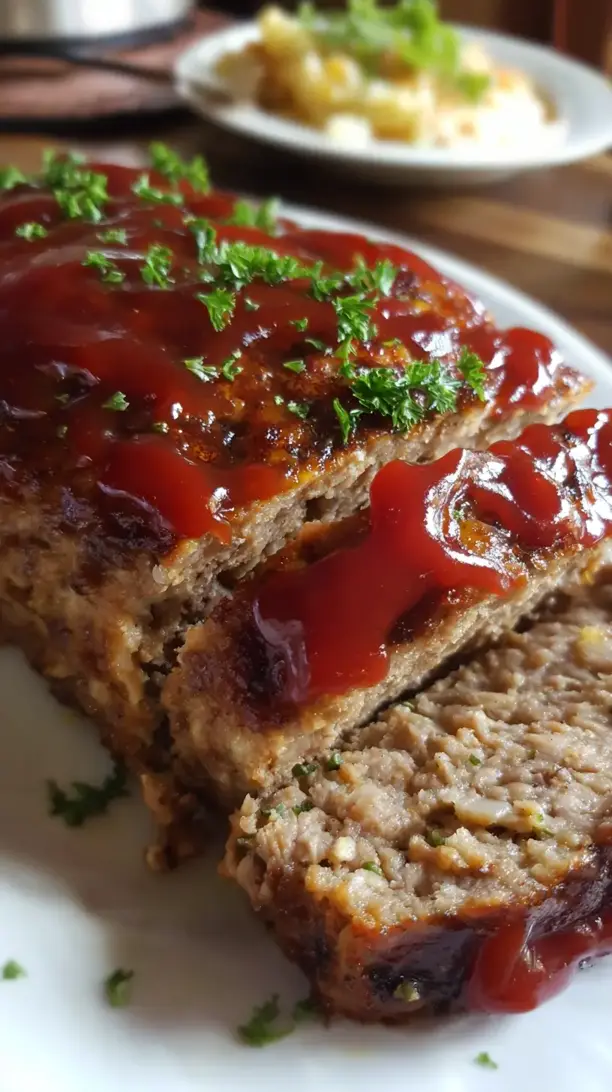
Meatloaf With Oatmeal
Make the best Meatloaf with Oatmeal! This easy recipe is moist, tender, and perfect for a family dinner. Get the simple, step-by-step guide now.
Ingredients
For the Meatloaf
-
1.5 lbs ground beef (80/20 blend is ideal for flavor and moisture)
-
1 cup old-fashioned rolled oats (not instant or steel-cut)
-
1 large egg (lightly beaten)
-
1/2 cup whole milk
-
1 medium yellow onion (finely diced)
-
2 cloves garlic (minced)
-
1 tbsp Worcestershire sauce
-
1 tsp dried thyme
-
1.5 tsp kosher salt
-
1/2 tsp freshly ground black pepper
For the Glaze
-
1/2 cup ketchup
-
2 tbsp brown sugar
-
1 tbsp apple cider vinegar
Instructions
-
First, preheat your oven to 375°F (190°C). This gives it plenty of time to reach the right temperature for even cooking. While it's heating, grab a skillet and place it over medium heat. Add a tiny drizzle of oil and toss in your finely diced onion. You’ll want to cook these for about 5-7 minutes, until they’ve softened and turned translucent. Stir in the minced garlic for the last minute, just until it becomes fragrant. Set this mixture aside to cool slightly—this is important so it doesn't start cooking the egg when you mix everything.01
-
In your large mixing bowl, combine the ground beef, old-fashioned rolled oats, and the slightly cooled onion and garlic mixture. The trick is to create a well in the center of this meaty mountain. Into that well, pour the lightly beaten egg, the milk, Worcestershire sauce, dried thyme, salt, and pepper. This method helps distribute the wet ingredients more evenly before you start mixing.02
-
Now, it's time to get your hands in there—it's the best tool for the job! Gently mix everything together. You’ll notice the oats and milk beginning to hydrate and bind with the meat. Mix just until everything is incorporated; you should still see distinct pieces of oat. Remember, stop as soon as there are no more dry pockets. Overmixing is the enemy of a tender texture.03
-
Transfer the meat mixture to your ungreased 9x5-inch loaf pan. Why no grease? The fat from the beef will render out, preventing it from sticking. Use your hands to press the mixture firmly and evenly into the pan, making sure to get it into the corners. A smooth, slightly domed top is what you're aiming for.04
-
In a small bowl, whisk together the ketchup, brown sugar, and apple cider vinegar for the glaze. You'll get a smooth, pourable sauce. Spoon this glaze evenly over the top of the meatloaf, using the back of the spoon to spread it right to the edges. This sweet and tangy layer is going to caramelize beautifully in the oven.05
-
Carefully place the loaf pan in the preheated oven and bake for 50-60 minutes. The meatloaf is done when the top is nicely browned and the glaze is bubbly. The most accurate way to check is with an instant-read thermometer inserted into the center—it should read 160°F (71°C). Once it's there, pull it from the oven.06
-
This is a crucial resting step! Let the meatloaf sit in the pan on a wire rack for at least 10-15 minutes before you even think about slicing it. This allows the juices to redistribute throughout the loaf. If you cut into it right away, all those lovely juices will run out, leaving you with a drier result. After it rests, use a spatula to loosen the edges, then carefully lift it out onto a cutting board to slice.07
Not what you're looking for?