
This Moroccan Beef Tagine transforms humble ingredients into a fragrant, deeply comforting stew. It fills your kitchen with incredible aromas of sweet spices, tender beef, and earthy dried fruits. The slow-cooked process is wonderfully straightforward and rewards patience with layers of flavor.
Looking for Moroccan Beef Tagine inspiration? You'll love what we have! Explore more Stew recipes or discover our Chicken Thigh Recipes favorites.
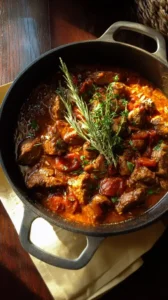


Why You’ll Love This Moroccan Beef Tagine
One-pot wonder: Brown, simmer, and enjoy with minimal cleanup.
Complex yet simple spices: Warm cinnamon, cumin, and paprika create depth without obscure ingredients.
Forgiving & flexible: Swap proteins, vegetables, or dried fruits to make it your own.
Better next day: Flavors meld and deepen overnight for easy make-ahead meals.
Ingredients & Tools
- 1 kg beef chuck or stewing beef, cut into 3-4 cm cubes
- 2 tbsp olive oil
- 1 large onion, finely chopped
- 3 garlic cloves, minced
- 1 tbsp grated fresh ginger
- 1 tsp ground cumin
- 1 tsp ground coriander
- 1 tsp sweet paprika
- ½ tsp ground cinnamon
- ¼ tsp cayenne pepper (optional, for a little heat)
- 400 g can of chopped tomatoes
- 500 ml beef stock
- 2 large carrots, cut into thick chunks
- 100 g pitted prunes
- 50 g dried apricots, halved
- 1 preserved lemon, pulp removed and rind finely chopped (or zest of 1 lemon)
- 1 tbsp honey
- Small handful of fresh coriander, chopped
- Salt and black pepper to taste
Tools: A large, heavy-based casserole dish or Dutch oven with a tight-fitting lid (a tagine pot if you have one!), a sharp knife, and a wooden spoon.
Don’t worry if you don’t have a traditional tagine pot—a good heavy casserole dish works perfectly. The key is a pot that distributes heat evenly and holds moisture well for that tender, fall-apart result.
Nutrition (per serving)
| Calories: | 420 kcal |
| Protein: | 35 g |
| Fat: | 18 g |
| Carbs: | 32 g |
| Fiber: | 6 g |
Serves: 6 | Prep Time: 20 minutes | Cook Time: 2 hours 30 minutes | Total Time: 2 hours 50 minutes
Before You Start: Tips & Ingredient Notes
- Choosing the right cut of beef is crucial. You want a cut with some marbling and connective tissue, like chuck or shin. These break down during the long, slow cook, becoming incredibly tender and flavorful. Lean cuts will just become tough and dry.
- Don’t rush the browning step. This is where you build a ton of flavor. Get your pot nice and hot, pat the beef dry, and don’t overcrowd the pan. You’re looking for a proper, dark brown crust, not just grey meat.
- Get to know your spices. If your ground spices have been sitting in the cupboard for over a year, they’ve likely lost their punch. Toasting whole spices and grinding them yourself is fantastic, but even just buying fresh jars will make a world of difference.
- Preserved lemon is a game-changer. It adds a unique, salty, fermented citrus tang that’s signature to tagines. You can find it in most large supermarkets now, but if you can’t, fresh lemon zest is a good substitute—it just won’t have that same complex funk.
How to Make Moroccan Beef Tagine
Step 1: Brown the Beef. Pat the beef cubes completely dry with kitchen paper—this is the secret to getting a good sear. Season generously with salt and pepper. Heat the olive oil in your large casserole dish over a medium-high heat. Working in batches to avoid steaming, add the beef and sear for 3-4 minutes on each side until you have a deep, brown crust. Transfer the browned beef to a plate and set aside. You’ll notice those browned bits stuck to the bottom of the pot—that’s pure flavor, so don’t scrub them away!
Step 2: Soften the Aromatics. Reduce the heat to medium and add the chopped onion to the same pot. Cook for 6-8 minutes, stirring occasionally, until softened and starting to turn golden. Add the minced garlic and grated ginger and cook for another minute until fragrant—be careful not to let the garlic burn. The smell at this stage is just incredible.
Step 3: Bloom the Spices. Now, add all your ground spices—the cumin, coriander, paprika, cinnamon, and cayenne if using. Stir them into the onions and cook for about 60 seconds. You’ll notice the color deepen and the aroma become even more intense. This quick toasting, or “blooming,” wakes the spices up and releases their essential oils, giving you a much richer base flavor.
Step 4: Build the Braising Liquid. Pour in the chopped tomatoes and the beef stock, and use your wooden spoon to scrape all those delicious browned bits from the bottom of the pot. This is called deglazing, and it’s a simple step that adds a huge amount of depth. Return the seared beef and any accumulated juices back to the pot. Give everything a good stir, then bring it to a gentle simmer.
Step 5: The Long, Slow Cook. Once simmering, cover the pot with its lid, reduce the heat to low, and let it cook gently for 1 hour and 30 minutes. You want the liquid to be just barely bubbling. Resist the urge to lift the lid too often—you’ll let the precious steam and heat escape. The beef will be starting to tenderize beautifully during this time.
Step 6: Add the Fruits and Vegetables. After 90 minutes, stir in the chunked carrots, prunes, dried apricots, preserved lemon, and honey. The sweetness from the fruit and honey will balance the spices and tomatoes perfectly. Cover the pot again and continue to cook for another 45 minutes to 1 hour, or until the beef is fork-tender and the carrots are cooked through but still have a little bite.
Step 7: Final Adjustments. Take the lid off and have a taste. The sauce should have thickened slightly and taken on a beautiful, glossy appearance. Adjust the seasoning with more salt and pepper if it needs it. If the sauce is a little too thin for your liking, you can let it simmer uncovered for the last 10-15 minutes to reduce further. Stir through most of the fresh coriander just before serving.
Storage & Freshness Guide
- Fridge: Cool completely and store in an airtight container for up to 3 days.
- Freezer: Freeze in airtight containers or heavy-duty freezer bags for up to 3 months.
- Reviving: Thaw overnight in fridge if frozen. Reheat gently on stove with a splash of water to loosen sauce.
Serving Suggestions
Complementary Dishes
- Fluffy Couscous — The absolute classic. The tiny grains are perfect for soaking up every last drop of the fragrant sauce. For extra flavor, cook the couscous in stock instead of water and stir through some chopped herbs and a knob of butter.
- Warm, Buttery Flatbreads — There’s something so satisfying about tearing off a piece of soft, warm bread and using it to scoop up the tender beef and vegetables. It’s interactive, messy, and completely delicious.
- A Simple Chickpea Salad — Toss canned chickpeas with chopped cucumber, tomato, red onion, lemon juice, and olive oil. Its fresh, zingy crunch provides a lovely contrast to the rich, soft tagine.
Drinks
- Mint Tea — The traditional Moroccan choice. Its sweet, refreshing qualities cleanse the palate beautifully between bites of the spiced stew. It’s a non-negotiable part of the experience.
- A Robust Red Wine — A Grenache or Syrah with soft tannins and dark fruit notes can stand up to the bold spices without overpowering them. It’s a wonderfully cozy pairing for a chilly evening.
Something Sweet
- Orange and Cinnamon Salad — Thinly sliced oranges sprinkled with a little cinnamon and perhaps a drizzle of orange flower water. It’s light, fragrant, and continues the citrus and spice theme in the most refreshing way.
- Baklava — For a truly indulgent finish, the honey-sweetened, nutty, flaky pastry is a perfect match for the warm spices you’ve just enjoyed. A small piece with a strong coffee is pure bliss.
Top Mistakes to Avoid
- Mistake: Overcrowding the pan when browning the beef. If you put too much meat in at once, the temperature drops and the beef steams instead of sears. You’ll miss out on all that beautiful, flavorful crust. I’ve messed this up before too—patience is key!
- Mistake: Boiling the tagine instead of simmering it. A rolling boil will make the beef tough and chewy. You want the barest suggestion of bubbles—a gentle, lazy simmer—to break down the connective tissue slowly and create that melt-in-the-mouth texture.
- Mistake: Adding the dried fruit too early. If you put the prunes and apricots in at the beginning, they’ll completely disintegrate into the sauce after two hours of cooking. Adding them in the last 45 minutes gives them time to plump up and soften while still holding their shape.
- Mistake: Skipping the taste test at the end. Slow-cooked dishes often need a final flavor adjustment. After all that cooking, check for salt, pepper, and even a tiny extra pinch of spice or a squeeze of lemon juice to brighten everything up.
Expert Tips
- Tip: Make it a day ahead. The flavors in a tagine deepen and harmonize magnificently overnight in the fridge. Simply cool it completely, store it covered, and gently reheat it on the stove the next day. It will taste even more incredible.
- Tip: Use a diffuser if you have an electric stove. Electric hobs can sometimes provide uneven, intense heat that’s tricky for a long simmer. A heat diffuser placed between the burner and your pot can help maintain that steady, gentle heat you’re after.
- Tip: Customize your vegetables. Feel free to swap the carrots for sweet potatoes, parsnips, or even add some green olives for a salty kick. Tagines are wonderfully adaptable to what you have on hand.
- Tip: Thicken the sauce without flour. If you prefer a thicker sauce but want to keep it gluten-free, mash a few of the cooked carrot pieces against the side of the pot and stir them in. They’ll naturally thicken the stew.
FAQs
Can I make this Moroccan Beef Tagine in a slow cooker?
Absolutely! It’s a fantastic slow cooker recipe. Just follow the steps to brown the beef and soften the onions and spices in a pan first—this step is too important for flavor to skip. Then transfer everything (except the fresh coriander) to your slow cooker and cook on low for 7-8 hours, or on high for 4-5 hours. The long, gentle heat is perfect for achieving that fall-apart tenderness.
I don’t have preserved lemon. What can I use instead?
No problem! The zest of one fresh lemon is the best substitute. To mimic the salty tang, you could add the zest along with a tiny squeeze of the lemon juice right at the end of cooking. It won’t be exactly the same, but it will still give you that essential citrus brightness that cuts through the richness.
How can I store and reheat leftovers?
Leftovers will keep beautifully in an airtight container in the fridge for up to 3 days. You can also freeze it for up to 3 months. To reheat, thaw overnight in the fridge if frozen, then warm gently in a pot on the stove over a low heat, adding a tiny splash of water if the sauce has thickened too much. Avoid the microwave if you can, as it can make the beef a bit rubbery.
Is this dish very spicy?
Not at all in terms of heat. The spices we use are warm and aromatic—cinnamon, cumin, coriander—rather than hot. The optional cayenne pepper adds just a subtle warmth. If you’re sensitive to spice, you can leave it out completely and still have a wonderfully flavorful, family-friendly stew.
Can I use lamb instead of beef?
Definitely! Lamb shoulder, cut into cubes, is a traditional and delicious alternative. It has a richer, slightly gamier flavor that pairs wonderfully with the sweet fruits and spices. The cooking method and times remain exactly the same. You really can’t go wrong.


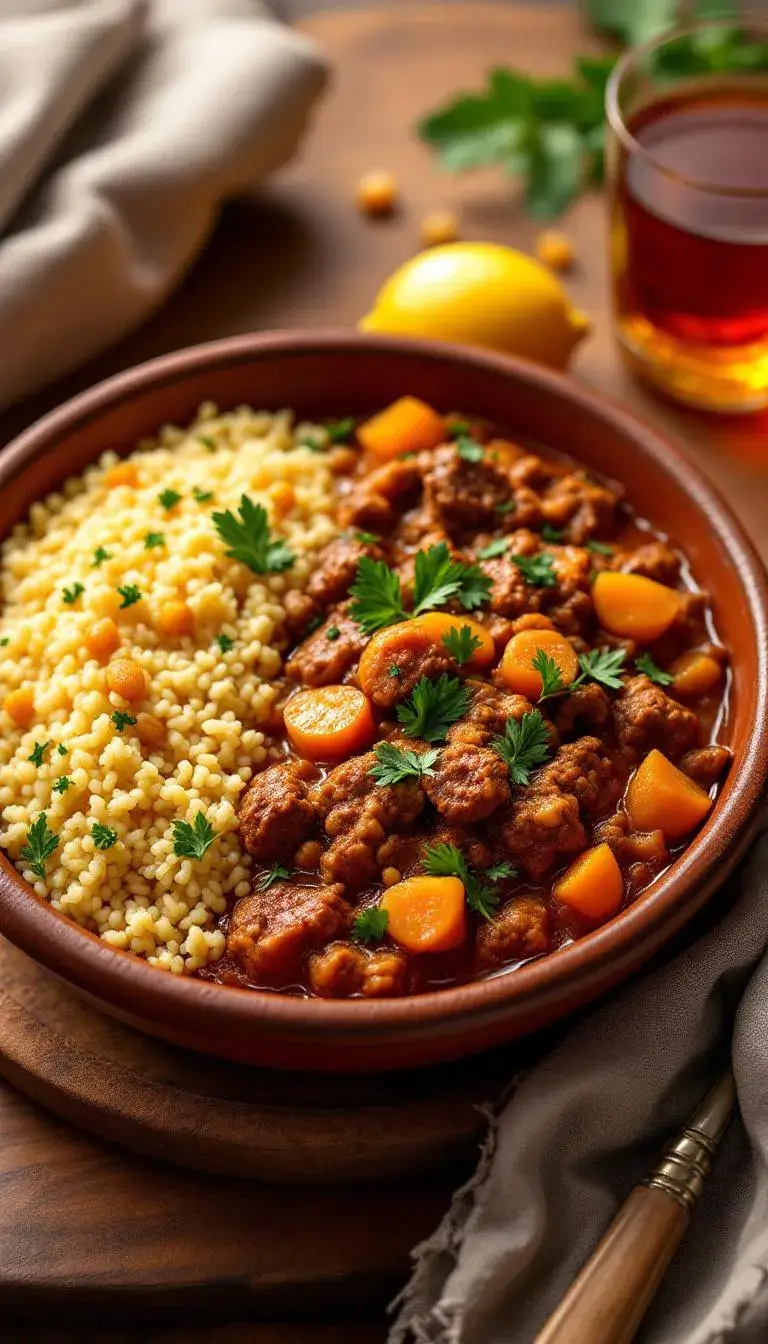
Moroccan Beef Tagine
Learn how to make an authentic Moroccan Beef Tagine with tender meat, sweet fruits, and warm spices. This easy one-pot recipe is perfect for a cozy dinner. Get the recipe now!
Ingredients
For the Ingredients
-
1 kg beef chuck or stewing beef (cut into 3-4 cm cubes)
-
2 tbsp olive oil
-
1 large onion (finely chopped)
-
3 garlic cloves (minced)
-
1 tbsp grated fresh ginger
-
1 tsp ground cumin
-
1 tsp ground coriander
-
1 tsp sweet paprika
-
0.5 tsp ground cinnamon
-
0.25 tsp cayenne pepper (optional, for a little heat)
-
400 g can of chopped tomatoes
-
500 ml beef stock
-
2 large carrots (cut into thick chunks)
-
100 g pitted prunes
-
50 g dried apricots (halved)
-
1 preserved lemon (pulp removed and rind finely chopped (or zest of 1 lemon))
-
1 tbsp honey
-
1 small handful fresh coriander (chopped)
-
Salt and black pepper (to taste)
Instructions
-
Pat beef cubes dry and season generously with salt and pepper. Heat olive oil over medium-high, sear beef in batches 3–4 minutes per side until deeply browned. Transfer to a plate.01
-
Reduce heat to medium. In the same pot, add chopped onion; cook 6–8 minutes until softened and lightly golden. Stir in minced garlic and grated ginger; cook 1 minute.02
-
Add cumin, coriander, paprika, cinnamon, and optional cayenne. Stir ~60 seconds to bloom spices until fragrant.03
-
Pour in chopped tomatoes and beef stock; scrape up browned bits to deglaze. Return seared beef (and juices) to the pot and bring to a gentle simmer.04
-
Cover, reduce heat to low, and simmer 1 hour 30 minutes, maintaining a very gentle bubble.05
-
Stir in chunked carrots, prunes, dried apricots, preserved lemon, and honey. Cover and cook another 45–60 minutes until beef is fork-tender and carrots are just tender.06
-
Uncover; if needed, simmer 10–15 minutes to reduce and thicken. Taste and season with salt and pepper.07
-
Stir through most of the chopped fresh coriander, reserving some for garnish. Serve hot.08
Not what you're looking for?


