
This Moroccan Pork Stew is a deeply flavorful one-pot meal that fills your home with an incredible aroma. It combines tender pork shoulder with warming spices, sweet dried apricots, and hearty chickpeas for a comforting, exotic dish. The slow simmer yields succulent, fall-apart pork in a rich, complex sauce.
Love Moroccan Pork Stew? So do we! If you're into Stew or curious about Appetizer Recipes, you'll find plenty of inspiration below.


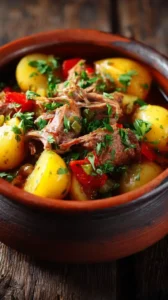
Why You’ll Love This Moroccan Pork Stew
- Flavor adventure: Sweet, savory, and spicy notes create a complex yet harmonious dish.
- Set-and-forget ease: After initial sautéing, the stew simmers unattended for hours.
- Versatile leftovers: Tastes even better the next day and pairs with couscous, rice, or bread.
- Crowd-pleasing presentation: Vibrant colors and fresh herbs make it look as beautiful as it tastes.
Ingredients & Tools
- 1.5 kg pork shoulder (Boston butt), cut into 3-4 cm chunks
- 2 tbsp olive oil
- 1 large yellow onion, diced
- 4 cloves garlic, minced
- 1 tbsp fresh ginger, grated
- 2 tsp ground cumin
- 1.5 tsp ground cinnamon
- 1 tsp smoked paprika
- 1/2 tsp ground turmeric
- 1-2 tsp harissa paste (adjust to your heat preference)
- 400 g can of chopped tomatoes
- 750 ml chicken stock
- 150 g dried apricots, halved
- 400 g can chickpeas, drained and rinsed
- 1 large sweet potato, peeled and cut into 2 cm chunks
- Salt and freshly ground black pepper
- To serve: Fresh coriander or parsley, toasted flaked almonds, lemon wedges
Tools: A large, heavy-bottomed pot or Dutch oven (this is essential for even heat distribution).
Notes: Don’t be intimidated by the spice list—this is where the magic happens! Using a good, fatty cut of pork like shoulder is non-negotiable for that melt-in-your-mouth texture after the long cook. And the harissa… it’s not just about heat; it adds a wonderful smoky, fruity depth that really ties everything together.
Nutrition (per serving)
| Calories: | 580 kcal |
| Protein: | 42 g |
| Fat: | 22 g |
| Carbs: | 52 g |
| Fiber: | 10 g |
Serves: 6 | Prep Time: 20 minutes | Cook Time: 2 hours 15 minutes | Total Time: 2 hours 35 minutes
Before You Start: Tips & Ingredient Notes
- Don’t skip browning the pork. This is the single most important step for building a deep, rich flavor base. You’re not just cooking the meat; you’re creating those delicious browned bits (fond) at the bottom of the pot that will dissolve into the sauce later, making it incredibly flavorful.
- What if I can’t find harissa? No panic! You can substitute with 1/2 to 1 teaspoon of cayenne pepper or a good-quality chili powder mixed with a tiny squeeze of tomato paste to mimic the complexity. It won’t be identical, but it’ll still be delicious.
- Choosing your pork shoulder. Look for a piece with good marbling—those white streaks of fat are your friends. They’ll slowly render and baste the meat from the inside, ensuring it stays juicy and tender throughout the long cooking process.
- Dried apricots are key. They provide a necessary sweet counterpoint to the spices. Don’t be tempted to use fresh ones, as they’ll turn to mush. The dried fruit plumps up beautifully, offering little bursts of sweetness in every bite.
How to Make Moroccan Pork Stew
Step 1: Pat the pork shoulder pieces completely dry with paper towels—this is crucial for getting a proper sear, not a steam. Season generously on all sides with salt and pepper. Heat the olive oil in your large Dutch oven over medium-high heat until it shimmers. Working in batches to avoid crowding the pan, add the pork and sear until a deep golden-brown crust forms on all sides, about 3-4 minutes per side. Transfer the browned pork to a plate and set aside.
Step 2: Reduce the heat to medium. In the same pot, with all those lovely pork drippings and browned bits, add the diced onion. Sauté for about 5-6 minutes, stirring occasionally, until the onion has softened and turned translucent. You’ll notice the bottom of the pot starting to look a bit dark—that’s the fond, and it’s pure flavor gold! Add the minced garlic and grated ginger and cook for another minute until incredibly fragrant.
Step 3: Now for the spice bloom! Add all the ground spices—the cumin, cinnamon, smoked paprika, and turmeric—directly to the onion mixture. Stir constantly for about 30 seconds. You’ll smell their aromas intensify and become wonderfully fragrant. This quick toasting process wakes the spices up and unlocks their full potential.
Step 4: Stir in the harissa paste until it’s well combined with the onion and spice mixture. Then, pour in the chopped tomatoes and chicken stock. Use your spoon to scrape up all those browned bits from the bottom of the pot—this is called deglazing, and it’s where you capture all that built-up flavor. Bring the liquid to a simmer.
Step 5: Return the seared pork and any accumulated juices back to the pot. Stir everything together, then reduce the heat to low. Cover the pot with a lid and let it simmer gently for 1 hour and 15 minutes. You should hear a soft, occasional bubble—this is the slow braise that will start to tenderize the pork.
Step 6: After the first cook, stir in the chunked sweet potato, dried apricots, and rinsed chickpeas. The stew will look quite liquidy at this point, which is perfect. Return the lid and continue to simmer for another 45 minutes to 1 hour, or until both the pork and the sweet potato are fork-tender. The pork should practically fall apart when pressed with a fork.
Step 7: Once everything is tender, take the lid off. If the sauce seems a bit thin for your liking, you can let it simmer uncovered for another 10-15 minutes to reduce and thicken slightly. Do a final taste test and adjust the seasoning with more salt, pepper, or even a pinch of harissa if you want more heat.
Step 8: To serve, ladle the stew into deep bowls. Garnish generously with a handful of fresh, chopped coriander or parsley, a sprinkle of toasted flaked almonds for a lovely crunch, and a good squeeze of fresh lemon juice from a wedge served on the side. The lemon brightens all the flavors beautifully.
Storage & Freshness Guide
- Fridge: Cool completely and store in an airtight container for up to 4 days.
- Freezer: Freeze in airtight containers for up to 3 months. Thaw overnight in refrigerator before reheating.
- Reviving: Reheat gently on the stovetop, adding a splash of water or stock if sauce is too thick.
Serving Suggestions
Complementary Dishes
- Fluffy Couscous — The tiny grains are perfect for soaking up every last drop of the fragrant sauce. It’s a classic pairing for a reason.
- Warm, Buttery Flatbreads — There’s nothing quite like tearing off a piece of soft, warm bread and using it to scoop up a big bite of stew, chickpeas, and apricots.
- A Simple Green Salad with a Lemon Vinaigrette — The crisp, sharp freshness of the salad provides a perfect, palate-cleansing contrast to the rich, spiced stew.
Drinks
- Mint Tea — The traditional Moroccan choice. Its sweet, refreshing quality cuts through the richness of the stew and cleanses the palate between bites.
- A Robust Red Wine like a Syrah/Shiraz or Grenache — These wines have enough body and peppery or dark fruit notes to stand up to the bold spices without being overwhelmed.
- A Crisp, Cold Pilsner — The effervescence and slight bitterness of a good lager are fantastic for cutting through the fat and spice, making each mouthful feel new again.
Something Sweet
- Orange and Cinnamon Olive Oil Cake — The citrus and spice notes in the cake are a beautiful, gentle echo of the flavors in the stew, making for a wonderfully cohesive end to the meal.
- Baklava — The honeyed sweetness and flaky, nutty layers are a decadent and celebratory finish that feels truly special after such a hearty main course.
- Vanilla Bean Ice Cream with a Drizzle of Date Syrup — Sometimes, simple is best. The cool, creamy vanilla is a perfect, soothing counterpoint to the complex, warm spices you’ve just enjoyed.
Top Mistakes to Avoid
- Mistake: Crowding the pan when browning the pork. If you add too much meat at once, the pot’s temperature plummets, and the pork will steam and release its liquid instead of searing. This means you miss out on all that beautiful, flavorful browning. I’ve messed this up before too, impatient to get it all done—trust me, batches are worth it.
- Mistake: Adding the sweet potatoes and apricots at the beginning. These ingredients need less time to cook than the pork. If you add them at the start, the sweet potato will disintegrate into mush and the apricots will become overly soft and lose their shape. Timing is everything for the perfect texture.
- Mistake: Boiling the stew instead of simmering it. A gentle simmer is what you want for a braise. A rolling boil will make the pork tough and chewy, and it can cause the sauce to reduce too quickly, potentially leading to a burnt bottom. Keep the heat low and patient.
- Mistake: Skipping the final garnish. The fresh herbs, crunchy almonds, and lemon wedge aren’t just for looks. They add crucial layers of fresh flavor, textural contrast, and brightness that lift the entire dish and make it truly restaurant-quality.
Expert Tips
- Tip: Make it a day ahead. Stews like this are famously better the next day. The flavors have more time to marry and deepen. Simply cool it completely, store it in the fridge overnight, and gently reheat it on the stove the next day. You’ll be amazed at the difference.
- Tip: Use the fat cap. When you trim your pork shoulder, don’t throw away a large, solid piece of fat. Render it down in the pot first to cook your onions in. It adds an incredible, unctuous pork flavor that oil just can’t match.
- Tip: For a thicker sauce, mash a few beans. If you prefer a thicker, more gravy-like consistency without reducing it (which can intensify saltiness), simply take a fork and mash a small spoonful of the chickpeas against the side of the pot, then stir them back in. They’ll act as a natural thickener.
- Tip: Brown the meat in a single layer, even if it takes three batches. I know it feels tedious, but this is the secret to a deeply colored, flavorful fond and perfectly seared meat. A little patience here pays off exponentially in the final taste.
FAQs
Can I make this Moroccan Pork Stew in a slow cooker?
Absolutely! It adapts beautifully. Just follow steps 1 through 4 in a skillet on the stove to properly brown the pork and sauté the aromatics—this step is too important to skip. Then, transfer everything (including the deglazed skillet contents) into your slow cooker, add the stock, tomatoes, and pork, but hold the sweet potato, chickpeas, and apricots. Cook on low for 6-7 hours or high for 3-4 hours. Add the remaining ingredients in the last hour of cooking so they don’t turn to mush.
What cut of pork can I use instead of shoulder?
Pork shoulder is ideal because of its high fat and connective tissue content, which breaks down into tenderness. If you must substitute, pork leg (fresh ham) is a leaner option but can work if you’re very careful not to overcook it. Avoid loin or tenderloin—they are too lean and will become dry and tough with this long cooking method.
How can I store and reheat the leftovers?
Leftovers will keep beautifully in an airtight container in the refrigerator for up to 4 days. The flavors get even better! To reheat, do so gently on the stovetop over low heat, adding a small splash of water or stock if the sauce has thickened too much. You can also reheat single portions in the microwave, stirring every 30 seconds until hot.
Is this stew spicy?
It’s warmly spiced rather than blow-your-head-off spicy. The heat level is completely controllable based on the harissa. Start with 1 teaspoon for a very mild warmth, or go up to 2 teaspoons (or more!) if you like a kick. Remember, the sweet apricots and creamy chickpeas do a great job of balancing out the heat.
Can I freeze this stew?
Yes, it freezes exceptionally well! Cool it completely, then transfer to freezer-safe containers or bags, leaving a little space for expansion. It will keep for up to 3 months. To serve, thaw overnight in the refrigerator and reheat gently on the stove. The texture of the potatoes and chickpeas might be a tiny bit softer, but the flavor will be fantastic.




Moroccan Pork Stew
Make this easy, one-pot Moroccan Pork Stew with tender pork, apricots, and chickpeas. A flavorful, set-and-forget meal perfect for dinner. Get the recipe now!
Ingredients
For the Stew
-
1.5 kg pork shoulder (Boston butt, cut into 3-4 cm chunks)
-
2 tbsp olive oil
-
1 large yellow onion (diced)
-
4 cloves garlic (minced)
-
1 tbsp fresh ginger (grated)
-
2 tsp ground cumin
-
1.5 tsp ground cinnamon
-
1 tsp smoked paprika
-
0.5 tsp ground turmeric
-
1-2 tsp harissa paste (adjust to your heat preference)
-
400 g can of chopped tomatoes
-
750 ml chicken stock
-
150 g dried apricots (halved)
-
400 g can chickpeas (drained and rinsed)
-
1 large sweet potato (peeled and cut into 2 cm chunks)
-
Salt and freshly ground black pepper
For the To Serve
-
Fresh coriander or parsley
-
toasted flaked almonds
-
lemon wedges
Instructions
-
Pat the pork shoulder pieces completely dry with paper towels—this is crucial for getting a proper sear, not a steam. Season generously on all sides with salt and pepper. Heat the olive oil in your large Dutch oven over medium-high heat until it shimmers. Working in batches to avoid crowding the pan, add the pork and sear until a deep golden-brown crust forms on all sides, about 3-4 minutes per side. Transfer the browned pork to a plate and set aside.01
-
Reduce the heat to medium. In the same pot, with all those lovely pork drippings and browned bits, add the diced onion. Sauté for about 5-6 minutes, stirring occasionally, until the onion has softened and turned translucent. You’ll notice the bottom of the pot starting to look a bit dark—that’s the fond, and it’s pure flavor gold! Add the minced garlic and grated ginger and cook for another minute until incredibly fragrant.02
-
Now for the spice bloom! Add all the ground spices—the cumin, cinnamon, smoked paprika, and turmeric—directly to the onion mixture. Stir constantly for about 30 seconds. You’ll smell their aromas intensify and become wonderfully fragrant. This quick toasting process wakes the spices up and unlocks their full potential.03
-
Stir in the harissa paste until it’s well combined with the onion and spice mixture. Then, pour in the chopped tomatoes and chicken stock. Use your spoon to scrape up all those browned bits from the bottom of the pot—this is called deglazing, and it’s where you capture all that built-up flavor. Bring the liquid to a simmer.04
-
Return the seared pork and any accumulated juices back to the pot. Stir everything together, then reduce the heat to low. Cover the pot with a lid and let it simmer gently for 1 hour and 15 minutes. You should hear a soft, occasional bubble—this is the slow braise that will start to tenderize the pork.05
-
After the first cook, stir in the chunked sweet potato, dried apricots, and rinsed chickpeas. The stew will look quite liquidy at this point, which is perfect. Return the lid and continue to simmer for another 45 minutes to 1 hour, or until both the pork and the sweet potato are fork-tender. The pork should practically fall apart when pressed with a fork.06
-
Once everything is tender, take the lid off. If the sauce seems a bit thin for your liking, you can let it simmer uncovered for another 10-15 minutes to reduce and thicken slightly. Do a final taste test and adjust the seasoning with more salt, pepper, or even a pinch of harissa if you want more heat.07
-
To serve, ladle the stew into deep bowls. Garnish generously with a handful of fresh, chopped coriander or parsley, a sprinkle of toasted flaked almonds for a lovely crunch, and a good squeeze of fresh lemon juice from a wedge served on the side. The lemon brightens all the flavors beautifully.08
Not what you're looking for?


