This One Pot Chicken Pasta is a magical weeknight dinner with tender chicken, al dente pasta, and a rich tomato sauce all cooked together in one vessel. It’s a comfort food classic that delivers maximum flavor with minimal cleanup. You’ll love how simple and satisfying this one-pot wonder is.
Nothing beats a great One Pot Chicken Pasta. Whether you're a fan of Dinner Ideas or want to try something from our Chicken Breast Recipes selection, keep scrolling!



Why You’ll Love This One Pot Chicken Pasta
- Minimal cleanup: Just one pot from start to finish.
- Beautifully melded flavors: Pasta absorbs the savory chicken and tomato essence.
- Incredibly adaptable: Easy to customize with your favorite add-ins.
- True comfort food: A steaming, hearty bowl that feels like a hug.
Ingredients & Tools
- 1 lb boneless, skinless chicken breasts or thighs, cut into 1-inch pieces
- 1 medium yellow onion, finely diced
- 4 cloves garlic, minced
- 1 (14.5 oz) can diced tomatoes, with their juices
- 4 cups low-sodium chicken broth
- 12 oz short pasta like penne, rigatoni, or fusilli
- 1 tsp dried oregano
- 1/2 tsp dried basil
- 1/4 cup heavy cream or half-and-half (optional, for richness)
- 1 cup freshly grated Parmesan cheese, plus more for serving
- 2 tbsp olive oil
- To taste: kosher salt and freshly ground black pepper
- For garnish: fresh basil or parsley, chopped
Tools: A large Dutch oven or heavy-bottomed pot with a tight-fitting lid.
Notes: Don’t skip the fresh Parmesan—it adds a salty, umami punch. The quality of your chicken broth matters as it forms the base of your sauce.
Nutrition (per serving)
| Calories: | 520 kcal |
| Protein: | 35 g |
| Fat: | 14 g |
| Carbs: | 60 g |
| Fiber: | 4 g |
Serves: 4 | Prep Time: 10 minutes | Cook Time: 25 minutes | Total Time: 35 minutes
Before You Start: Tips & Ingredient Notes
- Don’t skimp on the pot size. You need a large, heavy-bottomed pot or Dutch oven (around 5-6 quarts is perfect) to give the pasta enough room to cook evenly without bubbling over. A pot that’s too small will lead to a sticky, uneven mess.
- Cut your chicken uniformly. Try to get all your chicken pieces to a similar 1-inch size. This ensures they all cook through at the same time, so you don’t end up with some perfectly cooked pieces and others that are dry and overdone.
- Use a short, sturdy pasta. Shapes like penne, rigatoni, or rotini hold up best to the one-pot cooking method. Long, thin pasta like spaghetti can become clumpy and is harder to submerge in the liquid.
- Trust the process with the liquid. It might look like a lot of broth at the beginning, but the pasta will absorb it as it cooks, creating a luxurious sauce. Resist the urge to add less liquid, or your pasta will be undercooked and your sauce too thick.
How to Make One Pot Chicken Pasta
Step 1: Pat your chicken pieces dry with a paper towel and season them generously with salt and pepper. This step is crucial for getting a nice sear and building flavor from the very beginning. Heat the olive oil in your large pot over medium-high heat until it shimmers.
Step 2: Add the chicken to the hot pot in a single layer, being careful not to overcrowd it—you might need to do this in two batches. Let the chicken cook undisturbed for 2-3 minutes per side until it develops a beautiful golden-brown crust. It doesn’t need to be cooked through at this point. Remove the chicken to a clean plate and set it aside.
Step 3: Reduce the heat to medium and add the diced onion to the same pot. You’ll notice all those browned bits from the chicken at the bottom—that’s pure flavor! Sauté the onion for about 4-5 minutes until it becomes soft and translucent. Then, add the minced garlic and cook for another 60 seconds until it becomes incredibly fragrant.
Step 4: Now, pour in the entire can of diced tomatoes with their juices and the chicken broth. Use your wooden spoon to scrape up all those delicious browned bits from the bottom of the pot—this is called deglazing, and it’s the secret to a deeply flavorful sauce. Stir in the dried oregano and basil.
Step 5: Add the uncooked pasta directly to the pot and give everything a good stir to ensure all the pasta is submerged in the liquid. Bring the mixture to a lively boil, then immediately reduce the heat to a steady simmer. Cover the pot with a lid.
Step 6: Let the pasta simmer for about 12-15 minutes, stirring every 4-5 minutes to prevent sticking. You’ll notice the liquid will start to reduce and thicken as the pasta releases its starch. The pasta should be al dente—tender but still with a slight bite.
Step 7: Once the pasta is cooked, stir the seared chicken (and any accumulated juices) back into the pot. If you’re using the heavy cream, now is the time to stir it in for a touch of richness and creaminess. Let everything heat through for a final 2-3 minutes.
Step 8: Turn off the heat. Stir in the freshly grated Parmesan cheese until it melts and creates a silky, cohesive sauce. Do a final taste test and adjust the seasoning with more salt and pepper if needed. The sauce should be glossy and cling beautifully to the pasta and chicken.
Step 9: Garnish your magnificent one-pot creation with a generous sprinkle of more Parmesan and some chopped fresh basil or parsley. Serve it immediately while it’s still steaming hot and the flavors are at their peak.
Storage & Freshness Guide
- Fridge: Cool completely and store in an airtight container for up to 3 days.
- Freezer: Freeze in portions for up to 2 months. Thaw overnight in fridge before reheating.
- Reviving: Reheat gently on the stovetop with a splash of broth or water to loosen the sauce.
Serving Suggestions
Complementary Dishes
- A simple arugula salad — The peppery bite of arugula dressed with a sharp lemon vinaigrette provides a bright, crisp contrast to the rich and savory pasta.
- Garlic bread or focaccia — You’ll want something to soak up every last bit of that delicious sauce, and a crunchy, buttery piece of garlic bread is the perfect tool for the job.
- Roasted green beans with almonds — Their tender-crisp texture and nutty flavor add a lovely vegetable component that complements the meal without overpowering it.
Drinks
- A medium-bodied red wine like a Chianti — Its bright acidity and cherry notes cut through the richness of the tomato sauce and cheese beautifully, cleansing the palate between bites.
- A crisp Italian lager — The light, effervescent quality of a cold lager is incredibly refreshing and acts as a perfect counterpoint to the hearty, comforting nature of the pasta.
- Sparkling water with lemon — For a non-alcoholic option, the bubbles and citrus provide a palate-cleansing effect that keeps each bite of pasta tasting fresh and vibrant.
Something Sweet
- Affogato — A scoop of vanilla gelato or ice cream with a shot of hot espresso poured over it is a sublime, simple dessert that feels both sophisticated and comforting.
- Lemon sorbet — Its sharp, clean, and citrusy flavor is the ultimate palate-cleanser after a rich meal, leaving you feeling refreshed and satisfied.
- Dark chocolate amaretti cookies — These crunchy, almond-flavored cookies with a hint of dark chocolate offer a lovely, not-too-sweet finish that pairs wonderfully with the Italian theme.
Top Mistakes to Avoid
- Overcooking the pasta. Since the pasta continues to cook a little even after you turn off the heat, you want to aim for al dente while it’s still on the stove. Mushy pasta can really bring down the texture of the whole dish.
- Using the wrong type of pasta. Delicate pasta like angel hair or orzo can turn to mush, and long strands are difficult to manage. Stick with the short, sturdy shapes recommended for the best results.
- Not deglazing the pot properly. Those browned bits left from searing the chicken are packed with flavor. If you don’t scrape them all up with the liquid, you’re leaving a ton of deliciousness behind.
- Adding the cheese over high heat. If you add the Parmesan while the heat is still on, it can sometimes seize up and become stringy or grainy. Always take the pot off the heat before stirring it in for a smooth, creamy sauce.
Expert Tips
- Tip: For a deeper flavor, use a combination of chicken thighs and breasts. Thighs add a richer, more robust chicken flavor and are more forgiving, staying juicy even if slightly overcooked.
- Tip: Let the pot rest for 5 minutes after cooking with the lid on, but before serving. This allows the pasta to absorb any remaining liquid fully, resulting in a perfectly sauced dish rather than a soupy one.
- Tip: If you want to add greens, stir in a few large handfuls of fresh spinach or chopped kale during the last 2 minutes of cooking. The residual heat will wilt them perfectly without making them soggy.
- Tip: For a flavor boost, add a tablespoon of tomato paste when you sauté the onions and garlic. Let it cook for a minute until it darkens slightly—this simple step adds a wonderful depth and sweetness to the final sauce.
FAQs
Can I use a different protein?
Absolutely! This recipe is very flexible. Diced Italian sausage (remove from casing and brown first) or even large shrimp work wonderfully. If using shrimp, add them in the last 5 minutes of cooking so they don’t become tough and rubbery. The cooking method remains largely the same, just adjust the initial searing time based on your protein of choice.
My sauce is too thin. How can I thicken it?
Don’t worry, this is an easy fix. The simplest method is to let the pasta sit off the heat with the lid on for an extra 5-10 minutes; the pasta will continue to absorb the liquid. If it’s still too thin, you can mix a teaspoon of cornstarch with a tablespoon of cold water and stir it in, then simmer for another minute until thickened.
Can I make this dish ahead of time?
You can, but the texture is best when served fresh. The pasta will continue to absorb liquid as it sits, so if you have leftovers, they will be much thicker. To reheat, add a splash of broth or water and warm it gently on the stovetop over low heat, stirring frequently to loosen the sauce back up.
Is it okay to use water instead of chicken broth?
Technically, yes, but you’ll be sacrificing a huge amount of flavor. The chicken broth is the foundation of your sauce and provides a savory depth that water simply can’t match. If you’re in a real pinch, use water but be prepared to be much more aggressive with your seasoning at the end.
Why is my pasta sticking to the bottom of the pot?
This usually happens if your heat is too high during the simmering stage or if you’re not stirring often enough. Make sure you’ve reduced the heat to a gentle simmer after it comes to a boil, and don’t forget to give it a good stir every 4-5 minutes to redistribute everything and prevent sticking.


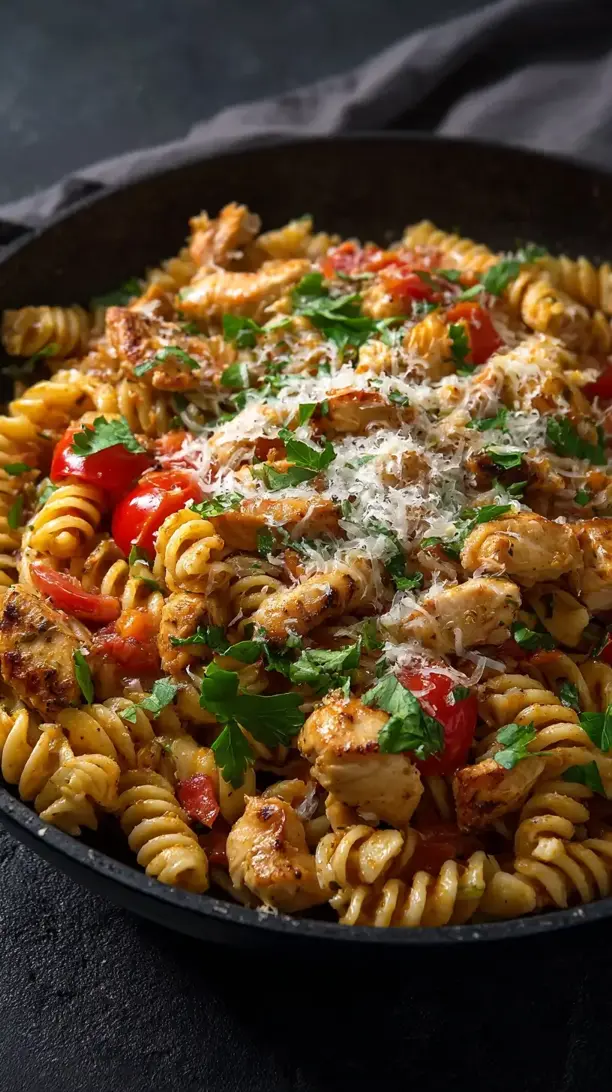
One Pot Chicken Pasta
Make this easy One Pot Chicken Pasta for a delicious, comforting dinner with minimal cleanup. Tender chicken, pasta, and sauce cook together perfectly. Get the recipe now!
Ingredients
For the Ingredients
-
1 lb boneless, skinless chicken breasts or thighs (cut into 1-inch pieces)
-
1 medium yellow onion (finely diced)
-
4 cloves garlic (minced)
-
1 can diced tomatoes (14.5 oz, with their juices)
-
4 cups low-sodium chicken broth
-
12 oz short pasta (like penne, rigatoni, or fusilli)
-
1 tsp dried oregano
-
1/2 tsp dried basil
-
1/4 cup heavy cream or half-and-half (optional, for richness)
-
1 cup freshly grated Parmesan cheese (plus more for serving)
-
2 tbsp olive oil
-
kosher salt and freshly ground black pepper (to taste)
-
fresh basil or parsley (chopped, for garnish)
Instructions
-
Pat your chicken pieces dry with a paper towel and season them generously with salt and pepper. Heat the olive oil in your large pot over medium-high heat until it shimmers.01
-
Add the chicken to the hot pot in a single layer, being careful not to overcrowd it—you might need to do this in two batches. Let the chicken cook undisturbed for 2-3 minutes per side until it develops a beautiful golden-brown crust. It doesn’t need to be cooked through at this point. Remove the chicken to a clean plate and set it aside.02
-
Reduce the heat to medium and add the diced onion to the same pot. Sauté the onion for about 4-5 minutes until it becomes soft and translucent. Then, add the minced garlic and cook for another 60 seconds until it becomes incredibly fragrant.03
-
Pour in the entire can of diced tomatoes with their juices and the chicken broth. Use your wooden spoon to scrape up all those delicious browned bits from the bottom of the pot. Stir in the dried oregano and basil.04
-
Add the uncooked pasta directly to the pot and give everything a good stir to ensure all the pasta is submerged in the liquid. Bring the mixture to a lively boil, then immediately reduce the heat to a steady simmer. Cover the pot with a lid.05
-
Let the pasta simmer for about 12-15 minutes, stirring every 4-5 minutes to prevent sticking. The pasta should be al dente—tender but still with a slight bite.06
-
Once the pasta is cooked, stir the seared chicken (and any accumulated juices) back into the pot. If you’re using the heavy cream, now is the time to stir it in for a touch of richness and creaminess. Let everything heat through for a final 2-3 minutes.07
-
Turn off the heat. Stir in the freshly grated Parmesan cheese until it melts and creates a silky, cohesive sauce. Do a final taste test and adjust the seasoning with more salt and pepper if needed.08
-
Garnish your magnificent one-pot creation with a generous sprinkle of more Parmesan and some chopped fresh basil or parsley. Serve it immediately while it’s still steaming hot and the flavors are at their peak.09
Not what you're looking for?