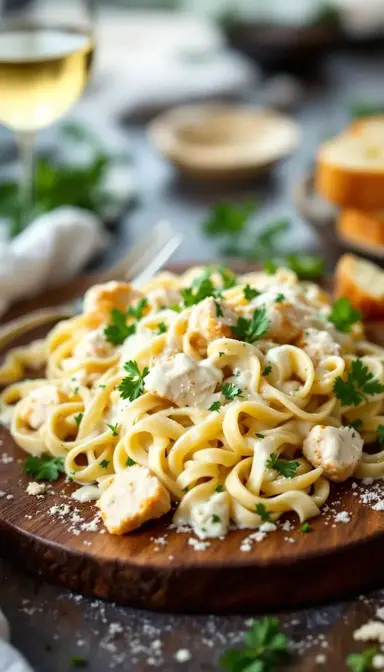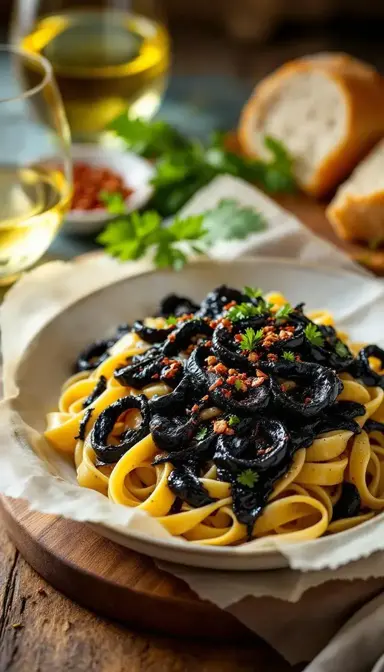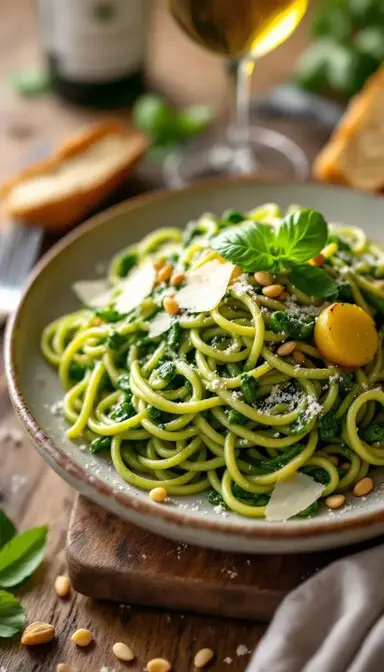
There’s something magical about a dish that tells a story with every bite. Pappardelle al Cinghiale isn’t just pasta—it’s a love letter to Tuscany, where wild boar roam the forests and rustic kitchens hum with the scent of slow-simmered ragù. Picture this: ribbons of fresh pappardelle, wide enough to cradle every drop of that rich, wine-kissed sauce, each forkful bursting with the deep, earthy flavors of the countryside.
This isn’t just dinner. It’s an experience. The kind of meal that makes you pause, close your eyes, and savor the moment. Whether you’re cooking for a special occasion or just treating yourself to a taste of Italy at home, this recipe is worth every minute of patience. Trust me—I’ve made it countless times, and it never fails to transport me straight to a sun-dappled trattoria in Florence.
Love Pappardelle al Cinghiale? So do we! If you're into Pasta or curious about Christmas Cookie, you'll find plenty of inspiration below.


Why This Recipe Works
- Slow-cooked perfection: That wild boar? It transforms into something melt-in-your-mouth tender, thanks to hours of gentle simmering. The collagen breaks down into gelatin, creating a luscious texture that’s impossible to replicate with shortcuts.
- Layers of flavor: From the crispy pancetta to the herb-infused soffritto, every step builds depth. Deglazing with red wine (and scraping up those browned bits!) ensures a sauce with balanced acidity and richness.
- Make-ahead magic: Like all great ragùs, this one tastes even better the next day—if you can wait that long. The flavors meld and deepen overnight, making it ideal for stress-free entertaining.
The Story Behind the Sauce
This recipe is pure **cucina povera**—the art of turning humble ingredients into something extraordinary. Tuscan hunters have been cooking wild boar this way for generations, using time and care to coax tenderness from the meat. And those wide, silky pappardelle? They’re not just for show. They’re designed to hold every drop of that glorious sauce, ensuring each bite is perfectly balanced.
Essential Ingredients & Tools
For the Ragù
- 1.5 lbs wild boar shoulder, diced (pork shoulder works too, but the boar brings that wild, gamey depth)
- 4 oz pancetta, finely diced (or substitute bacon if needed)
- 1 carrot, 1 celery stalk, 1 onion, finely diced (the holy trinity of Italian cooking)
- 3-4 garlic cloves, minced
- 1.5 cups dry red wine (Chianti preferred, but any robust red like Cabernet works)
- 2 cups tomato passata (or crushed tomatoes in a pinch)
- 1.5 cups beef or game stock (store-bought is fine)
- 2 tbsp tomato paste
- 1 rosemary sprig, 2 bay leaves
- 3 tbsp olive oil
- Salt and pepper, to taste
For Serving
- 1 lb fresh pappardelle (dried works too—cook 1 minute less than package instructions)
- Pecorino or Parmigiano, grated
Tools You’ll Need
- Dutch oven or heavy-bottomed pot (crucial for even heat distribution)
- Wooden spoon (for deglazing without scratching your pot)
- Tongs or slotted spoon (for browning meat in batches)
Serves 4–6 | Prep: 30 min | Cook: 3h 15 min | Total: 3h 45 min
How to Make Pappardelle al Cinghiale
- Sear the Boar
Pat the 1.5 lbs wild boar shoulder dry—this is the secret to a proper crust. Heat 1 tbsp olive oil in a Dutch oven over medium-high heat. Brown the boar in small batches (crowding the pan steams the meat). Each batch should take 5–7 minutes, developing a deep brown crust (the Maillard reaction at work!). Transfer to a plate. - Crisp the Pancetta
In the same pot, cook the 4 oz pancetta over medium heat for 8 minutes, stirring occasionally until crispy. Remove the pancetta, but leave the rendered fat—it’s the foundation of your soffritto. - Build the Soffritto
Add the 1 carrot, 1 celery stalk, and 1 onion to the pot. Cook for 10 minutes, stirring occasionally, until softened and golden. Stir in 3-4 garlic cloves and 2 tbsp tomato paste for 1 minute—the paste will caramelize slightly, intensifying its sweetness. - Deglaze with Wine
Pour in the 1.5 cups dry red wine, scraping up all the browned bits (fond) from the pot’s bottom. Reduce the wine by half over medium-high heat (5–7 minutes). This step is critical—it concentrates flavor and removes harsh alcohol notes. - Simmer to Perfection
Return the meat and pancetta to the pot. Add 2 cups tomato passata, 1.5 cups beef or game stock, 1 rosemary sprig, and 2 bay leaves. Partially cover and simmer on low heat for 2.5–3 hours, stirring occasionally. The sauce should barely bubble—too much heat will toughen the meat. - Finish the Sauce
Discard the herbs. Taste and adjust seasoning. If the sauce is too thin, simmer uncovered for 10–15 minutes to thicken. For extra richness, stir in a knob of butter off-heat. - Cook the Pasta
Boil 1 lb fresh pappardelle in well-salted water (1–2 minutes for fresh pasta). Reserve 1 cup pasta water—its starch helps bind the sauce. - Bring It All Together
Toss pasta with ragù in the pot, adding splashes of pasta water as needed. The sauce should cling to the noodles without pooling. Serve immediately with grated Pecorino or Parmigiano.
Pro Technique
The Fond is Your Friend
Those browned bits stuck to the pot after searing? That’s **fond**, and it’s packed with umami. Deglaze while the pot is still hot—heat accelerates flavor extraction. Use a wooden spoon to scrape firmly, dissolving every last bit into the wine.
Low and Slow Wins the Race
Wild boar shoulder is full of connective tissue that needs time to transform. A gentle simmer (just a few lazy bubbles) is key. Check for doneness by pressing a piece of meat—it should flake easily but still hold its shape.
Chef’s Wisdom
The Perfect Doneness
Undercooked boar is chewy; overcooked is dry. The sweet spot? Fork-tender but still holding together. If the ragù tastes flat, a splash of balsamic vinegar or fish sauce (½ tsp) can work wonders—just don’t tell Nonna.
Sauce Harmony
A great ragù balances fat, acid, and umami. Too acidic? A pinch of sugar or grated carrot can soften it. Too rich? A little lemon zest brightens it up. Always finish pasta in the sauce—that starchy pasta water is the glue that brings it all together.
Storage & Freshness Guide
Ragù Storage
Cool completely before refrigerating (up to 4 days) or freezing (up to 3 months). Freeze in portion-sized containers for easy use. Reheat gently with a splash of stock to restore moisture.
Pasta Notes
Fresh pappardelle is best cooked to order. Leftovers? Rinse with cold water to stop cooking, then toss with oil. Reheat briefly in simmering water.
Safety First
Never leave ragù at room temperature for over 2 hours. Reheat to 165°F (74°C) to ensure safety.
Nutrition Profile
This dish is a hearty, balanced meal—high in protein, rich in flavor, and deeply satisfying.
- Calories: 680 per serving
- Protein: 42g
- Carbs: 65g
- Fat: 25g
- Fiber: 5g
Ingredient Variations and Their Impact
No Wild Boar? No Problem.
- Pork shoulder: Milder but just as tender. Sear the skin separately for crispy cracklings to garnish.
- Venison: Leaner, so add 2 tbsp extra olive oil. Toss in juniper berries to complement the gamey notes.
- Vegetarian: King oyster mushrooms mimic meaty texture. Use miso paste instead of pancetta for umami.
Wine-Free Option
Swap the wine for beef stock + 1 tbsp balsamic vinegar. Add a dried porcini mushroom for depth.
Perfect Pairings
Complementary Dishes
- Bitter Greens Salad: Escarole or radicchio with a lemon vinaigrette cuts through the ragù’s richness.
- Crusty Bread: A sourdough loaf soaks up every drop of sauce—toast it for crunch.
Drinks
- Chianti Classico: Its tart cherry notes and tannins balance the meaty depth.
- Sangiovese: A lighter alternative with earthy undertones that mirror the ragù’s herbs.
Something Sweet
- Almond Biscotti: Dunk these in Vin Santo for a Tuscan finale.
- Dark Chocolate Tart: 70% cocoa contrasts the savory meal without overpowering.
FAQs
Can I use a slow cooker?
Yes! After browning, transfer to a slow cooker. Cook on LOW 6–8 hours.
How do I fix a greasy sauce?
Chill the ragù—the fat will solidify on top, making it easy to skim off. Reheat gently.
Best cheese substitute?
Grana Padano (milder) or half Pecorino/half Parmigiano for balance.

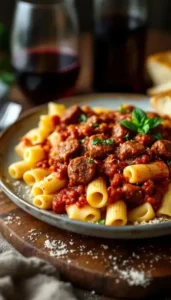

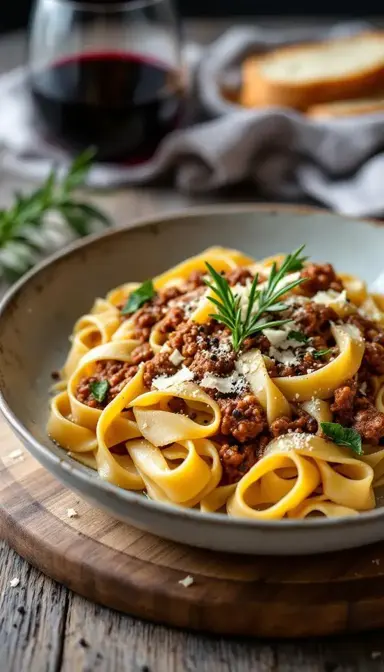
Pappardelle al Cinghiale: A Taste of Tuscany’s Wild Heart
Learn how to make authentic Pappardelle al Cinghiale with this slow-simmered wild boar ragù recipe. Perfect for a cozy night in—try it tonight!
Ingredients
For the Ragù
-
1.5 lbs wild boar shoulder (diced)
-
4 oz pancetta (finely diced)
-
1 carrot (finely diced)
-
1 celery stalk (finely diced)
-
1 onion (finely diced)
-
3-4 garlic cloves (minced)
-
1.5 cups dry red wine
-
2 cups tomato passata
-
1.5 cups beef/game stock
-
2 tbsp tomato paste
-
1 rosemary sprig
-
2 bay leaves
-
3 tbsp olive oil
-
Salt and pepper (to taste)
For Serving
-
1 lb fresh pappardelle
-
Pecorino or Parmigiano (grated)
Instructions
-
Pat 1.5 lbs wild boar shoulder dry. Heat 1 tbsp olive oil in Dutch oven. Brown meat in batches (5–7 min per batch). Transfer to plate.01
-
Cook 4 oz pancetta in same pot for 8 min until crispy. Remove, leave fat.02
-
Add 1 carrot, 1 celery stalk, 1 onion. Cook 10 min until soft. Stir in 3-4 garlic cloves and 2 tbsp tomato paste for 1 min.03
-
Pour in 1.5 cups dry red wine, scrape up browned bits. Reduce by half (5–7 min).04
-
Return meat and pancetta to pot. Add 2 cups tomato passata, 1.5 cups beef/game stock, 1 rosemary sprig, 2 bay leaves. Simmer 2.5–3 hours.05
-
Discard herbs. Adjust seasoning. Thicken sauce if needed.06
-
Cook 1 lb fresh pappardelle in salted water (1–2 min for fresh). Reserve 1 cup pasta water.07
-
Toss pasta with ragù, adding pasta water as needed. Serve with grated Pecorino or Parmigiano.08
Not what you're looking for?