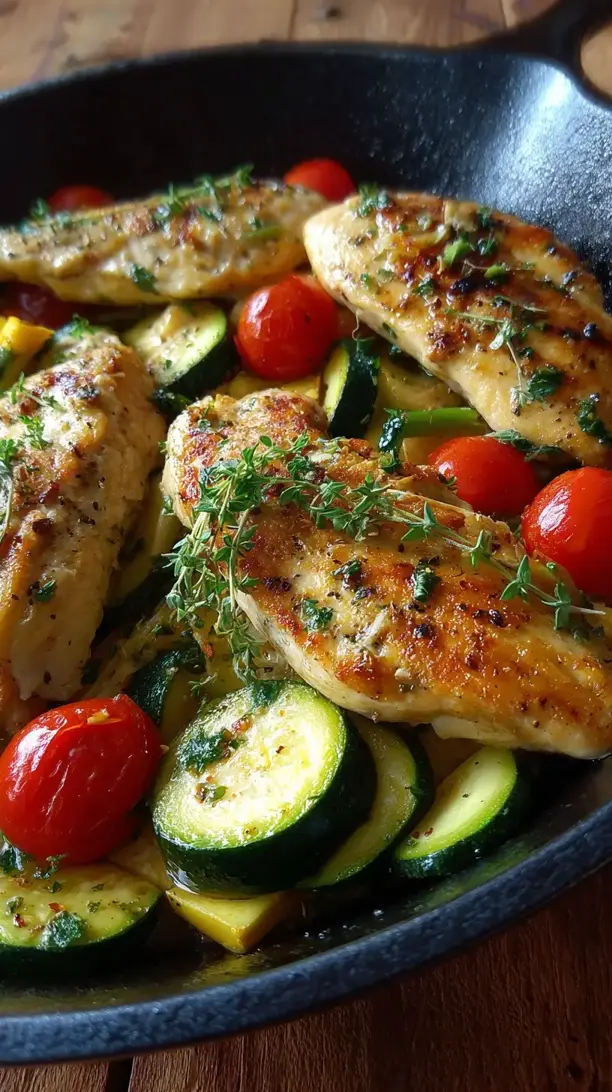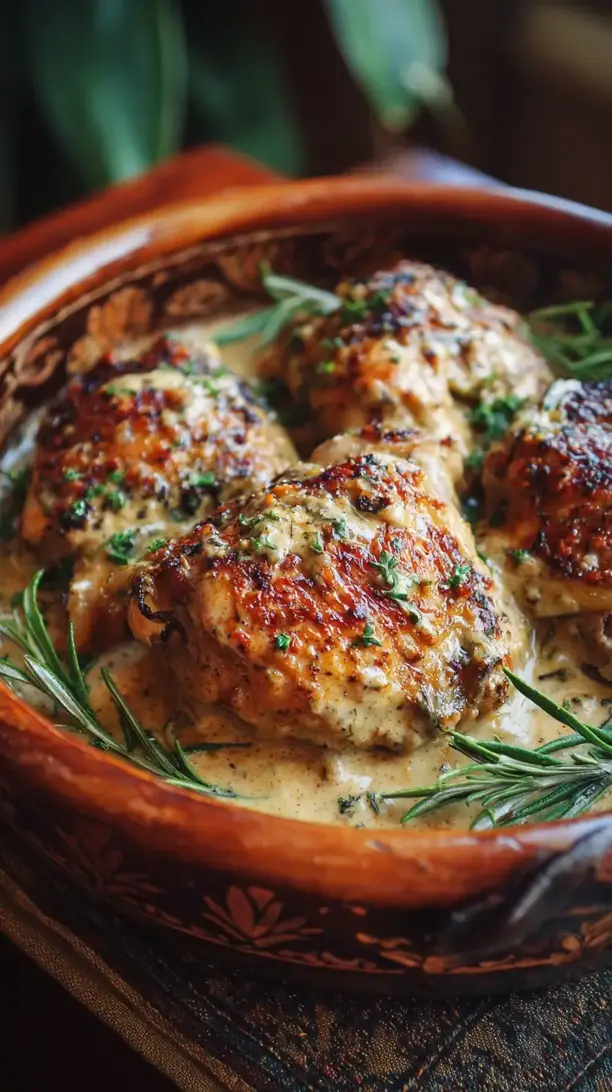
This Paprika Chicken Breast is a deceptively simple weeknight hero. A balanced spice rub creates a gorgeous, smoky crust while keeping the interior wonderfully moist. It’s a versatile, restaurant-worthy main that proves you don’t need complicated techniques for a memorable dinner.
Looking for Paprika Chicken Breast inspiration? You'll love what we have! Explore more Chicken Breast Recipes recipes or discover our Crockpot Recipes favorites.


Why You’ll Love This Paprika Chicken Breast
- Never dry: A quick brine and precise cooking ensure juicy, succulent meat.
- Complex flavor: A blend of sweet and smoked paprika creates warm, smoky harmony.
- Fast & flexible: Ready in under 30 minutes and adapts to salads, wraps, or sides.
- Gorgeous crust: The brick-red spice rub sears into a fragrant, slightly crisp exterior.
Ingredients & Tools
- 2 large boneless, skinless chicken breasts (about 450-500 g total)
- 1 ½ tbsp olive oil (plus a little extra for the pan)
- 1 tbsp sweet paprika
- 1 tsp smoked paprika
- 1 tsp garlic powder
- ½ tsp onion powder
- ½ tsp dried thyme or oregano
- ¼ tsp black pepper, freshly ground
- ¾ tsp fine sea salt (adjust to taste)
- A pinch of cayenne pepper (optional, for a subtle kick)
Tools: A large skillet (cast iron is ideal), measuring spoons, a small bowl for the spice mix, tongs, and an instant-read thermometer.
Notes: The quality of your paprika is the star—fresh, vibrant paprika makes all the difference.
Nutrition (per serving)
| Calories: | 265 kcal |
| Protein: | 36 g |
| Fat: | 12 g |
| Carbs: | 3 g |
| Fiber: | 1 g |
Serves: 2 | Prep Time: 10 minutes | Cook Time: 15 minutes | Total Time: 25 minutes
Before You Start: Tips & Ingredient Notes
- Take your chicken out of the fridge early. Letting it sit at room temperature for 15-20 minutes before cooking helps it cook more evenly. A cold chicken breast going into a hot pan can seize up and lead to a tough exterior before the inside is done.
- Don’t skip pounding the chicken. Seriously, it’s a game-changer. Chicken breasts are often unevenly thick, and pounding them to an even ¾-inch thickness ensures every part cooks at the same rate. No more dry, overcooked thin ends and undercooked thick centers.
- Understand your paprika. Sweet paprika provides the classic, vibrant red color and earthy flavor, while smoked paprika (pimentón) adds a deep, smoky complexity. Using both creates a much more interesting flavor profile than just one alone. A little goes a long way with the smoked variety.
- An instant-read thermometer is your best friend. Guessing when chicken is done is a recipe for anxiety. Pulling the chicken off the heat at 160–162°F (71–72°C) is the trick—the residual heat will carry it to the safe 165°F (74°C) as it rests, giving you perfectly juicy meat every single time.
How to Make Paprika Chicken Breast
Step 1: Prepare the Chicken. Place your chicken breasts on a sturdy cutting board. If they are very thick, you can slice them horizontally to create two thinner cutlets. Otherwise, cover them with plastic wrap or parchment paper and gently pound with a rolling pin, meat mallet, or even a heavy skillet until they are an even ¾-inch thickness throughout. This is the single most important step for even cooking. Pat the chicken completely dry with paper towels—a dry surface is crucial for that beautiful sear.
Step 2: Create the Spice Rub. In a small bowl, combine the sweet paprika, smoked paprika, garlic powder, onion powder, dried thyme, black pepper, salt, and that optional pinch of cayenne. Stir it all together with a fork or a small whisk until the colors are fully blended. You’ll get this gorgeous, deep brick-red mixture that already smells incredible.
Step 3: Season the Chicken. Drizzle the 1 ½ tablespoons of olive oil over both sides of the chicken breasts and rub it in gently with your hands. Then, sprinkle the spice rub generously over every surface, patting it gently to make sure it adheres. Don’t be shy—you want a good, even coating. Let the chicken sit with the rub for about 5 minutes while you heat your pan.
Step 4: Heat the Pan and Sear. Place your large skillet (cast iron works beautifully for an unbeatable sear) over medium-high heat. Add just a tiny drizzle of olive oil to coat the bottom. Once the oil is shimmering hot—you should see a slight wisp of smoke—carefully add the chicken breasts. They should sizzle loudly the moment they touch the pan. Don’t move them! Let them cook undisturbed for 5-7 minutes.
Step 5: Flip and Finish Cooking. After 5-7 minutes, the bottom should have a dark, crusty, red-brown sear. Slide your tongs underneath and flip each breast. The color will be stunning. Reduce the heat to medium and cook for another 5-7 minutes on the second side. Now, this is where the thermometer comes in. Check the internal temperature in the thickest part of the breast. You’re aiming for 160–162°F (71–72°C).
Step 6: The Crucial Rest. Once the chicken hits temperature, immediately transfer it to a clean cutting board or plate. Do not slice into it! Let it rest for at least 5-7 minutes. This is non-negotiable. Resting allows the muscle fibers to relax and reabsorb all the juices that have been driven to the center during cooking. If you cut it open now, all those precious juices will run out, leaving you with dry chicken.
Step 7: Serve and Enjoy. After the rest, you can slice the chicken against the grain. You’ll see the steam rise and notice how incredibly moist it looks inside. The spice rub will have formed a perfect crust. Serve it immediately with your chosen sides, and watch it disappear.
Storage & Freshness Guide
- Fridge: Store in an airtight container for 3-4 days.
- Freezer: Freeze for up to 3 months in a sealed bag; thaw in fridge before reheating.
- Reviving: Reheat gently in a skillet with a splash of water to maintain moisture.
Serving Suggestions
Complementary Dishes
- Creamy Garlic Mashed Potatoes — The smooth, rich potatoes are a dreamy canvas for the smoky, spiced chicken and any pan juices.
- Simple Arugula Salad with Lemon Vinaigrette — The peppery arugula and sharp lemon cut through the richness of the chicken beautifully, creating a balanced plate.
- Buttery Corn and Zucchini Sauté — The sweet corn and tender zucchini add a fresh, colorful, and quick side that complements the paprika’s warmth.
Drinks
- A crisp, citrusy Sauvignon Blanc — The wine’s bright acidity and grapefruit notes cleanse the palate and highlight the smoky paprika notes perfectly.
- A light, malty Pilsner or Lager — The clean, crisp finish of a good pilsner doesn’t overpower the chicken and makes for a really refreshing pairing.
Something Sweet
- Warm Apple Crumble with Vanilla Ice Cream — The cozy, spiced apples and cold ice cream are a classic, comforting end to a meal that feels both rustic and satisfying.
- Dark Chocolate and Sea Salt Bark — A few pieces of sophisticated, bittersweet chocolate with a hint of salt provide a simple, elegant, and not-too-heavy finish.
Top Mistakes to Avoid
- Mistake: Not drying the chicken before seasoning. Any surface moisture will steam the chicken instead of letting it sear, preventing that gorgeous, crisp crust from forming. Always pat it bone-dry.
- Mistake: Moving the chicken too soon in the pan. I’ve messed this up before too… the temptation to peek is strong! But if you move it before a crust has formed, it will stick and tear. Trust the process and let the sear develop.
- Mistake: Overcooking the chicken. Relying on guesswork or cutting it open to check leads to dry, tough meat. An instant-read thermometer is a small investment for perfectly cooked chicken every time.
- Mistake: Skipping the rest time. Slicing into the chicken immediately after cooking lets all the flavorful juices pool on your cutting board instead of staying in the meat. That 5-minute wait is the difference between juicy and dry.
Expert Tips
- Tip: Butterfly your chicken for even faster cooking. If you don’t have a meat mallet, slicing the breasts horizontally almost all the way through and opening them like a book (butterflying) creates a perfectly even thickness for quick, uniform cooking.
- Tip: Make a quick pan sauce with the drippings. After removing the chicken, add a splash of chicken broth or white wine to the hot pan. Scrape up all those delicious browned bits (the fond), let it reduce for a minute, then swirl in a pat of cold butter for a glossy, incredible sauce to pour over everything.
- Tip: Use the spice rub as a versatile seasoning. Mix up a double or triple batch of the dry spice mix and keep it in a jar. It’s amazing on roasted potatoes, sprinkled over popcorn, or as a rub for pork chops and salmon.
- Tip: For extra juiciness, try a quick brine. If you have an extra 30 minutes, soak the chicken in a mixture of 2 cups cold water and 1 tablespoon salt. Rinse and pat dry before applying the rub. This seasons the meat deeply and helps it retain more moisture during cooking.
FAQs
Can I use chicken thighs instead of breasts?
Absolutely! Bone-in, skin-on thighs are fantastic with this rub. You’ll want to cook them skin-side down first to render the fat and crisp up the skin, then flip and finish in the oven at 400°F (200°C) until they reach an internal temperature of 175°F (80°C). The higher fat content makes them incredibly forgiving and juicy.
My paprika rub tastes bitter. What happened?
This usually means your paprika was burned. Paprika has natural sugars that can burn quickly over high heat. Make sure your heat is at a true medium-high, not max, and that your pan is properly preheated. If you notice the spices darkening too fast, don’t be afraid to lower the heat a touch after the initial sear.
How long can I store leftover paprika chicken?
Leftovers will keep beautifully in an airtight container in the refrigerator for 3-4 days. They are fantastic cold in salads or sandwiches, or gently reheated in a skillet over low heat with a splash of water to keep them moist. Avoid the microwave, as it can make the texture rubbery.
Can I make this recipe gluten-free and dairy-free?
It already is! The spice rub and cooking method are naturally free from gluten and dairy. Just always double-check the labels on your individual spice jars to ensure no cross-contamination or added anti-caking agents if you have a severe allergy.
Is there a substitute for smoked paprika?
If you don’t have smoked paprika, you can use all sweet paprika. The dish will still be delicious, though it will lack the smoky depth. For a bit of that smokiness back, you could add a tiny, tiny pinch of ground chipotle powder, but be careful as chipotle is much spicier.


Paprika Chicken Breast
Learn how to make perfectly juicy Paprika Chicken Breast with a smoky spice crust in under 30 minutes. Get the easy, foolproof recipe now!
Ingredients
For the Ingredients
-
2 large boneless, skinless chicken breasts (about 450-500 g total)
-
1 ½ tbsp olive oil (plus a little extra for the pan)
-
1 tbsp sweet paprika
-
1 tsp smoked paprika
-
1 tsp garlic powder
-
½ tsp onion powder
-
½ tsp dried thyme or oregano
-
¼ tsp black pepper (freshly ground)
-
¾ tsp fine sea salt (adjust to taste)
-
A pinch cayenne pepper (optional, for a subtle kick)
Instructions
-
Place your chicken breasts on a sturdy cutting board. If they are very thick, you can slice them horizontally to create two thinner cutlets. Otherwise, cover them with plastic wrap or parchment paper and gently pound with a rolling pin, meat mallet, or even a heavy skillet until they are an even ¾-inch thickness throughout. This is the single most important step for even cooking. Pat the chicken completely dry with paper towels—a dry surface is crucial for that beautiful sear.01
-
In a small bowl, combine the sweet paprika, smoked paprika, garlic powder, onion powder, dried thyme, black pepper, salt, and that optional pinch of cayenne. Stir it all together with a fork or a small whisk until the colors are fully blended. You’ll get this gorgeous, deep brick-red mixture that already smells incredible.02
-
Drizzle the 1 ½ tablespoons of olive oil over both sides of the chicken breasts and rub it in gently with your hands. Then, sprinkle the spice rub generously over every surface, patting it gently to make sure it adheres. Don’t be shy—you want a good, even coating. Let the chicken sit with the rub for about 5 minutes while you heat your pan.03
-
Place your large skillet (cast iron works beautifully for an unbeatable sear) over medium-high heat. Add just a tiny drizzle of olive oil to coat the bottom. Once the oil is shimmering hot—you should see a slight wisp of smoke—carefully add the chicken breasts. They should sizzle loudly the moment they touch the pan. Don’t move them! Let them cook undisturbed for 5-7 minutes.04
-
After 5-7 minutes, the bottom should have a dark, crusty, red-brown sear. Slide your tongs underneath and flip each breast. The color will be stunning. Reduce the heat to medium and cook for another 5-7 minutes on the second side. Now, this is where the thermometer comes in. Check the internal temperature in the thickest part of the breast. You’re aiming for 160–162°F (71–72°C).05
-
Once the chicken hits temperature, immediately transfer it to a clean cutting board or plate. Do not slice into it! Let it rest for at least 5-7 minutes. This is non-negotiable. Resting allows the muscle fibers to relax and reabsorb all the juices that have been driven to the center during cooking. If you cut it open now, all those precious juices will run out, leaving you with dry chicken.06
-
After the rest, you can slice the chicken against the grain. You’ll see the steam rise and notice how incredibly moist it looks inside. The spice rub will have formed a perfect crust. Serve it immediately with your chosen sides, and watch it disappear.07
Not what you're looking for?