Pasta Primavera is a vibrant celebration of spring vegetables tossed with pasta in a simple garlicky sauce. This adaptable pasta primavera comes together quickly and feels both light and satisfying. The key is cooking the veggies until just tender-crisp to keep their colors bright and textures perfect.
Looking for Pasta Primavera inspiration? You'll love what we have! Explore more Dinner Ideas recipes or discover our Breakfast & Brunch favorites.


Why You’ll Love This Pasta Primavera
- Fresh & Vibrant: Highlights the best seasonal produce in every bite.
- Incredibly Versatile: Easily swap vegetables based on what you have.
- Fancy Yet Simple: Minimal effort for a trattoria-style result.
- Light & Flavorful Sauce: A silky blend of olive oil, garlic, pasta water, and Parmesan.
Ingredients & Tools
- 225 g pasta (linguine or fettuccine work beautifully)
- 2 tbsp extra virgin olive oil
- 3 cloves garlic, thinly sliced
- 1 medium zucchini, sliced into half-moons
- 1 small yellow squash, sliced into half-moons
- 1 cup cherry tomatoes, halved
- 1 cup asparagus, trimmed and cut into 1-inch pieces
- 1/2 cup frozen peas, thawed
- 1/2 cup grated Parmesan cheese, plus more for serving
- 1/4 cup fresh basil, thinly sliced
- 2 tbsp fresh lemon juice
- Salt and freshly ground black pepper, to taste
- 1/4 tsp red pepper flakes (optional, for a little heat)
Tools: A large pot for boiling pasta, a large skillet or sauté pan, a colander, and a microplane or box grater for the cheese.
Notes: Using high-quality olive oil and fresh garlic is key here—they form the flavor foundation of the entire dish. And don’t skip the fresh basil and lemon juice at the end; they add a burst of brightness that really makes everything pop.
Nutrition (per serving)
| Calories: | 385 kcal |
| Protein: | 15 g |
| Fat: | 12 g |
| Carbs: | 55 g |
| Fiber: | 6 g |
Serves: 4 | Prep Time: 15 minutes | Cook Time: 20 minutes | Total Time: 35 minutes
Before You Start: Tips & Ingredient Notes
- Veggie prep is everything. Try to cut your vegetables into uniform sizes. This isn’t just for looks—it ensures everything cooks at the same rate, so you don’t end up with mushy squash and raw asparagus.
- Don’t forget the pasta water. That starchy, salty water is liquid gold. It helps the sauce emulsify and cling to the pasta, creating a silky, cohesive dish instead of a greasy, separated one.
- Embrace the “al dente” vegetable. You want your vegetables to have a slight crunch. They’ll continue to soften a bit from residual heat after you take the pan off the stove, so it’s better to err on the side of undercooking them in the pan.
- Grate your own Parmesan. The pre-shredded stuff often contains anti-caking agents that can make your sauce grainy. Taking a minute to grate a block of Parmigiano-Reggiano yourself will give you a much smoother, more flavorful result.
How to Make Pasta Primavera
Step 1: Bring a large pot of generously salted water to a rolling boil. You want the water to taste like the sea—this is your only chance to season the pasta itself from the inside out. Add your pasta and cook according to the package directions until it is al dente. Right before you drain it, you’ll want to reserve about a cup of the starchy pasta water. This is crucial for our sauce later on.
Step 2: While the pasta is cooking, heat the olive oil in a large skillet over medium heat. Add the sliced garlic and cook for about 60-90 seconds, just until it becomes fragrant and lightly golden. You have to watch it closely—garlic can go from perfect to burnt in a heartbeat. If you’re using the red pepper flakes, add them now to infuse the oil with a subtle warmth.
Step 3: Now, it’s time for the vegetables. Add the harder veggies first—the zucchini, yellow squash, and asparagus. Sauté them for 4-5 minutes, stirring occasionally. You’ll notice they’ll start to become brighter in color and just tender enough to be pierced with a fork, but they should still have some resistance.
Step 4: Add the cherry tomatoes and thawed peas to the skillet. Cook for another 2-3 minutes, just until the tomatoes start to soften and wrinkle slightly and the peas are heated through. The goal is to warm them up without turning them to mush. Season the entire vegetable mixture generously with salt and black pepper.
Step 5: Your pasta should be ready by now. Drain it (remembering you saved that pasta water!) and add the hot pasta directly to the skillet with the vegetables. Toss everything together to combine. The heat from the pasta will help wilt the veggies just a touch more.
Step 6: This is where the magic happens. Add about half a cup of the reserved pasta water to the skillet, along with the grated Parmesan cheese. The trick is to toss everything vigorously. You’ll see the water, oil, and cheese start to come together into a creamy, glossy sauce that coats every strand of pasta. If it looks a little dry, add another splash of pasta water.
Step 7: Take the skillet off the heat. Stir in the fresh basil and the lemon juice. The residual heat is perfect for wilting the basil and mellowing the sharpness of the lemon, while still letting their fresh flavors shine. Give it one final toss and do a quick taste test—adjust the seasoning with more salt or pepper if it needs it.
Storage & Freshness Guide
- Fridge: Store in an airtight container for up to 2 days.
- Freezer: Not recommended, as vegetables will become mushy upon thawing.
- Reviving: Reheat gently in a skillet with a splash of water or broth to loosen the sauce.
Serving Suggestions
Complementary Dishes
- Garlic Bread — There’s nothing better for sopping up every last bit of the light, garlicky sauce left on your plate.
- Simple Arugula Salad — A salad with a sharp lemon vinaigrette provides a peppery contrast that cuts through the richness of the pasta beautifully.
- Grilled Chicken or Shrimp — For those wanting a little extra protein, some simply seasoned grilled meat or seafood on the side makes the meal more substantial.
Drinks
- A Crisp Pinot Grigio — The bright acidity and citrus notes in this white wine mirror the lemon in the dish and cleanse the palate between bites.
- Sparkling Water with Lemon — A non-alcoholic option that adds effervescence and reinforces the citrusy, fresh theme of the meal.
- Light Italian Lager — A cold, crisp beer won’t overpower the delicate flavors and its carbonation is wonderfully refreshing.
Something Sweet
- Lemon Sorbet — It’s the perfect, palate-cleansing finish that continues the bright, citrusy journey from the main course.
- Affogato — A scoop of vanilla gelato drowned in a shot of hot espresso is a simple, elegant, and deeply satisfying end to an Italian-inspired meal.
- Amaretti Cookies — These light, almond-flavored cookies are subtly sweet and have a lovely crunch that pairs wonderfully without being too heavy.
Top Mistakes to Avoid
- Overcooking the vegetables. Soggy, mushy veggies will make the whole dish feel sad and watery. You want that vibrant, crisp-tender texture to contrast with the soft pasta.
- Skipping the pasta water. I’ve messed this up before too, thinking it wasn’t a big deal. Without that starchy liquid, your sauce won’t emulsify properly and will just slide off the pasta, pooling at the bottom of the bowl.
- Burning the garlic. Burnt garlic becomes incredibly bitter and can ruin the entire flavor profile of the dish. Keep the heat at medium and keep a close eye on it—it should be fragrant and golden, not brown.
- Adding the cheese over super high heat. If the pan is too hot when you add the Parmesan, it can cause the fats and proteins to separate, making your sauce greasy and clumpy instead of smooth and creamy.
Expert Tips
- Tip: Blanch your harder veggies. For an even more vibrant color and perfect texture, you can quickly blanch vegetables like asparagus and broccoli in the boiling pasta water for a minute before sautéing. Just scoop them out with a slotted spoon before adding the pasta.
- Tip: Brown the butter. For a nuttier, richer flavor base, swap the olive oil for butter and let it cook until it turns a light golden brown and smells nutty before adding the garlic.
- Tip: Add fresh herbs in two stages. Stir half of your fresh basil in at the end with the lemon juice, and then sprinkle the rest on top as a fresh garnish right before serving. This gives you both cooked-in flavor and a burst of fresh aroma.
- Tip: Roast the tomatoes. If you have a few extra minutes, toss the cherry tomatoes in a little oil and roast them at 400°F (200°C) until they burst. Their concentrated, sweet flavor will take the sauce to a whole new level.
FAQs
Can I make Pasta Primavera ahead of time?
You can prep the vegetables ahead of time, but I highly recommend cooking and serving this dish fresh. The vegetables are at their best when they’re just cooked and still have some bite. If you must, you can store leftovers in an airtight container in the fridge for up to 2 days, but be aware the veggies will soften and release more water upon reheating. The best way to reheat is gently in a skillet with a splash of water or broth to loosen it up.
What other vegetables can I use?
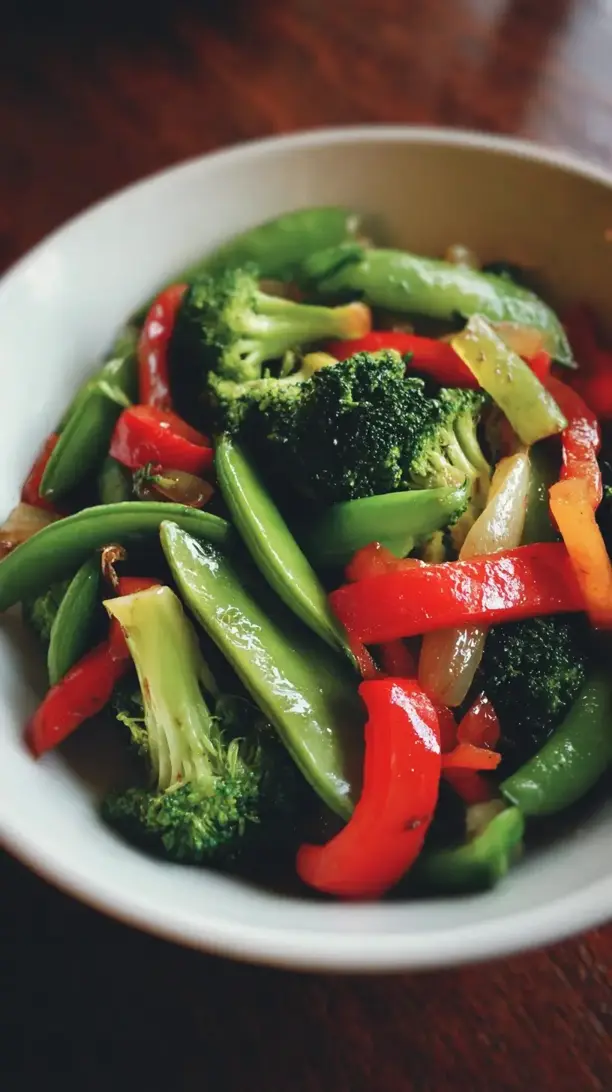
The beauty of this dish is its flexibility! Broccoli florets, bell peppers (any color), thinly sliced carrots, green beans, or even mushrooms would all be fantastic additions or substitutions. Just remember to add the harder, denser vegetables first so they have time to cook, and the more delicate ones (like spinach or the peas) at the very end.
Is this recipe vegetarian?
As written, yes, this Pasta Primavera is completely vegetarian. It gets its richness from olive oil and Parmesan cheese. To make it vegan, you could use a plant-based Parmesan alternative and ensure your pasta is egg-free. Always check your pasta packaging, as some fresh pasta contains egg.
My sauce is too watery. What did I do wrong?
This usually happens if there’s too much liquid in the pan from the vegetables. The solution is simple: let it cook down! Keep the skillet over the heat and toss the pasta continuously. The starches from the pasta will help thicken the liquid as it reduces. You can also add a little more grated cheese, which will also help bind the sauce.
Can I use a different type of pasta?
Absolutely. While long shapes like linguine and fettuccine are classic, this works wonderfully with short pasta like penne, fusilli, or farfalle (bow-ties). Their nooks and crannies are great for catching all the little pieces of vegetable and pockets of sauce. Just be sure to adjust the cooking time according to the package instructions for your chosen shape.



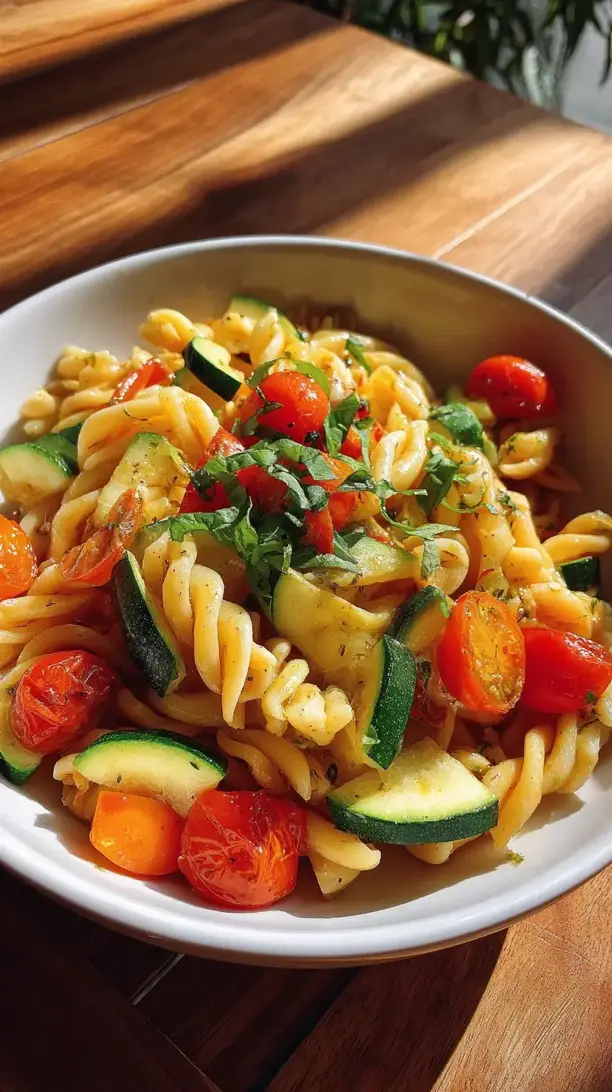
Pasta Primavera
Make this easy Pasta Primavera recipe with fresh spring vegetables in a light garlic sauce. Ready in 35 minutes! Get the step-by-step guide now.
Ingredients
For the Ingredients
-
225 g pasta (linguine or fettuccine work beautifully)
-
2 tbsp extra virgin olive oil
-
3 cloves garlic (thinly sliced)
-
1 medium zucchini (sliced into half-moons)
-
1 small yellow squash (sliced into half-moons)
-
1 cup cherry tomatoes (halved)
-
1 cup asparagus (trimmed and cut into 1-inch pieces)
-
1/2 cup frozen peas (thawed)
-
1/2 cup grated Parmesan cheese (plus more for serving)
-
1/4 cup fresh basil (thinly sliced)
-
2 tbsp fresh lemon juice
-
Salt and freshly ground black pepper (to taste)
-
1/4 tsp red pepper flakes (optional, for a little heat)
Instructions
-
Bring a large pot of generously salted water to a rolling boil. Add your pasta and cook according to the package directions until it is al dente. Right before you drain it, you’ll want to reserve about a cup of the starchy pasta water.01
-
While the pasta is cooking, heat the olive oil in a large skillet over medium heat. Add the sliced garlic and cook for about 60-90 seconds, just until it becomes fragrant and lightly golden. If you’re using the red pepper flakes, add them now to infuse the oil with a subtle warmth.02
-
Add the harder veggies first—the zucchini, yellow squash, and asparagus. Sauté them for 4-5 minutes, stirring occasionally.03
-
Add the cherry tomatoes and thawed peas to the skillet. Cook for another 2-3 minutes, just until the tomatoes start to soften and wrinkle slightly and the peas are heated through. Season the entire vegetable mixture generously with salt and black pepper.04
-
Drain the pasta (remembering you saved that pasta water!) and add the hot pasta directly to the skillet with the vegetables. Toss everything together to combine.05
-
Add about half a cup of the reserved pasta water to the skillet, along with the grated Parmesan cheese. Toss everything vigorously. If it looks a little dry, add another splash of pasta water.06
-
Take the skillet off the heat. Stir in the fresh basil and the lemon juice. Give it one final toss and do a quick taste test—adjust the seasoning with more salt or pepper if it needs it.07
Not what you're looking for?