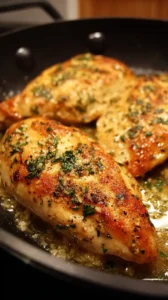
This pesto chicken recipe delivers elegant flavor with minimal effort. Juicy chicken breasts get a golden sear before simmering in a vibrant, garlicky pesto cream sauce. It’s a one-pan wonder perfect for busy weeknights.
Craving a delicious Pesto Chicken? You've come to the right spot! From Chicken Recipes favorites to amazing Breakfast & Brunch recipes, there's something here for everyone.
Why You’ll Love This Pesto Chicken
One-pan wonder: Everything cooks in a single skillet for easy cleanup.
Bright, herby flavor: Pesto creates a rich yet fresh-tasting sauce.
Incredibly versatile: Serve over pasta, with veggies, or in sandwiches.
Fancy presentation: Looks impressive but is surprisingly simple to make.
Ingredients & Tools
- 4 boneless, skinless chicken breasts (about 1.5 lbs / 680 g)
- 1/2 cup basil pesto (homemade or good-quality store-bought)
- 2 tbsp olive oil
- 3 cloves garlic, minced
- 1/4 cup chicken broth or dry white wine
- 1/2 cup heavy cream or half-and-half
- 1/4 cup grated Parmesan cheese
- 1 tsp lemon juice
- To taste: salt and freshly ground black pepper
- For garnish: fresh basil leaves, extra Parmesan, red pepper flakes
Tools: A large oven-safe skillet (like cast iron or stainless steel), tongs, a small bowl for mixing.
Notes: A good-quality store-bought pesto works perfectly. The lemon juice brightens the dish and balances the richness.
Nutrition (per serving)
| Calories: | 420 kcal |
| Protein: | 35 g |
| Fat: | 28 g |
| Carbs: | 4 g |
| Fiber: | 1 g |
Serves: 4 | Prep Time: 10 minutes | Cook Time: 20 minutes | Total Time: 30 minutes
Before You Start: Tips & Ingredient Notes
- Bring your chicken to room temperature. If you have a minute, let the chicken breasts sit out for 15-20 minutes before cooking. This helps them cook more evenly, so you don’t end up with a dry exterior and a cold center.
- Pound your chicken breasts to an even thickness. Seriously, this is a game-changer. Place them between two pieces of plastic wrap and gently pound the thicker ends until they’re about ¾-inch thick all over. It ensures every bite is perfectly cooked.
- Don’t be shy with the seasoning. Chicken breasts need a good amount of salt and pepper to really shine. Season both sides generously right before they hit the pan—it makes a world of difference in the final flavor.
- Choose your pesto wisely. If using store-bought, give the ingredient list a quick glance. You want one where basil and olive oil are the first ingredients, not a bunch of fillers or stabilizers. The flavor will be much cleaner and more vibrant.
How to Make Pesto Chicken
Step 1: Start by prepping your chicken. Pat the breasts completely dry with paper towels—this is crucial for getting a good sear, not a steam. Then, if they’re uneven, pound them to an even thickness as mentioned above. Season both sides generously with salt and pepper. You’ll notice the texture is firmer and ready for the pan.
Step 2: Heat the olive oil in your large skillet over medium-high heat. You want the oil to be shimmering but not smoking. Carefully place the chicken breasts in the pan, laying them away from you to avoid oil splatters. Don’t crowd the pan—if you need to, cook in two batches. Let them cook undisturbed for 5-7 minutes, until you see a beautiful golden-brown crust forming on the bottom. The edges will start to turn opaque.
Step 3: Flip the chicken using tongs. It should release easily from the pan if a good sear has formed. Cook for another 4-5 minutes on the second side. The chicken won’t be fully cooked through yet—that’s perfect. You’re just building color and flavor here. Transfer the chicken to a clean plate for now. The internal temperature should be around 150–155°F (65–68°C) at this stage.
Step 4: Reduce the heat to medium. In the same skillet, add the minced garlic and sauté for about 30 seconds, just until it becomes fragrant. You have to watch it closely—garlic burns in a heartbeat. Then, pour in the chicken broth or wine to deglaze the pan, scraping up all those delicious browned bits from the bottom with a wooden spoon. Let it simmer for a minute to reduce slightly.
Step 5: Stir in the heavy cream and the pesto. The sauce will look a bit separated at first, but just keep stirring—it’ll come together into a creamy, homogenous, vibrant green sauce. Let it simmer gently for another minute. You’ll notice the aroma is incredible now, all herby and rich.
Step 6: Return the chicken breasts and any accumulated juices back to the skillet, nestling them into the sauce. Spoon some of the sauce over the top of each piece. Let everything simmer together for 4-6 minutes, until the chicken is cooked through and reaches an internal temperature of 165°F (74°C). The sauce will have thickened slightly and coated the chicken beautifully.
Step 7: Turn off the heat. Stir in the grated Parmesan and the teaspoon of lemon juice. The lemon juice is the secret weapon—it cuts through the richness and makes all the flavors pop. Taste the sauce and adjust seasoning with more salt or pepper if needed. The sauce should be glossy and coat the back of a spoon.
Step 8: Let the chicken rest in the pan for a couple of minutes off the heat before serving. This allows the juices to redistribute throughout the meat, ensuring it stays moist. Garnish with torn fresh basil leaves, an extra sprinkle of Parmesan, and a pinch of red pepper flakes if you like a little heat.
Storage & Freshness Guide
- Fridge: Store in an airtight container for 3-4 days.
- Freezer: Freeze seared chicken and sauce separately for best texture; thaw in fridge before reheating.
- Reviving: Reheat gently on stovetop over low heat, stirring sauce to recombine.
Serving Suggestions
Complementary Dishes
- Garlic Parmesan Orzo — The creamy, small pasta is a perfect vehicle for soaking up every last drop of that delicious pesto sauce.
- Simple Arugula Salad — The peppery bite of arugula with a light lemon vinaigrette provides a fresh, crisp contrast to the rich chicken.
- Roasted Cherry Tomatoes — Their sweet, burst-in-your-mouth quality and slight acidity balance the creamy, herby notes of the main dish beautifully.
Drinks
- A Crisp Sauvignon Blanc — Its citrusy and herbal notes mirror the flavors in the pesto and lemon, creating a really harmonious pairing.
- Sparkling Water with Lemon — The bubbles and citrus cleanse the palate between bites, especially welcome with the rich, creamy sauce.
- A Light Italian Red — A Chianti or Barbera with bright acidity and low tannins won’t overpower the dish and complements the savory elements.
Something Sweet
- Lemon Sorbet — It’s light, refreshing, and the sharp citrus flavor is the perfect palate-cleanser after a rich, savory meal.
- Almond Biscotti — The nuttiness echoes the pine nuts in the pesto, and their crunchy texture makes for a lovely, simple dessert with coffee.
- Fresh Berries with Mascarpone — Sweet, juicy berries paired with lightly sweetened, creamy mascarpone offer a light and elegant finish.
Top Mistakes to Avoid
- Overcooking the chicken. Chicken breasts go from juicy to dry and rubbery in a matter of minutes. Use a meat thermometer and pull them at 165°F (74°C)—they’ll carry over cook to perfection as they rest.
- Adding the pesto too early. If you add the pesto directly to the high heat when searing the chicken, the basil can turn bitter and lose its vibrant color. It’s best added with the cream to gently warm through.
- Not deglazing the pan properly. Those browned bits stuck to the bottom of the pan are pure flavor gold. Make sure you scrape them all up with your liquid—it forms the foundation of your sauce.
- Skipping the rest time. I know it’s tempting to dig right in, but letting the chicken rest for a few minutes allows the muscle fibers to relax and reabsorb the juices, which is the key to a moist result.
Expert Tips
- Tip: For an extra flavor boost, marinate the chicken breasts in a couple of tablespoons of the pesto for 30 minutes before cooking. It infuses the meat with herby goodness from the inside out.
- Tip: If your sauce seems too thick after adding the chicken back in, just thin it out with a splash more chicken broth until it reaches your desired consistency. It should be saucy, not pasty.
- Tip: To make this dish ahead, you can sear the chicken and make the sauce separately. Store them in the fridge and then gently reheat the chicken in the sauce on the stovetop when you’re ready to serve.
- Tip: For a beautiful, restaurant-style presentation, slice the cooked chicken breasts on a bias before plating and then spoon the warm sauce over the top. It looks elegant and makes it easier to eat.
FAQs
Can I use chicken thighs instead of breasts?
Absolutely! Bone-in, skin-on thighs would be fantastic—just adjust the cooking time. You’ll want to render the skin until crispy, which takes a bit longer. The dark meat stands up beautifully to the robust pesto flavor and stays incredibly juicy. Just make sure the internal temperature reaches 165°F (74°C) near the bone.
How long do leftovers last in the fridge?
Stored in an airtight container, your pesto chicken will keep for 3-4 days. The sauce might separate a little upon reheating, but just give it a good stir. Gently reheat it on the stovetop over low heat or in the microwave at a reduced power to prevent the chicken from toughening.
Can I make this dairy-free?
You sure can. Use a vegan pesto (often made with nutritional yeast instead of Parmesan) and substitute the heavy cream with canned, full-fat coconut milk. The flavor profile will shift slightly, but you’ll still get a wonderfully creamy, luxurious sauce that coats the chicken perfectly.
My sauce split! How can I fix it?
Don’t panic! A split sauce usually means it got a little too hot. Remove it from the heat immediately and whisk in a tablespoon of cold broth or cream. If that doesn’t do the trick, you can try blending it briefly with an immersion blender to re-emulsify it. It’ll taste just as good.
Can I freeze pesto chicken?
You can, but the texture of the cream-based sauce can become a bit grainy upon thawing. For best results, I’d freeze just the seared chicken and make a fresh batch of sauce when you’re ready to eat. If you do freeze it all together, thaw slowly in the fridge and reheat very gently, stirring often.


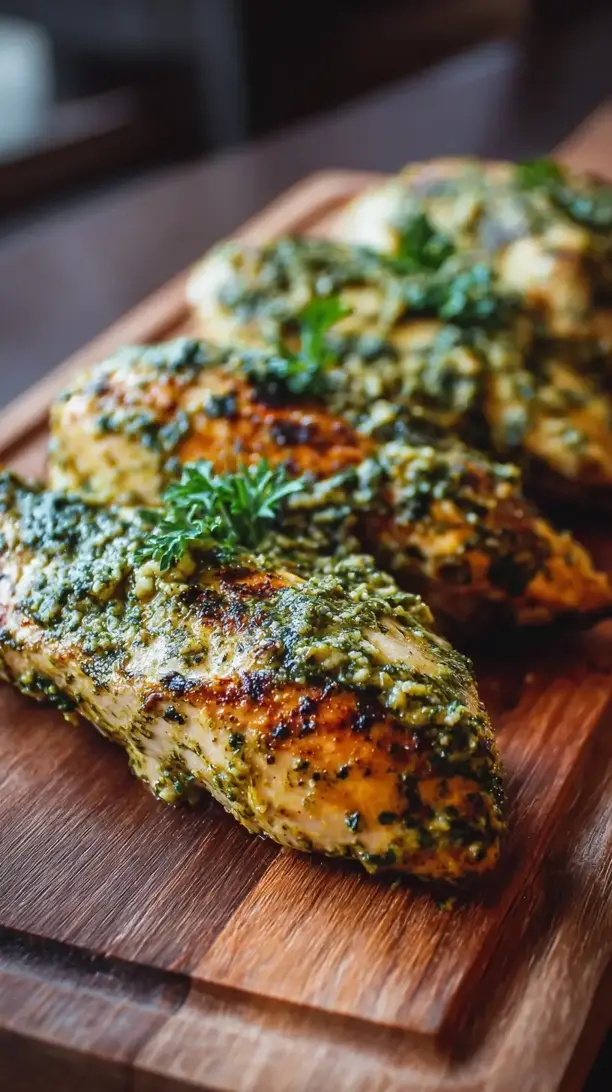
Pesto Chicken
Make this easy Pesto Chicken recipe in one pan for a quick, elegant dinner. Juicy chicken in a creamy pesto sauce is ready in 30 minutes. Get the recipe now!
Ingredients
For the Ingredients
-
4 boneless, skinless chicken breasts (about 1.5 lbs / 680 g)
-
1/2 cup basil pesto (homemade or good-quality store-bought)
-
2 tbsp olive oil
-
3 cloves garlic (minced)
-
1/4 cup chicken broth or dry white wine
-
1/2 cup heavy cream or half-and-half
-
1/4 cup grated Parmesan cheese
-
1 tsp lemon juice
-
salt and freshly ground black pepper (to taste)
-
fresh basil leaves, extra Parmesan, red pepper flakes (for garnish)
Instructions
-
Start by prepping your chicken. Pat the breasts completely dry with paper towels—this is crucial for getting a good sear, not a steam. Then, if they’re uneven, pound them to an even thickness as mentioned above. Season both sides generously with salt and pepper. You’ll notice the texture is firmer and ready for the pan.01
-
Heat the olive oil in your large skillet over medium-high heat. You want the oil to be shimmering but not smoking. Carefully place the chicken breasts in the pan, laying them away from you to avoid oil splatters. Don’t crowd the pan—if you need to, cook in two batches. Let them cook undisturbed for 5-7 minutes, until you see a beautiful golden-brown crust forming on the bottom. The edges will start to turn opaque.02
-
Flip the chicken using tongs. It should release easily from the pan if a good sear has formed. Cook for another 4-5 minutes on the second side. The chicken won’t be fully cooked through yet—that’s perfect. You’re just building color and flavor here. Transfer the chicken to a clean plate for now. The internal temperature should be around 150–155°F (65–68°C) at this stage.03
-
Reduce the heat to medium. In the same skillet, add the minced garlic and sauté for about 30 seconds, just until it becomes fragrant. You have to watch it closely—garlic burns in a heartbeat. Then, pour in the chicken broth or wine to deglaze the pan, scraping up all those delicious browned bits from the bottom with a wooden spoon. Let it simmer for a minute to reduce slightly.04
-
Stir in the heavy cream and the pesto. The sauce will look a bit separated at first, but just keep stirring—it’ll come together into a creamy, homogenous, vibrant green sauce. Let it simmer gently for another minute. You’ll notice the aroma is incredible now, all herby and rich.05
-
Return the chicken breasts and any accumulated juices back to the skillet, nestling them into the sauce. Spoon some of the sauce over the top of each piece. Let everything simmer together for 4-6 minutes, until the chicken is cooked through and reaches an internal temperature of 165°F (74°C). The sauce will have thickened slightly and coated the chicken beautifully.06
-
Turn off the heat. Stir in the grated Parmesan and the teaspoon of lemon juice. The lemon juice is the secret weapon—it cuts through the richness and makes all the flavors pop. Taste the sauce and adjust seasoning with more salt or pepper if needed. The sauce should be glossy and coat the back of a spoon.07
-
Let the chicken rest in the pan for a couple of minutes off the heat before serving. This allows the juices to redistribute throughout the meat, ensuring it stays moist. Garnish with torn fresh basil leaves, an extra sprinkle of Parmesan, and a pinch of red pepper flakes if you like a little heat.08
Not what you're looking for?