This classic pesto pasta delivers vibrant, fresh flavor in under 20 minutes. The homemade sauce sings with basil, garlic, and toasted pine nuts. It’s a simple, impressive dinner that’s better than any jarred version.
Looking for Pesto Pasta inspiration? You'll love what we have! Explore more Dinner Ideas recipes or discover our Burgers favorites.


Why You’ll Love This Pesto Pasta
- Fresh & vibrant: Homemade pesto offers far brighter flavor and color than jarred.
- Under 20 minutes: A true weeknight hero that comes together incredibly fast.
- Wonderfully versatile: Perfect as-is or easily customized with proteins or veggies.
- Aromatic therapy: Your kitchen will smell incredible from the fresh basil and garlic.
Ingredients & Tools
- 500 g dried pasta (linguine, spaghetti, or fusilli work best)
- 100 g fresh basil leaves, packed
- 60 g pine nuts
- 2 large cloves of garlic, peeled
- 75 g freshly grated Parmigiano-Reggiano cheese
- 25 g Pecorino Romano cheese, grated
- 150 ml extra virgin olive oil, plus more for finishing
- 1/2 tsp fine sea salt, or to taste
- 1/4 tsp freshly ground black pepper
- 1 tbsp fresh lemon juice (optional, but recommended)
Tools: A large pot for pasta, a food processor or high-powered blender, a fine grater for cheese, and tongs.
Notes: Don’t skip fresh grating the cheese—pre-grated can make pesto grainy. Lemon juice brightens flavor and preserves color.
Nutrition (per serving)
| Calories: | 580 kcal |
| Protein: | 18 g |
| Fat: | 28 g |
| Carbs: | 65 g |
| Fiber: | 4 g |
Serves: 4 | Prep Time: 10 mins | Cook Time: 12 mins | Total Time: 22 mins
Before You Start: Tips & Ingredient Notes
- Don’t skimp on the basil. You really do need a full 100 grams of leaves for this recipe to have that intense, herby flavor. If your bunch seems a little light, buy two! The stems are tough, so use just the leaves and tender tips.
- Toasting the pine nuts is non-negotiable. A quick toast in a dry pan until they’re golden and fragrant makes a world of difference. It deepens their flavor from mild and soft to rich and nutty, which forms the backbone of a great pesto.
- Use a high-quality olive oil. Since olive oil is a primary ingredient, its flavor shines through. A robust, fruity extra virgin olive oil will give your pesto a much more complex and delicious taste than a bland or refined one.
- Reserve your pasta water! I’ll say it again in the steps, but it’s so important it bears repeating here. The starchy, salty pasta water is the secret weapon for creating a silky, emulsified sauce that clings perfectly to the pasta.
How to Make Pesto Pasta
Step 1: First, get your pasta water going. Bring a large pot of generously salted water to a rolling boil. You want the water to taste like the sea—this is your one chance to season the pasta from within. While it heats up, place a small, dry skillet over medium heat and add your pine nuts. Toast them for 2-4 minutes, shaking the pan frequently, until they’re lightly golden and smell wonderfully nutty. Watch them closely, as they can burn in a flash. Pour them onto a plate to cool immediately.
Step 2: Now, let’s make the pesto. In the bowl of your food processor, combine the cooled pine nuts, fresh basil leaves, and peeled garlic cloves. Pulse about 10-12 times until everything is coarsely chopped. You don’t want a puree here, just a rough, textured mixture. Scrape down the sides of the bowl with a spatula to make sure everything is evenly incorporated.
Step 3: With the processor running on low, slowly drizzle in the 150 ml of extra virgin olive oil through the feed tube. You’ll see the mixture transform into a loose, vibrant green paste. Let it run for another 10 seconds after all the oil is in to ensure it’s well-combined. Now, turn off the processor and add the grated Parmigiano-Reggiano, Pecorino Romano, salt, and pepper.
Step 4: Pulse the mixture again, just 5-6 times, until the cheeses are fully incorporated. You’re aiming for a pesto that still has a bit of texture, not a completely smooth sauce. At this stage, stir in the tablespoon of fresh lemon juice by hand. This final touch brightens the entire dish and helps preserve that beautiful green color. Taste and adjust seasoning with more salt if needed.
Step 5: By now, your water should be boiling. Add your pasta and cook according to the package directions for al dente. Just before the pasta is finished, grab a mug and scoop out about a cup of the starchy pasta water. This liquid gold is key to a perfect sauce. Drain the pasta, but do not rinse it—you want that starch to stay on the surface.
Step 6: Immediately return the hot, drained pasta to the warm pot. Add about 3/4 of your pesto sauce and a splash—maybe 1/4 cup—of the reserved pasta water. Use tongs to toss everything together vigorously. The pasta water, starch, and pesto will emulsify into a creamy, glossy sauce that coats every single strand. If it seems a bit dry, add another splash of pasta water.
Step 7: To serve, divide the pasta among warm bowls. Top each portion with a final dollop of the remaining pesto, a extra grating of Parmesan cheese, a crack of black pepper, and a light drizzle of your best olive oil. This layering of the pesto—both mixed in and on top—gives you an incredible burst of fresh flavor in every bite.
Storage & Freshness Guide
- Fridge: Store leftover pesto pasta in an airtight container for up to 3 days.
- Freezer: Freeze pesto sauce alone in ice cube trays for up to 3 months.
- Reviving: Reheat gently with a splash of water or olive oil to loosen the sauce.
Serving Suggestions
Complementary Dishes
- Garlic Bread — It’s the classic for a reason. The crispy, buttery bread is perfect for scooping up any extra pesto left in the bowl.
- Simple Arugula Salad — A light salad with a lemon vinaigrette provides a peppery, fresh contrast that cuts through the richness of the pasta beautifully.
- Grilled Lemon Herb Chicken — For a protein-packed meal, sliced grilled chicken breast seasoned with lemon and herbs complements the pesto’s flavor profile without overpowering it.
Drinks
- A Crisp Pinot Grigio — This light, dry white wine has enough acidity to stand up to the garlic and herbaceous notes without competing with them.
- Sparkling Water with Lemon — The effervescence and citrus are a fantastic non-alcoholic palate cleanser between bites of the rich, garlicky pasta.
- A Light Italian Lager — A cold, crisp beer like a Peroni can be incredibly refreshing and helps balance the garlic and oil in the dish.
Something Sweet
- Lemon Sorbet — After a garlic-forward meal, a clean, sharp, and refreshing lemon sorbet is the perfect way to finish. It feels light and cleansing.
- Panna Cotta with Berry Compote — The creamy, delicate vanilla flavor of panna cotta is a lovely, elegant follow-up to the bold pesto.
- Amaretti Cookies — These classic Italian almond cookies are light, crunchy, and not too sweet, making them a simple and perfect little treat with an after-dinner coffee.
Top Mistakes to Avoid
- Mistake: Using a blender instead of a food processor. A high-powered blender can easily over-process your pesto, heating it up and turning it into a smooth, dark puree instead of a textured, vibrant sauce. The pulsing action of a food processor is ideal for control.
- Mistake: Adding the cheese while the processor is running. If you add the cheese while the blade is spinning at high speed, it can become gummy and over-worked. Always pulse it in at the end for the best texture.
- Mistake: Rinsing the pasta after draining. I’ve messed this up before too… rinsing the pasta washes away all the essential surface starch that helps the pesto sauce cling to it. You’ll be left with a watery, separated sauce that pools at the bottom of the bowl.
- Mistake: Overheating the pesto. Never cook the pesto sauce in a pan. The heat will wilt the basil and cause it to oxidize and turn brown. You just want to warm it through by tossing it with the hot pasta and pasta water.
Expert Tips
- Tip: Make a double batch of pesto and freeze it. Pesto freezes exceptionally well. Spoon it into an ice cube tray, freeze, then pop the cubes into a freezer bag. You’ll have instant summer flavor ready for a quick pasta night any time.
- Tip: For a creamier sauce, add a knob of butter. After you’ve tossed the pasta with the pesto, stir in a tablespoon of cold, unsalted butter off the heat. It adds a lovely, restaurant-style silkiness and rounds out the flavors.
- Tip: Use a mix of nuts for a different flavor profile. While pine nuts are classic, try using half walnuts or half blanched almonds. They’re more economical and add a deeper, earthier note that’s absolutely delicious.
- Tip: Bruise your basil. Before you blend, give the basil leaves a quick slap or a gentle crush between your hands. This helps to bruise them, releasing more of their incredible aromatic oils into the sauce.
FAQs
Can I make pesto pasta ahead of time?
You can make the pesto sauce up to 2 days ahead. Press a piece of plastic wrap directly onto the surface of the pesto in an airtight container to prevent oxidation (browning). The assembled pasta is best eaten immediately, as it can dry out or absorb the sauce. If you do have leftovers, revive them by adding a tiny splash of water or olive oil when reheating gently.
Why did my pesto turn brown?
Pesto turns brown primarily due to oxidation—the basil reacting with air. The lemon juice in this recipe helps combat this. Also, avoid over-processing, as the friction heat from the blender can cook the basil. Storing it with a layer of oil on top or pressed plastic wrap are the best defenses for keeping it green.
I don’t have pine nuts. What can I use instead?
No problem! Walnuts are a fantastic and traditional substitute with a robust flavor. Blanched almonds or even cashews work well too. Just be sure to toast whatever nut you use to bring out its maximum flavor, just as you would with pine nuts.
Is pesto pasta served hot or cold?
Traditionally, it’s served warm. The heat from the pasta just-warms the fresh pesto, making the aromas bloom without cooking the delicate basil. You can also serve it as a cold pasta salad—just thin the pesto out with a little more olive oil or lemon juice before tossing with cooled pasta.
Can I make this recipe dairy-free or vegan?
Absolutely. For a vegan pesto, omit the Parmesan and Pecorino. You can use a tablespoon of nutritional yeast for a cheesy flavor, or just rely on the nuts and salt. The result will be different—brighter and more herb-forward—but still utterly delicious.


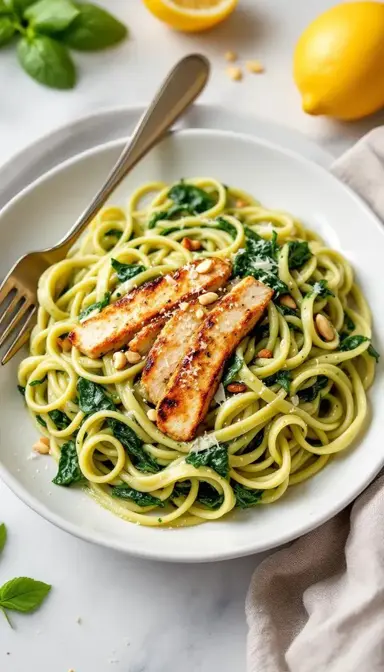
Pesto Pasta
Make the best homemade Pesto Pasta in under 20 minutes with this easy recipe. Fresh, vibrant, and bursting with flavor. Get the recipe now!
Ingredients
For the pasta and pesto:
-
500 g dried pasta (linguine, spaghetti, or fusilli work best)
-
100 g fresh basil leaves (packed)
-
60 g pine nuts
-
2 large cloves garlic (peeled)
-
75 g freshly grated Parmigiano-Reggiano cheese
-
25 g Pecorino Romano cheese (grated)
-
150 ml extra virgin olive oil (plus more for finishing)
-
1/2 tsp fine sea salt (or to taste)
-
1/4 tsp freshly ground black pepper
-
1 tbsp fresh lemon juice (optional, but recommended)
Instructions
-
First, get your pasta water going. Bring a large pot of generously salted water to a rolling boil. You want the water to taste like the sea—this is your one chance to season the pasta from within. While it heats up, place a small, dry skillet over medium heat and add your pine nuts. Toast them for 2-4 minutes, shaking the pan frequently, until they’re lightly golden and smell wonderfully nutty. Watch them closely, as they can burn in a flash. Pour them onto a plate to cool immediately.01
-
Now, let’s make the pesto. In the bowl of your food processor, combine the cooled pine nuts, fresh basil leaves, and peeled garlic cloves. Pulse about 10-12 times until everything is coarsely chopped. You don’t want a puree here, just a rough, textured mixture. Scrape down the sides of the bowl with a spatula to make sure everything is evenly incorporated.02
-
With the processor running on low, slowly drizzle in the 150 ml of extra virgin olive oil through the feed tube. You’ll see the mixture transform into a loose, vibrant green paste. Let it run for another 10 seconds after all the oil is in to ensure it’s well-combined. Now, turn off the processor and add the grated Parmigiano-Reggiano, Pecorino Romano, salt, and pepper.03
-
Pulse the mixture again, just 5-6 times, until the cheeses are fully incorporated. You’re aiming for a pesto that still has a bit of texture, not a completely smooth sauce. At this stage, stir in the tablespoon of fresh lemon juice by hand. This final touch brightens the entire dish and helps preserve that beautiful green color. Taste and adjust seasoning with more salt if needed.04
-
By now, your water should be boiling. Add your pasta and cook according to the package directions for al dente. Just before the pasta is finished, grab a mug and scoop out about a cup of the starchy pasta water. This liquid gold is key to a perfect sauce. Drain the pasta, but do not rinse it—you want that starch to stay on the surface.05
-
Immediately return the hot, drained pasta to the warm pot. Add about 3/4 of your pesto sauce and a splash—maybe 1/4 cup—of the reserved pasta water. Use tongs to toss everything together vigorously. The pasta water, starch, and pesto will emulsify into a creamy, glossy sauce that coats every single strand. If it seems a bit dry, add another splash of pasta water.06
-
To serve, divide the pasta among warm bowls. Top each portion with a final dollop of the remaining pesto, a extra grating of Parmesan cheese, a crack of black pepper, and a light drizzle of your best olive oil. This layering of the pesto—both mixed in and on top—gives you an incredible burst of fresh flavor in every bite.07
Not what you're looking for?