This pesto pasta delivers vibrant, fresh flavor in under 20 minutes. The toasted pine nuts and starchy pasta water create a rich, silky sauce that clings perfectly. It’s a classic weeknight meal that feels like a celebration.
Looking for Pesto Pasta inspiration? You'll love what we have! Explore more Dinner Ideas recipes or discover our Christmas Cookie favorites.


Why You’ll Love This Pesto Pasta
- Fresh & vibrant: Real basil brings a taste of summer anytime.
- Perfect texture: Smooth pesto with a bit of nutty crunch.
- Quick & easy: Ready in under 20 minutes for busy nights.
- Versatile base: Easy to customize with proteins or veggies.
Ingredients & Tools
- 200 g fresh basil leaves, packed
- 100 g extra virgin olive oil
- 80 g Parmesan cheese, freshly grated
- 50 g pine nuts
- 2 large cloves of garlic
- 1/2 tsp fine sea salt
- 1/4 tsp freshly ground black pepper
- Juice of 1/2 a small lemon
- 400 g pasta of your choice (linguine or spaghetti work wonderfully)
Tools: A food processor or high-powered blender, a large pot for pasta, a large mixing bowl, a small skillet for toasting nuts.
Notes: Use high-quality extra virgin olive oil and freshly grated Parmesan for best flavor. Lemon juice brightens the pesto and slows browning.
Nutrition (per serving)
| Calories: | 520 kcal |
| Protein: | 18 g |
| Fat: | 28 g |
| Carbs: | 48 g |
| Fiber: | 4 g |
Serves: 4 | Prep Time: 10 minutes | Cook Time: 12 minutes | Total Time: 22 minutes
Before You Start: Tips & Ingredient Notes
- Don’t use dried basil. I know it’s tempting if that’s all you have, but for pesto, it just won’t work. The flavor and aroma of fresh basil are what make this dish, and dried basil will taste dusty and muted in comparison.
- Toast those pine nuts. It’s a simple step that adds a world of flavor. Toasting them in a dry pan for a few minutes until they’re golden brown brings out a deep, nutty aroma that makes the pesto taste so much more complex.
- Grate your own Parmesan. The pre-grated stuff often contains anti-caking agents like potato starch or cellulose, which can make your pesto grainy and prevent it from emulsifying smoothly with the oil. A little extra effort with a box grater is totally worth it.
- Reserve your pasta water! This is the golden rule. The starchy, salty water is the key to making a silky, restaurant-quality sauce that clings to the pasta. Have a mug or measuring cup ready by the stove to scoop some out before you drain the pasta.
How to Make Pesto Pasta
Step 1: Toast the Pine Nuts. Place your pine nuts in a small, dry skillet over medium-low heat. Swirl them around frequently—they can burn in a heartbeat. You’re looking for a light golden color and a beautiful, toasty aroma. This should only take 3-4 minutes. As soon as they’re done, pour them onto a plate to stop the cooking process. Let them cool completely before you add them to the food processor; hot nuts can make the oil bitter.
Step 2: Start Your Pasta Water. Fill a large pot with water, add a generous amount of salt—it should taste like the sea—and bring it to a rolling boil. This is the only chance you have to season the pasta itself from the inside out. Go ahead and add your pasta and cook it according to the package directions for al dente.
Step 3: Make the Pesto. In your food processor, combine the cooled pine nuts, fresh basil leaves, garlic cloves, salt, and pepper. Pulse a few times until everything is roughly chopped and combined. Now, with the processor running on low, slowly drizzle in the extra virgin olive oil. You’ll see it start to form a coarse paste. Stop and scrape down the sides. Add the freshly grated Parmesan and the lemon juice, then pulse again until everything is just incorporated. You want it to be smooth but still have a tiny bit of texture. Taste it! Adjust the salt or lemon juice if needed.
Step 4: The All-Important Pasta Water. Right before you drain the pasta, scoop out about a cup of the starchy cooking water. This liquid gold is what will transform your pesto from a thick paste into a luxurious, emulsified sauce. Drain the pasta, but do not rinse it—you want all that starch to help the sauce stick.
Step 5: Bring It All Together. Transfer the hot, drained pasta directly into a large mixing bowl. Add your freshly made pesto. Now, start adding the reserved pasta water a few tablespoons at a time, tossing the pasta vigorously with tongs. You’ll notice the sauce will loosen up, become glossier, and coat every single strand perfectly. Keep adding water and tossing until the sauce has a beautiful, fluid consistency that clings to the pasta. The trick is to do this while the pasta is still very hot.
Step 6: Serve Immediately. Pesto pasta is best enjoyed right away, while it’s warm and the flavors are at their peak. Give it one final toss, divide it among bowls, and if you’re feeling fancy, finish it with an extra sprinkle of Parmesan and a crack of black pepper.
Storage & Freshness Guide
- Fridge: Store leftover pesto pasta in an airtight container for up to 3 days.
- Freezer: Freeze pesto sauce alone in ice cube trays for up to 3 months.
- Reviving: Reheat gently with a splash of water or olive oil to restore sauciness.
Serving Suggestions
Complementary Dishes
- Grilled Lemon Herb Chicken Breast — The simple, charred flavor of the chicken pairs beautifully with the herbal notes in the pesto, adding a satisfying protein element without overpowering the main event.
- A Simple Arugula Salad with Lemon Vinaigrette — The peppery bite of arugula provides a lovely contrast to the rich, creamy pasta, and the sharp vinaigrette cleanses the palate between bites.
- Roasted Cherry Tomatoes — Their sweet, concentrated burst of flavor adds a wonderful pop of color and a juicy texture that complements the sauce perfectly.
Drinks
- A Crisp Sauvignon Blanc — Its citrusy and herbaceous notes are a natural match for the basil and lemon in the pesto, cutting through the richness beautifully.
- Sparkling Water with a Lemon Wedge — For a non-alcoholic option, the effervescence is refreshing and the lemon echoes the bright notes already in the dish.
- A Light Italian Lager — The crisp, clean finish of a good lager helps reset your taste buds, making each mouthful of pasta taste as vibrant as the first.
Something Sweet
- Lemon Sorbet — It’s the ultimate palate cleanser. The intense, bright citrus flavor is a perfect, light finish after the savory, herbal main course.
- Dark Chocolate Almond Clusters — A few pieces of these offer a rich, bittersweet end to the meal that doesn’t feel too heavy, with a nuttiness that subtly echoes the pine nuts.
- Fresh Berries with a Dollop of Mascarpone — Simple, fresh, and just a little indulgent. The sweet-tart berries and creamy cheese are a delightful, low-effort dessert.
Top Mistakes to Avoid
- Over-processing the pesto. If you run the food processor for too long, you’ll heat up the sauce and cause the basil to oxidize and turn brown. It can also make the oil bitter. Pulse and blend just until combined.
- Using hot nuts in the pesto. As mentioned, adding warm toasted nuts can cause the oil to take on a bitter flavor. Always let them cool to room temperature first for the best, sweetest nutty taste.
- Skipping the pasta water. I’ve messed this up before too, thinking a little extra olive oil would do the trick. It won’t. The starchy water is essential for creating a silky, emulsified sauce that doesn’t separate and actually sticks to the pasta.
- Rinsing the pasta after draining. This washes away all the surface starch that helps the sauce adhere. Your pesto will just slide right off, leaving you with bland pasta and a puddle of sauce at the bottom of the bowl.
Expert Tips
- Tip: Blanch your basil for a brighter green color. If you want an incredibly vibrant, green pesto that holds its color for longer, dip the basil leaves in boiling water for just 5 seconds, then immediately transfer them to an ice bath. Pat them completely dry before using. This deactivates the enzyme that causes browning.
- Tip: Make a double batch of pesto and freeze it. Pesto freezes beautifully. Spoon it into an ice cube tray, freeze until solid, then pop the cubes into a freezer bag. You’ll have instant single-serving portions of summer flavor ready for a quick pasta night.
- Tip: Try a different nut. While pine nuts are classic, don’t be afraid to experiment. Toasted walnuts or almonds work wonderfully and can add a different, delicious dimension to your sauce, often for a lower cost.
- Tip: Use a mortar and pestle for the best texture. If you have the time and energy, making pesto the traditional way with a mortar and pestle creates a uniquely coarse and rustic texture that many people prefer. It releases the oils more gently, resulting in an incredibly fragrant sauce.
FAQs
Can I make pesto pasta ahead of time?
You can make the pesto sauce itself up to 3 days in advance. Store it in an airtight container in the fridge with a thin layer of olive oil on top to prevent oxidation. However, I highly recommend combining the sauce with the pasta just before serving. If it sits for too long, the pasta will absorb the sauce and become dry. If you do have leftovers, revive them by adding a splash of warm water or a little more olive oil when reheating gently.
Why did my pesto turn brown?
This is almost always due to oxidation from the basil being exposed to air. The blades of a food processor can speed this up by bruising the leaves and introducing oxygen. Using the blanching method I mentioned can help, as can adding the lemon juice, which is acidic and slows browning. For the freshest color, make and use the pesto on the same day.
My pesto is too thick. How can I thin it out?
This is an easy fix! Never just add more oil, as that can make it greasy. The answer is always more of that reserved pasta water. Start with a tablespoon or two and toss the pasta vigorously. The starchy water will emulsify with the oil and cheese, creating a smoother, saucier consistency that perfectly coats the pasta.
Can I make this recipe dairy-free or vegan?
Absolutely. For a vegan pesto, simply omit the Parmesan cheese. You might want to add a tablespoon of nutritional yeast for a cheesy, umami flavor, or just enjoy the pure, herbal taste of the basil and nuts. The texture will be a bit looser, but it will still be delicious.
What can I use instead of pine nuts?
Pine nuts can be pricey, so feel free to substitute! Toasted walnuts are a fantastic, earthy alternative. Slivered or blanched almonds also work very well and provide a slightly sweeter, milder nut flavor. Just make sure whatever nut you use is toasted for the best depth of flavor.



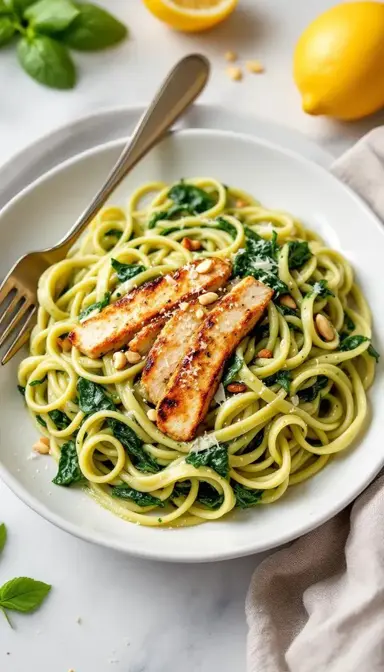
Pesto Pasta
Make the best Pesto Pasta in under 20 minutes! Our easy recipe features fresh basil, toasted pine nuts, and a silky sauce. Get the step-by-step guide now!
Ingredients
For the pesto:
-
200 g fresh basil leaves (packed)
-
100 g extra virgin olive oil
-
80 g Parmesan cheese (freshly grated)
-
50 g pine nuts
-
2 large cloves garlic
-
1/2 tsp fine sea salt
-
1/4 tsp freshly ground black pepper
-
1/2 small lemon juice
For the pasta:
-
400 g pasta of your choice (linguine or spaghetti work wonderfully)
Instructions
-
Toast the Pine Nuts. Place your pine nuts in a small, dry skillet over medium-low heat. Swirl them around frequently—they can burn in a heartbeat. You’re looking for a light golden color and a beautiful, toasty aroma. This should only take 3-4 minutes. As soon as they’re done, pour them onto a plate to stop the cooking process. Let them cool completely before you add them to the food processor; hot nuts can make the oil bitter.01
-
Start Your Pasta Water. Fill a large pot with water, add a generous amount of salt—it should taste like the sea—and bring it to a rolling boil. This is the only chance you have to season the pasta itself from the inside out. Go ahead and add your pasta and cook it according to the package directions for al dente.02
-
Make the Pesto. In your food processor, combine the cooled pine nuts, fresh basil leaves, garlic cloves, salt, and pepper. Pulse a few times until everything is roughly chopped and combined. Now, with the processor running on low, slowly drizzle in the extra virgin olive oil. You’ll see it start to form a coarse paste. Stop and scrape down the sides. Add the freshly grated Parmesan and the lemon juice, then pulse again until everything is just incorporated. You want it to be smooth but still have a tiny bit of texture. Taste it! Adjust the salt or lemon juice if needed.03
-
The All-Important Pasta Water. Right before you drain the pasta, scoop out about a cup of the starchy cooking water. This liquid gold is what will transform your pesto from a thick paste into a luxurious, emulsified sauce. Drain the pasta, but do not rinse it—you want all that starch to help the sauce stick.04
-
Bring It All Together. Transfer the hot, drained pasta directly into a large mixing bowl. Add your freshly made pesto. Now, start adding the reserved pasta water a few tablespoons at a time, tossing the pasta vigorously with tongs. You’ll notice the sauce will loosen up, become glossier, and coat every single strand perfectly. Keep adding water and tossing until the sauce has a beautiful, fluid consistency that clings to the pasta. The trick is to do this while the pasta is still very hot.05
-
Serve Immediately. Pesto pasta is best enjoyed right away, while it’s warm and the flavors are at their peak. Give it one final toss, divide it among bowls, and if you’re feeling fancy, finish it with an extra sprinkle of Parmesan and a crack of black pepper.06
Not what you're looking for?