
This Pork and Chickpea Stew is a humble, hearty dish that feels like a warm hug in a bowl. The pork becomes incredibly tender while the chickpeas soak up the rich, savory juices from tomatoes and spices. It’s a one-pot wonder that gets better the next day, making it perfect for meal prep or feeding a crowd.
Nothing beats a great Pork and Chickpea Stew. Whether you're a fan of Stew or want to try something from our Appetizers & Snacks selection, keep scrolling!



Why You’ll Love This Pork and Chickpea Stew
- Tender pork: Slow cooking yields succulent, melt-in-your-mouth pieces.
- Rich, layered flavors: Simmering develops a deeply complex and satisfying broth.
- Fuss-free meal: Everything happens in one pot for maximum flavor with minimal cleanup.
- Better next day: Flavors marry overnight, making leftovers something to look forward to.
Ingredients & Tools
- 800 g pork shoulder, cut into 3 cm cubes
- 2 tbsp olive oil
- 1 large yellow onion, diced
- 3 cloves garlic, minced
- 2 medium carrots, sliced into rounds
- 2 tbsp tomato paste
- 1 tsp smoked paprika
- 1/2 tsp ground cumin
- 1/4 tsp chilli flakes (optional)
- 240 ml dry white wine
- 800 g canned chopped tomatoes
- 480 ml chicken stock
- 2 bay leaves
- 800 g canned chickpeas, rinsed and drained
- Salt and black pepper to taste
- Fresh parsley for garnish
Tools: A large, heavy-bottomed pot or Dutch oven is essential here.
Notes: The quality of your pork shoulder really makes a difference—look for a piece with good marbling for the most tender result. And don’t skip browning the meat; those crispy, caramelized bits at the bottom of the pot are pure flavor gold.
Nutrition (per serving)
| Calories: | 520 kcal |
| Protein: | 38 g |
| Fat: | 18 g |
| Carbs: | 45 g |
| Fiber: | 12 g |
Serves: 6 | Prep Time: 20 minutes | Cook Time: 2 hours 15 minutes | Total Time: 2 hours 35 minutes
Before You Start: Tips & Ingredient Notes
- Choosing your pork. Pork shoulder (also called Boston butt) is the best cut for stewing. It has enough fat and connective tissue to become incredibly tender and flavorful during the long, slow cook. Avoid lean cuts like pork loin, as they can become dry and tough.
- Don’t rush the browning. This step is not just for color—it’s for building a deep, savory foundation. Get a good, dark sear on the pork in batches without crowding the pan. Those browned bits left in the pot are called fond, and they’re the secret to a rich-tasting stew.
- To rinse or not to rinse chickpeas? Absolutely rinse them. Giving your canned chickpeas a good rinse under cold water washes away the starchy liquid they’re packed in, which helps prevent your stew from becoming overly thick or cloudy.
- Why use wine? The white wine adds a crucial layer of acidity and brightness that cuts through the richness of the pork and tomatoes. Don’t worry, the alcohol cooks off, leaving behind a more complex flavor profile. If you must skip it, use an equal amount of additional chicken stock and a squeeze of lemon juice at the end.
How to Make Pork and Chickpea Stew
Step 1: Pat the pork cubes completely dry with paper towels—this is the secret to getting a proper sear. Season them generously with salt and pepper. Heat the olive oil in your large pot over medium-high heat until it shimmers. Working in batches to avoid steaming, add the pork and sear until deeply browned on all sides, about 6-8 minutes per batch. Transfer the browned pork to a clean plate. You’ll notice those beautiful browned bits stuck to the bottom of the pot; that’s exactly what you want.
Step 2: Reduce the heat to medium and add the diced onion and carrots to the same pot. You might need a tiny bit more oil. Cook, stirring occasionally, until the onion has softened and turned translucent, about 5-7 minutes. Add the minced garlic and cook for just one more minute until fragrant—be careful not to let it burn, as it can turn bitter.
Step 3: Push the vegetables to the side and add the tomato paste, smoked paprika, cumin, and chilli flakes (if using) to the center of the pot. Let the tomato paste cook for a minute or two, stirring constantly. You’ll see its color darken slightly and it will smell sweet and toasty. This “blooming” of the spices and paste unlocks their full potential and removes any raw, tinny taste.
Step 4: Pour in the white wine to deglaze the pot. Use your wooden spoon to scrape all those delicious browned bits from the bottom—this is where so much flavor lives! Let the wine bubble and reduce by about half, which should take 3-4 minutes. The sharp alcohol smell will fade, leaving a richer aroma behind.
Step 5: Return the seared pork and any accumulated juices back to the pot. Add the canned tomatoes, chicken stock, and bay leaves. Give everything a good stir to combine. Bring the stew to a lively simmer, then immediately reduce the heat to low. Cover the pot with a lid slightly ajar and let it gently bubble away for about 1 hour and 30 minutes.
Step 6: After the long simmer, the pork should be fork-tender. Now, stir in the rinsed chickpeas. Continue to cook, uncovered, for another 20-30 minutes. This final simmer allows the chickpeas to heat through and absorb the stew’s flavors while the sauce reduces and thickens slightly. Taste and adjust the seasoning with more salt and pepper as needed. Fish out the bay leaves before serving, and garnish with a generous handful of fresh, chopped parsley.
Storage & Freshness Guide
- Fridge: Cool completely, then store in an airtight container for up to 4 days.
- Freezer: Portion into freezer-safe containers, leaving space for expansion, and freeze for up to 3 months.
- Reviving: Reheat gently on the stovetop, adding a splash of water or stock if the stew has thickened too much.
Serving Suggestions
Complementary Dishes
- Crusty bread or focaccia — Essential for sopping up every last bit of the delicious, savory broth. A warm, chewy piece of bread is the perfect utensil here.
- Creamy polenta or mashed potatoes — The soft, creamy texture creates a wonderful base for the hearty stew, making each spoonful even more comforting.
- A simple green salad with a sharp vinaigrette — The fresh, crisp, and acidic notes of the salad provide a bright counterbalance to the rich, deep flavors of the stew.
Drinks
- A medium-bodied red wine like a Grenache or a Sangiovese — These wines have enough acidity and fruitiness to complement the tomatoes and pork without overpowering the dish.
- A crisp, dry cider — The appley brightness and slight fizz of a good cider cut through the stew’s richness beautifully and feel very autumnal.
Something Sweet
- A simple lemon tart or lemon bars — The sharp, citrusy zing is a perfect palate cleanser after the savory, hearty stew and feels wonderfully refreshing.
- Dark chocolate and orange pots de crème — The deep, bitter notes of dark chocolate paired with orange offer a sophisticated and rich ending that doesn’t feel too heavy.
Top Mistakes to Avoid
- Mistake: Not patting the pork dry before searing. Moisture is the enemy of browning. If the pork is wet, it will steam instead of sear, and you’ll miss out on all that incredible flavor and texture.
- Mistake: Skipping the deglazing step. After browning the meat and cooking the vegetables, all those browned, sticky bits are packed with flavor. If you don’t deglaze with wine (or stock), that flavor stays stuck to the pot instead of in your stew.
- Mistake: Boiling the stew instead of simmering it. A gentle simmer is what you’re after. A rolling boil will make the pork tough and can cause the sauce to reduce too quickly, potentially leading to a burnt taste. Keep the heat low and steady.
Expert Tips
- Tip: Make it a day ahead. Stews are famously better the next day. The flavors have time to meld and deepen overnight in the fridge. Just gently reheat it on the stove for an even more incredible meal.
- Tip: Use an ice cube to degrease. If you find a little too much fat has rendered from the pork on the surface, drop an ice cube in and swirl it around. The fat will solidify and stick to the cube, making it easy to remove.
- Tip: Add a parmesan rind. If you have a leftover rind of Parmigiano-Reggiano in your fridge, toss it into the stew as it simmers. It will dissolve slowly, adding an incredible layer of umami and savory depth to the broth.
- Tip: Brighten it up at the end. Right before serving, stir in a tablespoon or two of fresh lemon juice or a splash of good quality sherry vinegar. This little hit of acidity can lift all the flavors and make the stew taste brighter and more balanced.
FAQs
Can I make this Pork and Chickpea Stew in a slow cooker?
Absolutely, and it turns out wonderfully. Simply follow the steps to brown the pork and sauté the vegetables in a skillet first—this step is too important to skip for flavor. Then, transfer everything (including the deglazing liquid) into your slow cooker. Add the remaining ingredients except the chickpeas and parsley. Cook on low for 6-8 hours or on high for 3-4 hours. Stir in the chickpeas about 30 minutes before the end of the cooking time so they don’t get too mushy.
What can I use instead of white wine?
No problem! The best non-alcoholic substitute is an equal amount of additional chicken stock mixed with a tablespoon of either white wine vinegar or fresh lemon juice. The goal is to replicate the acidity that the wine provides, which helps to balance the richness of the stew. The flavor profile will be slightly different, but it will still be delicious.
How can I store and reheat the leftovers?
Let the stew cool completely before transferring it to an airtight container. It will keep in the refrigerator for up to 4 days. To reheat, gently warm it in a pot on the stove over low heat, stirring occasionally. You can also reheat single portions in the microwave, stirring every 60 seconds. If the stew has thickened too much in the fridge, just add a splash of water or stock when reheating.
Can I freeze this stew?
You sure can! This stew freezes exceptionally well. Cool it completely, then portion it into freezer-safe containers or heavy-duty zip-top bags, leaving a little space for expansion. It will keep for up to 3 months. To serve, thaw it overnight in the refrigerator and then reheat gently on the stovetop. The texture of the chickpeas might be a little softer after freezing, but the flavor will be just as good.
My stew is too thin. How can I thicken it?
If you prefer a thicker stew, you have a couple of easy options. The simplest is to let it simmer uncovered for an extra 10-15 minutes to allow more liquid to evaporate. Alternatively, you can mash a few of the chickpeas and potatoes (if using) against the side of the pot with a fork and stir them back in—this will naturally thicken the sauce. For a quicker fix, mix a tablespoon of cornstarch with two tablespoons of cold water to make a slurry, then stir it into the simmering stew until it thickens.

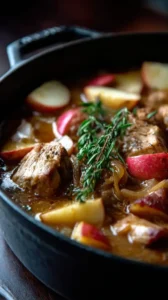

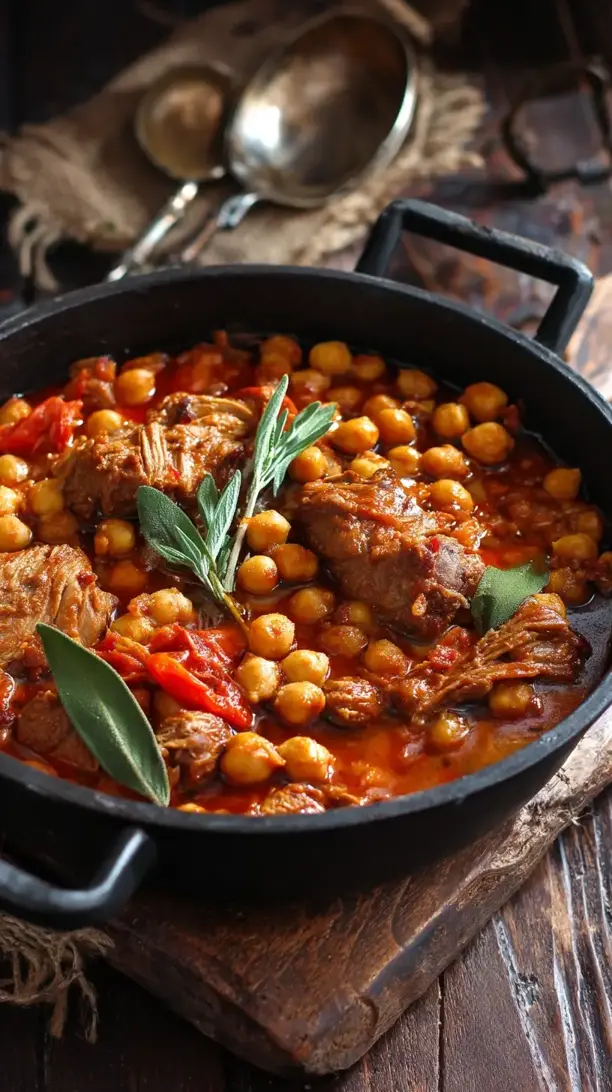
Pork And Chickpea Stew
Make this easy Pork and Chickpea Stew for a hearty, one-pot meal. Tender pork and savory chickpeas simmer in a rich tomato broth. Get the recipe now!
Ingredients
For the Stew
-
800 g pork shoulder (cut into 3 cm cubes)
-
2 tbsp olive oil
-
1 large yellow onion (diced)
-
3 cloves garlic (minced)
-
2 medium carrots (sliced into rounds)
-
2 tbsp tomato paste
-
1 tsp smoked paprika
-
0.5 tsp ground cumin
-
0.25 tsp chilli flakes (optional)
-
240 ml dry white wine
-
800 g canned chopped tomatoes
-
480 ml chicken stock
-
2 bay leaves
-
800 g canned chickpeas (rinsed and drained)
-
Salt and black pepper (to taste)
-
Fresh parsley (for garnish)
Instructions
-
Pat the pork cubes completely dry with paper towels—this is the secret to getting a proper sear. Season them generously with salt and pepper. Heat the olive oil in your large pot over medium-high heat until it shimmers. Working in batches to avoid steaming, add the pork and sear until deeply browned on all sides, about 6-8 minutes per batch. Transfer the browned pork to a clean plate. You’ll notice those beautiful browned bits stuck to the bottom of the pot; that’s exactly what you want.01
-
Reduce the heat to medium and add the diced onion and carrots to the same pot. You might need a tiny bit more oil. Cook, stirring occasionally, until the onion has softened and turned translucent, about 5-7 minutes. Add the minced garlic and cook for just one more minute until fragrant—be careful not to let it burn, as it can turn bitter.02
-
Push the vegetables to the side and add the tomato paste, smoked paprika, cumin, and chilli flakes (if using) to the center of the pot. Let the tomato paste cook for a minute or two, stirring constantly. You’ll see its color darken slightly and it will smell sweet and toasty. This “blooming” of the spices and paste unlocks their full potential and removes any raw, tinny taste.03
-
Pour in the white wine to deglaze the pot. Use your wooden spoon to scrape all those delicious browned bits from the bottom—this is where so much flavor lives! Let the wine bubble and reduce by about half, which should take 3-4 minutes. The sharp alcohol smell will fade, leaving a richer aroma behind.04
-
Return the seared pork and any accumulated juices back to the pot. Add the canned tomatoes, chicken stock, and bay leaves. Give everything a good stir to combine. Bring the stew to a lively simmer, then immediately reduce the heat to low. Cover the pot with a lid slightly ajar and let it gently bubble away for about 1 hour and 30 minutes.05
-
After the long simmer, the pork should be fork-tender. Now, stir in the rinsed chickpeas. Continue to cook, uncovered, for another 20-30 minutes. This final simmer allows the chickpeas to heat through and absorb the stew’s flavors while the sauce reduces and thickens slightly. Taste and adjust the seasoning with more salt and pepper as needed. Fish out the bay leaves before serving, and garnish with a generous handful of fresh, chopped parsley.06
Not what you're looking for?


