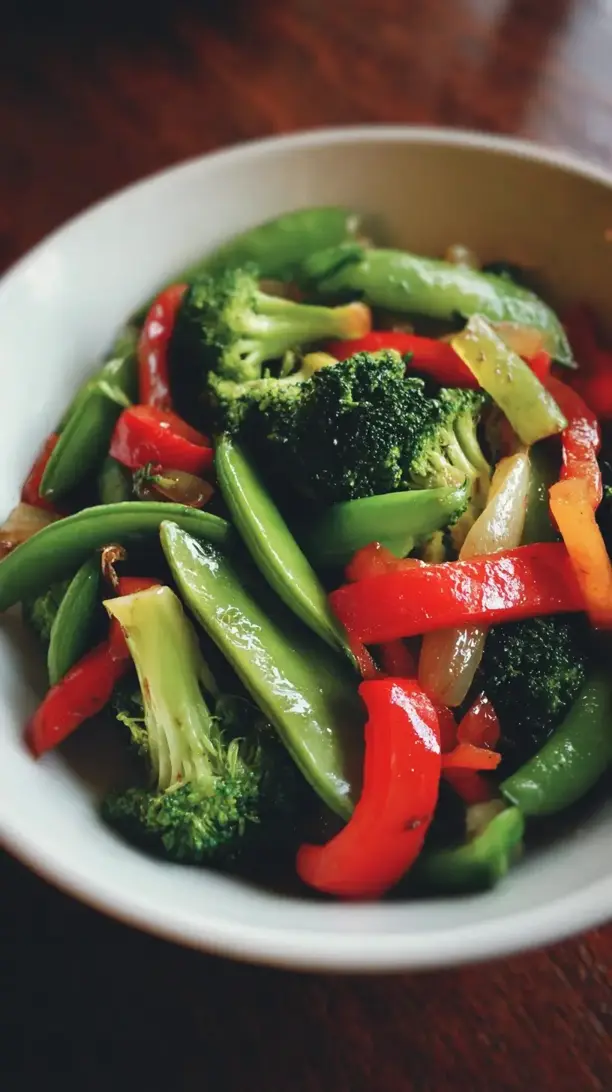
Doesn’t it feel great when you find a recipe that truly saves the day? I’m talking about one of those incredibly reliable dishes that you can count on after a long, busy day, when the last thing you want is a complicated project in the kitchen. This is exactly why I’m so excited to share this Quick Beef Stir-Fry with you. It’s the kind of easy stir-fry recipe that feels like a warm hug, promising a satisfying and delicious meal without the stress.
With its tender strips of beef sirloin and a wonderfully simple, savory stir-fry sauce, this Asian stir-fry is a guaranteed win for any weeknight dinner. It’s amazing how a single skillet and just 20 minutes can transform simple ingredients into something so vibrant and flavorful. If you’re searching for quick dinner ideas that never compromise on taste, this is the one to add to your regular rotation.
Craving a delicious Quick Beef Stir Fry? You've come to the right spot! From Dinner Ideas favorites to amazing Drinks recipes, there's something here for everyone.



Why You’ll Love This Quick Beef Stir-Fry
- Genuinely fast: Ready in 20 minutes from start to finish.
- Deep, complex flavor: Savory, umami-rich sauce clings to every ingredient.
- Incredibly versatile: Easily swap proteins or vegetables to suit your taste.
- Perfect texture: Tender beef, crisp veggies, and glossy sauce in every bite.
Ingredients & Tools
- 450 g beef sirloin or flank steak, thinly sliced against the grain
- 1 tbsp cornstarch
- 2 tbsp soy sauce (or tamari for gluten-free)
- 1 tbsp sesame oil
- 2 tbsp vegetable or avocado oil, divided
- 3 cloves garlic, minced
- 1 tbsp fresh ginger, grated
- 1 large red bell pepper, sliced
- 1 large yellow bell pepper, sliced
- 150 g sugar snap peas or snow peas, trimmed
- 4 spring onions, sliced, whites and greens separated
- For the sauce: 60 ml soy sauce, 2 tbsp rice vinegar, 1 tbsp honey or brown sugar substitute, 2 tbsp water, 1 tsp cornstarch
Tools: A large wok or a very large, heavy-bottomed skillet, a set of measuring spoons, a sharp knife, and a couple of small bowls for mise en place.
Getting your ingredients prepped and ready to go—what the French call ‘mise en place’—is the real secret to a successful stir-fry. Once that pan is hot, everything moves so quickly that you won’t have time to mince garlic or mix a sauce. A little organization upfront makes the entire process feel effortless and, dare I say, quite therapeutic.
Nutrition (per serving)
| Calories: | 320 kcal |
| Protein: | 28 g |
| Fat: | 16 g |
| Carbs: | 14 g |
| Fiber: | 3 g |
Serves: 4 | Prep Time: 10 minutes | Cook Time: 10 minutes | Total Time: 20 minutes
Before You Start: Tips & Ingredient Notes
- Slice your beef thin and against the grain. This is non-negotiable for tender beef. Look for the lines running through the meat (the grain) and slice perpendicular to them. This shortens the muscle fibers, ensuring every piece is easy to chew.
- Get your wok or pan screaming hot. Stir-frying is a high-heat cooking method. You want to hear a loud sizzle the moment the ingredients hit the surface. This sears the meat quickly and keeps the veggies crisp, rather than steaming them into mush.
- Don’t crowd the pan. If you add too much at once, the temperature plummets and your food will stew. This is why we cook the beef in batches—it gives each piece space to develop a beautiful, flavorful sear.
- Have everything within arm’s reach. Your sliced veggies, sauce, and aromatics should all be lined up like little soldiers ready for battle. This “station setup” is what makes a 10-minute cook time possible and keeps the process calm and enjoyable.
How to Make Quick Beef Stir-Fry
Step 1: Prep and Marinate the Beef. Start by placing your thinly sliced beef in a medium bowl. Sprinkle the cornstarch over it, followed by the 2 tablespoons of soy sauce and 1 tablespoon of sesame oil. Use your hands or a fork to toss everything together, ensuring each piece of beef is lightly coated. This marinade is a quick flavor-booster and the cornstarch will help create a lovely, slight crust on the beef when it cooks. Let it sit while you prepare the rest of your ingredients—even 5-10 minutes makes a difference.
Step 2: Prepare the Sauce and Aromatics. In a small bowl or a measuring jug, whisk together all the ingredients for the sauce: the 60 ml of soy sauce, rice vinegar, honey (or your preferred sweetener), water, and the final teaspoon of cornstarch. Whisk it until the cornstarch is fully dissolved and there are no lumps. Set this aside. Then, have your minced garlic, grated ginger, and the sliced white parts of your spring onions ready in a small pile. This is your aromatic base, the flavor foundation of the entire dish.
Step 3: Cook the Beef in Batches. Place your wok or large skillet over the highest possible heat and let it get seriously hot. You should see a slight shimmer in the air above it. Add one tablespoon of your neutral oil and swirl it around. Carefully add half of the marinated beef, spreading it out in a single layer. Let it sear undisturbed for about 60-90 seconds to get a good color on one side, then stir-fry for another minute until just cooked through. Transfer this first batch to a clean plate and repeat with the remaining beef and another half tablespoon of oil. Removing the beef ensures it stays tender and doesn’t overcook while we deal with the veggies.
Step 4: Sauté the Aromatics and Vegetables. There should still be a little oil in the pan. If it looks dry, add the remaining half tablespoon. Immediately throw in the garlic, ginger, and the white parts of the spring onions. Stir-fry for just 30 seconds—you just want them to become fragrant, not burn! Then, add your sliced bell peppers and sugar snap peas. Stir-fry these for 2-3 minutes. You’re aiming for a vibrant color and a crisp-tender texture. They should still have a nice bite to them.
Step 5: Bring It All Together. Now for the grand finale! Give your prepared sauce a quick re-whisk (the cornstarch can settle) and pour it into the center of the wok with the vegetables. It will bubble and thicken almost immediately into a glossy, beautiful sauce. Once it’s thickened, which should take less than a minute, return the cooked beef and any accumulated juices back to the wok. Also, toss in the green parts of the spring onions. Stir everything together vigorously, making sure the sauce coats every single piece of beef and vegetable. Cook for just one final minute to heat the beef through.
Step 6: Serve Immediately. Your stir-fry is now at its absolute peak—the beef is tender, the veggies are brightly colored and crisp, and the sauce is perfectly glossy. Dish it out straight away onto plates or into bowls. Stir-fries are best enjoyed hot and fresh, right from the wok, while the textures are at their very best. The steam rising from the plate, carrying that incredible savory scent, is your reward for a job brilliantly done.
Storage & Freshness Guide
- Fridge: Store in an airtight container for up to 3 days.
- Freezer: Freeze for up to 1 month; vegetables will soften upon thawing.
- Reviving: Reheat in a skillet over medium heat, adding a splash of water or broth to refresh the sauce.
Serving Suggestions
Complementary Dishes
- Cauliflower Rice — A fantastic low-carb base that soaks up the delicious stir-fry sauce without weighing you down. Its mild flavor lets the star of the show truly shine.
- Simple Sesame Cucumber Salad — The cool, crisp, and slightly tangy crunch of a quick cucumber salad provides a refreshing contrast to the warm, savory, and umami-rich stir-fry.
- Steamed Broccoli with Lemon Zest — If you want to double down on the veggies, some simply steamed broccoli with a hint of citrus adds a lovely, fresh element and more vibrant green to your plate.
Drinks
- Jasmine Green Tea — Its delicate, floral notes are a wonderful palate cleanser that complements the Asian-inspired flavors without overpowering them. It feels light and refreshing.
- A Crisp, Dry Rosé — The bright acidity and subtle berry notes in a good rosé cut through the richness of the dish beautifully, making each bite feel new again.
- Sparkling Water with Lime — Sometimes you just need the clean, effervescent burst of bubbles to reset your taste buds between mouthfuls of that deeply savory sauce.
Something Sweet
- Dark Chocolate-Dipped Strawberries — A few bites of rich, bittersweet chocolate and juicy, sweet strawberry feel like a perfect, elegant finale that isn’t too heavy after a satisfying meal.
- A Small Bowl of Fresh Berries — Simple, refreshing, and naturally sweet. A mix of raspberries, blueberries, and blackberries provides a lovely, light finish.
- Two-Bite Cheesecake Fat Bombs — For a truly indulgent low-carb treat, a rich, creamy, and tangy cheesecake fat bomb satisfies that need for dessert without any of the guilt.
Top Mistakes to Avoid
- Mistake: Using the wrong cut of beef. Tough, stewing cuts like chuck roast will never become tender in a quick stir-fry. Stick with fast-cooking cuts like sirloin, flank, or skirt steak for the best results.
- Mistake: Adding the sauce too early. If you add the sauce before the vegetables are nearly cooked, they’ll end up steaming and becoming soft and waterlogged. The sauce is the very last component to be added, just to coat and glaze everything.
- Mistake: Not prepping everything beforehand. I’ve messed this up before too, thinking I could slice a pepper while the beef cooks. It leads to burned garlic and overcooked meat. Do all your chopping and measuring first—it’s a game-changer.
- Mistake: Stirring the beef constantly. The moment the beef hits the hot pan, let it sit for a minute to develop a proper sear. If you stir it immediately and incessantly, it will release its juices and boil instead of fry.
Expert Tips
- Tip: Partially freeze your beef for easier slicing. Pop your steak in the freezer for about 20-30 minutes before you plan to cook. It firms up just enough to allow you to slice it paper-thin, which is the key to supremely tender results.
- Tip: Use a microplane for the ginger and garlic. Instead of mincing, grating your garlic and ginger creates a paste-like consistency that disperses their flavor more evenly throughout the entire dish, ensuring no overpowering bites.
- Tip: Add a splash of fish sauce to the sauce. For an extra layer of umami depth that’s hard to pinpoint but unmistakably delicious, add half a teaspoon of fish sauce to your sauce mixture. It won’t taste fishy, just incredibly savory.
- Tip: Finish with a fresh garnish. Right before serving, sprinkle with an extra drizzle of toasted sesame oil, some sesame seeds, or thinly sliced fresh chili. This adds a final pop of aroma, flavor, and visual appeal that makes the dish look restaurant-quality.
FAQs
Can I make this stir-fry ahead of time?
You can do the prep ahead of time, which is a huge help! Slice the beef and vegetables, and mix the sauce, storing each component separately in the fridge for up to 24 hours. I don’t recommend cooking it fully in advance, as the vegetables will lose their crisp texture upon reheating. The beauty of a stir-fry is in its fresh-from-the-wok vitality. When you’re ready, the actual cooking process will still be incredibly fast since everything is prepped.
What’s the best substitute for the cornstarch?
If you’re avoiding cornstarch, you have a couple of great options. Arrowroot powder works almost identically and will give you that glossy, thickened sauce. Tapioca starch is another excellent one-to-one substitute. If you’re not concerned about a perfectly clear sauce, a teaspoon of xanthan gum whisked in can also do the trick, but use it sparingly as a little goes a very long way.
My stir-fry is too salty. How can I fix it?
Oh, we’ve all been there! The easiest fix is to add a squeeze of fresh lime or lemon juice—the acidity will help balance the saltiness. You can also add a touch more of your chosen sweetener (honey or substitute) to counter it. If you have them on hand, tossing in a handful of extra, quick-cooking vegetables like shredded cabbage can also help dilute the saltiness without compromising the dish.
Can I use frozen vegetables?
You absolutely can, but there’s a catch. Frozen vegetables release a lot of water as they thaw in the hot pan, which can make your stir-fry soupy and prevent proper searing. To combat this, either thaw and pat them completely dry before using, or add them directly from frozen but extend the cooking time by a minute or two to allow the excess moisture to evaporate. You might also need a tiny bit more cornstarch in your sauce to compensate.
How do I store and reheat leftovers?
Store any leftovers in an airtight container in the fridge for up to 3 days. The best way to reheat is in a wok or skillet over medium heat, stirring frequently. The microwave will work in a pinch, but it will make the vegetables softer. If the sauce has thickened too much in the fridge, add a tablespoon of water or broth when reheating to loosen it up and bring back that glossy consistency.



Quick Beef Stir Fry
Make a savory Quick Beef Stir-Fry in just 20 minutes! Tender beef, crisp veggies, and a glossy sauce make the perfect weeknight meal. Get the easy recipe now!
Ingredients
For the main ingredients:
-
450 g beef sirloin or flank steak (thinly sliced against the grain)
-
1 tbsp cornstarch
-
2 tbsp soy sauce (or tamari for gluten-free)
-
1 tbsp sesame oil
-
2 tbsp vegetable or avocado oil (divided)
-
3 cloves garlic (minced)
-
1 tbsp fresh ginger (grated)
-
1 large red bell pepper (sliced)
-
1 large yellow bell pepper (sliced)
-
150 g sugar snap peas or snow peas (trimmed)
-
4 spring onions (sliced, whites and greens separated)
For the sauce:
-
60 ml soy sauce
-
2 tbsp rice vinegar
-
1 tbsp honey or brown sugar substitute
-
2 tbsp water
-
1 tsp cornstarch
Instructions
-
Start by placing your thinly sliced beef in a medium bowl. Sprinkle the cornstarch over it, followed by the 2 tablespoons of soy sauce and 1 tablespoon of sesame oil. Use your hands or a fork to toss everything together, ensuring each piece of beef is lightly coated. Let it sit while you prepare the rest of your ingredients—even 5-10 minutes makes a difference.01
-
In a small bowl or a measuring jug, whisk together all the ingredients for the sauce: the 60 ml of soy sauce, rice vinegar, honey (or your preferred sweetener), water, and the final teaspoon of cornstarch. Whisk it until the cornstarch is fully dissolved and there are no lumps. Set this aside. Then, have your minced garlic, grated ginger, and the sliced white parts of your spring onions ready in a small pile.02
-
Place your wok or large skillet over the highest possible heat and let it get seriously hot. Add one tablespoon of your neutral oil and swirl it around. Carefully add half of the marinated beef, spreading it out in a single layer. Let it sear undisturbed for about 60-90 seconds to get a good color on one side, then stir-fry for another minute until just cooked through. Transfer this first batch to a clean plate and repeat with the remaining beef and another half tablespoon of oil.03
-
There should still be a little oil in the pan. If it looks dry, add the remaining half tablespoon. Immediately throw in the garlic, ginger, and the white parts of the spring onions. Stir-fry for just 30 seconds—you just want them to become fragrant, not burn! Then, add your sliced bell peppers and sugar snap peas. Stir-fry these for 2-3 minutes. You’re aiming for a vibrant color and a crisp-tender texture.04
-
Give your prepared sauce a quick re-whisk (the cornstarch can settle) and pour it into the center of the wok with the vegetables. It will bubble and thicken almost immediately into a glossy, beautiful sauce. Once it’s thickened, which should take less than a minute, return the cooked beef and any accumulated juices back to the wok. Also, toss in the green parts of the spring onions. Stir everything together vigorously, making sure the sauce coats every single piece of beef and vegetable. Cook for just one final minute to heat the beef through.05
-
Your stir-fry is now at its absolute peak—the beef is tender, the veggies are brightly colored and crisp, and the sauce is perfectly glossy. Dish it out straight away onto plates or into bowls.06
Not what you're looking for?