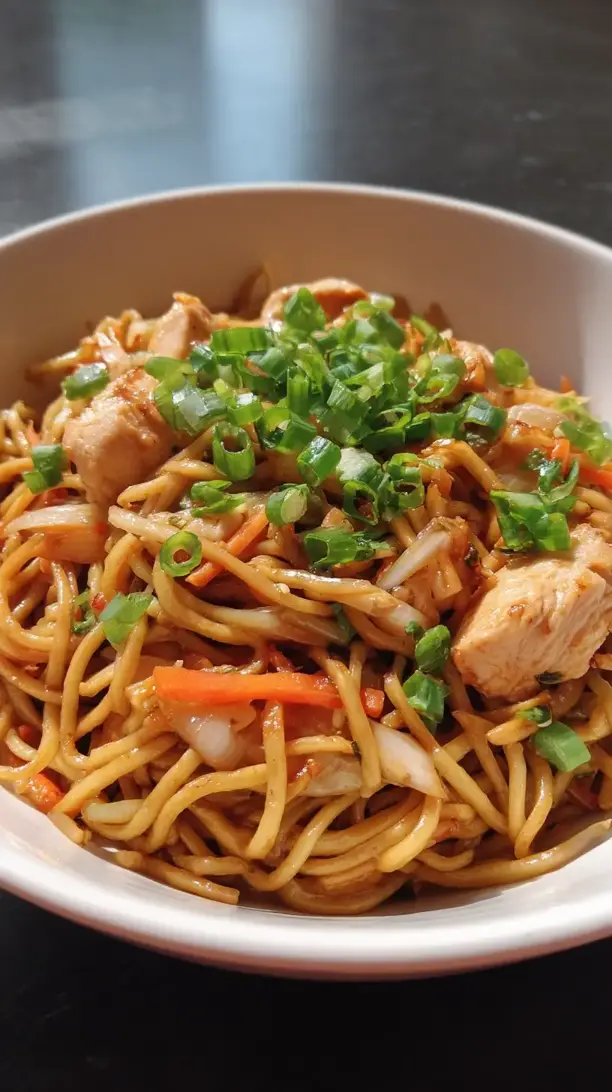
This Quick Chicken Yakisoba delivers authentic Japanese street food flavor in under 30 minutes. It’s a one-pan wonder with tender noodles, savory chicken, and crisp veggies coated in a perfectly balanced sauce. Ideal for busy weeknights, it’s faster than takeout and endlessly adaptable.
Looking for Quick Chicken Yakisoba inspiration? You'll love what we have! Explore more Dinner Ideas recipes or discover our Breakfast & Brunch favorites.



Why You’ll Love This Quick Chicken Yakisoba
- Genuinely fast: From fridge to table in under 30 minutes.
- Authentic flavor: Homemade sauce delivers classic umami-rich taste.
- One-pan meal: Protein, carbs, and veggies with minimal cleanup.
- Wonderfully adaptable: Easy to swap veggies or adjust spice.
Ingredients & Tools
- 2 boneless, skinless chicken breasts, cut into thin bite-sized strips
- 2 packages (approx. 200 g each) of fresh yakisoba or ramen noodles
- 1 large carrot, julienned or cut into matchsticks
- 1/2 a small green cabbage, thinly sliced
- 1 medium onion, thinly sliced
- 2 cloves garlic, minced
- 2 tablespoons neutral oil (like vegetable or canola), divided
- 2 tablespoons soy sauce
- 1 1/2 tablespoons Worcestershire sauce
- 1 tablespoon oyster sauce
- 1 tablespoon ketchup
- 1 teaspoon granulated sugar
- 1 teaspoon toasted sesame oil
- To garnish: benishoga (red pickled ginger), aonori (green seaweed flakes), and sesame seeds
Tools: A large wok or a very large, high-sided skillet, and a pair of tongs.
Notes: Don’t be intimidated by the sauce ingredients—they’re the heart of the dish. The Worcestershire and oyster sauce create a deep, savory base, while the ketchup and sugar add just a touch of sweetness and tang that is absolutely classic. Using fresh noodles instead of dried is key here for that authentic, springy texture.
Nutrition (per serving)
| Calories: | 520 kcal |
| Protein: | 32 g |
| Fat: | 14 g |
| Carbs: | 65 g |
| Fiber: | 6 g |
Serves: 4 | Prep Time: 15 minutes | Cook Time: 12 minutes | Total Time: 27 minutes
Before You Start: Tips & Ingredient Notes
- Get your mise en place ready. Stir-fries move fast, so have all your ingredients chopped, your sauce mixed, and your noodles separated before you even turn on the heat. It makes the process seamless and stress-free.
- Don’t skip toasting the sesame oil. Add it at the very end, off the heat. Its nutty aroma is fragile and will vanish if cooked for too long, but it adds an incredible layer of fragrance that makes the dish.
- What if I can’t find fresh yakisoba noodles? Fresh ramen noodles are a perfect substitute. In a pinch, you can use instant ramen bricks (discard the seasoning packets), but be very careful not to overcook them as they can get mushy.
- Cut your vegetables uniformly. Slicing the cabbage and carrots thinly and evenly ensures they all cook at the same rate, giving you a perfect mix of tender-crisp textures in every bite.
How to Make Quick Chicken Yakisoba
Step 1: First, let’s get our components in order. In a small bowl or a liquid measuring cup, whisk together the soy sauce, Worcestershire sauce, oyster sauce, ketchup, and sugar until the sugar is fully dissolved. This is your powerhouse sauce—set it aside within easy reach. Next, take your fresh yakisoba noodles. They often come stuck together in blocks, so gently loosen them with your fingers, separating the strands. This will help them cook evenly and coat beautifully in the sauce later.
Step 2: Now, heat your wok or large skillet over high heat. Once it’s seriously hot, add one tablespoon of the neutral oil and swirl it around. Add your chicken strips in a single layer—you should hear a vigorous sizzle. Let them sear undisturbed for about a minute to get a nice color, then stir-fry for 3-4 minutes until they’re just cooked through and no longer pink. Transfer the chicken to a clean plate. The goal here is to cook the chicken quickly over high heat to keep it tender, not steam it.
Step 3: Without wiping out the wok, add the remaining tablespoon of oil. Toss in your onions and carrots. Stir-fry for about 2 minutes until the onions start to turn translucent. You’ll notice the carrots will begin to brighten in color. Now, add the sliced cabbage and minced garlic. Continue to stir-fry for another 3-4 minutes. The cabbage should wilt significantly and become tender, but you want to keep a bit of a crunch for texture. The whole pan will smell amazing and savory at this point.
Step 4: Push all the vegetables to one side of the wok. On the empty side, add your pre-loosened noodles. Pour about a quarter cup of water directly over the noodles. The steam will instantly billow up—this is what will heat and soften the noodles perfectly. Let the noodles steam for about 30 seconds, then use your tongs to start tossing and combining them with the vegetables.
Step 5: Return the cooked chicken and any accumulated juices back to the wok. Now, give your pre-mixed sauce one last stir and pour it all over the noodle-vegetable-chicken mixture. Working quickly, use your tongs to toss and stir everything together, ensuring every single component is gloriously coated in that glossy, dark sauce. Keep tossing for 1-2 minutes until everything is heated through and the sauce has thickened slightly and clung to the noodles.
Step 6: This is the final, crucial touch. Turn off the heat. Drizzle the teaspoon of toasted sesame oil over the entire dish and give it one final, gentle toss. The residual heat will warm the oil just enough to release its incredible nutty fragrance without burning it. Your yakisoba is now ready to be devoured. Serve it immediately while it’s piping hot and the noodles are at their springy best.
Storage & Freshness Guide
- Fridge: Store in an airtight container for up to 3 days.
- Freezer: Not recommended; noodles become mushy upon thawing.
- Reviving: Reheat in a wok or skillet with a splash of water to loosen sauce.
Serving Suggestions
Complementary Dishes
- A simple cucumber sunomono — The crisp, sweet, and vinegary tang of a quick-pickled cucumber salad cuts through the richness of the yakisoba beautifully, refreshing your palate between bites.
- Miso soup with wakame — A warm, savory bowl of miso soup is the classic companion, offering a soothing, umami-rich liquid contrast to the hearty, saucy noodles.
- Gyoza (pan-fried dumplings) — The crispy, juicy texture of pork or vegetable gyoza makes for a fantastic appetizer or side, creating a full, restaurant-style Japanese meal at home.
Drinks
- A cold Japanese lager — The crisp, clean bubbles of a beer like Asahi Super Dry are phenomenal at washing down the savory, umami-packed flavors and cleansing the palate.
- Iced mugicha (barley tea) — This nutty, caffeine-free roasted barley tea is a traditional pairing in Japan; its toasty, slightly bitter notes provide a wonderful balance to the sweet-and-savory sauce.
- A dry Riesling — If you prefer wine, a glass of off-dry Riesling with its bright acidity and subtle stone fruit notes can stand up to the dish’s dynamic flavors without overpowering it.
Something Sweet
- Matcha ice cream — The slightly bitter, earthy flavor of matcha is a perfect, sophisticated finish after the savory intensity of the yakisoba, and its cool creaminess is incredibly satisfying.
- Mochi ice cream — These chewy, sweet rice dough pockets filled with ice cream are fun, textural, and light, offering a little bite-sized sweet treat that doesn’t feel too heavy.
- A simple fruit plate with melon and berries — Sometimes, the best dessert is fresh, juicy fruit. The natural sweetness and high water content are a refreshing and light way to end the meal.
Top Mistakes to Avoid
- Overcrowding the pan. If you dump all the ingredients in at once, you’ll steam them instead of stir-frying. This leads to soggy vegetables and pale, rubbery chicken. Cook in batches if your pan isn’t large enough.
- Using dried noodles without adjusting. Dried noodles need to be boiled first, which can make them too soft for stir-frying. If you must use them, slightly undercook them and rinse with cold water to stop the cooking process.
- Overcooking the sauce. Once you add the sauce, you only need to toss everything for a minute or two until it’s heated through and clinging to the noodles. Cooking it too long can make the sauce reduce too much and become overly salty.
- Skipping the garnishes. The benishoga (red ginger) and aonori aren’t just for looks. They add essential pops of sharp, pickled flavor and a briny, oceanic aroma that elevates the entire dish from good to great.
Expert Tips
- Tip: For an extra layer of flavor, marinate your chicken strips in a tablespoon of the sauce for 10-15 minutes before cooking. It adds a deeper savoriness right into the meat.
- Tip: If you like a bit of char on your noodles—a hallmark of great yakisoba—after you’ve tossed everything with the sauce, press the noodles down against the hot surface of the wok and let them sit for 30-60 seconds without stirring. You’ll get deliciously crispy, caramelized bits.
- Tip: To make this vegetarian, simply swap the chicken for firm tofu (cubed and pan-fried until golden) and use a vegetarian oyster sauce or more soy sauce. The recipe structure works perfectly.
- Tip: Have a bottle of Japanese mayonnaise (like Kewpie) on hand? A zigzag drizzle over the top of your plated yakisoba adds a wonderful creaminess and tang that is absolutely divine.
FAQs
Can I make this Quick Chicken Yakisoba ahead of time?
You can prep the components ahead—chop the veggies, mix the sauce, and slice the chicken, storing them separately in the fridge for up to a day. But I highly recommend cooking it fresh. The noodles are best when just cooked, as they can soften and become a bit gummy upon reheating. If you do have leftovers, reheat them in a wok or skillet with a tiny splash of water to loosen the sauce, rather than in the microwave.
My sauce turned out too salty. What can I do?
It happens! The saltiness can vary between brands of soy and oyster sauce. To balance it out for next time, you can reduce the soy sauce slightly and add a touch more ketchup or a pinch of sugar. If it’s already too late for the current batch, try stirring in a squeeze of fresh lemon juice or a teaspoon of rice vinegar at the end—the acidity can help cut through the saltiness remarkably well.
What other vegetables can I add?
Absolutely, get creative! Sliced bell peppers (any color), mushrooms, bean sprouts, or snow peas are all fantastic additions. Just remember to add harder veggies like peppers with the carrots and onions, and more delicate ones like bean sprouts in the last minute of cooking so they stay crisp.
Is there a substitute for Worcestershire sauce?
If you’re in a bind, you can use an equal amount of tonkatsu sauce or even a mixture of half soy sauce and half balsamic vinegar for a similar sweet-and-sour tang. It won’t be exactly the same, but it will get you in the right flavor ballpark.
Why are my noodles sticking together?
This usually happens if the noodles weren’t loosened enough before adding, or if there wasn’t enough sauce or liquid to coat them. When you add the water to steam them, make sure to toss them vigorously to separate the strands. If they’re still sticky, a tiny extra splash of water or sauce while tossing should help loosen them up.



Quick Chicken Yakisoba
Make authentic Quick Chicken Yakisoba in under 30 minutes! This easy one-pan recipe features tender noodles, chicken, and veggies. Skip takeout and cook it tonight!
Ingredients
For the main ingredients:
-
2 boneless, skinless chicken breasts (cut into thin bite-sized strips)
-
2 packages fresh yakisoba or ramen noodles (approx. 200 g each)
-
1 large carrot (julienned or cut into matchsticks)
-
1/2 small green cabbage (thinly sliced)
-
1 medium onion (thinly sliced)
-
2 cloves garlic (minced)
-
2 tablespoons neutral oil (like vegetable or canola, divided)
-
2 tablespoons soy sauce
-
1 1/2 tablespoons Worcestershire sauce
-
1 tablespoon oyster sauce
-
1 tablespoon ketchup
-
1 teaspoon granulated sugar
-
1 teaspoon toasted sesame oil
For the garnish:
-
benishoga (red pickled ginger)
-
aonori (green seaweed flakes)
-
sesame seeds
Instructions
-
First, let's get our components in order. In a small bowl or a liquid measuring cup, whisk together the soy sauce, Worcestershire sauce, oyster sauce, ketchup, and sugar until the sugar is fully dissolved. This is your powerhouse sauce—set it aside within easy reach. Next, take your fresh yakisoba noodles. They often come stuck together in blocks, so gently loosen them with your fingers, separating the strands. This will help them cook evenly and coat beautifully in the sauce later.01
-
Now, heat your wok or large skillet over high heat. Once it's seriously hot, add one tablespoon of the neutral oil and swirl it around. Add your chicken strips in a single layer—you should hear a vigorous sizzle. Let them sear undisturbed for about a minute to get a nice color, then stir-fry for 3-4 minutes until they're just cooked through and no longer pink. Transfer the chicken to a clean plate. The goal here is to cook the chicken quickly over high heat to keep it tender, not steam it.02
-
Without wiping out the wok, add the remaining tablespoon of oil. Toss in your onions and carrots. Stir-fry for about 2 minutes until the onions start to turn translucent. You’ll notice the carrots will begin to brighten in color. Now, add the sliced cabbage and minced garlic. Continue to stir-fry for another 3-4 minutes. The cabbage should wilt significantly and become tender, but you want to keep a bit of a crunch for texture. The whole pan will smell amazing and savory at this point.03
-
Push all the vegetables to one side of the wok. On the empty side, add your pre-loosened noodles. Pour about a quarter cup of water directly over the noodles. The steam will instantly billow up—this is what will heat and soften the noodles perfectly. Let the noodles steam for about 30 seconds, then use your tongs to start tossing and combining them with the vegetables.04
-
Return the cooked chicken and any accumulated juices back to the wok. Now, give your pre-mixed sauce one last stir and pour it all over the noodle-vegetable-chicken mixture. Working quickly, use your tongs to toss and stir everything together, ensuring every single component is gloriously coated in that glossy, dark sauce. Keep tossing for 1-2 minutes until everything is heated through and the sauce has thickened slightly and clung to the noodles.05
-
This is the final, crucial touch. Turn off the heat. Drizzle the teaspoon of toasted sesame oil over the entire dish and give it one final, gentle toss. The residual heat will warm the oil just enough to release its incredible nutty fragrance without burning it. Your yakisoba is now ready to be devoured. Serve it immediately while it's piping hot and the noodles are at their springy best.06
Not what you're looking for?