This Quick Pad Thai delivers the perfect balance of sweet, sour, salty, and umami in under 30 minutes. It’s faster than takeout and uses a simple, flavorful sauce with accessible ingredients. You’ll love how easy it is to make this vibrant, satisfying meal at home.
Craving a delicious Quick Pad Thai? You've come to the right spot! From Dinner Ideas favorites to amazing Dessert Recipes recipes, there's something here for everyone.


Why You’ll Love This Quick Pad Thai
- Genuinely fast: Ready with just 20 minutes of active time.
- Flavor powerhouse: Features a tangy, savory, and sweet authentic sauce.
- Incredibly adaptable: Easily swap proteins like shrimp, chicken, or tofu.
- Spot-on texture: Combines soft noodles, firm protein, and fresh crunch.
Ingredients & Tools
- 200 g flat rice noodles
- 2 tbsp vegetable oil
- 2 cloves garlic, minced
- 150 g medium shrimp, peeled and deveined (or chicken/tofu)
- 2 eggs, lightly beaten
- 1 cup bean sprouts
- 3 spring onions, sliced
- 1/4 cup roasted peanuts, crushed
- 1 lime, cut into wedges
For the Sauce:
- 3 tbsp tamarind paste
- 3 tbsp fish sauce
- 2 tbsp palm sugar (or light brown sugar)
- 1 tbsp rice vinegar
- 1-2 tsp chili flakes (optional, for heat)
Tools: A large wok or non-stick skillet, a medium bowl for the sauce, and tongs are your best friends here.
Notes: Don’t skip the tamarind paste—it’s key for the signature sour tang. Palm sugar adds a deeper, caramel-like sweetness.
Nutrition (per serving)
| Calories: | 480 kcal |
| Protein: | 22 g |
| Fat: | 16 g |
| Carbs: | 65 g |
| Fiber: | 3 g |
Serves: 2 | Prep Time: 15 mins | Cook Time: 10 mins | Total Time: 25 mins
Before You Start: Tips & Ingredient Notes
- Soak, don’t boil the noodles. The key to perfect Pad Thai noodles is soaking them in hot tap water until they are pliable but still firm. If you boil them, they’ll turn to mush in the wok.
- Have everything prepped and within arm’s reach. Stir-frying is a fast process. Once you start cooking, there’s no time to chop garlic or measure sauce. This “mise en place” is your ticket to a stress-free, successful dish.
- Taste your sauce before adding it. Give the sauce a quick taste and adjust it to your preference. Want it more sour? A bit more tamarind. Saltier? Another dash of fish sauce. You are the boss of your Pad Thai.
- Don’t skimp on the garnishes. The lime wedges, extra bean sprouts, and crushed peanuts aren’t just for looks. They add crucial fresh, bright, and crunchy elements that complete the dish.
How to Make Quick Pad Thai
Step 1: First, place your rice noodles in a large bowl and cover them with hot (not boiling) tap water. Let them soak for about 8-10 minutes, or until they are flexible but still have a bit of a bite. You’ll notice they’ll turn from opaque white to a more translucent color. While they’re soaking, you can whisk together all the sauce ingredients in a separate bowl until the palm sugar is fully dissolved.
Step 2: Now, heat your wok or large skillet over high heat. Add one tablespoon of oil and swirl it around. Once it’s shimmering, add the garlic and stir-fry for just 20-30 seconds until it becomes fragrant—be careful not to let it burn! Then, add your shrimp (or protein of choice) and cook until they turn pink and opaque, which should take about 2-3 minutes. Remove the shrimp from the wok and set them aside on a plate.
Step 3: Using the same wok, add the remaining tablespoon of oil. Pour in the lightly beaten eggs and let them set for a few seconds before scrambling them gently with your spatula. You’re aiming for soft, fluffy curds. Once the eggs are just cooked, it’s time to bring everything together.
Step 4: Drain your soaked noodles well and add them directly to the wok with the scrambled eggs. Toss everything together for a minute to let the noodles heat through. Now, pour that beautiful sauce you made earlier all over the noodles. Keep tossing and stir-frying—you’ll notice the noodles will start to soak up the sauce and become wonderfully glossy.
Step 5: Add the cooked shrimp back into the wok, along with about half of your bean sprouts and most of the spring onions. Give it all a final, vigorous toss for another minute until everything is piping hot and well-coated in the sauce. The bean sprouts should soften just slightly but still retain some of their fresh crunch.
Step 6: Your Pad Thai is ready! Serve it immediately onto plates, topped with the remaining fresh bean sprouts, a generous sprinkle of crushed peanuts, and a couple of lime wedges on the side for squeezing over just before eating. That final hit of lime juice is honestly a game-changer.
Top Mistakes to Avoid
- Overcooking the noodles during soaking. If your noodles are too soft before they even hit the wok, they’ll disintegrate into a sticky, gummy mess when you stir-fry them. A little firmness is good!
- Crowding the wok. If you add too many ingredients at once, the temperature of your wok will plummet, and you’ll end up steaming your food instead of stir-frying it. We want that high-heat sear for flavor.
- Using the wrong noodle. Stick with flat, dry rice noodles. Using fresh noodles or a different type like vermicelli will completely change the texture and cooking time, and not for the better.
- Skipping the final fresh garnishes. I’ve messed this up before too, thinking the dish was done. But serving it without the lime, extra sprouts, and peanuts means you’re missing the textural and bright acidic elements that make Pad Thai so special.
Expert Tips
- Tip: If you can’t find tamarind paste, a combination of fresh lime juice and a bit of brown sugar can work in a pinch. The flavor won’t be exactly the same—tamarind has a unique depth—but it will still be delicious.
- Tip: For an extra layer of flavor, toast your crushed peanuts in a dry pan for a few minutes before garnishing. It enhances their nutty aroma and adds another dimension of crunch.
- Tip: If your sauce seems too thick when you mix it, you can thin it out with a tablespoon or two of water. This will help it coat the noodles more evenly in the wok.
- Tip: Leftovers? Pad Thai is best eaten fresh, but if you have some, reheat it gently in a skillet with a tiny splash of water to revive the noodles. Microwaving will make them rubbery.
Storage & Freshness Guide
- Fridge: Store in an airtight container for up to 2 days.
- Freezer: Not recommended; noodles become mushy upon thawing.
- Reviving: Reheat in a skillet with a splash of water to steam and loosen noodles.
Serving Suggestions
Complementary Dishes
- A simple cucumber salad — The cool, crisp, and slightly sweet flavor of a quick-pickled cucumber salad provides a refreshing counterpoint to the rich, savory noodles.
- Fresh summer rolls — Serve these on the side for a lighter, cooler starter. Their clean, herbal notes prepare the palate beautifully for the main event.
- Stir-fried morning glory — A classic Thai side dish of greens stir-fried with garlic and chili, adding a wonderful bitter-green element to the meal.
Drinks
- A crisp, cold lager — The carbonation and mild bitterness of a light beer like a lager or pilsner cuts through the richness of the dish perfectly.
- Thai iced tea — For a non-alcoholic option, the sweet, creamy, and spiced flavors of this vibrant orange drink are a classic and delightful pairing.
- A dry Riesling — A wine with a touch of sweetness and high acidity balances the sweet, sour, and salty notes in the Pad Thai beautifully.
Something Sweet
- Mango with sticky rice — You can’t go wrong with this iconic Thai dessert. The sweet, creamy mango and coconut-infused sticky rice are the perfect, comforting end to the meal.
- Coconut ice cream — A scoop of rich, tropical coconut ice cream is a simple yet incredibly satisfying way to finish, cleansing the palate with its cool sweetness.
- Lychees served chilled — The floral, juicy burst of a cold lychee is a light, refreshing, and almost palate-cleansing dessert that doesn’t feel too heavy.
FAQs
Can I make this vegetarian or vegan?
Absolutely! For a vegetarian version, simply substitute the fish sauce with soy sauce or a vegan fish sauce alternative, and use firm tofu instead of shrimp. For vegan, also make sure to skip the egg or use a vegan egg substitute. The core flavors from the tamarind and sugar will still shine through, giving you a fantastic plant-based Pad Thai.
My noodles turned out sticky. What happened?
This usually happens for one of two reasons: the noodles were overcooked during soaking, or the wok wasn’t hot enough when you added the sauce. When the wok is properly searing-hot, the sauce will caramelize slightly on the noodles instead of just making them soggy. Next time, ensure your noodles are just pliable and that your wok is smoking hot before you add them.
How do I store and reheat leftovers?
Store any leftovers in an airtight container in the fridge for up to 2 days. The best way to reheat is in a non-stick skillet or wok over medium heat with a tablespoon of water. The steam from the water will help rehydrate the noodles and loosen them up without making them greasy. Avoid the microwave if you can.
Can I use a different protein?
Of course! This recipe is very flexible. Thinly sliced chicken breast or thigh, firm tofu cubes, or even thinly sliced beef are all excellent choices. Just adjust the cooking time accordingly to ensure your protein is fully cooked through before you proceed with the rest of the steps.
Is palm sugar essential?
While palm sugar provides an authentic, deep caramel-like sweetness, you can use an equal amount of light brown sugar as a substitute. The flavor will be slightly different but still delicious. I’d avoid white granulated sugar as it tends to make the sauce taste one-dimensionally sweet.


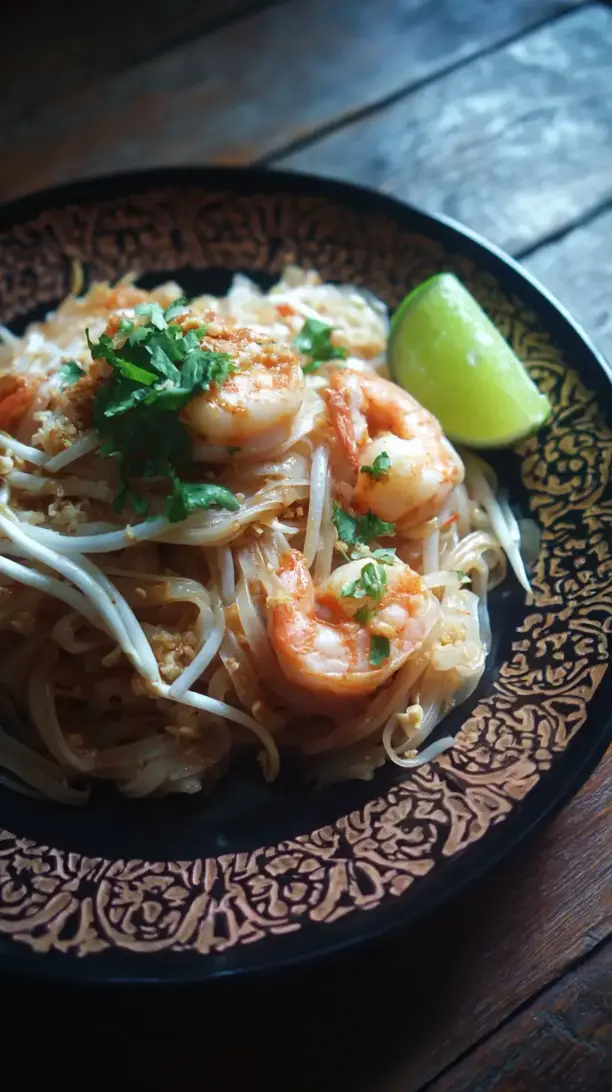
Quick Pad Thai
Make authentic Quick Pad Thai in under 30 minutes! This easy recipe is faster than takeout and packed with flavor. Get the simple, step-by-step guide now!
Ingredients
For the main ingredients:
-
200 g flat rice noodles
-
2 tbsp vegetable oil
-
2 cloves garlic (minced)
-
150 g medium shrimp (peeled and deveined (or chicken/tofu))
-
2 eggs (lightly beaten)
-
1 cup bean sprouts
-
3 spring onions (sliced)
-
1/4 cup roasted peanuts (crushed)
-
1 lime (cut into wedges)
For the Sauce:
-
3 tbsp tamarind paste
-
3 tbsp fish sauce
-
2 tbsp palm sugar (or light brown sugar)
-
1 tbsp rice vinegar
-
1-2 tsp chili flakes (optional, for heat)
Instructions
-
First, place your rice noodles in a large bowl and cover them with hot (not boiling) tap water. Let them soak for about 8-10 minutes, or until they are flexible but still have a bit of a bite. You'll notice they'll turn from opaque white to a more translucent color. While they're soaking, you can whisk together all the sauce ingredients in a separate bowl until the palm sugar is fully dissolved.01
-
Now, heat your wok or large skillet over high heat. Add one tablespoon of oil and swirl it around. Once it's shimmering, add the garlic and stir-fry for just 20-30 seconds until it becomes fragrant—be careful not to let it burn! Then, add your shrimp (or protein of choice) and cook until they turn pink and opaque, which should take about 2-3 minutes. Remove the shrimp from the wok and set them aside on a plate.02
-
Using the same wok, add the remaining tablespoon of oil. Pour in the lightly beaten eggs and let them set for a few seconds before scrambling them gently with your spatula. You're aiming for soft, fluffy curds. Once the eggs are just cooked, it's time to bring everything together.03
-
Drain your soaked noodles well and add them directly to the wok with the scrambled eggs. Toss everything together for a minute to let the noodles heat through. Now, pour that beautiful sauce you made earlier all over the noodles. Keep tossing and stir-frying—you'll notice the noodles will start to soak up the sauce and become wonderfully glossy.04
-
Add the cooked shrimp back into the wok, along with about half of your bean sprouts and most of the spring onions. Give it all a final, vigorous toss for another minute until everything is piping hot and well-coated in the sauce. The bean sprouts should soften just slightly but still retain some of their fresh crunch.05
-
Your Pad Thai is ready! Serve it immediately onto plates, topped with the remaining fresh bean sprouts, a generous sprinkle of crushed peanuts, and a couple of lime wedges on the side for squeezing over just before eating. That final hit of lime juice is honestly a game-changer.06
Not what you're looking for?