
This Red Curry Chicken Thighs recipe delivers a vibrant, aromatic curry that’s both comforting and exciting. The gentle simmering coaxes out the complexity of the curry paste and makes the chicken incredibly tender. It’s a restaurant-quality dish that’s surprisingly simple to pull off at home.
Love Red Curry Chicken Thighs? So do we! If you're into Chicken Thigh Recipes or curious about Appetizer Recipes, you'll find plenty of inspiration below.


Why You’ll Love This Red Curry Chicken Thighs
- Incredibly flavorful: Frying the curry paste unlocks a deep, complex aroma.
- Juicy chicken thighs: They stay moist and tender even with longer simmering.
- Creamy, balanced sauce: The real star—creamy, spicy, and perfectly balanced.
- One-pan wonder: Everything happens in one skillet for easy cleanup.
Ingredients & Tools
- 1.5 lbs boneless, skinless chicken thighs
- 3 tbsp red curry paste
- 1 (13.5 oz) can full-fat coconut milk
- 1 tbsp fish sauce
- 1 tbsp palm sugar (or light brown sugar)
- 1 red bell pepper, sliced
- 1 small onion, sliced
- 1 cup Thai basil leaves
- 1 tbsp vegetable oil
- 2 kaffir lime leaves (optional, but highly recommended)
- 1-2 red Thai chilies, sliced (optional, for extra heat)
- Juice of 1/2 lime
Tools: A large skillet or wok, a wooden spoon, and a good knife for prepping your veggies.
Notes: Don’t use light coconut milk—full-fat is essential for a creamy, rich sauce. Kaffir lime leaves add a uniquely floral, citrusy aroma.
Nutrition (per serving)
| Calories: | 420 kcal |
| Protein: | 35 g |
| Fat: | 28 g |
| Carbs: | 10 g |
| Fiber: | 2 g |
Serves: 4 | Prep Time: 15 minutes | Cook Time: 25 minutes | Total Time: 40 minutes
Before You Start: Tips & Ingredient Notes
- Choosing your curry paste. The brand of red curry paste you use makes a huge difference. Look for a Thai brand like Maesri or Mae Ploy for the most authentic flavor. They’re packed with flavor and usually have a better texture than many supermarket brands.
- Don’t skip the palm sugar. It has a deep, caramel-like flavor that’s less sharp than white sugar and balances the saltiness of the fish sauce perfectly. If you can’t find it, light brown sugar is a decent substitute.
- Why chicken thighs? I really can’t stress this enough—chicken thighs are more forgiving and flavorful than breasts. They have a higher fat content, which means they stay juicy and tender during the simmering process, absorbing all the wonderful curry flavors.
- The importance of not shaking the coconut milk. For the first step, you’ll use the thick coconut cream that separates and rises to the top of the can. So, don’t shake the can before opening! Scoop out that creamy part to fry your curry paste.
How to Make Red Curry Chicken Thighs
Step 1: Start by prepping all your ingredients. Cut the chicken thighs into bite-sized pieces, about 1.5 to 2 inches. Slice the bell pepper and onion into thin strips. This is called your *mise en place*, and it makes the cooking process so much smoother because everything is ready to go.
Step 2: Now, open your can of coconut milk without shaking it. Carefully scoop out about 3-4 tablespoons of the thick, solid cream that’s settled at the top and add it to your large skillet or wok over medium heat. Let it melt and start to sizzle. You’ll see the oil begin to separate from the cream—this is exactly what you want.
Step 3: Add the red curry paste to the sizzling coconut cream. Now, this is the most crucial step: fry the paste for 2-3 minutes, stirring constantly. You’ll notice the color darken slightly and the most incredible, fragrant aroma will fill your kitchen. This step cooks out the raw taste and toasts the spices in the paste, building a deep flavor foundation for your curry.
Step 4: Increase the heat to medium-high and add the chicken pieces to the skillet. Stir to coat them in the fragrant curry paste and let them cook for about 4-5 minutes, until they’re no longer pink on the outside. They don’t need to be cooked through just yet—they’ll finish in the sauce.
Step 5: Pour in the remaining coconut milk from the can, along with the fish sauce and palm sugar. If you’re using kaffir lime leaves, tear them in half to release their oils and add them now. Give everything a good stir, scraping up any browned bits from the bottom of the pan. Bring the curry to a gentle simmer.
Step 6: Once simmering, reduce the heat to low, cover the skillet, and let it cook for about 10 minutes. This gentle simmering is what makes the chicken incredibly tender and allows all the flavors to meld together beautifully.
Step 7: Uncover the skillet and add the sliced bell pepper and onion. Let the curry simmer for another 5-7 minutes, uncovered, until the vegetables are tender-crisp. You want them to retain a little bite for texture.
Step 8: Finally, turn off the heat. Stir in the fresh Thai basil leaves and the juice from half a lime. The basil will wilt slightly from the residual heat, and the lime juice will brighten up the entire dish, cutting through the richness perfectly. Give it a final taste and adjust the seasoning if needed—maybe a pinch more sugar or a dash more fish sauce.
Storage & Freshness Guide
- Fridge: Cool completely, store in airtight container up to 3 days.
- Freezer: Freeze without vegetables up to 3 months; texture may change slightly.
- Reviving: Reheat gently in saucepan, adding a splash of water or coconut milk if needed.
Serving Suggestions
Complementary Dishes
- Jasmine Rice — The classic, fluffy companion that soaks up the delicious curry sauce like a dream. Its subtle floral scent is the perfect backdrop.
- Quick-Pickled Cucumbers — A simple salad of thinly sliced cucumbers in a mix of rice vinegar, sugar, and salt provides a crisp, refreshing contrast to the rich curry.
- Stir-Fried Morning Glory — A classic Thai side dish of water spinach stir-fried with garlic and fermented bean paste adds a savory, garlicky element to the meal.
Drinks
- Thai Iced Tea — The sweet, creamy, and strongly brewed tea is a fantastic partner, its richness cooling the subtle heat from the curry.
- A Crisp Lager — A light, cold beer helps cleanse the palate between bites and complements the spices without overpowering them.
- Citrusy White Wine — A Riesling or Sauvignon Blanc with bright acidity and a touch of sweetness balances the spice and richness beautifully.
Something Sweet
- Mango with Sticky Rice — The ultimate Thai dessert. Sweet, ripe mango paired with warm, coconutty sticky rice is a heavenly way to end the meal.
- Coconut Ice Cream — A simple scoop of rich coconut ice cream provides a cool, creamy finish that echoes the flavors of the curry.
- Lychees Chilled — A bowl of cold, canned lychees is refreshing, light, and subtly sweet—a perfect, simple palate cleanser.
Top Mistakes to Avoid
- Mistake: Not frying



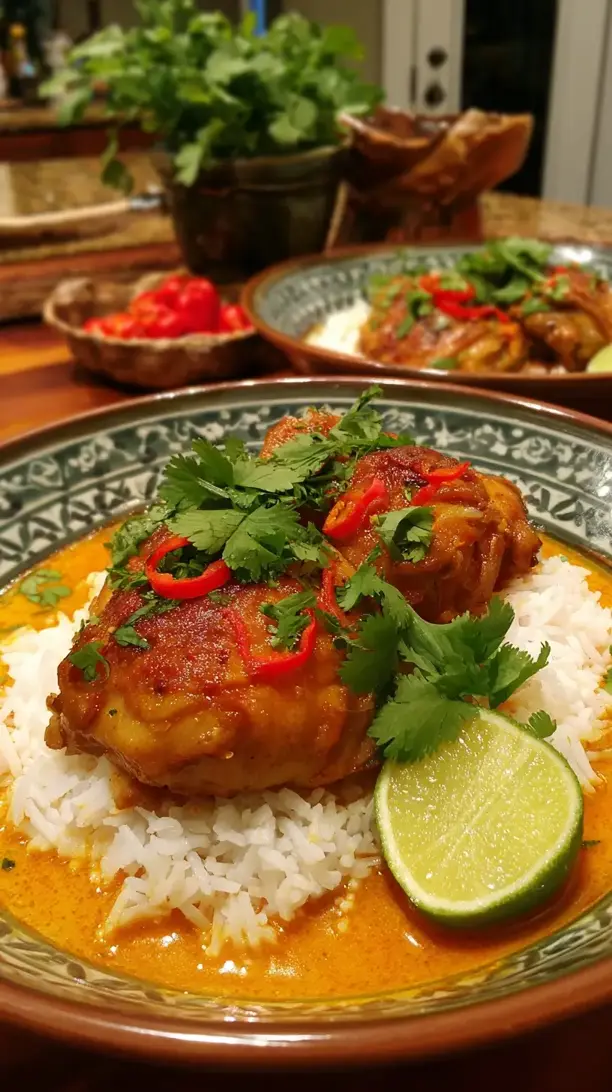
Red Curry Chicken Thighs
Make restaurant-style Red Curry Chicken Thighs at home in 40 minutes! This easy one-pan recipe features juicy chicken in a creamy, aromatic sauce. Get the recipe now!
Ingredients
For the Ingredients
-
1.5 lbs boneless, skinless chicken thighs
-
3 tbsp red curry paste
-
1 can full-fat coconut milk (13.5 oz)
-
1 tbsp fish sauce
-
1 tbsp palm sugar (or light brown sugar)
-
1 red bell pepper (sliced)
-
1 small onion (sliced)
-
1 cup Thai basil leaves
-
1 tbsp vegetable oil
-
2 kaffir lime leaves (optional, but highly recommended)
-
1-2 red Thai chilies (sliced, optional, for extra heat)
-
1/2 lime (juice of)
Instructions
-
Start by prepping all your ingredients. Cut the chicken thighs into bite-sized pieces, about 1.5 to 2 inches. Slice the bell pepper and onion into thin strips. This is called your *mise en place*, and it makes the cooking process so much smoother because everything is ready to go.01
-
Now, open your can of coconut milk without shaking it. Carefully scoop out about 3-4 tablespoons of the thick, solid cream that’s settled at the top and add it to your large skillet or wok over medium heat. Let it melt and start to sizzle. You’ll see the oil begin to separate from the cream—this is exactly what you want.02
-
Add the red curry paste to the sizzling coconut cream. Now, this is the most crucial step: fry the paste for 2-3 minutes, stirring constantly. You’ll notice the color darken slightly and the most incredible, fragrant aroma will fill your kitchen. This step cooks out the raw taste and toasts the spices in the paste, building a deep flavor foundation for your curry.03
-
Increase the heat to medium-high and add the chicken pieces to the skillet. Stir to coat them in the fragrant curry paste and let them cook for about 4-5 minutes, until they’re no longer pink on the outside. They don’t need to be cooked through just yet—they’ll finish in the sauce.04
-
Pour in the remaining coconut milk from the can, along with the fish sauce and palm sugar. If you’re using kaffir lime leaves, tear them in half to release their oils and add them now. Give everything a good stir, scraping up any browned bits from the bottom of the pan. Bring the curry to a gentle simmer.05
-
Once simmering, reduce the heat to low, cover the skillet, and let it cook for about 10 minutes. This gentle simmering is what makes the chicken incredibly tender and allows all the flavors to meld together beautifully.06
-
Uncover the skillet and add the sliced bell pepper and onion. Let the curry simmer for another 5-7 minutes, uncovered, until the vegetables are tender-crisp. You want them to retain a little bite for texture.07
-
Finally, turn off the heat. Stir in the fresh Thai basil leaves and the juice from half a lime. The basil will wilt slightly from the residual heat, and the lime juice will brighten up the entire dish, cutting through the richness perfectly. Give it a final taste and adjust the seasoning if needed—maybe a pinch more sugar or a dash more fish sauce.08
Not what you're looking for?


