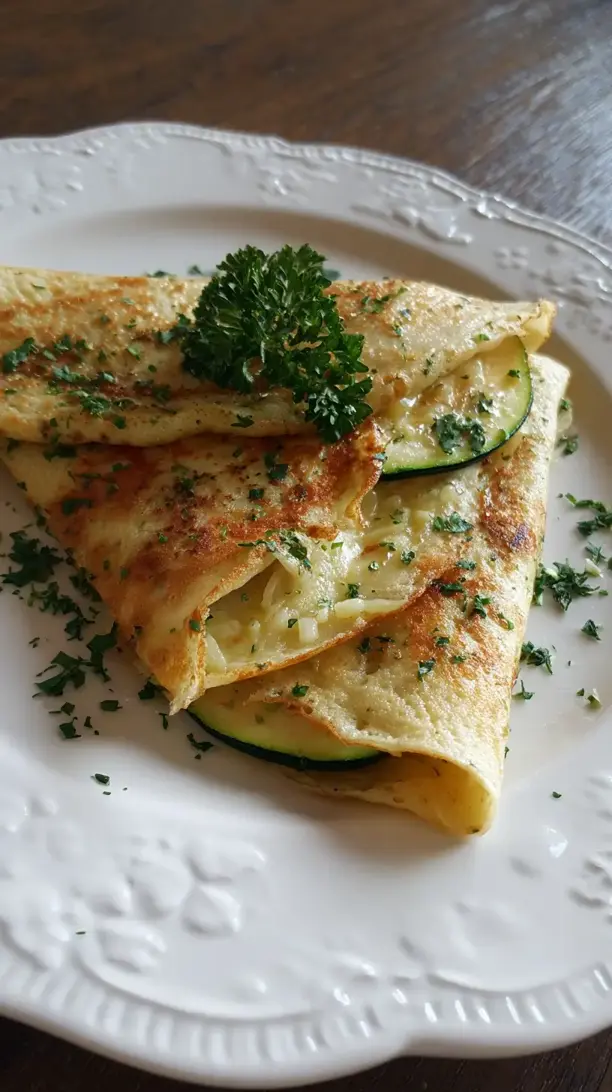
These elegant Salmon and Asparagus Crepes feel fancy enough for a special brunch yet are surprisingly approachable to make at home. The combination of tender salmon, crisp asparagus, and creamy dill sauce wrapped in a delicate crepe is a match made in heaven. This recipe guides you through creating a stunning meal that looks and tastes like it came from a charming French bistro.
Love Salmon and Asparagus Crepes? So do we! If you're into Savory Crepes or curious about Chicken Recipes, you'll find plenty of inspiration below.



Why You’ll Love This Salmon and Asparagus Crepes
- Elegant yet approachable: Straightforward steps with impressive “wow” factor.
- Perfect harmony: Delicate crepe, flaky salmon, crisp asparagus, and creamy sauce.
- Incredibly versatile: Works beautifully for brunch, lunch, or a sophisticated dinner.
- Make-ahead friendly: Prepare components in advance for stress-free entertaining.
Ingredients & Tools
For the Crepes:
- 125 g all-purpose flour
- 2 large eggs
- 250 ml whole milk
- 60 ml water
- 2 tbsp melted unsalted butter, plus more for cooking
- 1/4 tsp salt
For the Filling:
- 300 g skinless salmon fillet
- 1 bunch asparagus (about 250g), woody ends trimmed
- 1 small shallot, finely chopped
- 1 tbsp fresh dill, chopped
- 1 tbsp olive oil
- Salt and black pepper to taste
For the Dill Sauce:
- 150 g crème fraîche (or sour cream)
- 1 tbsp fresh lemon juice
- 1 tbsp fresh dill, finely chopped
- 1 tsp lemon zest
- Salt and white pepper to taste
For Garnish:
- Extra fresh dill and lemon wedges
Tools: A good 8 or 9-inch non-stick skillet or crepe pan, a blender or whisk, two mixing bowls, a baking sheet
Notes: Don’t be intimidated by the list—it’s mostly pantry staples. The real stars are the fresh salmon and asparagus, so try to get the best quality you can. Using fresh dill instead of dried makes a world of difference in the sauce.
Nutrition (per serving)
| Calories: | 420 kcal |
| Protein: | 22 g |
| Fat: | 24 g |
| Carbs: | 28 g |
| Fiber: | 3 g |
Serves: 4 | Prep Time: 25 minutes | Cook Time: 35 minutes | Total Time: 60 minutes
Before You Start: Tips & Ingredient Notes
- Get your mise en place ready. Crepe-making moves quickly once you start, so having all your ingredients measured and your fillings prepped will make the process smooth and enjoyable, not frantic.
- Why whole milk in the crepe batter? The higher fat content in whole milk leads to a more tender, richer, and more pliable crepe. It’s worth it for the superior texture and flavor—it helps the crepes brown beautifully without becoming tough.
- Don’t skip resting the batter. Letting the crepe batter rest for at least 30 minutes (or even overnight) allows the flour to fully hydrate and the gluten to relax. This is the secret to incredibly tender, non-rubbery crepes that are easy to roll.
- How to prepare your asparagus. The trick to perfect asparagus is to find the natural breaking point. Hold one spear at each end and bend; it will snap at the spot where the tough, woody part ends and the tender part begins. Use that as a guide to trim the whole bunch.
- What’s the best salmon to use? You can use either a center-cut fillet or tail piece. I prefer skinless for ease, but if you buy it with the skin on, just place it skin-side down in the pan—the skin will help it cook evenly and you can easily flake it away after.
How to Make Salmon and Asparagus Crepes
Step 1: Make the Crepe Batter. In a blender, combine the flour, eggs, milk, water, melted butter, and salt. Blend on high for about 30 seconds until the batter is completely smooth and the consistency of thin cream. If you don’t have a blender, you can whisk vigorously by hand in a large bowl, ensuring no lumps remain. Pour the batter into a jug, cover, and let it rest at room temperature for at least 30 minutes. This resting period is non-negotiable for the best texture.
Step 2: Cook the Salmon and Asparagus. While the batter rests, preheat your oven to 200°C (400°F). Place the salmon fillet and asparagus spears on a lined baking sheet. Drizzle with the olive oil and season generously with salt and black pepper. Roast for 12-15 minutes, until the salmon is cooked through and flakes easily with a fork and the asparagus is bright green and tender-crisp. Set aside to cool slightly, then flake the salmon into large chunks using two forks.
Step 3: Prepare the Dill Sauce. In a small bowl, combine the crème fraîche, lemon juice, chopped dill, and lemon zest. Stir until everything is beautifully incorporated. Season to taste with salt and a pinch of white pepper (which is milder and won’t show black specks in your lovely white sauce). Give it a taste—it should be tangy, creamy, and bursting with fresh herb flavor. Set this aside.
Step 4: Cook the Crepes. Heat your non-stick skillet over medium heat. Add a tiny knob of butter and swirl to coat the pan. Pour about 1/4 cup of batter into the center of the hot pan, then immediately lift and tilt the pan in a circular motion to spread the batter into a thin, even layer. Cook for about 1-2 minutes, until the edges look set and lacy and the bottom is lightly golden. You’ll notice little bubbles forming on the surface. Then, slide a thin spatula underneath and flip. Cook for another 30-60 seconds on the second side until spotted with gold. Stack the cooked crepes on a plate as you go.
Step 5: Assemble the Crepes. Lay a crepe flat on a clean work surface. Spoon a generous line of the flaked salmon and a few asparagus spears down the center. Drizzle a tablespoon or two of the dill sauce over the filling. Now, carefully fold the two sides of the crepe over the filling, creating a neat parcel. You can also roll it like a cigar if you prefer—both ways look gorgeous.
Step 6: Serve and Enjoy. Place two crepes on each serving plate. Drizzle a little more of the delicious dill sauce over the top, garnish with a sprig of fresh dill and serve immediately with a lemon wedge on the side for squeezing over. The contrast of the warm, savory filling with the cool, creamy sauce is absolutely divine.
Storage & Freshness Guide
- Fridge: Store assembled crepes in an airtight container for up to 2 days.
- Freezer: Freeze unfilled crepes with parchment between layers for up to 3 months.
- Reviving: Warm gently in a dry skillet or wrapped in foil in a 160°C (325°F) oven.
Serving Suggestions
Complementary Dishes
- A simple arugula salad with a lemon vinaigrette — The peppery arugula and sharp lemon dressing cut through the richness of the crepes perfectly, providing a refreshing, palate-cleansing contrast.
- Buttery, steamed baby potatoes with chives — These are a classic, comforting side that soaks up any extra sauce and makes the meal feel more substantial and complete.
- Roasted cherry tomatoes on the vine — Their burst-in-your-mouth sweetness and slight acidity are a fantastic flavor booster, adding a beautiful pop of color to the plate.
Drinks
- A crisp, dry white wine like Sauvignon Blanc or Pinot Grigio — The high acidity and citrus notes in these wines mirror the lemon in the dish and cleanse the palate between each rich, delicious bite.
- A classic French Kir Royale — For a truly celebratory brunch, a mix of crème de cassis and Champagne adds a touch of sweetness and effervescence that feels incredibly luxurious.
- Sparkling water with cucumber and mint — A non-alcoholic option that is incredibly refreshing and light, helping to balance the meal without competing with the delicate flavors.
Something Sweet
- Fresh fruit salad with a mint syrup — After a savory main, a light, bright, and not-too-sweet fruit salad is the perfect way to end the meal on a refreshing note.
- Lemon sorbet served in frozen lemon halves — This is a stunning and palate-cleansing dessert that continues the citrus theme from the main course in the most delightful way.
- Mini almond financiers — These little French tea cakes are buttery, nutty, and not overly sweet, making them a sophisticated and light finale that pairs wonderfully with coffee.
Top Mistakes to Avoid
- Mistake: Using a batter that’s too thick. A thick batter will give you pancake-like crepes that are heavy and difficult to roll. Your batter should be the consistency of light cream—it should coat the back of a spoon but drip off easily. If it’s too thick, whisk in a tablespoon of water at a time until it’s right.
- Mistake: Overcooking the salmon. Dry, chalky salmon is a real tragedy. Remember, it will continue to cook a little after you take it out of the oven. You want it just opaque and flaky. I’ve messed this up before too, and it really affects the texture of the final dish.
- Mistake: Filling the crepes while they’re too hot. If you try to fill and roll a crepe straight from the pan, it can tear easily and the heat will start to wilt your fresh herbs. Let them cool for a minute or two on the plate—they’ll be much more pliable.
- Mistake: Overfilling the crepes. It’s tempting to pack in as much delicious filling as possible, but this will almost certainly lead to a burst crepe. A modest line down the center is all you need for the perfect roll and a balanced bite.
Expert Tips
- Tip: Use a ladle for consistent crepes. Using the same ladle or 1/4-cup measure for every crepe ensures they are all the same size and thickness, which makes for even cooking and a beautiful, uniform presentation.
- Tip: Keep cooked crepes warm. If you’re not serving immediately, place your stack of cooked crepes on a heatproof plate over a pot of simmering water, covered with a lid or another plate. This creates a gentle steam that will keep them soft and warm without drying out.
- Tip: Add a secret ingredient to the batter. For an extra layer of flavor and a gorgeous golden color, add a tablespoon of buckwheat flour to your all-purpose flour. It gives the crepes a lovely, subtle nuttiness that pairs wonderfully with the salmon.
- Tip: Make it a casserole for a crowd. You can assemble all the crepes in a single baking dish, pour any remaining sauce over the top, sprinkle with a little Gruyère cheese, and bake at 180°C (350°F) for 15-20 minutes until bubbly and golden. It’s a fantastic, hands-off way to serve a group.
FAQs
Can I make the crepes gluten-free?
Absolutely! You can substitute the all-purpose flour with a 1:1 gluten-free flour blend. Just make sure the blend contains xanthan gum, which helps bind the batter and mimic the texture of gluten. The resting time for the batter is even more important with GF flour to allow the flours to fully hydrate. The result will be a slightly more delicate crepe, but just as delicious.
How far in advance can I prepare this dish?
You can be a real meal-prep hero with this recipe. The crepes, filling, and sauce can all be made and stored separately in airtight containers in the fridge for up to 2 days. The crepes might stick together, so place a piece of parchment paper between each one. Assemble and warm through just before serving for the best texture and flavor.
Can I use canned salmon instead of fresh?
You can, in a pinch. Opt for boneless, skinless wild-caught salmon packed in water, and be sure to drain it very well and flake it. The texture and flavor will be different—more dense and “salmon salad” like—but it’s a great budget-friendly and pantry-staple shortcut for a quick weeknight version.
My first crepe was a disaster! Is that normal?
Completely and utterly normal! The first crepe is often called the “chef’s treat” or, less glamorously, the “test crepe.” It helps you adjust the heat of the pan and get a feel for the amount of batter. Don’t be discouraged—just eat the evidence and carry on. The next one will be perfect.
What’s the best way to reheat leftover crepes?
To maintain their delicate texture, reheating in the microwave can make them rubbery. Instead, warm them gently in a dry non-stick skillet over low heat for 30-60 seconds per side, or wrap them in foil and warm in a 160°C (325°F) oven for about 10 minutes. They’ll be almost as good as new.




Salmon And Asparagus Crepes
Learn how to make elegant Salmon and Asparagus Crepes with creamy dill sauce. This impressive yet easy recipe is perfect for brunch or dinner. Get the recipe now!
Ingredients
For the Crepes:
-
125 g all-purpose flour
-
2 large eggs
-
250 ml whole milk
-
60 ml water
-
2 tbsp melted unsalted butter (plus more for cooking)
-
1/4 tsp salt
For the Filling:
-
300 g skinless salmon fillet
-
1 bunch asparagus (about 250g, woody ends trimmed)
-
1 small shallot (finely chopped)
-
1 tbsp fresh dill (chopped)
-
1 tbsp olive oil
-
Salt and black pepper (to taste)
For the Dill Sauce:
-
150 g crème fraîche (or sour cream)
-
1 tbsp fresh lemon juice
-
1 tbsp fresh dill (finely chopped)
-
1 tsp lemon zest
-
Salt and white pepper (to taste)
For Garnish:
-
Extra fresh dill and lemon wedges
Instructions
-
In a blender, combine the flour, eggs, milk, water, melted butter, and salt. Blend on high for about 30 seconds until the batter is completely smooth and the consistency of thin cream. If you don't have a blender, you can whisk vigorously by hand in a large bowl, ensuring no lumps remain. Pour the batter into a jug, cover, and let it rest at room temperature for at least 30 minutes. This resting period is non-negotiable for the best texture.01
-
While the batter rests, preheat your oven to 200°C (400°F). Place the salmon fillet and asparagus spears on a lined baking sheet. Drizzle with the olive oil and season generously with salt and black pepper. Roast for 12-15 minutes, until the salmon is cooked through and flakes easily with a fork and the asparagus is bright green and tender-crisp. Set aside to cool slightly, then flake the salmon into large chunks using two forks.02
-
In a small bowl, combine the crème fraîche, lemon juice, chopped dill, and lemon zest. Stir until everything is beautifully incorporated. Season to taste with salt and a pinch of white pepper (which is milder and won't show black specks in your lovely white sauce). Give it a taste—it should be tangy, creamy, and bursting with fresh herb flavor. Set this aside.03
-
Heat your non-stick skillet over medium heat. Add a tiny knob of butter and swirl to coat the pan. Pour about 1/4 cup of batter into the center of the hot pan, then immediately lift and tilt the pan in a circular motion to spread the batter into a thin, even layer. Cook for about 1-2 minutes, until the edges look set and lacy and the bottom is lightly golden. You'll notice little bubbles forming on the surface. Then, slide a thin spatula underneath and flip. Cook for another 30-60 seconds on the second side until spotted with gold. Stack the cooked crepes on a plate as you go.04
-
Lay a crepe flat on a clean work surface. Spoon a generous line of the flaked salmon and a few asparagus spears down the center. Drizzle a tablespoon or two of the dill sauce over the filling. Now, carefully fold the two sides of the crepe over the filling, creating a neat parcel. You can also roll it like a cigar if you prefer—both ways look gorgeous.05
-
Place two crepes on each serving plate. Drizzle a little more of the delicious dill sauce over the top, garnish with a sprig of fresh dill and serve immediately with a lemon wedge on the side for squeezing over. The contrast of the warm, savory filling with the cool, creamy sauce is absolutely divine.06
Not what you're looking for?