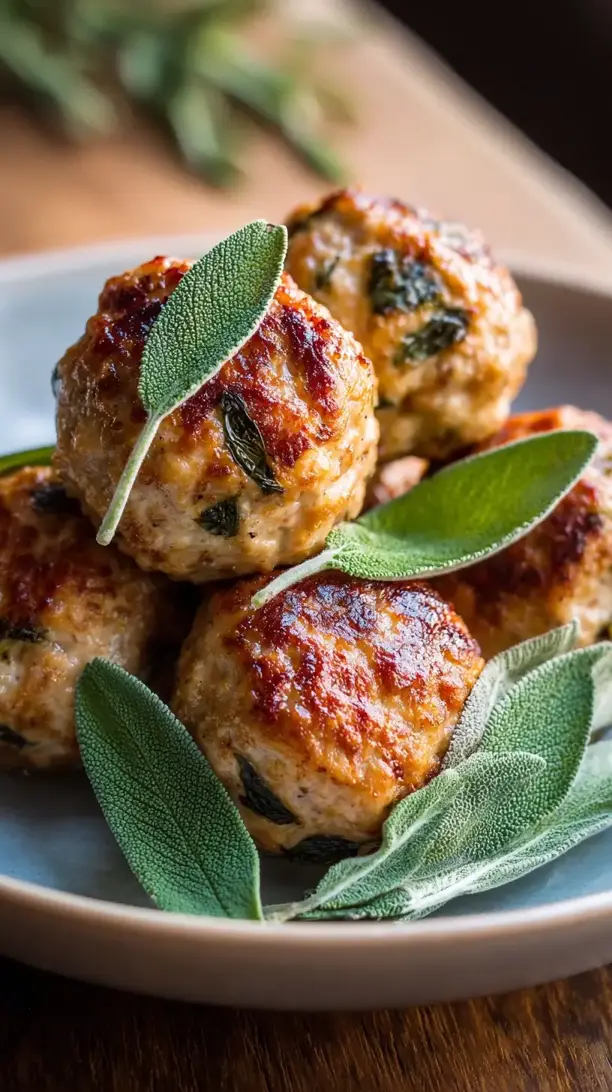
This Salmon and Pistachio Crusted recipe delivers a restaurant-quality meal with minimal effort. The rich, buttery salmon pairs perfectly with a crunchy, savory-sweet pistachio crust for incredible texture. It’s an impressive yet straightforward dish that’s sure to become a regular favorite.
Love Salmon and Pistachio Crusted? So do we! If you're into Savory Combo Recipes or curious about Christmas Cookie, you'll find plenty of inspiration below.


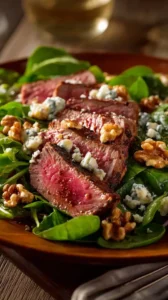
Why You’ll Love This Salmon and Pistachio Crusted
- Showstopper presentation: Vibrant green crust against pink salmon looks stunning.
- Fantastic texture: Moist, flaky fish meets a crunchy, coarse nut topping.
- Incredibly versatile: Easy to adapt with different herbs or a pinch of lemon zest.
- Deceptively simple: Just pulse, press, and bake for a foolproof meal.
Ingredients & Tools
- 4 salmon fillets, skin-on or skinless (about 150-180 g each)
- 100 g shelled pistachios, unsalted
- 25 g fresh parsley, roughly chopped
- 25 g fresh breadcrumbs (Panko works great)
- 2 tbsp Dijon mustard
- 1 large clove garlic, minced
- 2 tbsp olive oil, plus extra for drizzling
- 1 tbsp honey or maple syrup
- ½ tsp smoked paprika
- Salt and freshly ground black pepper, to taste
- 1 lemon, for serving
Tools: A food processor or a good chef’s knife and cutting board, a baking sheet, parchment paper.
Notes: Don’t skip the fresh herbs—they add a bright note. Good Dijon mustard acts as the “glue” for the crust.
Nutrition (per serving)
| Calories: | 485 kcal |
| Protein: | 35 g |
| Fat: | 32 g |
| Carbs: | 12 g |
| Fiber: | 3 g |
Serves: 4 | Prep Time: 15 minutes | Cook Time: 12-15 minutes | Total Time: 30 minutes
Before You Start: Tips & Ingredient Notes
- Salmon selection is key. Try to get fillets that are similar in size and thickness so they cook evenly. If one end is much thinner, it can overcook before the thicker part is done. I prefer skin-on for extra flavor and to help keep the bottom moist.
- Don’t use salted pistachios. This is a big one. Salted nuts will make your final dish way too salty, as you’ll be seasoning the fish and the crust separately. Starting with unsalted gives you total control over the final flavor.
- Get your crust texture right. You want a coarse meal, not a fine powder. Pulse the pistachios in the food processor just until they’re crumbly with a few larger pieces for texture. Over-processing will turn them into pistachio butter, which we don’t want.
- Bring your salmon to room temp. Taking the salmon out of the fridge 15-20 minutes before cooking helps it cook more evenly, preventing a cold, undercooked center and an overcooked exterior.
How to Make Salmon and Pistachio Crusted
Step 1: First, preheat your oven to 200°C (400°F) and line a baking sheet with parchment paper. Pat the salmon fillets completely dry with a paper towel—this is a crucial step for getting a nice sear and helping the crust adhere properly. Season both sides of the fillets generously with salt and pepper. You’ll notice that a dry surface makes all the difference later on.
Step 2: Now, let’s make that gorgeous crust. In your food processor, combine the shelled pistachios, fresh parsley, breadcrumbs, minced garlic, smoked paprika, and a good pinch of salt and pepper. Pulse it several times until the mixture resembles a coarse meal. You should still see little flecks of green and bits of nut—you don’t want a uniform powder. The texture here is what gives the crust its fantastic crunch.
Step 3: In a small bowl, whisk together the Dijon mustard, olive oil, and honey. This mixture is your flavor-packed glue. Brush the top of each salmon fillet generously with this mustard mixture. You want a good, even layer—this is what will hold the pistachio crust in place and create a beautiful, flavorful barrier between the fish and the nuts.
Step 4: Carefully spoon the pistachio mixture over the top of each mustard-coated fillet. Gently press down with your fingers or the back of a spoon to form an even, compact layer that adheres to the fish. Don’t be shy—press firmly to make sure it’s really stuck on there. A well-adhered crust won’t fall off when you serve it.
Step 5: Place the crusted salmon fillets on your prepared baking sheet. Drizzle a tiny bit of olive oil over the crust—this will help it turn a beautiful golden brown in the oven. Bake for 12-15 minutes. The exact time will depend on the thickness of your fillets. You’re looking for the crust to be golden and fragrant, and the salmon should flake easily with a fork at its thickest part.
Step 6: Once out of the oven, let the salmon rest for about 2-3 minutes on the baking sheet. This allows the juices to redistribute, ensuring every bite is moist. Right before serving, squeeze fresh lemon juice over the top. The burst of acidity from the lemon really lifts all the rich, nutty flavors and makes the whole dish sing.
Storage & Freshness Guide
- Fridge: Store leftovers in an airtight container for up to 2 days.
- Freezer: Not recommended; the crust will become soggy upon thawing.
- Reviving: Reheat gently in a 300°F oven until warm to preserve texture.
Serving Suggestions
Complementary Dishes
- Lemon Herb Quinoa — The light, fluffy texture and citrus notes are a perfect, healthy base that soaks up any delicious juices from the salmon.
- Simple Roasted Asparagus — Tossed in olive oil, salt, and pepper, the earthy flavor of asparagus is a classic partner for the rich, nutty salmon.
- Garlic Sautéed Spinach — It wilts down quickly and adds a vibrant green color and a punch of iron that complements the dish without overpowering it.
Drinks
- A Crisp Sauvignon Blanc — Its zesty acidity and notes of citrus and grass cut beautifully through the richness of the fish and the fat from the nuts.
- Sparkling Water with Lemon — For a non-alcoholic option, the bubbles and citrus are incredibly refreshing and help cleanse the palate between bites.
- A Light Pale Ale — The slight bitterness and carbonation can stand up to the robust flavors and provide a nice contrast to the savory crust.
Something Sweet
- Lemon Sorbet — A clean, sharp, and refreshing dessert that continues the citrus theme and feels light after a satisfying main course.
- Almond Tuiles — These delicate, nutty cookies echo the flavors in the pistachio crust and provide a lovely, crisp finish.
- Fresh Berry Pavlova — The sweet meringue, tart berries, and billowy cream are a decadent yet balanced way to end the meal on a high note.
Top Mistakes to Avoid
- Mistake: Using a fine pistachio powder. If you over-process the nuts, you lose the wonderful crunchy texture and risk them releasing too much oil, which can make the crust greasy instead of crisp.
- Mistake: Skipping the drying step for the salmon. A wet salmon fillet will steam instead of sear, and the crust is more likely to slide right off. That quick pat-down is non-negotiable for the best results.
- Mistake: Pressing the crust on too lightly. If you just sprinkle the nut mixture on top, it will fall off when you cut into it or move the fish. A firm press ensures it becomes one with the salmon.
- Mistake: Overcooking the salmon. Salmon continues to cook after it comes out of the oven (carryover cooking). Pull it out when it’s just slightly under your desired doneness in the very center, and let rest. It will be perfect.
Expert Tips
- Tip: Toast your pistachios first. For an even deeper, toastier flavor, spread the shelled pistachios on a baking sheet and toast them in a 180°C (350°F) oven for 5-7 minutes before pulsing. Let them cool completely first. It adds a whole new dimension.
- Tip: Make it ahead for easy entertaining. You can prepare the pistachio crust mixture and the mustard “glue” up to a day in advance. Keep them in separate containers in the fridge. When you’re ready, just assemble and bake.
- Tip: Use the broiler for a final crisp. If your crust isn’t as golden as you’d like after baking, pop the baking sheet under the broiler for the last 30-60 seconds. Watch it like a hawk—it can burn in a flash!
- Tip: Grate your garlic for maximum flavor. Instead of mincing, use a microplane to grate the garlic clove. It almost dissolves into the crust, distributing its flavor more evenly without any sharp, raw bites.
FAQs
Can I use a different type of nut?
Absolutely! While pistachios have a unique flavor and color, this method works wonderfully with other nuts. Almonds or pecans would be fantastic substitutes. Just make sure they are raw and unsalted, and pulse them to the same coarse consistency. Walnuts could work too, but they have a higher oil content, so watch carefully to avoid over-processing.
My crust is falling off. What did I do wrong?
This usually boils down to two things: the salmon wasn’t dry enough, or you didn’t press the crust on firmly. The mustard mixture needs a dry surface to act as a proper adhesive. When applying the crust, really press it down with the palm of your hand or the back of a spoon to compact it and help it stick.
Can I make this gluten-free?
Easily! Just ensure you use gluten-free breadcrumbs for the crust. Many stores carry them, or you can make your own from gluten-free bread. All the other core ingredients—pistachios, mustard, herbs—are naturally gluten-free, so it’s a very simple swap.
How do I know when the salmon is perfectly cooked?
The best method is the “flake test.” Gently press a fork into the thickest part of the fillet and twist slightly. The salmon should flake apart easily, and the interior should be opaque but still moist. An instant-read thermometer inserted into the center should read about 52-54°C (125-130°F) for medium-rare, or 57°C (135°F) for medium. Remember, it will continue to cook as it rests.
Can I pan-sear this instead of baking it?
You can, but it’s a bit trickier. Start by searing the salmon crust-side DOWN in an oven-proof skillet with a little oil for 2-3 minutes to set the crust. Then, very carefully flip it (this is the hard part!) and finish cooking in a 200°C (400°F) oven for another 5-8 minutes. Baking is much simpler for keeping the crust intact.



Salmon And Pistachio Crusted
Impress your guests with this easy Salmon and Pistachio Crusted recipe. A crunchy nut crust elevates tender salmon for a gourmet meal. Get the recipe now!
Ingredients
For the Salmon and Crust
-
4 fillets salmon fillets (skin-on or skinless (about 150-180 g each))
-
100 g shelled pistachios (unsalted)
-
25 g fresh parsley (roughly chopped)
-
25 g fresh breadcrumbs (Panko works great)
-
2 tbsp Dijon mustard
-
1 large clove garlic (minced)
-
2 tbsp olive oil (plus extra for drizzling)
-
1 tbsp honey or maple syrup
-
½ tsp smoked paprika
-
Salt and freshly ground black pepper (to taste)
-
1 lemon (for serving)
Instructions
-
First, preheat your oven to 200°C (400°F) and line a baking sheet with parchment paper. Pat the salmon fillets completely dry with a paper towel—this is a crucial step for getting a nice sear and helping the crust adhere properly. Season both sides of the fillets generously with salt and pepper.01
-
Now, let's make that gorgeous crust. In your food processor, combine the shelled pistachios, fresh parsley, breadcrumbs, minced garlic, smoked paprika, and a good pinch of salt and pepper. Pulse it several times until the mixture resembles a coarse meal. You should still see little flecks of green and bits of nut—you don't want a uniform powder.02
-
In a small bowl, whisk together the Dijon mustard, olive oil, and honey. This mixture is your flavor-packed glue. Brush the top of each salmon fillet generously with this mustard mixture. You want a good, even layer—this is what will hold the pistachio crust in place and create a beautiful, flavorful barrier between the fish and the nuts.03
-
Carefully spoon the pistachio mixture over the top of each mustard-coated fillet. Gently press down with your fingers or the back of a spoon to form an even, compact layer that adheres to the fish. Don't be shy—press firmly to make sure it's really stuck on there.04
-
Place the crusted salmon fillets on your prepared baking sheet. Drizzle a tiny bit of olive oil over the crust—this will help it turn a beautiful golden brown in the oven. Bake for 12-15 minutes. The exact time will depend on the thickness of your fillets. You're looking for the crust to be golden and fragrant, and the salmon should flake easily with a fork at its thickest part.05
-
Once out of the oven, let the salmon rest for about 2-3 minutes on the baking sheet. This allows the juices to redistribute, ensuring every bite is moist. Right before serving, squeeze fresh lemon juice over the top.06
Not what you're looking for?