
I have a confession: the first time I pulled a batch of these Salted Dark Chocolate Cookies from the oven, I felt like I’d unlocked a delicious secret. That rich, fudgy center and the crackle of flaky sea salt created a moment of pure, decadent comfort I just had to share. What’s even better is how simple they are—a one-bowl dough that comes together in minutes, yet tastes like it came from a fancy patisserie. For me, this is the ultimate comfort food recipe, a little luxurious escape you can make any day.
And let me tell you, they are a star when it comes to holiday baking. If you’re searching for standout Christmas sweets or fresh Christmas dessert ideas, look no further. These are truly unique Christmas cookies that will make your cookie tray the talk of the party, a must-have among your holiday treats. So, if your list of Christmas baking ideas needs one surefire winner, these are the perfect, stress-free easy Christmas treats to bake and share with all your favorite people.
Love Salted Dark Chocolate Cookies? So do we! If you're into Christmas Cookie or curious about Appetizer Recipes, you'll find plenty of inspiration below.


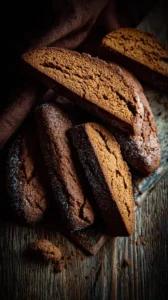
Why You’ll Love This Salted Dark Chocolate Cookies
- Perfect texture: Crisp edges and a chewy, fudgy center.
- Deep flavor: Layers of chocolate enhanced by flaky sea salt.
- Simple to make: One-bowl dough with no fancy equipment.
- Indulgent treat: Feels like a luxury bakery cookie.
Ingredients & Tools
- 115 g unsalted butter, melted and slightly cooled
- 150 g light brown sugar, packed
- 50 g granulated sugar
- 1 large egg, at room temperature
- 2 tsp pure vanilla extract
- 125 g all-purpose flour
- 35 g Dutch-processed cocoa powder
- 1/2 tsp baking soda
- 1/4 tsp fine sea salt (for the dough)
- 170 g high-quality dark chocolate, roughly chopped (around 70% cocoa)
- Flaky sea salt for sprinkling (like Maldon)
Tools: A large mixing bowl, a whisk, a spatula, a baking sheet, and parchment paper.
Notes: Melted butter ensures a chewy texture and crackly top. Use high-quality dark chocolate for the best flavor.
Nutrition (per serving)
| Calories: | 220 kcal |
| Protein: | 3 g |
| Fat: | 11 g |
| Carbs: | 29 g |
| Fiber: | 2 g |
Serves: 12 | Prep Time: 15 minutes | Cook Time: 10-12 minutes | Total Time: 27 minutes (plus chilling)
Before You Start: Tips & Ingredient Notes
- Why melted butter? Using melted, cooled butter helps dissolve the sugars more effectively, creating a dough that spreads just right in the oven. This gives you those crisp edges and a chewy center. If you use softened butter, the texture will be more cakey.
- What’s the deal with the cocoa? I specifically call for Dutch-processed cocoa because it’s treated with an alkali, which gives it a darker color and a smoother, less acidic flavor. It contributes to that deep, rich chocolate taste that defines these cookies.
- Chop your own chocolate. I know it’s tempting to use chocolate chips, but honestly, chopping a bar of high-quality dark chocolate is a game-changer. You get a mix of fine shavings that melt into the dough and larger chunks that create glorious pockets of molten chocolate.
- Don’t skip the chill. I know, I know—waiting is the hardest part. But chilling the dough for at least 30 minutes is non-negotiable. It prevents the cookies from spreading too much and allows the flavors to meld together beautifully.
How to Make Salted Dark Chocolate Cookies
Step 1: Start by melting your butter. You can do this in a saucepan over low heat or in short bursts in the microwave. The goal is to have it fully liquid but not hot. Let it sit for about 5-10 minutes until it’s just warm to the touch. This is important because if it’s too hot, it could start cooking the egg when you mix it in.
Step 2: In a large bowl, combine the melted butter with the brown and granulated sugars. Whisk them together vigorously for a good minute. You’ll notice the mixture will become thicker and smoother—this is you aerating it and dissolving the sugars, which is the first step to a great texture.
Step 3: Add the room-temperature egg and vanilla extract to the butter-sugar mixture. Whisk again until the mixture is fully combined, pale, and has a slightly ribbony consistency. This usually takes another minute or so. Using a room-temperature egg helps it emulsify properly with the butter, creating a smoother, more cohesive dough.
Step 4: Now, it’s time for the dry ingredients. Sift the flour, Dutch-processed cocoa powder, baking soda, and fine sea salt directly into the wet ingredients. Sifting is key here to avoid any lumps of cocoa or flour. Use a spatula to fold everything together gently. You want to mix just until the last traces of flour disappear.
Step 5: Add your roughly chopped dark chocolate to the dough. Fold it in until the chunks are evenly distributed. The dough will be quite soft and sticky at this point—that’s perfectly normal. Try not to overmix, as this can develop the gluten in the flour and lead to tougher cookies.
Step 6: Cover the bowl with plastic wrap and chill the dough in the refrigerator for at least 30 minutes, and up to 48 hours. This resting period is crucial for flavor development and prevents the cookies from spreading into thin puddles in the oven.
Step 7: When you’re ready to bake, preheat your oven to 175°C (350°F) and line a baking sheet with parchment paper. Scoop the dough using a tablespoon or a small ice cream scoop, rolling them into rough balls about the size of a golf ball. Place them on the baking sheet, leaving about 5 cm (2 inches) between each one as they will spread.
Step 8: This is the final flourish! Gently press a couple of extra chocolate chunks on top of each dough ball for a bakery-style look. Then, generously sprinkle each one with flaky sea salt. Don’t be shy—the salt is what makes these cookies extraordinary.
Step 9: Bake for 10-12 minutes. The cookies will look soft and puffy in the center when you take them out—that’s exactly what you want. They will continue to set as they cool on the hot baking sheet. For the perfect texture, let them cool on the baking sheet for at least 10 minutes before transferring them to a wire rack.
Storage & Freshness Guide
- Fridge: Store dough up to 48 hours; baked cookies at room temperature.
- Freezer: Dough balls or baked cookies freeze well for up to 3 months.
- Reviving: Microwave frozen cookies 15–20 seconds for a warm, gooey treat.
Serving Suggestions
Complementary Dishes
- A simple vanilla bean ice cream — The cold, creamy sweetness is a classic partner that melts beautifully over the warm, rich cookie, creating the ultimate dessert experience.
- A sharp, tangy cheeseboard — Serve these cookies alongside a slice of aged cheddar or a creamy blue cheese; the contrast between the salty, funky cheese and the deep chocolate is surprisingly sophisticated.
- Fresh berries like raspberries or strawberries — Their bright, acidic pop cuts through the richness of the chocolate and provides a lovely, fresh counterpoint.
Drinks
- A strong black coffee or espresso — The bitterness of the coffee enhances the deep cocoa notes and helps balance the sweetness, making for a truly adult treat.
- A glass of cold whole milk — It’s a timeless pairing for a reason; the creamy milk is the perfect soothing companion to the intense, fudgy cookie.
- A bold red wine like a Cabernet Sauvignon — The tannins in the wine interact wonderfully with the dark chocolate, elevating both the cookie and the drink.
Something Sweet
- A dollop of lightly sweetened whipped cream — It adds a cloud-like, airy texture that complements the dense, chewy cookie without overpowering it.
- A warm chocolate sauce for dipping — For the ultimate chocolate lover, double down on the decadence by serving these with a side of warm, silky chocolate sauce.
- A scoop of coffee ice cream — The mocha combination is a match made in heaven, with the coffee flavor echoing the bitterness of the dark chocolate.
Top Mistakes to Avoid
- Mistake: Using hot melted butter. If your butter is too hot when you add the egg, it can start to cook it, leading to a grainy, curdled-looking dough that won’t bake up with the right texture. Always let it cool slightly.
- Mistake: Skipping the chilling step. I’ve messed this up before too, in a moment of impatient baking. The result? Thin, greasy cookies that spread all over the pan. The chilled dough is what gives you those thick, chewy centers.
- Mistake: Overbaking the cookies. They will look underdone when you take them out of the oven, and that’s the goal! They continue to cook on the hot baking sheet. Overbaking will give you a dry, crumbly cookie instead of a fudgy one.
- Mistake: Using table salt for the topping. The fine crystals of table salt will dissolve and can make the cookies taste overly salty. Flaky sea salt provides little bursts of flavor and a delightful crunch that is essential to the recipe.
Expert Tips
- Tip: Weigh your ingredients. For truly consistent baking results, especially with flour, using a kitchen scale is a game-changer. Cup measurements can be packed down too much, leading to a dry dough.
- Tip: Make the dough ahead. This cookie dough actually gets better with time. You can chill it for up to 48 hours, which deepens the chocolate flavor. You can also scoop the dough balls and freeze them on a tray before transferring to a bag, then bake straight from frozen, adding a minute or two to the baking time.
- Tip: Under-mix the dry ingredients. Once you add the flour mixture, mix just until you no longer see dry streaks. Overmixing develops gluten, which can make your cookies tough instead of tender.
- Tip: Bang the pan. For an extra-wrinkly, crackly top, you can gently lift the baking sheet and bang it on the oven rack halfway through baking. This deflates the cookies slightly and encourages more of those beautiful surface cracks.
FAQs
Can I use natural cocoa powder instead of Dutch-processed?
You can, but the results will be different. Natural cocoa is more acidic and will react with the baking soda, potentially making the cookies rise more and have a cakier, slightly more bitter chocolate flavor. Dutch-processed cocoa gives a smoother, richer taste and a darker color, which is what this recipe is designed for. If you must substitute, it will still be a cookie, just not *this* cookie.
Why are my cookies cakey and not chewy?
A cakey texture usually points to a few things: you might have used softened butter instead of melted, over-measured your flour (which is why weighing is best), or overmixed the dough after adding the flour. The melted butter and careful mixing are key to achieving that dense, fudgy, chewy texture we’re after.
Can I freeze the baked cookies?
Absolutely! These cookies freeze beautifully. Let them cool completely, then store them in an airtight container or freezer bag with layers of parchment paper in between. They’ll keep for up to 3 months. You can thaw them at room temperature or pop a frozen cookie in the microwave for 15-20 seconds for a warm, gooey treat.
My cookies didn’t spread much. What happened?
If your cookies stayed in a tight ball, the dough was likely too cold from over-chilling, or your oven temperature might be off. Next time, let the dough sit at room temperature for 5-10 minutes before baking if it’s very firm. It’s also a good idea to check your oven’s temperature with an independent thermometer to ensure accuracy.
What’s the best way to store these cookies?
To keep them soft and chewy, store the completely cooled cookies in an airtight container at room temperature. A piece of bread tossed into the container works wonders—it releases moisture that keeps the cookies soft (the bread will get hard instead). They’re best enjoyed within 3-4 days, but let’s be honest, they probably won’t last that long.



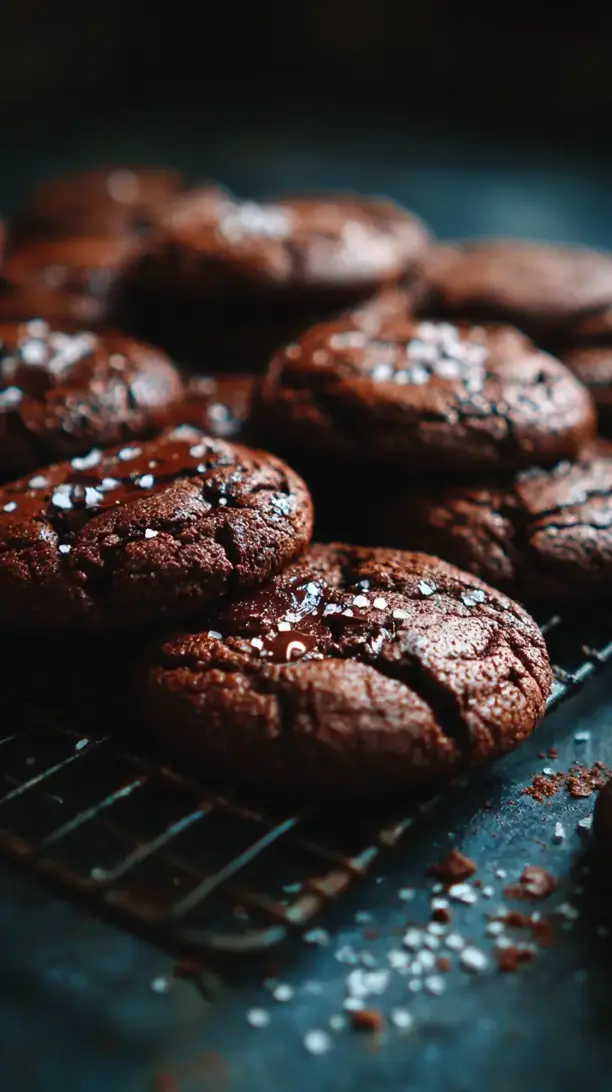
Salted Dark Chocolate Cookies: An Easy Holiday Dessert
Salted Dark Chocolate Cookies are your new favorite easy chocolate cookie recipe. Rich, fudgy, and topped with flaky salt, they're a sophisticated holiday treat that feels bakery-made.
Ingredients
For the Ingredients
-
115 g unsalted butter (melted and slightly cooled)
-
150 g light brown sugar (packed)
-
50 g granulated sugar
-
1 large egg (at room temperature)
-
2 tsp pure vanilla extract
-
125 g all-purpose flour
-
35 g Dutch-processed cocoa powder
-
0.5 tsp baking soda
-
0.25 tsp fine sea salt (for the dough)
-
170 g high-quality dark chocolate (roughly chopped (around 70% cocoa))
-
Flaky sea salt (for sprinkling (like Maldon))
Instructions
-
Start by melting your butter. You can do this in a saucepan over low heat or in short bursts in the microwave. The goal is to have it fully liquid but not hot. Let it sit for about 5-10 minutes until it’s just warm to the touch. This is important because if it’s too hot, it could start cooking the egg when you mix it in.01
-
In a large bowl, combine the melted butter with the brown and granulated sugars. Whisk them together vigorously for a good minute. You’ll notice the mixture will become thicker and smoother—this is you aerating it and dissolving the sugars, which is the first step to a great texture.02
-
Add the room-temperature egg and vanilla extract to the butter-sugar mixture. Whisk again until the mixture is fully combined, pale, and has a slightly ribbony consistency. This usually takes another minute or so. Using a room-temperature egg helps it emulsify properly with the butter, creating a smoother, more cohesive dough.03
-
Now, it’s time for the dry ingredients. Sift the flour, Dutch-processed cocoa powder, baking soda, and fine sea salt directly into the wet ingredients. Sifting is key here to avoid any lumps of cocoa or flour. Use a spatula to fold everything together gently. You want to mix just until the last traces of flour disappear.04
-
Add your roughly chopped dark chocolate to the dough. Fold it in until the chunks are evenly distributed. The dough will be quite soft and sticky at this point—that’s perfectly normal. Try not to overmix, as this can develop the gluten in the flour and lead to tougher cookies.05
-
Cover the bowl with plastic wrap and chill the dough in the refrigerator for at least 30 minutes, and up to 48 hours. This resting period is crucial for flavor development and prevents the cookies from spreading into thin puddles in the oven.06
-
When you’re ready to bake, preheat your oven to 175°C (350°F) and line a baking sheet with parchment paper. Scoop the dough using a tablespoon or a small ice cream scoop, rolling them into rough balls about the size of a golf ball. Place them on the baking sheet, leaving about 5 cm (2 inches) between each one as they will spread.07
-
This is the final flourish! Gently press a couple of extra chocolate chunks on top of each dough ball for a bakery-style look. Then, generously sprinkle each one with flaky sea salt. Don’t be shy—the salt is what makes these cookies extraordinary.08
-
Bake for 10-12 minutes. The cookies will look soft and puffy in the center when you take them out—that’s exactly what you want. They will continue to set as they cool on the hot baking sheet. For the perfect texture, let them cool on the baking sheet for at least 10 minutes before transferring them to a wire rack.09
Not what you're looking for?


