This Sheet Pan Teriyaki Salmon is a complete, flavorful meal that comes together on one pan with minimal cleanup. Tender salmon and colorful vegetables roast together under a sweet-savory homemade teriyaki glaze. It’s a healthy weeknight dinner that feels special enough for guests.
Craving a delicious Sheet Pan Teriyaki Salmon? You've come to the right spot! From Dinner Ideas favorites to amazing Chicken Thigh Recipes recipes, there's something here for everyone.


Why You’ll Love This Sheet Pan Teriyaki Salmon
- Effortless cleanup: Everything cooks together on one pan.
- Homemade sauce: Far superior to store-bought, glossy and perfectly balanced.
- Totally adaptable: Swap vegetables or protein to suit your taste.
- Impressive presentation: Vibrant, glossy, and perfect for company.
Ingredients & Tools
- 4 (150 g each) salmon fillets, skin-on or skinless
- 1 large head broccoli, cut into florets
- 1 red bell pepper, sliced
- 1 yellow bell pepper, sliced
- 1 medium red onion, sliced
- 2 tbsp olive oil or avocado oil
- 1 tsp sesame oil
- Salt and black pepper to taste
- For the Teriyaki Sauce:
- 1/4 cup soy sauce (or tamari for gluten-free)
- 2 tbsp honey or maple syrup
- 1 tbsp rice vinegar
- 2 cloves garlic, minced
- 1 tsp freshly grated ginger
- 1 tbsp cornstarch
- 2 tbsp water
- 1 tbsp sesame seeds
- 2 green onions, thinly sliced (for garnish)
Tools: Large rimmed baking sheet, parchment paper or aluminum foil, small saucepan, whisk, small bowl
Notes: Using fresh ginger and garlic makes a noticeable difference. Don’t skip the cornstarch slurry for a thick, glossy sauce.
Nutrition (per serving)
| Calories: | 420 kcal |
| Protein: | 35 g |
| Fat: | 18 g |
| Carbs: | 28 g |
| Fiber: | 6 g |
Serves: 4 | Prep Time: 15 minutes | Cook Time: 15 minutes | Total Time: 30 minutes
Before You Start: Tips & Ingredient Notes
- What’s the best salmon to use? I prefer skin-on, center-cut fillets that are about 1-inch thick. They hold their shape beautifully and the skin gets wonderfully crispy. If you’re using frozen salmon, make sure it’s fully thawed and pat it very dry with paper towels before seasoning.
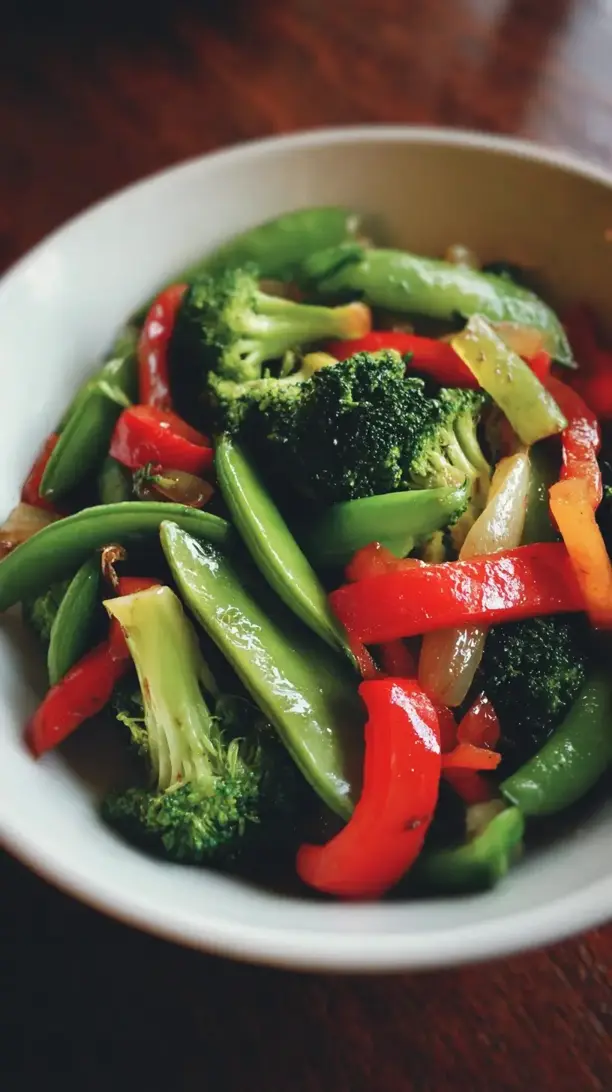
- Can I use other vegetables? Absolutely! The key is to choose veggies that roast in about the same time as the salmon. Asparagus, snap peas, zucchini, or carrots would all work wonderfully. Just cut harder vegetables into smaller pieces so they cook evenly.
- Is the teriyaki sauce difficult to make? Not at all—it comes together in about five minutes. The trick is to whisk the cornstarch with cold water first to create a smooth slurry before adding it to the simmering sauce. This prevents any lumps and gives you that perfect, glossy consistency.
- How do I know when the salmon is done? The salmon is perfectly cooked when it flakes easily with a fork and reaches an internal temperature of 125°F (52°C) for medium-rare or 145°F (63°C) for well-done. Remember, it will continue to cook a bit after you take it out of the oven, so I usually pull it at around 125°F.
How to Make Sheet Pan Teriyaki Salmon
Step 1: Preheat your oven to 400°F (200°C) and line a large rimmed baking sheet with parchment paper or foil for easy cleanup. While the oven heats up, you can prepare your vegetables. Cut the broccoli into florets, slice the bell peppers and red onion into roughly 1-inch pieces. The goal is to have everything roughly the same size so they cook evenly.
Step 2: In a large bowl, toss the prepared broccoli, bell peppers, and red onion with the olive oil, sesame oil, and a good pinch of salt and black pepper. You want every piece to have a light, glossy coating of oil—this will help them caramelize and roast instead of steam. Spread the vegetables out in a single layer on your prepared baking sheet.
Step 3: Roast the vegetables for about 10 minutes. This initial roasting gives them a head start since they take longer to cook than the salmon. You’ll notice the edges of the onions and peppers just beginning to soften and get a little color. Meanwhile, pat your salmon fillets completely dry with paper towels and season both sides lightly with salt and pepper.
Step 4: While the veggies are roasting, make your teriyaki sauce. In a small saucepan, combine the soy sauce, honey (or maple syrup), rice vinegar, minced garlic, and grated ginger. Bring it to a gentle simmer over medium heat, stirring occasionally. In a small separate bowl, whisk the cornstarch with the 2 tablespoons of cold water until it’s completely smooth—this is your slurry.
Step 5: Slowly whisk the cornstarch slurry into the simmering sauce. Keep whisking for about 1-2 minutes until the sauce thickens noticeably and becomes glossy. It should coat the back of a spoon nicely. Remove it from the heat immediately—if you overcook it, it can become too thick. Set aside about a quarter of the sauce for serving later.
Step 6: Take the baking sheet out of the oven. Push the vegetables to the sides to make space in the center for the salmon fillets. Place the salmon on the hot pan. Using a brush or a spoon, generously coat the top and sides of each salmon fillet with the teriyaki sauce. You’ll hear a lovely sizzle when the salmon hits the hot pan.
Step 7: Return the sheet pan to the oven and roast for another 12-15 minutes. The exact time will depend on the thickness of your salmon. It’s done when the salmon flakes easily with a fork and the internal temperature reaches your desired doneness. The vegetables should be tender-crisp and lightly charred at the edges.
Step 8: For a final touch of caramelization, you can switch the oven to broil for the last 1-2 minutes. Watch it closely though—the sugar in the teriyaki glaze can burn quickly under the broiler! You’re just looking for a bit more bubbling and browning on top.
Step 9: Remove the sheet pan from the oven. Drizzle the reserved fresh teriyaki sauce over everything. This gives an extra burst of flavor since it hasn’t been cooked onto the salmon. Sprinkle with sesame seeds and the sliced green onions for a fresh, colorful finish. Serve immediately right from the pan.
Storage & Freshness Guide
- Fridge: Store leftovers in an airtight container for up to 2 days.
- Freezer: Not recommended; vegetables become mushy and salmon texture suffers.
- Reviving: Reheat gently in a 300°F (150°C) oven to preserve texture.
Serving Suggestions
Complementary Dishes
- Steamed Jasmine Rice — The fluffy, slightly sticky rice is the perfect base to soak up all that delicious extra teriyaki sauce. It creates a complete, satisfying meal that feels both comforting and elegant.
- Simple Cucumber Salad — A quick salad of thinly sliced cucumbers with a splash of rice vinegar and a pinch of salt provides a cool, crisp, and refreshing contrast to the rich, savory salmon.
- Quick-Pickled Carrots and Daikon — Their bright, tangy crunch cuts through the sweetness of the teriyaki beautifully and adds another layer of texture and vibrancy to your plate.
Drinks
- Iced Green Tea — Its clean, slightly bitter notes are a fantastic palate cleanser that complements the umami-rich flavors of the dish without overpowering them.
- A Crisp Pinot Gris — This white wine has enough acidity to balance the sweetness of the glaze and enough body to stand up to the richness of the salmon.
- Ginger Beer — The spicy kick of ginger beer echoes the ginger in the sauce and provides a fun, non-alcoholic option with plenty of zing.
Something Sweet
- Green Tea Ice Cream — The subtle, earthy bitterness of matcha is a sophisticated and surprisingly perfect follow-up to the savory-sweet teriyaki flavors.
- Mochi — These soft, chewy, sweet rice cakes are a classic Japanese treat that offer a delightful and light textural experience after your meal.
- Fresh Pineapple Spears — The natural acidity and sweetness of fresh pineapple cleanse the palate and provide a simple, healthy, and refreshing end to the dinner.
Top Mistakes to Avoid
- Overcrowding the pan. If you pack everything in too tightly, the vegetables will steam instead of roast, and the salmon won’t get that nice caramelized crust. Giving everything a little space is key for proper browning.
- Using bottled teriyaki sauce. I know it’s convenient, but honestly, the homemade version is so much better and takes only minutes. Bottled sauces are often overly salty and syrupy, without the fresh, balanced flavor you get from your own.
- Overcooking the salmon. Salmon continues to cook from residual heat after it comes out of the oven. If you wait until it looks completely opaque in the center on the pan, it’ll be dry by the time you eat it. Pull it when it’s still slightly translucent in the very center.
- Adding the sauce too early. If you brush the teriyaki glaze on the salmon at the very beginning, the sugars can burn before the fish is cooked through. Adding it after the veggies have a head start prevents this.
Expert Tips
- Tip: For super-crispy salmon skin, start the fillets skin-side down on the hot pan. Make sure the skin is patted completely dry before it goes in the oven. The direct contact with the hot metal will render the fat and crisp it up beautifully.
- Tip: If your vegetables are releasing a lot of water, don’t be afraid to give the pan a shake halfway through cooking. This helps evaporate the moisture and encourages even browning on all sides.
- Tip: Let the salmon rest for 2-3 minutes after it comes out of the oven. This allows the juices to redistribute throughout the fillet, resulting in a more tender and moist bite.
- Tip: Double the teriyaki sauce recipe and store the extra in a jar in the fridge for up to two weeks. It’s fantastic on grilled chicken, as a stir-fry sauce, or even as a dip for spring rolls.
- Tip: For a deeper, more complex flavor in your sauce, try adding a teaspoon of miso paste along with the other ingredients. It adds an incredible umami depth that takes the sauce to another level.
FAQs
Can I make this with chicken instead of salmon?
Absolutely! Use boneless, skinless chicken thighs or breasts. Since chicken takes longer to cook, you’ll want to roast the vegetables for about 15 minutes first, then add the chicken (brushed with sauce) and cook for another 20-25 minutes, or until the chicken’s internal temperature reaches 165°F (74°C). The sauce works wonderfully with chicken, creating a sticky, caramelized glaze.
How do I store and reheat leftovers?
Store any leftovers in an airtight container in the refrigerator for up to 2 days. To reheat, I strongly recommend using an oven or toaster oven at 300°F (150°C) until just warmed through. The microwave will work in a pinch but can make the salmon rubbery and the veggies soggy. The gentle heat of the oven helps preserve the texture much better.
My sauce didn’t thicken. What happened?
This usually happens if the cornstarch slurry wasn’t properly mixed with cold water first, or if the sauce wasn’t at a simmer when you added it. The cornstarch needs to be heated to its activation temperature to thicken. If this happens, just mix another tablespoon of cornstarch with a tablespoon of cold water and whisk it into the simmering sauce—it should fix the problem right up.
Is there a way to make this recipe gluten-free?
Yes, it’s very easy! Simply use tamari or a certified gluten-free soy sauce instead of regular soy sauce. Double-check that your other ingredients, like the rice vinegar, are also gluten-free, but they typically are. All the other components of the dish are naturally gluten-free.
Can I prepare any parts of this meal ahead of time?
You can definitely get a head start! The teriyaki sauce can be made up to 5 days in advance and stored in the fridge. You can also chop all your vegetables a day ahead and keep them in a sealed bag or container in the refrigerator. This makes throwing the meal together on a busy weeknight incredibly fast and simple.


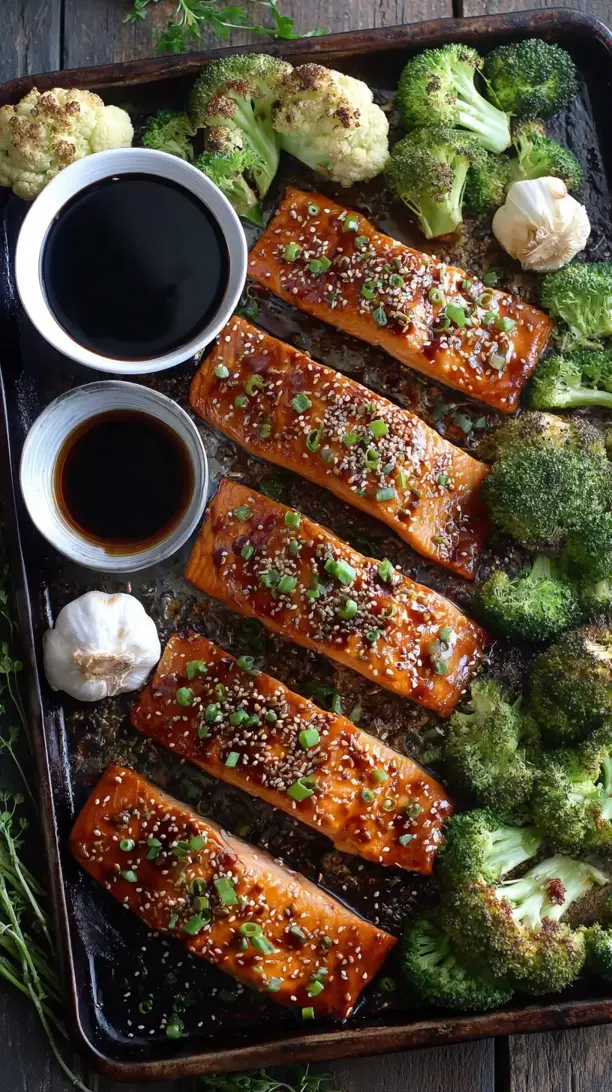
Sheet Pan Teriyaki Salmon
Make this easy Sheet Pan Teriyaki Salmon for a complete, healthy meal with minimal cleanup. Get the simple recipe for perfectly glazed salmon and veggies now!
Ingredients
For the main ingredients:
-
4 salmon fillets (150 g each, skin-on or skinless)
-
1 large head broccoli (cut into florets)
-
1 red bell pepper (sliced)
-
1 yellow bell pepper (sliced)
-
1 medium red onion (sliced)
-
2 tbsp olive oil or avocado oil
-
1 tsp sesame oil
-
Salt and black pepper (to taste)
For the Teriyaki Sauce:
-
1/4 cup soy sauce (or tamari for gluten-free)
-
2 tbsp honey or maple syrup
-
1 tbsp rice vinegar
-
2 cloves garlic (minced)
-
1 tsp freshly grated ginger
-
1 tbsp cornstarch
-
2 tbsp water
-
1 tbsp sesame seeds
-
2 green onions (thinly sliced (for garnish))
Instructions
-
Preheat your oven to 400°F (200°C) and line a large rimmed baking sheet with parchment paper or foil for easy cleanup. While the oven heats up, you can prepare your vegetables. Cut the broccoli into florets, slice the bell peppers and red onion into roughly 1-inch pieces. The goal is to have everything roughly the same size so they cook evenly.01
-
In a large bowl, toss the prepared broccoli, bell peppers, and red onion with the olive oil, sesame oil, and a good pinch of salt and black pepper. You want every piece to have a light, glossy coating of oil—this will help them caramelize and roast instead of steam. Spread the vegetables out in a single layer on your prepared baking sheet.02
-
Roast the vegetables for about 10 minutes. This initial roasting gives them a head start since they take longer to cook than the salmon. You’ll notice the edges of the onions and peppers just beginning to soften and get a little color. Meanwhile, pat your salmon fillets completely dry with paper towels and season both sides lightly with salt and pepper.03
-
While the veggies are roasting, make your teriyaki sauce. In a small saucepan, combine the soy sauce, honey (or maple syrup), rice vinegar, minced garlic, and grated ginger. Bring it to a gentle simmer over medium heat, stirring occasionally. In a small separate bowl, whisk the cornstarch with the 2 tablespoons of cold water until it’s completely smooth—this is your slurry.04
-
Slowly whisk the cornstarch slurry into the simmering sauce. Keep whisking for about 1-2 minutes until the sauce thickens noticeably and becomes glossy. It should coat the back of a spoon nicely. Remove it from the heat immediately—if you overcook it, it can become too thick. Set aside about a quarter of the sauce for serving later.05
-
Take the baking sheet out of the oven. Push the vegetables to the sides to make space in the center for the salmon fillets. Place the salmon on the hot pan. Using a brush or a spoon, generously coat the top and sides of each salmon fillet with the teriyaki sauce. You’ll hear a lovely sizzle when the salmon hits the hot pan.06
-
Return the sheet pan to the oven and roast for another 12-15 minutes. The exact time will depend on the thickness of your salmon. It’s done when the salmon flakes easily with a fork and the internal temperature reaches your desired doneness. The vegetables should be tender-crisp and lightly charred at the edges.07
-
For a final touch of caramelization, you can switch the oven to broil for the last 1-2 minutes. Watch it closely though—the sugar in the teriyaki glaze can burn quickly under the broiler! You’re just looking for a bit more bubbling and browning on top.08
-
Remove the sheet pan from the oven. Drizzle the reserved fresh teriyaki sauce over everything. This gives an extra burst of flavor since it hasn’t been cooked onto the salmon. Sprinkle with sesame seeds and the sliced green onions for a fresh, colorful finish. Serve immediately right from the pan.09
Not what you're looking for?