This Shrimp and Garlic Butter Pasta combines juicy shrimp, fragrant garlic, and rich butter for a luxurious yet simple meal. Ready in about 25 minutes, it’s perfect for a quick weeknight dinner or a special occasion. The starchy pasta water creates a glossy, restaurant-worthy sauce that coats every strand.
Love Shrimp and Garlic Butter Pasta? So do we! If you're into Savory Combo Recipes or curious about Burgers, you'll find plenty of inspiration below.


Why You’ll Love This Shrimp and Garlic Butter Pasta
- Quick & Easy: Ready in about 20 minutes of active cooking.
- Rich & Balanced: Sweet shrimp, nutty garlic, and silky butter create complex flavor.
- Versatile Template: Swap pasta shapes or add greens like spinach or peas.
- Feels Special: A comforting, celebratory meal any night of the week.
Ingredients & Tools
- 400 g linguine or spaghetti
- 450 g large raw shrimp, peeled and deveined
- 8 cloves garlic, thinly sliced
- 120 g unsalted butter, divided
- 60 ml dry white wine (like Sauvignon Blanc)
- 1 lemon, juiced (about 2 tablespoons)
- 1/2 tsp red pepper flakes (optional, for heat)
- Large handful fresh parsley, finely chopped
- Salt and freshly ground black pepper to taste
- Parmesan cheese for serving
Tools: A large pot for boiling pasta, a large skillet (12-inch is ideal), tongs, and a microplane or zester.
Notes: Using high-quality butter really makes a difference here—its nutty flavor is the backbone of the sauce. And don’t skip the white wine; it adds a necessary acidity that cuts through the richness and lifts all the other flavors.
Nutrition (per serving)
| Calories: | 580 kcal |
| Protein: | 32 g |
| Fat: | 22 g |
| Carbs: | 62 g |
| Fiber: | 3 g |
Serves: 4 | Prep Time: 10 minutes | Cook Time: 15 minutes | Total Time: 25 minutes
Before You Start: Tips & Ingredient Notes
- Get your shrimp right. I highly recommend using raw, frozen shrimp that you thaw yourself. They’re often fresher than “fresh” shrimp at the counter. Thaw them overnight in the fridge or in a bowl of cold water for 30 minutes. Pat them very dry before cooking—this is key for a good sear.
- Don’t burn the garlic! Garlic can go from golden and fragrant to bitter and burnt in seconds. Have all your ingredients prepped and within arm’s reach before you start cooking the sauce. We’re toasting the garlic, not frying it to a crisp.
- Salt your pasta water like the sea. This is your one and only chance to season the pasta itself from the inside out. The water should taste salty—this makes a huge difference in the final flavor of the dish.
- Reserve that pasta water! Before you drain your pasta, scoop out at least a cup of the starchy, salty water. This liquid gold is what will help our butter, wine, and garlic emulsify into a silky sauce that clings to every strand of pasta.
How to Make Shrimp and Garlic Butter Pasta
Step 1: Bring a large pot of generously salted water to a rolling boil. Add your linguine and cook according to package directions until al dente. Remember, it will cook a bit more in the sauce later. Just before draining, carefully scoop out about 1 cup of the starchy pasta water and set it aside. Drain the pasta.
Step 2: While the pasta cooks, pat your shrimp completely dry with paper towels and season them lightly with salt and pepper. Place your large skillet over medium-high heat and add one tablespoon of the butter. Once it’s melted and foaming, add the shrimp in a single layer. Cook for about 1-2 minutes per side, just until they turn pink and opaque. You’re not fully cooking them through yet! Remove them from the skillet and set them aside on a plate.
Step 3: Reduce the heat to medium-low. Add the remaining butter to the same skillet. Once melted, add the thinly sliced garlic and the red pepper flakes (if using). Swirl the pan and cook for about 1-2 minutes, until the garlic is fragrant and just starting to turn a very light golden color. You’ll notice the most amazing nutty aroma—this is what you want. Do not let it brown.
Step 4: Increase the heat to medium-high and pour in the white wine. It will sizzle and steam dramatically. Use a wooden spoon to scrape up any browned bits from the bottom of the pan—that’s pure flavor! Let the wine simmer and reduce by about half, which should take 1-2 minutes.
Step 5: Now, add the drained pasta directly into the skillet with the garlic-butter sauce. Also add about 1/2 cup of the reserved pasta water. Use tongs to toss everything together vigorously. The starch in the water will mix with the butter and create a creamy, emulsified sauce that coats every strand. If it looks a bit dry, add another splash of pasta water.
Step 6: Return the shrimp and any accumulated juices back to the skillet. Add the fresh lemon juice and most of the chopped parsley. Toss everything together for just another minute over the heat—this is just to warm the shrimp through and let the flavors meld. Taste and adjust seasoning with more salt or pepper if needed.
Step 7: Serve immediately, topped with the remaining parsley and a generous shower of freshly grated Parmesan cheese. The pasta is best enjoyed right away while the sauce is still loose and glossy.
Storage & Freshness Guide
- Fridge: Store leftovers in an airtight container for up to 2 days.
- Freezer: Not recommended; shrimp and pasta texture suffer.
- Reviving: Reheat gently in a skillet with a splash of water or broth, stirring until warm.
Serving Suggestions
Complementary Dishes
- A simple arugula salad — The peppery bite of arugula dressed with just lemon juice and olive oil provides a crisp, refreshing contrast to the rich, buttery pasta.
- Garlic bread — It’s a classic for a reason. Use it to sop up every last bit of that incredible garlic butter sauce left on your plate.
- Roasted asparagus — Toss asparagus spears with olive oil, salt, and pepper and roast until tender. Their earthy flavor pairs beautifully with the shrimp.
Drinks
- A crisp Sauvignon Blanc — The wine’s citrusy and herbal notes mirror the lemon and parsley in the dish and cut through the butter perfectly.
- A light Italian lager — A cold, crisp beer like a Peroni offers a clean, bubbly palate cleanser between bites of the rich pasta.
- Sparkling water with lemon — For a non-alcoholic option, the effervescence and citrus are fantastic for resetting your taste buds.
Something Sweet
- Lemon sorbet — A scoop of bright, tart sorbet continues the citrus theme and feels incredibly cleansing and light after the main course.
- Panna Cotta — A silky, vanilla-infused panna cotta with a berry compote offers a smooth, cool, and subtly sweet finish.
- Amaretti cookies — These classic Italian almond cookies are crunchy, sweet, and the perfect little something to nibble on with an espresso.
Top Mistakes to Avoid
- Overcooking the shrimp. Shrimp cook incredibly fast and become rubbery and tough if left on the heat too long. Cook them just until they turn pink and opaque, then remove them. They’ll finish warming through when you add them back at the end.
- Skipping the pasta water. Using plain water instead of starchy pasta water will give you a thin, broken sauce that slides right off the pasta. The starch is essential for creating a cohesive, glossy sauce that clings perfectly.
- Burning the garlic. Burnt garlic is bitter and will overpower the entire dish. Keep the heat moderate and watch it like a hawk—it should be fragrant and lightly golden, not brown.
- Crowding the pan when searing the shrimp. If you add too many shrimp at once, they’ll steam instead of sear. Cook them in a single layer, in batches if necessary, to get a nice, light crust.
Expert Tips
- Tip: Use frozen, shell-on shrimp and peel them yourself. The shells act as a natural protective barrier, often resulting in a plumper, sweeter final product compared to pre-peeled shrimp.
- Tip: Add a splash of the pasta water to your skillet *before* adding the drained pasta. This helps to cool the pan down slightly and prevents the garlic from burning when the pasta hits the hot surface.
- Tip: For an extra layer of flavor, add a teaspoon of lemon zest along with the juice at the end. The zest contains aromatic oils that will make the citrus flavor pop even more.
- Tip: If you have time, let your shrimp marinate for 15 minutes in a little olive oil, salt, pepper, and half of your sliced garlic. This infuses them with flavor from the inside out.
- Tip: Finish the dish with a final drizzle of high-quality extra virgin olive oil off the heat. This adds a fruity, peppery note and enhances the luxurious mouthfeel of the sauce.
FAQs
Can I use pre-cooked shrimp?
You can, but I don’t recommend it for the best texture. Pre-cooked shrimp are already fully cooked and only need to be warmed through. If you add them to the skillet as directed in the recipe, they will almost certainly become overcooked, tough, and rubbery. If it’s your only option, add them in the very last step, just long enough to heat up, and be extra gentle.
What can I use instead of white wine?
No problem! The wine primarily adds acidity. You can substitute it with an equal amount of low-sodium chicken or vegetable broth plus an extra tablespoon of fresh lemon juice. The flavor profile will be slightly different, but it will still be delicious. Another option is a non-alcoholic wine if you want to mimic the flavor more closely.
How do I store and reheat leftovers?
Store any leftovers in an airtight container in the refrigerator for up to 2 days. Reheating is tricky because the pasta can absorb the sauce. The best method is to reheat it gently in a skillet over low heat with a splash of water, broth, or even a little milk, stirring constantly until warmed through. Avoid the microwave, as it will make the shrimp very tough.
Can I make this dish ahead of time?
This is really a “serve immediately” kind of dish. The pasta will continue to absorb the sauce as it sits, making it dry, and the shrimp can become tough upon reheating. Your best bet for prepping is to have all your ingredients measured, chopped, and ready to go (what chefs call “mise en place”) so the actual cooking is swift and seamless.
My sauce looks oily and broken. What happened?
This usually means the emulsion broke, often from too high heat or not enough starchy pasta water to bind the fat (butter) and liquids. To fix it, remove the skillet from the heat immediately and vigorously whisk in another 1/4 cup of reserved pasta water. This should bring the sauce back together. If it’s still struggling, a tiny pinch of flour whisked into a tablespoon of cold water, then stirred in, can help rescue it.

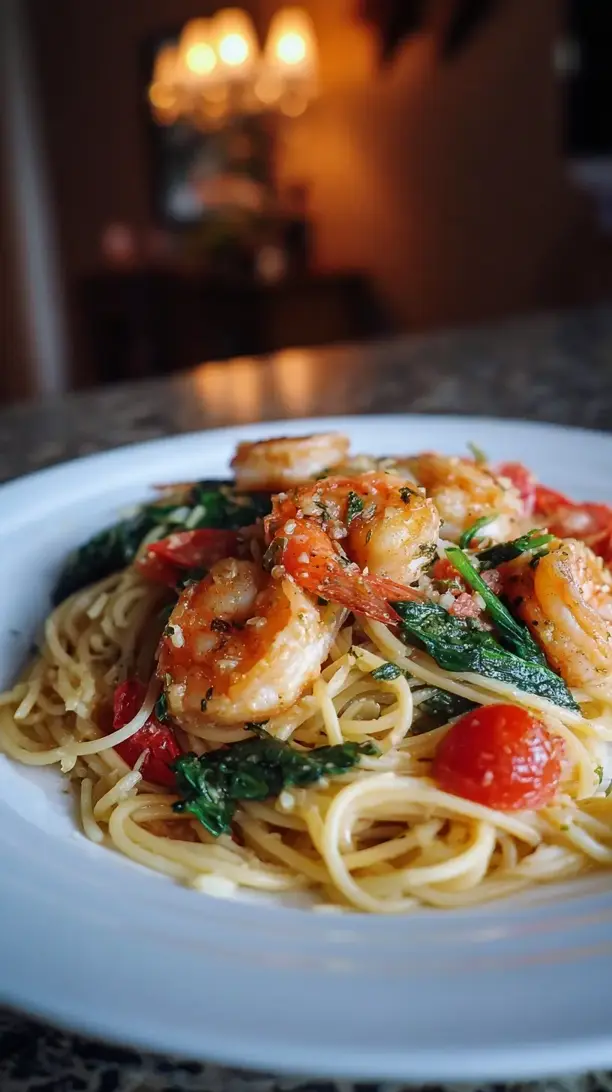
Shrimp And Garlic Butter Pasta
Make the best Shrimp and Garlic Butter Pasta in just 25 minutes! This easy recipe features juicy shrimp in a rich, glossy sauce. Get the simple, restaurant-quality recipe now!
Ingredients
For the pasta and shrimp:
-
400 g linguine or spaghetti
-
450 g large raw shrimp (peeled and deveined)
-
8 cloves garlic (thinly sliced)
-
120 g unsalted butter (divided)
-
60 ml dry white wine (like Sauvignon Blanc)
-
1 lemon, juiced (about 2 tablespoons)
-
1/2 tsp red pepper flakes (optional, for heat)
-
Large handful fresh parsley (finely chopped)
-
Salt and freshly ground black pepper (to taste)
-
Parmesan cheese (for serving)
Instructions
-
Bring a large pot of generously salted water to a rolling boil. Add your linguine and cook according to package directions until al dente. Remember, it will cook a bit more in the sauce later. Just before draining, carefully scoop out about 1 cup of the starchy pasta water and set it aside. Drain the pasta.01
-
While the pasta cooks, pat your shrimp completely dry with paper towels and season them lightly with salt and pepper. Place your large skillet over medium-high heat and add one tablespoon of the butter. Once it’s melted and foaming, add the shrimp in a single layer. Cook for about 1-2 minutes per side, just until they turn pink and opaque. You’re not fully cooking them through yet! Remove them from the skillet and set them aside on a plate.02
-
Reduce the heat to medium-low. Add the remaining butter to the same skillet. Once melted, add the thinly sliced garlic and the red pepper flakes (if using). Swirl the pan and cook for about 1-2 minutes, until the garlic is fragrant and just starting to turn a very light golden color. You’ll notice the most amazing nutty aroma—this is what you want. Do not let it brown.03
-
Increase the heat to medium-high and pour in the white wine. It will sizzle and steam dramatically. Use a wooden spoon to scrape up any browned bits from the bottom of the pan—that’s pure flavor! Let the wine simmer and reduce by about half, which should take 1-2 minutes.04
-
Now, add the drained pasta directly into the skillet with the garlic-butter sauce. Also add about 1/2 cup of the reserved pasta water. Use tongs to toss everything together vigorously. The starch in the water will mix with the butter and create a creamy, emulsified sauce that coats every strand. If it looks a bit dry, add another splash of pasta water.05
-
Return the shrimp and any accumulated juices back to the skillet. Add the fresh lemon juice and most of the chopped parsley. Toss everything together for just another minute over the heat—this is just to warm the shrimp through and let the flavors meld. Taste and adjust seasoning with more salt or pepper if needed.06
-
Serve immediately, topped with the remaining parsley and a generous shower of freshly grated Parmesan cheese. The pasta is best enjoyed right away while the sauce is still loose and glossy.07
Not what you're looking for?