This Shrimp and Garlic Scampi Linguine is a timeless dish that feels both elegant and approachable. It combines tender shrimp, aromatic garlic, and a silky buttery sauce that clings perfectly to linguine. You’ll love how this shrimp and garlic scampi linguine delivers restaurant-quality flavor in just 25 minutes.
Looking for Shrimp and Garlic Scampi Linguine inspiration? You'll love what we have! Explore more Savory Combo Recipes recipes or discover our Chicken Thigh Recipes favorites.



Why You’ll Love This Shrimp and Garlic Scampi Linguine
Fast & impressive: Ready in 25 minutes with restaurant-quality results.
Perfect flavor balance: Layers of sweet garlic, bright lemon, and savory wine.
Versatile base: Easily adapt with spinach, tomatoes, or Parmesan.
Textural comfort: Al dente pasta, juicy shrimp, and a glossy, clinging sauce.
Ingredients & Tools
- 400 g linguine
- 450 g large raw shrimp, peeled and deveined
- 8 cloves garlic, thinly sliced
- 120 ml extra virgin olive oil
- 120 ml dry white wine (like Sauvignon Blanc or Pinot Grigio)
- 60 g unsalted butter, cut into cubes
- 1 large lemon (juice and zest)
- 1/2 tsp red pepper flakes (adjust to taste)
- 1/4 cup fresh parsley, finely chopped
- Salt and freshly ground black pepper
Tools: Large pot for pasta, large skillet or sauté pan, tongs, microplane or zester, measuring cups/spoons
Notes: Use a fruity olive oil for best flavor; don’t skip the white wine—it adds necessary acidity.
Nutrition (per serving)
| Calories: | 620 kcal |
| Protein: | 32 g |
| Fat: | 28 g |
| Carbs: | 58 g |
| Fiber: | 3 g |
Serves: 4 | Prep Time: 10 minutes | Cook Time: 15 minutes | Total Time: 25 minutes
Before You Start: Tips & Ingredient Notes
- Get your shrimp right. I highly recommend using raw, peeled, and deveined shrimp for the best texture and flavor. If they’re frozen, just thaw them completely in the fridge overnight or under cold running water, and pat them very dry with paper towels. This ensures they sear nicely instead of steaming.
- Don’t be shy with the garlic. Yes, eight cloves might sound like a lot, but we’re slicing it, not mincing it. Sliced garlic becomes sweet and mellow when cooked gently in oil, infusing the entire dish with its aroma without being overpoweringly sharp.
- Your pasta water is liquid gold. Salt your pasta water generously—it should taste like the sea. This is your primary chance to season the pasta itself from the inside out. And always reserve a cup of that starchy water before draining; it’s the secret weapon for creating a silky, emulsified sauce that clings perfectly.
- Prep everything in advance. This dish comes together very quickly once you start cooking. Having your garlic sliced, lemon zested and juiced, and parsley chopped before you turn on the heat will make the process smooth and stress-free.
How to Make Shrimp and Garlic Scampi Linguine
Step 1: Bring a large pot of generously salted water to a rolling boil. Add the linguine and cook according to package directions until al dente. Just before draining, carefully scoop out about one cup of the starchy pasta water and set it aside. This is crucial for our sauce later, so don’t forget it! Drain the pasta but do not rinse it; you want all that starch to help the sauce cling.
Step 2: While the pasta cooks, pat your shrimp completely dry with paper towels and season them lightly with salt and pepper. Place your large skillet over medium-high heat and add the olive oil. Once the oil is shimmering but not smoking, add the shrimp in a single layer. You’ll hear a satisfying sizzle. Cook for just about 1–2 minutes per side, until they’re pink, opaque, and lightly curled. Don’t overcrowd the pan—cook in batches if needed. Remove the shrimp from the skillet and set them aside on a plate; they’ll finish cooking later in the sauce.
Step 3: Reduce the heat to medium-low. To the same skillet, add the thinly sliced garlic and red pepper flakes. The trick here is to cook them gently, stirring frequently, until the garlic is fragrant and just starting to turn a very pale golden color—this should take about 1–2 minutes. You want to wake up the flavors without letting the garlic brown and become bitter. The aroma at this stage is absolutely heavenly.
Step 4: Increase the heat back to medium-high and pour in the white wine. It will bubble and steam vigorously. Use a wooden spoon or spatula to scrape up any browned bits from the bottom of the pan—that’s pure flavor! Let the wine simmer and reduce by about half, which will take 2–3 minutes. This cooks off the raw alcohol taste and leaves behind a concentrated, flavorful base for our sauce.
Step 5: Turn the heat down to low. Add the cubes of cold butter to the pan and swirl or stir continuously until the butter has melted and emulsified into the sauce. It should look glossy and slightly thickened. Now, stir in the lemon juice and half of the lemon zest. The sauce will brighten up immediately. Season with a little more salt and pepper to taste.
Step 6: Add the drained, cooked linguine directly into the skillet with the sauce. Toss everything together with tongs, coating every strand. Now, add the cooked shrimp back in, along with any juices that have accumulated on the plate. Toss gently to combine and warm the shrimp through.
Step 7: This is where the magic happens. Start adding your reserved pasta water, a few tablespoons at a time, tossing continuously. You’ll notice the sauce becoming creamier, silkier, and clinging to the pasta beautifully. You might not need the full cup—stop when the sauce has reached your desired consistency. Finish by tossing in the fresh parsley and the remaining lemon zest for a final burst of freshness.
Step 8: Give the pasta one final, confident toss in the pan to make sure everything is perfectly combined. Serve immediately in warm bowls. A final crack of black pepper over the top is never a bad idea.
Storage & Freshness Guide
- Fridge: Store in an airtight container for up to 2 days.
- Freezer: Not recommended; shrimp and pasta texture will suffer.
- Reviving: Reheat gently in a skillet with a splash of water or broth.
Serving Suggestions
Complementary Dishes
- A simple arugula salad — The peppery bite of arugula dressed with just a squeeze of lemon and a drizzle of olive oil provides a crisp, refreshing contrast to the rich, garlicky pasta.
- Garlic bread or focaccia — It’s a classic for a reason! You’ll want something to mop up every last drop of that delicious scampi sauce left in the bowl.
- Roasted asparagus — Toss asparagus spears with olive oil, salt, and pepper and roast until tender-crisp. Their earthy flavor and slight char complement the shrimp and lemon beautifully.
Drinks
- A crisp, chilled Sauvignon Blanc — The wine’s citrusy and herbal notes mirror the lemon and parsley in the dish, creating a harmonious pairing that cleanses the palate.
- A light Italian lager — The effervescence and clean, crisp finish of a beer like Peroni cuts through the butter and oil perfectly, making each bite of pasta feel fresh again.
- Sparkling water with lemon — For a non-alcoholic option, the bubbles are refreshing and the lemon wedge continues the citrus theme of the meal.
Something Sweet
- Lemon sorbet — A scoop of bright, tart lemon sorbet is the perfect palate-cleansing finale. It’s light, refreshing, and continues the citrus thread from the main course.
- Panna Cotta with a berry coulis — The smooth, creamy, and subtly sweet panna cotta provides a lovely textural and flavor contrast to the savory, garlic-forward pasta.
- Amaretti cookies — These light, almond-flavored Italian cookies are subtly sweet and crunchy, offering a simple, elegant end to the meal without being too heavy.
Top Mistakes to Avoid
- Overcooking the shrimp. Shrimp cook incredibly fast and become rubbery and tough if left on the heat for too long. You’re just looking for them to turn pink and opaque. Remember, they’ll get a second chance to warm up in the sauce at the end.
- Burning the garlic. This is probably the most common pitfall. Burnt garlic turns bitter and can ruin the entire dish. Keep the heat low-to-medium when you add it and stir constantly. If you see it browning too quickly, pull the pan off the heat for a moment.
- Skipping the pasta water. That starchy, salty water is not just leftover liquid—it’s a key ingredient. It helps bind the sauce to the pasta, adds body, and makes everything silky and cohesive. Without it, your sauce might be oily and separate.
- Crowding the pan when searing the shrimp. If you dump all the shrimp in at once, they’ll steam instead of sear, and you’ll miss out on that lovely caramelized flavor. Give them space to breathe for the best result.
Expert Tips
- Tip: Use cold butter. Adding cold butter cubes to the pan and swirling them in off the heat (or on very low heat) helps it emulsify into the sauce properly, creating a smooth, glossy texture instead of just melting into a pool of fat.
- Tip: Add the lemon zest in two stages. Stirring half into the sauce infuses it with lemon oil, while sprinkling the rest on at the very end gives you a bright, fresh aroma and flavor that really pops when you take a bite.
- Tip: Warm your serving bowls. This is a tiny step that makes a big difference, especially for a pasta dish. It keeps your food hot for longer, making the dining experience that much more enjoyable. Just pop them in the microwave for 30 seconds or fill them with hot water while you cook, then dump it out.
- Tip: Taste and adjust at the end. Before you serve, always do a final taste test. Does it need more salt? A squeeze of lemon? A pinch more red pepper flakes? This is your chance to make it perfect for your palate.
FAQs
Can I make this without wine?
Absolutely! You can substitute the white wine with an equal amount of low-sodium chicken or vegetable broth. To mimic the acidity that wine provides, add an extra tablespoon of fresh lemon juice at the end. The flavor profile will be slightly different, but it will still be delicious and satisfying.
What’s the best way to reheat leftovers?
The best method is gently on the stovetop. Add the leftover pasta to a skillet with a splash of water, broth, or even a little more olive oil. Heat it over low heat, tossing frequently, until warmed through. The added liquid will help revive the sauce. Avoid the microwave if you can, as it can make the shrimp rubbery and the pasta gummy.
Can I use a different type of pasta?
Of course! While linguine is classic, other long pastas like spaghetti or fettuccine work wonderfully. Shorter shapes like rigatoni or fusilli are also great because their nooks and crannies trap the sauce. Just remember to reserve that pasta water no matter what shape you use—it’s non-negotiable for a perfect sauce.
My sauce looks a bit oily and broken. What happened?
This usually means the emulsion broke, often from the heat being too high when you added the butter or if you didn’t incorporate enough starchy pasta water. Next time, make sure to add the cold butter off the heat or on very low, and swirl continuously. Then, be generous with adding the pasta water and tossing vigorously—this is what brings the sauce together.
Can I use pre-cooked shrimp?
I don’t recommend it. Pre-cooked shrimp are already fully cooked and only need to be warmed through. If you add them to the hot pan for any length of time, they will almost certainly become tough and chewy. Using raw shrimp allows you to control the cooking and infuse them with the garlic and wine flavors, resulting in a much more tender and flavorful final dish.


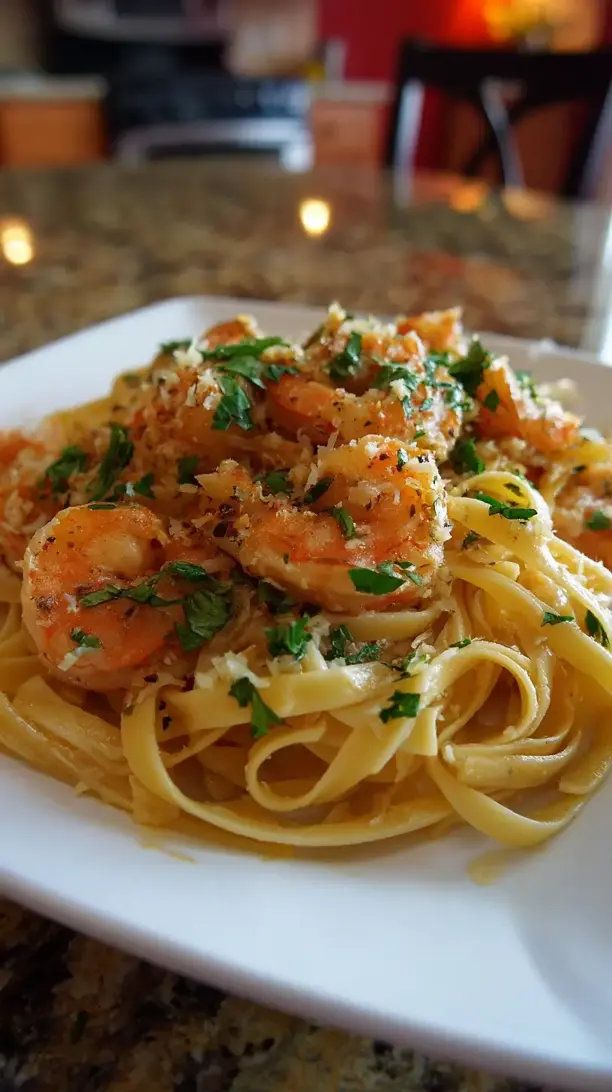
Shrimp And Garlic Scampi Linguine
Make restaurant-quality Shrimp and Garlic Scampi Linguine in just 25 minutes. Tender shrimp in a buttery garlic sauce over perfect pasta. Get the easy recipe now!
Ingredients
For the Ingredients
-
400 g linguine
-
450 g large raw shrimp (peeled and deveined)
-
8 cloves garlic (thinly sliced)
-
120 ml extra virgin olive oil
-
120 ml dry white wine (like Sauvignon Blanc or Pinot Grigio)
-
60 g unsalted butter (cut into cubes)
-
1 large lemon (juice and zest)
-
1/2 tsp red pepper flakes (adjust to taste)
-
1/4 cup fresh parsley (finely chopped)
-
Salt and freshly ground black pepper
Instructions
-
Bring a large pot of generously salted water to a rolling boil. Add the linguine and cook according to package directions until al dente. Just before draining, carefully scoop out about one cup of the starchy pasta water and set it aside. This is crucial for our sauce later, so don’t forget it! Drain the pasta but do not rinse it; you want all that starch to help the sauce cling.01
-
While the pasta cooks, pat your shrimp completely dry with paper towels and season them lightly with salt and pepper. Place your large skillet over medium-high heat and add the olive oil. Once the oil is shimmering but not smoking, add the shrimp in a single layer. You’ll hear a satisfying sizzle. Cook for just about 1–2 minutes per side, until they’re pink, opaque, and lightly curled. Don’t overcrowd the pan—cook in batches if needed. Remove the shrimp from the skillet and set them aside on a plate; they’ll finish cooking later in the sauce.02
-
Reduce the heat to medium-low. To the same skillet, add the thinly sliced garlic and red pepper flakes. The trick here is to cook them gently, stirring frequently, until the garlic is fragrant and just starting to turn a very pale golden color—this should take about 1–2 minutes. You want to wake up the flavors without letting the garlic brown and become bitter. The aroma at this stage is absolutely heavenly.03
-
Increase the heat back to medium-high and pour in the white wine. It will bubble and steam vigorously. Use a wooden spoon or spatula to scrape up any browned bits from the bottom of the pan—that’s pure flavor! Let the wine simmer and reduce by about half, which will take 2–3 minutes. This cooks off the raw alcohol taste and leaves behind a concentrated, flavorful base for our sauce.04
-
Turn the heat down to low. Add the cubes of cold butter to the pan and swirl or stir continuously until the butter has melted and emulsified into the sauce. It should look glossy and slightly thickened. Now, stir in the lemon juice and half of the lemon zest. The sauce will brighten up immediately. Season with a little more salt and pepper to taste.05
-
Add the drained, cooked linguine directly into the skillet with the sauce. Toss everything together with tongs, coating every strand. Now, add the cooked shrimp back in, along with any juices that have accumulated on the plate. Toss gently to combine and warm the shrimp through.06
-
This is where the magic happens. Start adding your reserved pasta water, a few tablespoons at a time, tossing continuously. You’ll notice the sauce becoming creamier, silkier, and clinging to the pasta beautifully. You might not need the full cup—stop when the sauce has reached your desired consistency. Finish by tossing in the fresh parsley and the remaining lemon zest for a final burst of freshness.07
-
Give the pasta one final, confident toss in the pan to make sure everything is perfectly combined. Serve immediately in warm bowls. A final crack of black pepper over the top is never a bad idea.08
Not what you're looking for?