This Shrimp Pasta is a luxurious yet quick meal perfect for any night. Sweet shrimp nestle in a garlicky, buttery sauce with bright lemon and a hint of heat. It comes together in about 25 minutes for an impressive, fuss-free dinner.
Craving a delicious Shrimp Pasta? You've come to the right spot! From Dinner Ideas favorites to amazing Chicken Breast Recipes recipes, there's something here for everyone.
Why You’ll Love This Shrimp Pasta
- Fast & forgiving: Ready in 25 minutes with minimal fuss.
- Perfect flavor balance: Rich, garlicky, bright, and lightly spicy.
- Fancy but easy: Feels restaurant-worthy with simple ingredients.
- Endlessly adaptable: Easily customize spices or add greens.
Ingredients & Tools
- 400 g linguine or spaghetti
- 450 g large raw shrimp, peeled and deveined
- 4 cloves garlic, thinly sliced
- 1 lemon (zest and juice)
- 60 ml extra virgin olive oil
- 3 tbsp unsalted butter
- 1/2 tsp red pepper flakes (adjust to taste)
- 1/4 cup fresh parsley, finely chopped
- Salt and black pepper to taste
- 60 ml dry white wine (optional, but recommended)
- Parmesan cheese for serving
Tools: Large pot for pasta, large skillet or sauté pan, tongs, microplane or zester, measuring spoons.
Notes: Don’t skimp on the garlic—it forms the aromatic base. Using raw shrimp (not pre-cooked) is crucial for a good sear and fond.
Nutrition (per serving)
| Calories: | 520 kcal |
| Protein: | 28 g |
| Fat: | 18 g |
| Carbs: | 58 g |
| Fiber: | 3 g |
Serves: 4 | Prep Time: 10 minutes | Cook Time: 15 minutes | Total Time: 25 minutes
Before You Start: Tips & Ingredient Notes
- Don’t forget to salt your pasta water. It should taste like the sea—this is your one chance to season the pasta from within, and it makes a huge difference in the final dish.
- Pat your shrimp completely dry. Any excess moisture will steam the shrimp instead of giving you that beautiful, light sear. I use paper towels and really press down to get them as dry as possible.
- Have all your ingredients prepped and ready. This recipe moves quickly once you start cooking, so having your garlic sliced, lemon zested, and parsley chopped will save you from any frantic moments.
- Use a large enough pan. You want enough surface area to cook the shrimp in a single layer without overcrowding—otherwise, they’ll release too much liquid and boil instead of sear.
How to Make Shrimp Pasta
Step 1: Bring a large pot of generously salted water to a rolling boil. Add the linguine or spaghetti and cook according to package instructions until al dente. Reserve about 1 cup of the starchy pasta water before draining—this liquid gold will help emulsify your sauce later. You’ll notice the pasta should still have a slight bite to it, as it will continue cooking slightly in the sauce.
Step 2: While the pasta cooks, pat the shrimp thoroughly dry with paper towels and season both sides with salt and black pepper. Heat your large skillet over medium-high heat and add 2 tablespoons of olive oil. Once the oil shimmers, add the shrimp in a single layer—you should hear a satisfying sizzle. Cook for about 1-2 minutes per side, until they turn pink and opaque with a light golden sear. Transfer them to a plate immediately; they’ll finish cooking off the heat.
Step 3: Reduce the heat to medium-low and add the remaining 2 tablespoons of olive oil and butter to the same skillet. Once the butter melts, add the sliced garlic and red pepper flakes. Cook for about 1 minute, stirring constantly, until the garlic becomes fragrant and lightly golden—be careful not to burn it, or it’ll turn bitter. The aroma at this stage is absolutely incredible.
Step 4: If using white wine, pour it into the pan now. Let it simmer for about 1-2 minutes, scraping up any browned bits from the bottom of the pan with a wooden spoon—this is where all the flavor lives! The wine should reduce by about half, and the sauce will look slightly glossy. If you’re not using wine, just add 2 tablespoons of the reserved pasta water here instead.
Step 5: Add the drained pasta directly to the skillet along with about 1/2 cup of the reserved pasta water. Use tongs to toss everything together, allowing the pasta to drink up the sauce. You’ll see the sauce start to thicken and cling to the strands—that’s exactly what you want. If it looks too dry, add more pasta water a tablespoon at a time.
Step 6: Return the cooked shrimp to the skillet, along with any accumulated juices. Add the lemon zest, lemon juice, and most of the chopped parsley. Toss gently to combine—you don’t want to break up the shrimp. Taste and adjust seasoning with more salt, pepper, or lemon juice if needed. The sauce should be creamy, lightly coating the pasta, with a perfect balance of rich, bright, and spicy notes.
Step 7: Divide the shrimp pasta among warm bowls. Top with a generous sprinkle of the remaining parsley and a shower of freshly grated Parmesan cheese. Serve immediately while it’s hot and the aromas are wafting up—this dish is truly best enjoyed right out of the pan.
Storage & Freshness Guide
- Fridge: Store in an airtight container for up to 2 days.
- Freezer: Not recommended; pasta can become mushy upon thawing.
- Reviving: Reheat gently with a splash of water or olive oil to loosen the sauce.
Serving Suggestions
Complementary Dishes
- Garlic bread — because you can never have too much garlic, and it’s perfect for sopping up every last bit of that delicious sauce.
- A simple arugula salad with lemon vinaigrette — the peppery greens and sharp dressing cut through the richness of the pasta beautifully.
- Roasted asparagus — the earthy, slightly charred flavor complements the sweet shrimp and bright lemon notes wonderfully.
Drinks
- A crisp Sauvignon Blanc — its citrusy, acidic profile mirrors the lemon in the dish and cleanses the palate between bites.
- Sparkling water with lemon slices — for a non-alcoholic option that still feels celebratory and refreshing.
- Light Italian lager — the effervescence and mild bitterness balance the richness without overwhelming the delicate shrimp flavor.
Something Sweet
- Lemon sorbet — a bright, palate-cleansing finish that continues the citrus theme without feeling too heavy.
- Affogato — a scoop of vanilla gelato drowned in a shot of hot espresso feels indulgent yet simple.
- Almond biscotti — for dipping into a sweet dessert wine or coffee, adding a lovely crunchy texture to end the meal.
Top Mistakes to Avoid
- Overcooking the shrimp. They continue to cook even after you remove them from the pan, so take them off the heat when they’re just opaque. Overcooked shrimp become rubbery and lose their sweet, delicate texture.
- Skipping the pasta water. That starchy liquid is what binds the sauce to the pasta, creating a creamy emulsion. Without it, your sauce might be oily and separate.
- Burning the garlic. Garlic goes from golden and fragrant to bitter and acrid in seconds. Keep the heat medium-low and stir constantly—if it starts to brown too quickly, pull the pan off the heat momentarily.
- Crowding the pan when searing shrimp. If you pile them all in at once, they’ll steam instead of sear. Cook in batches if necessary to ensure each shrimp gets proper contact with the hot surface.
Expert Tips
- Tip: Add a tablespoon of cold butter at the very end, off the heat, and swirl the pan until it melts. This French technique (monter au beurre) gives the sauce an incredible silkiness and shine.
- Tip: If your shrimp are frozen, thaw them overnight in the refrigerator for the best texture. Quick-thawing in water can make them waterlogged and less flavorful.
- Tip: For an extra layer of flavor, add a couple of anchovy fillets to the garlic and oil—they’ll melt into the sauce and add a deep, savory umami note without tasting fishy.
- Tip: If you’re not using wine, a splash of fresh pasta water and a teaspoon of lemon juice added to the pan when deglazing will work beautifully to lift the fond and add acidity.
FAQs
Can I use frozen shrimp?
Absolutely—just make sure they’re fully thawed and patted completely dry before cooking. I prefer to thaw them overnight in the refrigerator for the best texture. If you’re in a hurry, place the sealed bag in a bowl of cold water for about 30 minutes, changing the water once. Avoid using warm water, as it can start to cook the shrimp and make them tough.
What can I use instead of white wine?
You can substitute with an equal amount of chicken or vegetable broth, or even just use extra pasta water with a squeeze of lemon juice. The goal is to deglaze the pan and add a bit of acidity, so if you’re using broth, you might want to add an extra teaspoon of lemon juice at the end to balance the flavors.
How do I know when the shrimp are cooked?
Raw shrimp are gray and translucent, while cooked shrimp turn pink and opaque. They’ll also curl into a loose “C” shape. If they curl tightly into an “O,” they’re likely overcooked. The internal temperature should reach 120°F (49°C)—they’ll carry over cook to 145°F (63°C) after removal from heat.
Can I make this ahead of time?
This dish is really best served immediately, as the pasta continues to absorb the sauce and can become dry. If you must prep ahead, cook the shrimp and make the sauce separately, then combine everything when you’re ready to serve. You might need to add a splash of water or olive oil when reheating to loosen the sauce.
What other pasta shapes work well?
Linguine and spaghetti are classics, but fettuccine, tagliatelle, or even shorter shapes like rigatoni or penne work beautifully—just make sure they have enough surface area to hold the sauce. For shorter pasta, you might need a bit more sauce to coat everything evenly.

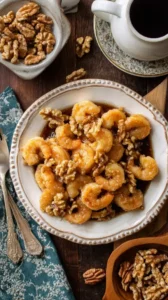


Shrimp Pasta
Make this easy Shrimp Pasta in just 25 minutes! A garlicky, buttery sauce with lemon and a hint of heat coats tender shrimp. Get the simple recipe now!
Ingredients
For the Ingredients
-
400 g linguine or spaghetti
-
450 g large raw shrimp (peeled and deveined)
-
4 cloves garlic (thinly sliced)
-
1 lemon (zest and juice)
-
60 ml extra virgin olive oil
-
3 tbsp unsalted butter
-
0.5 tsp red pepper flakes (adjust to taste)
-
0.25 cup fresh parsley (finely chopped)
-
Salt and black pepper (to taste)
-
60 ml dry white wine (optional, but recommended)
-
Parmesan cheese (for serving)
Instructions
-
Bring a large pot of generously salted water to a rolling boil. Add the linguine or spaghetti and cook according to package instructions until al dente. Reserve about 1 cup of the starchy pasta water before draining—this liquid gold will help emulsify your sauce later. You’ll notice the pasta should still have a slight bite to it, as it will continue cooking slightly in the sauce.01
-
While the pasta cooks, pat the shrimp thoroughly dry with paper towels and season both sides with salt and black pepper. Heat your large skillet over medium-high heat and add 2 tablespoons of olive oil. Once the oil shimmers, add the shrimp in a single layer—you should hear a satisfying sizzle. Cook for about 1-2 minutes per side, until they turn pink and opaque with a light golden sear. Transfer them to a plate immediately; they’ll finish cooking off the heat.02
-
Reduce the heat to medium-low and add the remaining 2 tablespoons of olive oil and butter to the same skillet. Once the butter melts, add the sliced garlic and red pepper flakes. Cook for about 1 minute, stirring constantly, until the garlic becomes fragrant and lightly golden—be careful not to burn it, or it’ll turn bitter. The aroma at this stage is absolutely incredible.03
-
If using white wine, pour it into the pan now. Let it simmer for about 1-2 minutes, scraping up any browned bits from the bottom of the pan with a wooden spoon—this is where all the flavor lives! The wine should reduce by about half, and the sauce will look slightly glossy. If you’re not using wine, just add 2 tablespoons of the reserved pasta water here instead.04
-
Add the drained pasta directly to the skillet along with about 1/2 cup of the reserved pasta water. Use tongs to toss everything together, allowing the pasta to drink up the sauce. You’ll see the sauce start to thicken and cling to the strands—that’s exactly what you want. If it looks too dry, add more pasta water a tablespoon at a time.05
-
Return the cooked shrimp to the skillet, along with any accumulated juices. Add the lemon zest, lemon juice, and most of the chopped parsley. Toss gently to combine—you don’t want to break up the shrimp. Taste and adjust seasoning with more salt, pepper, or lemon juice if needed. The sauce should be creamy, lightly coating the pasta, with a perfect balance of rich, bright, and spicy notes.06
-
Divide the shrimp pasta among warm bowls. Top with a generous sprinkle of the remaining parsley and a shower of freshly grated Parmesan cheese. Serve immediately while it’s hot and the aromas are wafting up—this dish is truly best enjoyed right out of the pan.07
Not what you're looking for?