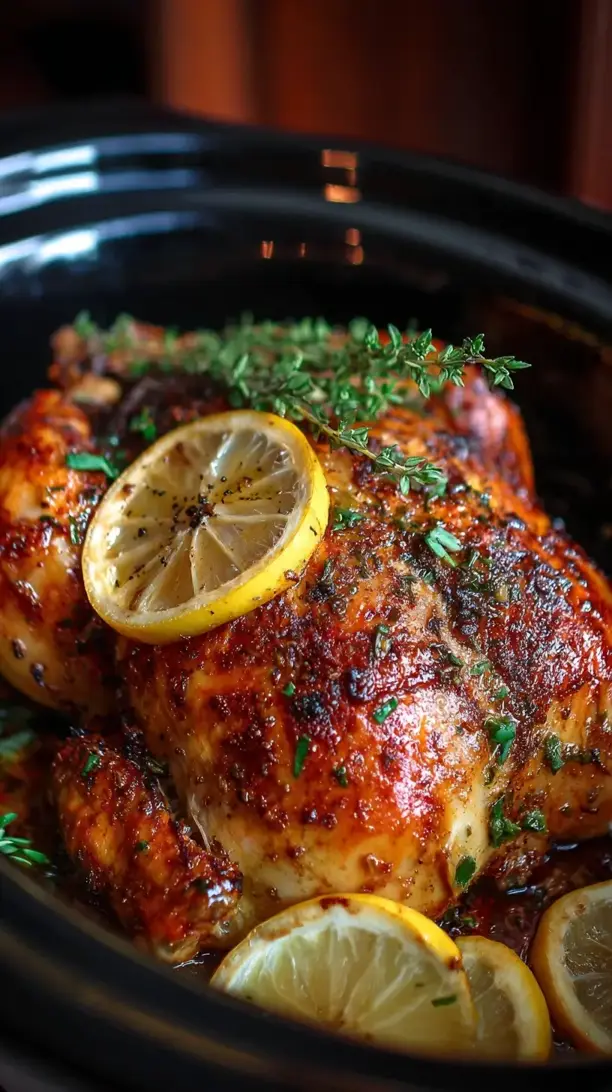
This Slow Cooker Pork Stew is the ultimate comfort meal for a chilly day. It transforms pork shoulder and root vegetables into a rich, tender stew with minimal effort. Let your slow cooker do the work while you enjoy the incredible aroma and flavor of this hearty pork stew.
Craving a delicious Slow Cooker Pork Stew? You've come to the right spot! From Crockpot Recipes favorites to amazing Chicken Breast Recipes recipes, there's something here for everyone.



Why You’ll Love This Slow Cooker Pork Stew
- Hands-off comfort: Quick prep, then the slow cooker takes over.
- Unbelievably tender pork: Pork shoulder becomes melt-in-your-mouth perfect.
- Versatile and forgiving: Swap veggies and herbs based on what you have.
- Better leftovers: Flavors deepen overnight for an even tastier meal.
Ingredients & Tools
- 1.5 kg boneless pork shoulder, cut into 5-cm chunks
- 2 tbsp olive oil
- 1 large yellow onion, diced
- 4 cloves garlic, minced
- 3 large carrots, peeled and cut into 2-cm rounds
- 2 parsnips, peeled and cut into 2-cm chunks
- 3 stalks celery, sliced
- 500 g baby potatoes, halved
- 120 ml dry red wine (like a Cabernet Sauvignon or Merlot)
- 480 ml beef stock
- 2 tbsp tomato paste
- 1 tbsp Worcestershire sauce
- 2 tsp fresh thyme leaves (or 1 tsp dried)
- 2 bay leaves
- 1 tsp smoked paprika
- Salt and freshly ground black pepper, to taste
- 2 tbsp cornflour mixed with 3 tbsp cold water (optional, for thickening)
- 3 tbsp chopped fresh parsley, for garnish
Tools: A 6-quart (or larger) slow cooker, a large skillet for searing.
Don’t be tempted to skip searing the pork—it’s a crucial step for building a deep, savory foundation. And that splash of red wine? It adds a wonderful acidity and richness that balances the hearty meat and vegetables perfectly.
Nutrition (per serving)
| Calories: | 520 kcal |
| Protein: | 38 g |
| Fat: | 22 g |
| Carbs: | 35 g |
| Fiber: | 6 g |
Serves: 6 | Prep Time: 20 minutes | Cook Time: 8 hours on Low (or 4-5 on High) | Total Time: 8 hours 20 minutes
Before You Start: Tips & Ingredient Notes
- Is searing the meat really necessary? Honestly, yes. That beautiful brown crust you create in the hot pan isn’t just for looks—it’s packed with flavor thanks to the Maillard reaction. It gives the entire stew a richer, more complex base that you just can’t get from adding raw meat straight to the pot.
- What’s the best cut of pork to use? Pork shoulder (or Boston butt) is the undisputed champion for slow cooking. It has a higher fat content and more connective tissue than leaner cuts like pork loin, which means it won’t dry out. Instead, it becomes fork-tender and incredibly juicy over the long cooking time.
- Can I use a different liquid instead of red wine? Absolutely. If you prefer not to cook with wine, you can substitute it with an equal amount of additional beef stock. For a different flavor profile, a dark beer like a stout would also be delicious and add a malty depth.
- Why are my root vegetables turning to mush? The size of your veggie chunks matters! Cutting them into large, uniform pieces (around 2 cm) ensures they hold their shape and texture through the long cooking process. If you cut them too small, they’ll disintegrate.
How to Make Slow Cooker Pork Stew
Step 1: Pat the pork shoulder chunks completely dry with paper towels—this is the secret to getting a good sear. Season them generously on all sides with salt and pepper. Heat the olive oil in a large skillet over medium-high heat until it shimmers. Working in batches to avoid crowding the pan, add the pork and sear for 2-3 minutes per side, until a deep golden-brown crust forms. Transfer the seared pork to the bowl of your slow cooker.
Step 2: In the same skillet, using the rendered pork fat and oil, add the diced onion. Cook for 4-5 minutes, stirring occasionally, until they’ve softened and turned translucent. You’ll notice all those browned bits from the pork starting to lift from the bottom of the pan—that’s pure flavor! Add the minced garlic and cook for just one more minute until fragrant. Scrape the entire onion and garlic mixture into the slow cooker over the pork.
Step 3: Now for the vegetables. Add the carrot rounds, parsnip chunks, sliced celery, and halved baby potatoes directly into the slow cooker, arranging them around and over the pork. There’s no need to stir them in completely; they’ll settle as they cook.
Step 4: It’s time to build the braising liquid. Pour the red wine into the still-hot skillet. It will sizzle and steam—use a wooden spoon to scrape up any remaining browned bits. Let it simmer for a minute to cook off the raw alcohol edge. Then, whisk in the beef stock, tomato paste, Worcestershire sauce, fresh thyme, smoked paprika, and another good pinch of salt and pepper. Bring this just to a simmer, then carefully pour it over the pork and vegetables in the slow cooker. Tuck the bay leaves into the liquid.
Step 5: Place the lid securely on your slow cooker. Set it to cook on LOW for 7-8 hours or on HIGH for 4-5 hours. The stew is done when the pork is so tender you can shred it easily with two forks and the vegetables are soft but still hold their shape. Resist the urge to lift the lid too often, as this lets out heat and increases the cooking time.
Step 6: Once cooked, if you prefer a thicker gravy, you can create a slurry. In a small bowl, whisk the cornflour with the cold water until smooth. Stir this mixture into the stew, replace the lid, and cook on HIGH for an additional 20-30 minutes, until the broth has thickened to your liking. Finally, remove the bay leaves, taste and adjust seasoning, and stir in the fresh parsley just before serving.
Storage & Freshness Guide
- Fridge: Cool completely and store in an airtight container for up to 4 days.
- Freezer: Freeze in sealed containers or bags for up to 3 months.
- Reviving: Reheat gently on the stovetop, adding a splash of broth if needed.
Serving Suggestions
Complementary Dishes
- Crusty, buttered sourdough bread — It’s absolutely essential for sopping up every last drop of that incredible savory gravy. You’ll want to make sure you have plenty on hand.
- A simple, crisp green salad with a sharp vinaigrette — The fresh, acidic crunch provides a perfect counterbalance to the rich, hearty depth of the stew, cleansing the palate between bites.
- Buttery mashed potatoes or soft polenta — For the ultimate comfort food experience, serve the stew over a creamy, starchy base that will act as a wonderful canvas for the flavorful meat and gravy.
Drinks
- A glass of the same red wine you used in the stew — This is a classic pairing for a reason; the wine’s fruity notes and tannins will mirror and enhance the flavors already present in the dish.
- A dark, malty ale or stout — The roasted, coffee-like notes in a good dark beer complement the smokiness of the paprika and the richness of the pork beautifully.
- Sparkling water with a squeeze of lemon — A non-alcoholic option that provides a clean, bubbly contrast to cut through the stew’s richness and refresh your palate.
Something Sweet
- A warm apple crumble with vanilla ice cream — The sweet, spiced apples and cool cream are a timeless and comforting follow-up to a savory, meaty main course.
- Dark chocolate pots de crème — These are intensely rich, silky, and not overly sweet, offering a sophisticated, decadent finish that doesn’t feel too heavy.
- Simple shortbread cookies — Their buttery, crumbly texture and mild sweetness are a lovely, simple way to end the meal without any fuss.
Top Mistakes to Avoid
- Mistake: Skipping the sear on the pork. I’ve been tempted to skip this step on a rushed morning, and I always regret it. The stew is still good, but it lacks the deep, caramelized flavor foundation that makes it truly exceptional. Those browned bits are flavor gold.
- Mistake: Overcrowding the pan when searing. If you put too much meat in the skillet at once, the temperature drops and the pork steams instead of sears. You’ll end up with grey, boiled-looking meat instead of pieces with a beautiful, flavorful crust. Patience is key—sear in batches.
- Mistake: Lifting the lid to peek. I know it’s tempting to check on the progress and inhale that amazing smell, but every time you lift the lid, a significant amount of heat and steam escapes. This can add 15-20 minutes to your cooking time each time you do it. Trust the process!
- Mistake: Adding the cornflour slurry directly to the hot liquid. If you sprinkle the dry cornflour in, it will instantly form unappetizing lumps. Always mix it with cold water first to create a smooth paste before stirring it in.
Expert Tips
- Tip: Make it a day ahead. Stews are famously better the next day. Cook it, let it cool completely, and store it in the fridge overnight. The fat will rise to the top and solidify, making it easy to skim off for a leaner stew, and the flavors will be even more harmonious.
- Tip: Get creative with your vegetables. Feel free to swap in other root vegetables. Cubed sweet potato, turnips, or celeriac would all be wonderful additions. Just keep the chunk size consistent so everything cooks evenly.
- Tip: Use the leftovers in a new way. Shred any remaining pork and vegetables, and use the gravy as a base for a incredible soup by adding more broth. Or, pile the shredded meat onto buns for killer pulled pork sandwiches.
- Tip: Boost the umami. For an even deeper savory flavor, add a tablespoon of soy sauce or a teaspoon of Marmite to the braising liquid. They blend in seamlessly and add a wonderful, complex backbone.
FAQs
Can I make this stew on the stovetop or in the oven instead?
Absolutely. For the stovetop, follow the same searing steps in a large, heavy-bottomed pot or Dutch oven. After adding all ingredients, bring to a simmer, then reduce the heat to low, cover, and let it bubble gently for about 2-3 hours, or until the pork is tender. For the oven, do everything in an oven-safe Dutch oven, cover, and braise at 160°C (325°F) for the same amount of time. Just check occasionally to ensure there’s enough liquid.
Can I freeze the leftovers?
This stew freezes beautifully, making it a fantastic make-ahead meal. Let it cool completely, then transfer it to airtight containers or heavy-duty freezer bags, leaving a little space for expansion. It will keep well for up to 3 months. To serve, thaw it overnight in the refrigerator and reheat gently on the stovetop or in the microwave, adding a splash of water or broth if it seems too thick.
My stew is too thin/too thick. How can I fix it?
If it’s too thin, the cornflour slurry mentioned in the recipe is your best bet. For a more rustic thickener, you can mash some of the cooked potatoes and carrots against the side of the pot and stir them back in. If it’s too thick, simply stir in a bit more beef stock or even hot water, a quarter-cup at a time, until it reaches your desired consistency.
What can I use if I don’t have smoked paprika?
Smoked paprika adds a distinct, gentle smokiness. If you don’t have it, you can use sweet (regular) paprika. You’ll lose the smoky note, but you’ll still get that lovely red color and peppery flavor. A tiny pinch of chipotle powder could also work if you want the heat and smoke, but use it very sparingly as it’s much spicier.
Is it okay to use frozen vegetables?
I wouldn’t recommend it for this particular recipe. Frozen vegetables (like carrots, peas, or green beans) have a much higher water content and a softer cellular structure. They will release a lot of liquid into your stew as they thaw and cook, making the gravy watery, and they’ll likely turn mushy long before the pork is done. Fresh, hardy root vegetables are the way to go here.



Slow Cooker Pork Stew
Make the best Slow Cooker Pork Stew with minimal effort. Tender pork, hearty vegetables, and rich gravy come together perfectly. Get the easy recipe now!
Ingredients
For the Stew
-
1.5 kg boneless pork shoulder (cut into 5-cm chunks)
-
2 tbsp olive oil
-
1 large yellow onion (diced)
-
4 cloves garlic (minced)
-
3 large carrots (peeled and cut into 2-cm rounds)
-
2 parsnips (peeled and cut into 2-cm chunks)
-
3 stalks celery (sliced)
-
500 g baby potatoes (halved)
-
120 ml dry red wine (like a Cabernet Sauvignon or Merlot)
-
480 ml beef stock
-
2 tbsp tomato paste
-
1 tbsp Worcestershire sauce
-
2 tsp fresh thyme leaves (or 1 tsp dried)
-
2 bay leaves
-
1 tsp smoked paprika
-
Salt and freshly ground black pepper (to taste)
-
2 tbsp cornflour mixed with 3 tbsp cold water (optional, for thickening)
-
3 tbsp chopped fresh parsley (for garnish)
Instructions
-
Pat the pork shoulder chunks completely dry with paper towels—this is the secret to getting a good sear. Season them generously on all sides with salt and pepper. Heat the olive oil in a large skillet over medium-high heat until it shimmers. Working in batches to avoid crowding the pan, add the pork and sear for 2-3 minutes per side, until a deep golden-brown crust forms. Transfer the seared pork to the bowl of your slow cooker.01
-
In the same skillet, using the rendered pork fat and oil, add the diced onion. Cook for 4-5 minutes, stirring occasionally, until they’ve softened and turned translucent. You’ll notice all those browned bits from the pork starting to lift from the bottom of the pan—that’s pure flavor! Add the minced garlic and cook for just one more minute until fragrant. Scrape the entire onion and garlic mixture into the slow cooker over the pork.02
-
Now for the vegetables. Add the carrot rounds, parsnip chunks, sliced celery, and halved baby potatoes directly into the slow cooker, arranging them around and over the pork. There’s no need to stir them in completely; they’ll settle as they cook.03
-
It’s time to build the braising liquid. Pour the red wine into the still-hot skillet. It will sizzle and steam—use a wooden spoon to scrape up any remaining browned bits. Let it simmer for a minute to cook off the raw alcohol edge. Then, whisk in the beef stock, tomato paste, Worcestershire sauce, fresh thyme, smoked paprika, and another good pinch of salt and pepper. Bring this just to a simmer, then carefully pour it over the pork and vegetables in the slow cooker. Tuck the bay leaves into the liquid.04
-
Place the lid securely on your slow cooker. Set it to cook on LOW for 7-8 hours or on HIGH for 4-5 hours. The stew is done when the pork is so tender you can shred it easily with two forks and the vegetables are soft but still hold their shape. Resist the urge to lift the lid too often, as this lets out heat and increases the cooking time.05
-
Once cooked, if you prefer a thicker gravy, you can create a slurry. In a small bowl, whisk the cornflour with the cold water until smooth. Stir this mixture into the stew, replace the lid, and cook on HIGH for an additional 20-30 minutes, until the broth has thickened to your liking. Finally, remove the bay leaves, taste and adjust seasoning, and stir in the fresh parsley just before serving.06
Not what you're looking for?