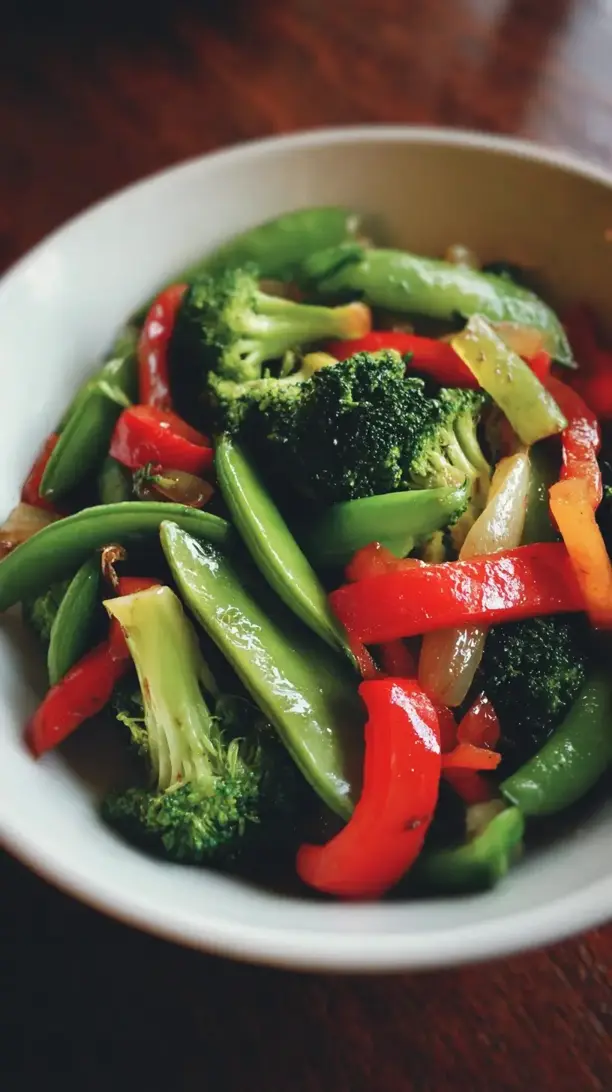
This Teriyaki Salmon and Vegetables recipe delivers a vibrant, complete meal with minimal fuss. The salmon gets beautifully glazed and caramelized while staying tender, paired with crisp-tender broccoli and bell peppers. It’s a one-pan wonder that’s surprisingly simple yet impressive enough for company.
Love Teriyaki Salmon and Vegetables? So do we! If you're into Dinner Ideas or curious about Chicken Recipes, you'll find plenty of inspiration below.


Why You’ll Love This Teriyaki Salmon and Vegetables
One-pan wonder: Protein, veggies, and sauce cook together for easy cleanup.
Perfectly balanced glaze: Sticky, glossy sauce that’s not too sweet or salty.
Versatile & forgiving: Swap vegetables or adjust to your taste easily.
Restaurant-quality results: Looks and tastes impressive but is simple to make.
Ingredients & Tools
- 4 salmon fillets (about 150g each), skin on or off
- 1 head of broccoli, cut into florets
- 1 red bell pepper, sliced
- 1 yellow bell pepper, sliced
- 2 tbsp sesame oil, divided
- 2 cloves garlic, minced
- 1 tsp fresh ginger, grated
- 60 ml soy sauce (or tamari for gluten-free)
- 3 tbsp mirin
- 2 tbsp honey or maple syrup
- 1 tbsp rice vinegar
- 1 tsp cornstarch
- 1 tbsp water
- To garnish: sliced spring onions and sesame seeds
Tools: A large, oven-safe skillet or frying pan, a small bowl for the sauce, and some tongs.
Notes: Fresh ginger and garlic provide a fragrant backbone. Don’t skip the cornstarch slurry for a thick, glazy sauce.
Nutrition (per serving)
| Calories: | 420 kcal |
| Protein: | 35 g |
| Fat: | 18 g |
| Carbs: | 28 g |
| Fiber: | 5 g |
Serves: 4 | Prep Time: 15 minutes | Cook Time: 20 minutes | Total Time: 35 minutes
Before You Start: Tips & Ingredient Notes
- Pat your salmon dry. This is a non-negotiable step for getting a beautiful sear instead of a steam. Use a paper towel to thoroughly dry the surface of the fillets before they hit the pan.
- Don’t overcrowd the pan. If your skillet is on the smaller side, cook the vegetables in two batches. Overcrowding will steam them instead of giving them a nice char, which adds so much flavor.
- Fresh ginger is a game-changer. I know it’s tempting to use the jarred stuff, but the bright, zingy flavor of freshly grated ginger is irreplaceable in this sauce. A microplane makes quick work of it.
- Have all your sauce ingredients measured and ready. Things move quickly once you start cooking, so having your soy, mirin, honey, and vinegar in a bowl ready to go makes the process smooth and stress-free.
How to Make Teriyaki Salmon and Vegetables
Step 1: Start by prepping all your ingredients. Cut the broccoli into bite-sized florets and slice the bell peppers. Mince the garlic and grate the ginger. In a small bowl, whisk together the soy sauce, mirin, honey, and rice vinegar. This is your teriyaki base. In a separate tiny bowl, make a slurry by mixing the cornstarch with one tablespoon of water until it’s completely smooth—this will prevent any lumps in your final sauce.
Step 2: Preheat your oven to 200°C (400°F). Heat one tablespoon of sesame oil in your large, oven-safe skillet over medium-high heat. Once the oil is shimmering, add the broccoli florets. Let them cook for 3-4 minutes, getting a little color on them, before adding the sliced bell peppers. Stir-fry for another 3-4 minutes until the vegetables are crisp-tender. You’ll hear a nice sizzle. Transfer them to a plate and set aside.
Step 3: Wipe the skillet clean with a paper towel and add the remaining tablespoon of sesame oil. Pat the salmon fillets completely dry and season them lightly with a pinch of salt. Place them in the hot skillet, presentation-side down. Sear for 3-4 minutes without moving them, until a golden-brown crust forms. You should be able to smell the nutty, toasty aroma. Flip the fillets carefully and cook for just 1 minute on the other side. Remove the salmon from the skillet and place it on the plate with the vegetables.
Step 4: Reduce the heat to medium. Add the minced garlic and grated ginger to the same skillet and sauté for about 30 seconds until incredibly fragrant—be careful not to burn it. Pour in your pre-mixed teriyaki sauce. Let it come to a gentle simmer, then give your cornstarch slurry a quick stir and whisk it into the sauce. It will start to thicken almost immediately into a lovely, glossy glaze.
Step 5: Return the cooked vegetables and the salmon fillets to the skillet, nestling them into the sauce. Spoon some of the glaze over the top of the salmon. Transfer the entire skillet to the preheated oven and bake for 5-7 minutes, or until the salmon is cooked to your liking and flakes easily with a fork. The sauce will bubble around the edges beautifully.
Step 6: Carefully remove the hot skillet from the oven—remember the handle will be extremely hot! Let it rest for a couple of minutes. Right before serving, garnish generously with sliced spring onions and a sprinkle of sesame seeds for that final touch of color and texture.
Storage & Freshness Guide
- Fridge: Store leftovers in an airtight container for up to 2 days.
- Freezer: Not recommended; salmon and vegetables become watery upon thawing.
- Reviving: Reheat gently in a 300°F oven to preserve texture; avoid microwaving.
Serving Suggestions
Complementary Dishes
- Steamed Jasmine Rice — The fluffy, slightly sticky grains are the perfect vehicle for soaking up every last drop of that incredible teriyaki sauce.
- Simple Cucumber Salad — A quick salad with rice vinegar and a pinch of sugar provides a crisp, refreshing contrast to the rich, savory salmon.
- Edamame with Sea Salt — These salty steamed soybeans are a fantastic, easy starter that keeps the meal light and fits the flavor profile perfectly.
Drinks
- Iced Green Tea — Its clean, slightly bitter notes help cut through the sweetness of the glaze and cleanse the palate between bites.
- A Crisp Pinot Gris — This white wine has enough acidity to balance the dish and subtle fruit notes that won’t overpower the delicate salmon.
- Cold Japanese Lager — The light, crisp carbonation is a classic pairing that refreshes and complements the umami flavors beautifully.
Something Sweet
- Green Tea Ice Cream — The bittersweet, earthy flavor of matcha is a sublime and traditional finish that feels both light and indulgent.
- Mochi — These soft, chewy rice cakes with sweet fillings like red bean or mango offer a delightful and playful textural experience.
- Fresh Orange Slices with a Hint of Mint — Sometimes the simplest option is the best; the bright citrus is a wonderfully clean and healthy way to end the meal.
Top Mistakes to Avoid
- Mistake: Adding the cornstarch directly to the hot sauce. It will instantly form unappetizing lumps that you can’t whisk out. Always mix it with a little cold water first to create a smooth slurry.
- Mistake: Overcooking the salmon in the pan before it goes in the oven. Remember, it will continue to cook in the hot oven. If you fully cook it on the stovetop, it can become dry by the time you serve it.
- Mistake: Using old, bottled minced garlic and ginger. Their flavors are muted and can sometimes carry a slightly off, fermented taste. Fresh aromatics provide a vibrant, clean flavor that makes the sauce sing.
- Mistake: Skipping the sear on the salmon. That initial high-heat sear is what creates the caramelized crust and seals in the juices. Without it, the texture and flavor of the fish are just not the same.
Expert Tips
- Tip: Bring the salmon to room temperature. Take the salmon out of the fridge about 15-20 minutes before cooking. This helps it cook more evenly, preventing a cold, undercooked center and an overcooked exterior.
- Tip: Don’t move the salmon once it’s in the pan. Resist the urge to poke and prod! Let it sit undisturbed to form that perfect, restaurant-quality crust. It will release from the pan easily when it’s ready.
- Tip: Use the sauce as a baste. When you return everything to the skillet, spoon that thickening glaze over the salmon and veggies. This builds layers of flavor and gives everything a gorgeous, glossy finish.
- Tip: Customize your veg. This recipe is a fantastic template. Try it with asparagus, sugar snap peas, or sliced carrots. Just adjust the initial cooking time based on how long your chosen vegetables take to become tender-crisp.
FAQs
Can I make this recipe with chicken instead of salmon?
Absolutely! The method is very similar. Use boneless, skinless chicken thighs or breasts. You’ll just need to adjust the cooking time to ensure the chicken is cooked through completely, which might take a few extra minutes in the oven. Use a meat thermometer to check for an internal temperature of 74°C (165°F). The teriyaki glaze works wonderfully with chicken, creating a sticky, caramelized coating that’s utterly delicious.
My sauce isn’t thickening. What did I do wrong?
The most common culprit is that the cornstarch slurry wasn’t adequately mixed or the sauce wasn’t brought to a full simmer after adding it. Cornstarch needs to reach a certain temperature to activate its thickening power. If your sauce is still thin, create a new, small slurry with another half teaspoon of cornstarch and a tablespoon of water, whisk it in, and let the sauce bubble for another minute.
Is there a substitute for mirin?
Yes, if you don’t have mirin, you can use a dry sherry or even a sweet white wine like Riesling. In a pinch, you can add an extra half tablespoon of honey to the soy sauce mixture and a squeeze of fresh lime juice to mimic mirin’s sweet-tangy profile. The flavor won’t be identical, but it will still be very tasty.
How should I store and reheat leftovers?
Store any leftovers in an airtight container in the refrigerator for up to 2 days. To reheat, I strongly recommend using an oven or toaster oven at a low temperature (around 150°C / 300°F) until just warmed through. Microwaving can easily overcook the salmon and make the vegetables soggy. The gentle heat of an oven will preserve the texture much better.
Can I prepare any parts of this dish ahead of time?
You can definitely get a head start! The teriyaki sauce can be mixed and stored in the fridge for up to 3 days. You can also chop all your vegetables a day in advance and keep them in sealed containers in the fridge. Having these components ready turns the actual cooking process into a swift 20-minute operation, which is perfect for a busy weeknight.



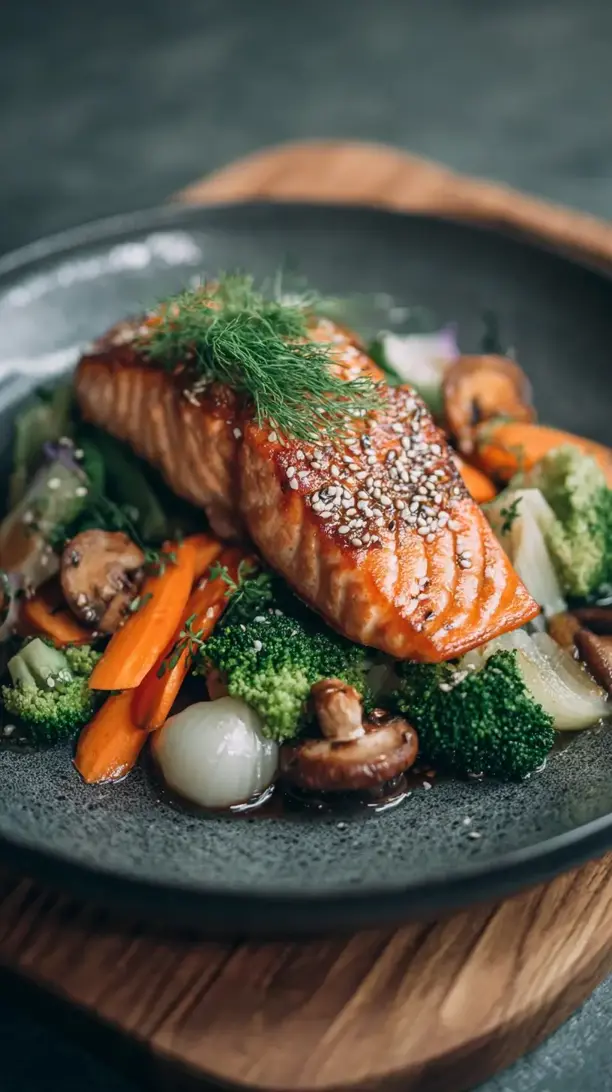
Teriyaki Salmon And Vegetables
Make this easy Teriyaki Salmon and Vegetables in one pan for a healthy, flavorful dinner in 35 minutes. Get the recipe for perfectly glazed salmon and crisp veggies now!
Ingredients
For the main ingredients
-
4 salmon fillets (about 150g each, skin on or off)
-
1 head broccoli (cut into florets)
-
1 red bell pepper (sliced)
-
1 yellow bell pepper (sliced)
-
2 tbsp sesame oil (divided)
-
2 cloves garlic (minced)
-
1 tsp fresh ginger (grated)
-
60 ml soy sauce (or tamari for gluten-free)
-
3 tbsp mirin
-
2 tbsp honey or maple syrup
-
1 tbsp rice vinegar
-
1 tsp cornstarch
-
1 tbsp water
-
sliced spring onions and sesame seeds (to garnish)
Instructions
-
Start by prepping all your ingredients. Cut the broccoli into bite-sized florets and slice the bell peppers. Mince the garlic and grate the ginger. In a small bowl, whisk together the soy sauce, mirin, honey, and rice vinegar. This is your teriyaki base. In a separate tiny bowl, make a slurry by mixing the cornstarch with one tablespoon of water until it’s completely smooth—this will prevent any lumps in your final sauce.01
-
Preheat your oven to 200°C (400°F). Heat one tablespoon of sesame oil in your large, oven-safe skillet over medium-high heat. Once the oil is shimmering, add the broccoli florets. Let them cook for 3-4 minutes, getting a little color on them, before adding the sliced bell peppers. Stir-fry for another 3-4 minutes until the vegetables are crisp-tender. You’ll hear a nice sizzle. Transfer them to a plate and set aside.02
-
Wipe the skillet clean with a paper towel and add the remaining tablespoon of sesame oil. Pat the salmon fillets completely dry and season them lightly with a pinch of salt. Place them in the hot skillet, presentation-side down. Sear for 3-4 minutes without moving them, until a golden-brown crust forms. You should be able to smell the nutty, toasty aroma. Flip the fillets carefully and cook for just 1 minute on the other side. Remove the salmon from the skillet and place it on the plate with the vegetables.03
-
Reduce the heat to medium. Add the minced garlic and grated ginger to the same skillet and sauté for about 30 seconds until incredibly fragrant—be careful not to burn it. Pour in your pre-mixed teriyaki sauce. Let it come to a gentle simmer, then give your cornstarch slurry a quick stir and whisk it into the sauce. It will start to thicken almost immediately into a lovely, glossy glaze.04
-
Return the cooked vegetables and the salmon fillets to the skillet, nestling them into the sauce. Spoon some of the glaze over the top of the salmon. Transfer the entire skillet to the preheated oven and bake for 5-7 minutes, or until the salmon is cooked to your liking and flakes easily with a fork. The sauce will bubble around the edges beautifully.05
-
Carefully remove the hot skillet from the oven—remember the handle will be extremely hot! Let it rest for a couple of minutes. Right before serving, garnish generously with sliced spring onions and a sprinkle of sesame seeds for that final touch of color and texture.06
Not what you're looking for?