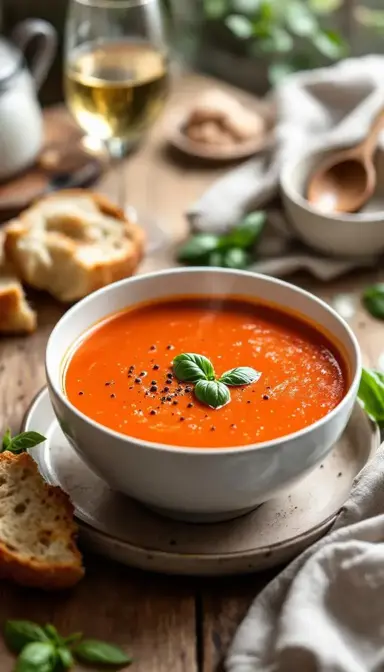
This Thai Curry Noodle Soup is a comforting bowl of creamy coconut broth, tender rice noodles, and vibrant spices. It delivers a perfect balance of spicy, salty, sweet, and sour flavors in under 30 minutes. It’s a restaurant-quality meal that’s surprisingly simple to make at home.
If you're looking for the perfect Thai Curry Noodle Soup, you're in the right place. Whether you love Soup Recipes or want to explore our Chicken Recipes collection, we've got you covered.


Why You’ll Love This Thai Curry Noodle Soup
- Flavor Bomb: Rich coconut, fiery curry, tangy lime, and savory fish sauce create a complex, harmonious broth.
- Incredibly Versatile: Easily adapt with your favorite proteins or leftover vegetables.
- Quick & Simple: Most prep is done upfront, with the soup coming together in minutes.
- Aromatic Therapy: Blooming curry paste fills your kitchen with a soul-warming scent.
Ingredients & Tools
- 1 tbsp coconut or vegetable oil
- 3 tbsp Thai red curry paste
- 1 medium shallot, thinly sliced
- 3 cloves garlic, minced
- 1 tbsp fresh ginger, grated
- 1 (400 ml / 13.5 oz) can full-fat coconut milk
- 4 cups chicken or vegetable broth
- 2 tbsp fish sauce (or soy sauce for a vegetarian version)
- 1 tbsp brown sugar or palm sugar
- 1 tbsp lime juice, plus extra wedges for serving
- 200 g dried flat rice noodles
- 300 g protein of choice (shrimp, chicken breast/thigh, or firm tofu), cut into bite-sized pieces
- 2 cups mixed vegetables (e.g., bell peppers, mushrooms, baby corn, carrots)
- For garnish: fresh cilantro, Thai basil, sliced red chili, bean sprouts
Tools: A large pot or Dutch oven, a medium bowl for soaking noodles.
Notes: Use full-fat coconut milk for a creamy body and a good-quality curry paste for the best flavor.
Nutrition (per serving)
| Calories: | 480 kcal |
| Protein: | 22 g |
| Fat: | 24 g |
| Carbs: | 45 g |
| Fiber: | 3 g |
Serves: 4 | Prep Time: 15 minutes | Cook Time: 20 minutes | Total Time: 35 minutes
Before You Start: Tips & Ingredient Notes
- Choosing Your Curry Paste. This is the flavor foundation of your soup. I really recommend seeking out a Thai brand like Maesri or Mae Ploy for the most authentic, vibrant taste. The spice level can vary between brands, so start with the recommended amount and add more later if you like more heat.
- The Coconut Milk Shake Test. Always give your can of coconut milk a really good shake before opening. This helps to re-integrate the thick cream that often separates and rises to the top, ensuring you get a consistently creamy soup.
- Prep is Everything. This soup cooks fast once you start, so having all your ingredients measured, chopped, and within arm’s reach—what chefs call *mise en place*—makes the process smooth and enjoyable, not frantic.
- Don’t Skip the Garnishes. Honestly, the fresh herbs and crunchy bean sprouts aren’t just a pretty finish. They add crucial layers of texture and bright, fresh flavor that cut through the richness of the broth, making the whole dish sing.
How to Make Thai Curry Noodle Soup
Step 1: Start by preparing your rice noodles. Check the package instructions—some require soaking in hot water, while others just need a quick boil. For this soup, I like to soak them in hot water for about 8-10 minutes until they’re pliable but still quite firm. They’ll finish cooking directly in the broth later. Drain them and set aside. This step prevents the noodles from becoming mushy and starchy in your beautiful soup.
Step 2: Now, let’s build the base of our soup. Heat the coconut oil in your large pot over medium heat. Add the Thai red curry paste and cook for 1-2 minutes, stirring constantly. You’ll notice the color deepen and an incredible fragrant aroma will bloom—this step, called “blooming,” is key to unlocking the paste’s full flavor potential. Be careful not to burn it!
Step 3: Add the sliced shallot, minced garlic, and grated ginger to the pot. Sauté for another minute until the shallots have softened and the mixture is wonderfully fragrant. The trick is to cook them just until they release their scent, which infuses the oil and forms the aromatic backbone of your broth.
Step 4: Time for the coconut milk. Pour in about half the can, reserving the rest for later. Stir well to combine it with the curry paste mixture. Let it simmer gently for 2-3 minutes. You’ll see the oils start to separate slightly from the coconut milk, and the mixture will thicken a bit. This creates an intensely flavorful foundation.
Step 5: Pour in the broth, the remaining coconut milk, fish sauce, and brown sugar. Give it a good stir and bring everything to a gentle boil. The sugar will dissolve, balancing the saltiness of the fish sauce and the heat from the curry. Taste the broth now—it should be a little strong, as the noodles will dilute it slightly.
Step 6: Add your protein and the firmer vegetables (like carrots or bell peppers) to the simmering broth. Cook until the protein is just done—this will take about 5-7 minutes for chicken or shrimp, or just 2-3 minutes to heat tofu through. You don’t want to overcook it here.
Step 7: Now, add the softer vegetables (like mushrooms) and your drained, pre-soaked rice noodles. Let everything simmer for a final 2-3 minutes, just until the noodles are perfectly tender and the veggies are cooked to your liking. The broth will thicken slightly from the noodles.
Step 8: Turn off the heat. This is the most important step for the bright, fresh flavor—stir in the fresh lime juice. Taste and adjust the seasoning. Need more salt? Add a dash more fish sauce. Need more tang? A squeeze more lime. It’s all about balancing it to your preference.
Step 9: Ladle the steaming soup into deep bowls, making sure everyone gets a good mix of noodles, protein, and veggies. Now, the fun part: pile on the fresh garnishes. A generous handful of cilantro, some torn Thai basil, a few slices of red chili for extra fire, and a small mound of crunchy bean sprouts. Serve immediately while it’s piping hot.
Storage & Freshness Guide
- Fridge: Store in an airtight container for up to 3 days; noodles will soften and absorb broth.
- Freezer: Freeze broth (without noodles) for up to 3 months; add fresh noodles when reheating.
- Reviving: Reheat gently with a splash of broth or water to thin; add fresh lime and herbs before serving.
Serving Suggestions
Complementary Dishes
- Fresh Summer Rolls — Their cool, refreshing crunch and delicate rice paper wrapper are the perfect textural contrast to the warm, rich soup. The peanut dipping sauce is a bonus flavor friend.
- Thai Green Papaya Salad — The sharp, spicy, and sour notes of this classic salad cut through the creamy soup beautifully, cleansing the palate between spoonfuls.
- Sticky Rice — A small bowl of steamed sticky rice on the side is fantastic for sopping up the last drops of the incredible broth. It’s a common and comforting pairing in Thailand.
Drinks
- Thai Iced Tea — The sweet, creamy, and spiced notes of this vibrant orange drink are a classic partner for spicy Thai food, helping to cool the palate.
- A Crisp Lager — A light, clean lager or pilsner works wonders. Its carbonation and slight bitterness refresh your taste buds, making each bite of the soup taste new again.
- Sparkling Water with Lime — Sometimes simplicity is best. The bubbles and citrus are a no-fuss, incredibly effective way to reset your palate against the soup’s richness and spice.
Something Sweet
- Mango with Sticky Rice — It’s the quintessential Thai dessert for a reason. The sweet, ripe mango and creamy coconut-soaked sticky rice are a dreamy, cooling finish after a spicy meal.
- Coconut Ice Cream — A simple scoop of high-quality coconut ice cream is a quick and delightful way to end the meal. Its cool creaminess is the perfect antidote to any lingering heat.
- Lychees Chilled in Their Syrup — Light, floral, and refreshing, a bowl of cold lychees provides a sweet, juicy burst that feels clean and satisfying without being heavy.
Top Mistakes to Avoid
- Mistake: Overcooking the Noodles in the Soup. If you add dry noodles directly to the broth, they’ll release too much starch and turn the soup gloopy. They’ll also overcook and become mushy. Pre-soaking is the key to perfect, separate noodles.
- Mistake: Adding the Lime Juice Too Early. The fresh, bright acidity of lime juice is volatile. If you add it at the beginning and let it boil, it will cook out and lose its vibrant punch. Always stir it in right at the end, off the heat.
- Mistake: Not Tasting and Adjusting at the End. The balance of salty (fish sauce), sweet (sugar), sour (lime), and spicy (curry) is personal. The soup *needs* that final taste test and adjustment to truly shine. Don’t skip this!
- Mistake: Crowding the Pot with Protein. If you add too much chicken or shrimp at once, the pot’s temperature will drop, and the protein will stew instead of simmer, potentially becoming tough. Cook in batches if you’re doubling the recipe.
Expert Tips
- Tip: Make a Double Batch of Broth. The soup broth freezes beautifully. Make a big pot, portion it out, and freeze it. On a busy night, just defrost, simmer, and add fresh noodles and veggies for an instant gourmet meal.
- Tip: Create a Flavor Bar for Leftovers. Leftover soup can thicken in the fridge. When reheating, thin it with a splash of broth or water. Set out extra lime wedges, herbs, and chili sauce so everyone can customize their bowl and make it taste fresh-made.
- Tip: Infuse Your Oil for an Extra Layer. For a next-level aroma, gently heat the coconut oil with a stalk of lemongrass (bruised) and a few makrut lime leaves for 5 minutes before removing them and starting with the curry paste. It adds a incredible depth of fragrance.
- Tip: Toast Your Curry Paste. For an even deeper, more complex flavor, try spreading your portion of curry paste on a dry skillet and toasting it for a minute over medium heat before adding it to the oil in the pot. It intensifies the flavors wonderfully.
FAQs
Can I make this soup vegetarian or vegan?
Absolutely! It’s an easy swap. Use vegetable broth instead of chicken broth, and substitute the fish sauce with an equal amount of soy sauce or vegan fish sauce. For protein, firm tofu or tempeh are fantastic options. Just pan-fry the tofu until golden before adding it to the soup for the best texture. All the other flavors remain just as vibrant and delicious.
My soup isn’t spicy enough. How can I fix it?
No problem! The easiest fix is to stir in an extra tablespoon of the red curry paste. If you’ve already added the liquids, just scoop a ladleful of broth into a small bowl, whisk in the extra paste until dissolved, and then pour it back into the main pot. You can also add a sprinkle of crushed red pepper flakes or a drizzle of Sriracha or Sambal Oelek at the table for instant, customizable heat.
Can I use a different type of noodle?
Of course! While flat rice noodles are classic, this soup is very forgiving. You can use ramen noodles, udon, or even soba noodles for a different twist. Just be mindful of the cooking times on the package and adjust when you add them to the broth accordingly. For wheat-based noodles, you might want to cook them separately and add them to the bowl to keep the broth clear.
How long do leftovers last in the fridge?
Stored in an airtight container, the soup will keep for up to 3 days. Be aware that the noodles will continue to absorb the broth, so it will become much thicker. When reheating, you’ll likely need to add a splash of water or broth to thin it out to your desired consistency. The texture of the noodles will be softer, but the flavor will still be great.
What’s the best way to reheat this soup?
Gently on the stovetop is always best. Pour the soup into a pot, add a little extra broth or water to account for the absorbed liquid, and heat over medium-low, stirring occasionally, until it’s steaming hot. Avoid a rolling boil, as this can make the noodles too soft. Microwaving is okay in a pinch, but it can heat unevenly and may further soften the noodles.



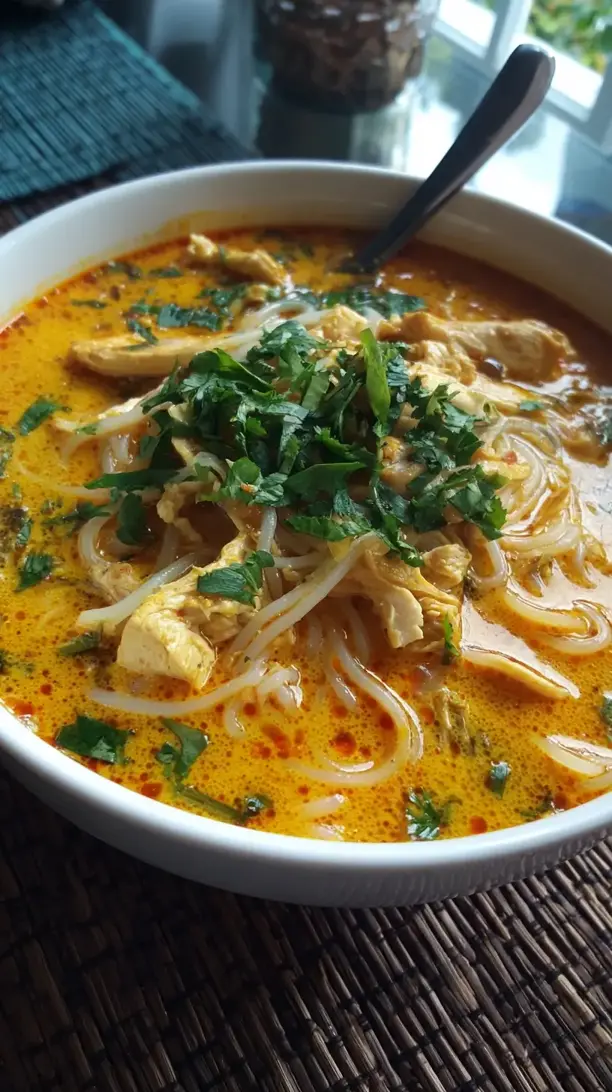
Thai Curry Noodle Soup
Make this easy Thai Curry Noodle Soup in under 30 minutes! A creamy coconut broth with rice noodles and bold spices. Get the simple recipe now!
Ingredients
For the Ingredients & Tools
-
1 tbsp coconut or vegetable oil
-
3 tbsp Thai red curry paste
-
1 medium shallot (thinly sliced)
-
3 cloves garlic (minced)
-
1 tbsp fresh ginger (grated)
-
1 can full-fat coconut milk (400 ml / 13.5 oz)
-
4 cups chicken or vegetable broth
-
2 tbsp fish sauce (or soy sauce for a vegetarian version)
-
1 tbsp brown sugar or palm sugar
-
1 tbsp lime juice (plus extra wedges for serving)
-
200 g dried flat rice noodles
-
300 g protein of choice (shrimp, chicken breast/thigh, or firm tofu, cut into bite-sized pieces)
-
2 cups mixed vegetables (e.g., bell peppers, mushrooms, baby corn, carrots)
-
For garnish (fresh cilantro, Thai basil, sliced red chili, bean sprouts)
Instructions
-
Soak rice noodles in hot water 8–10 min until pliable but still firm. Drain and set aside.01
-
Heat coconut oil over medium. Add Thai red curry paste and cook 1–2 min, stirring, to bloom (do not burn).02
-
Add shallot, garlic, and ginger; sauté ~1 min until fragrant and softened.03
-
Stir in half the coconut milk; simmer 2–3 min until slightly thickened and oils begin to separate.04
-
Add broth, remaining coconut milk, fish sauce, and brown sugar. Bring to a gentle boil; taste (should be slightly strong).05
-
Add protein and firm veg (e.g., carrots, bell peppers). Simmer until protein is just cooked (5–7 min for chicken/shrimp; 2–3 min to warm tofu).06
-
Add softer veg (e.g., mushrooms) and the soaked noodles. Simmer 2–3 min until noodles are tender and veg cooked.07
-
Turn off heat; stir in fresh lime juice. Adjust with more fish sauce (salt) or lime (tang) to taste.08
-
Ladle into bowls and garnish with cilantro, Thai basil, sliced red chili, and bean sprouts. Serve hot.09
Not what you're looking for?