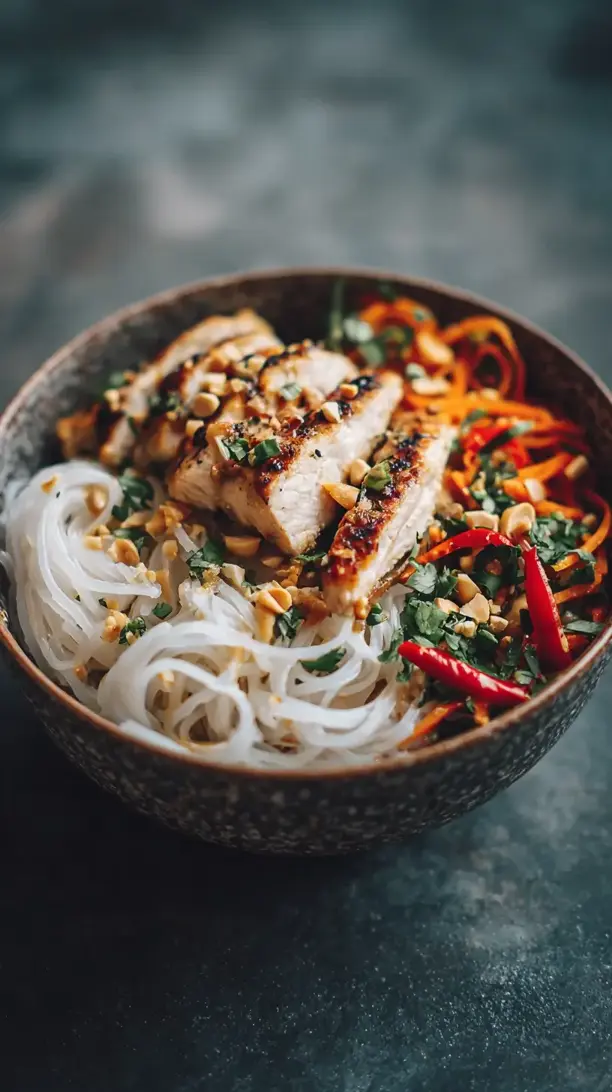
These Thai Peanut Noodle Bowls deliver a perfect balance of creamy, savory, sweet, and spicy flavors in under 30 minutes. The magic is in the simple, whisk-together peanut sauce that coats low carb noodles and crisp veggies for a satisfying meal. It’s a vibrant, homemade alternative to takeout that’s incredibly versatile and full of texture.
Looking for Thai Peanut Noodle Bowls inspiration? You'll love what we have! Explore more Dinner Ideas recipes or discover our Dessert Recipes favorites.


Why You’ll Love This Thai Peanut Noodle Bowls
- Versatile & Customizable: Swap veggies or protein based on what you have.
- Quick Sauce: Whisk together in minutes with no cooking required.
- Takeout-Level Flavor: Creamy, peanut-y, and tangy with controlled ingredients.
- Textural Party: Chewy noodles, crisp veggies, and creamy sauce in every bite.
Ingredients & Tools
- 200 g shirataki noodles or palmini noodles, rinsed and drained well
- 1 large chicken breast, thinly sliced (or 150g firm tofu, cubed)
- 1 tbsp avocado oil or coconut oil
- 1 red bell pepper, thinly sliced
- 1 medium carrot, julienned or spiralized
- 2 spring onions, sliced
- 1/4 cup creamy, natural peanut butter (no added sugar)
- 2 tbsp coconut aminos (or tamari for gluten-free)
- 1 tbsp rice vinegar
- 1 tbsp fresh lime juice
- 1 tsp sesame oil
- 1 clove garlic, minced
- 1 tsp freshly grated ginger
- 1-2 tsp sriracha or chili garlic sauce (adjust to taste)
- 2-3 tbsp warm water, to thin the sauce
- For garnish: fresh cilantro, chopped peanuts, lime wedges, sesame seeds
Tools: A large skillet or wok, a medium mixing bowl or jar, a whisk, and a set of measuring spoons.
Notes: Use natural peanut butter with just peanuts and salt for the cleanest flavor. Fresh ginger and garlic are essential for an authentic kick.
Nutrition (per serving)
| Calories: | 385 kcal |
| Protein: | 28 g |
| Fat: | 24 g |
| Carbs: | 12 g |
| Fiber: | 5 g |
Serves: 2 | Prep Time: 15 minutes | Cook Time: 10 minutes | Total Time: 25 minutes
Before You Start: Tips & Ingredient Notes
- Prep your low carb noodles properly. If you’re using shirataki noodles, rinsing them thoroughly under cold water for a minute or two is non-negotiable. I like to give them a quick pan-fry without any oil afterwards to dry them out—this helps them absorb the sauce beautifully and improves their texture immensely.
- Don’t be shy with the garnishes. The fresh cilantro, crushed peanuts, and extra lime wedges aren’t just for looks. They add crucial bursts of freshness, crunch, and acidity that lift the entire dish and balance the richness of the peanut sauce.
- Taste and adjust your sauce. The beauty of this recipe is its flexibility. Before you toss it with the noodles, give the sauce a taste. Want it saltier? Add a dash more coconut aminos. Need more tang? Squeeze in more lime. It’s all about making it perfect for your palate.
- Have your veggies prepped and ready to go. This dish comes together very quickly once you start cooking, so having your peppers sliced, carrots julienned, and spring onions chopped beforehand makes the process seamless and stress-free.
How to Make Thai Peanut Noodle Bowls
Step 1: Prepare Your Noodles and Protein. Start by thoroughly rinsing your shirataki or palmini noodles under cold running water for a good minute or two. This step is key to removing any lingering aroma. Pat them dry with a paper towel. For an even better texture, heat a dry skillet over medium-high heat and toss the noodles in it for 2-3 minutes, until they look drier and make a slight squeaking sound. Set them aside. If you’re using chicken, slice it thinly against the grain. For tofu, press out excess moisture and cube it.
Step 2: Make the Magical Peanut Sauce. In a medium bowl, combine the natural peanut butter, coconut aminos, rice vinegar, fresh lime juice, sesame oil, minced garlic, grated ginger, and your chosen amount of sriracha. Whisk everything together vigorously. It might look a bit separated or thick at first, but keep whisking—it will come together. Slowly stream in the warm water, one tablespoon at a time, while whisking, until you reach a smooth, pourable consistency. The sauce should coat the back of a spoon nicely. Set this flavor powerhouse aside.
Step 3: Cook Your Protein and Veggies. Heat the avocado or coconut oil in your large skillet or wok over medium-high heat. Add your chicken or tofu and cook until golden and cooked through (about 4-5 minutes for chicken, 5-6 minutes for tofu). Remove the protein from the skillet and set it on a plate. In the same skillet, add the sliced bell pepper and julienned carrot. Sauté for just 2-3 minutes—you want them to be tender-crisp, not mushy. They should still have a nice bite and bright color.
Step 4: Bring It All Together. Return the cooked protein to the skillet with the veggies. Add your prepared, dry noodles. Now, pour that gorgeous peanut sauce over everything. Reduce the heat to low and toss everything together gently but thoroughly, making sure the sauce coats every strand of noodle and every piece of veggie and protein. Heat it through for just a minute or two until everything is warm and beautifully glazed. You’ll notice the aroma is absolutely intoxicating at this point.
Step 5: Garnish and Serve Immediately. Divide the noodle mixture between two bowls. Now, for the finishing touches that make it a restaurant-quality dish: scatter over the sliced spring onions, a generous handful of fresh cilantro, and a sprinkle of chopped peanuts and sesame seeds. Don’t forget to add a lime wedge or two on the side for that final, bright squeeze over the top right before you dig in.
Storage & Freshness Guide
- Fridge: Store components separately in airtight containers for up to 2 days.
- Freezer: Not recommended; noodles and veggies become watery upon thawing.
- Reviving: Let sauce come to room temperature and thin with warm water if needed.
Serving Suggestions
Complementary Dishes
- A simple cucumber salad — The cool, crisp freshness of thinly sliced cucumbers with a splash of rice vinegar provides a perfect, palate-cleansing contrast to the rich, creamy noodles.
- Quick-pickled radishes or red onion — Their sharp, vinegary tang cuts through the richness of the peanut sauce beautifully and adds another layer of vibrant color and crunch to your meal.
- Steamed or roasted broccoli — An easy, hearty side that soaks up any extra sauce in the bottom of the bowl, making for a very satisfying and complete low carb plate.
Drinks
- Iced green tea with a sprig of mint — Its clean, slightly bitter notes are a fantastic way to cleanse the palate between bites of the savory, rich peanut sauce, making each mouthful taste fresh and new.
- A crisp, dry Riesling or a Sauvignon Blanc — If you enjoy a glass of wine, the bright acidity and citrus notes in these wines mirror the lime in the dish and balance the spice and creaminess wonderfully.
- Sparkling water with a lime wedge — Sometimes the simplest option is the best; the bubbles and citrus are incredibly refreshing and help reset your taste buds, especially if you’ve dialed up the heat.
Something Sweet
- A few fresh raspberries or strawberries — Their natural sweetness and slight tartness are a lovely, light way to finish the meal without feeling overly heavy or undoing your low carb efforts.
- A square of dark chocolate (85% cocoa or higher) — The bitter, rich notes of dark chocolate are a sophisticated end to the meal and satisfy that craving for something sweet after the savory and spicy main event.
- A small scoop of coconut milk ice cream — The creamy, faintly sweet flavor of coconut is a natural pairing with the Thai-inspired flavors of the noodle bowl and feels like a real treat.
Top Mistakes to Avoid
- Mistake: Not rinsing and drying the shirataki noodles. Skipping this step can leave you with a slightly fishy odor and a slimy texture that just won’t absorb the sauce properly. I’ve messed this up before too, and it makes a world of difference.
- Mistake: Using peanut butter with added sugar or hydrogenated oils. This can throw off the savory balance of the sauce, making it overly sweet or giving it an artificial taste. Stick to the natural stuff for the best, pure peanut flavor.
- Mistake: Overcooking the vegetables. You want that delightful crunch in your bell peppers and carrots. If you cook them until they’re soft and limp, you lose the wonderful textural contrast that makes this bowl so enjoyable.
- Mistake: Adding the sauce to a screaming hot pan. If the skillet is too hot when you add the sauce, the delicate ingredients like garlic and ginger can burn quickly, creating a bitter flavor. Always reduce the heat to low before you toss everything together.
Expert Tips
- Tip: Make a double batch of the sauce. This peanut sauce is so good you’ll want to put it on everything. Whip up an extra portion and store it in a jar in the fridge for up to a week. It’s amazing as a salad dressing, a dip for fresh spring rolls, or a marinade for chicken.
- Tip: Toast your sesame seeds and peanuts. Taking an extra minute to toast the sesame seeds and chopped peanuts in a dry pan until fragrant before garnishing will amplify their nutty flavor and add an incredible depth to the final dish.
- Tip: Let the sauce sit for 10 minutes. If you have the time, let the finished sauce sit at room temperature for a bit before using it. This allows the flavors to meld and deepen, resulting in an even more complex and harmonious sauce.
- Tip: Use a microplane for the ginger and garlic. Instead of mincing, grating the garlic and ginger on a microplane creates a fine paste that incorporates seamlessly into the sauce, ensuring you get their flavor in every single bite without any chunky bits.
FAQs
Can I make this dish ahead of time?
You can absolutely prep the components ahead of time! Store the rinsed/dried noodles, chopped veggies, cooked protein, and sauce separately in airtight containers in the fridge for up to 2 days. The sauce may thicken when chilled, so just let it come to room temperature and whisk in a tiny bit of warm water to loosen it up before assembling and serving. I wouldn’t recommend mixing everything together until you’re ready to eat, as the noodles can become a bit soft.
What can I use instead of peanut butter?
If you have a peanut allergy or just want to switch things up, almond butter or sunflower seed butter are fantastic substitutes. They’ll give you a slightly different but equally delicious nutty flavor profile. Tahini (sesame seed paste) can also work, though it will make the sauce more savory and less sweet, so you might want to add a tiny pinch of a low carb sweetener to balance it.
My sauce is too thick! How can I thin it out?
No worries, this happens all the time! The easiest fix is to simply whisk in more warm water, a tablespoon at a time, until it reaches your desired consistency. You could also use a little more lime juice or even some light coconut milk for extra creaminess. The goal is a sauce that coats the noodles nicely but isn’t pasty.
Is this recipe spicy?
It has the potential for a gentle kick, but you are in complete control of the heat level. The recipe as written with 1-2 teaspoons of sriracha gives a mild to medium warmth. If you’re sensitive to spice, start with just half a teaspoon or even omit it entirely. If you love heat, feel free to add more sriracha, a dash of cayenne pepper, or even some finely chopped fresh red chili.
Can I use a different protein?
Absolutely. This recipe is a fantastic canvas for protein. Thinly sliced steak, shrimp, or even ground pork would be delicious. For a plant-based version, crispy baked tofu or tempeh are excellent choices. Just adjust the cooking time accordingly based on what you choose—shrimp will cook in just 2-3 minutes, for example.


Thai Peanut Noodle Bowls
Make delicious Thai Peanut Noodle Bowls in under 30 minutes! This easy recipe features a creamy homemade sauce, crisp veggies, and your choice of protein. Get the recipe now!
Ingredients
For the Noodles & Protein:
-
200 g shirataki noodles or palmini noodles (rinsed and drained well)
-
1 large chicken breast (thinly sliced (or 150g firm tofu, cubed))
-
1 tbsp avocado oil or coconut oil
For the Vegetables:
-
1 red bell pepper (thinly sliced)
-
1 medium carrot (julienned or spiralized)
-
2 spring onions (sliced)
For the Peanut Sauce:
-
1/4 cup creamy, natural peanut butter (no added sugar)
-
2 tbsp coconut aminos (or tamari for gluten-free)
-
1 tbsp rice vinegar
-
1 tbsp fresh lime juice
-
1 tsp sesame oil
-
1 clove garlic (minced)
-
1 tsp freshly grated ginger
-
1-2 tsp sriracha or chili garlic sauce (adjust to taste)
-
2-3 tbsp warm water (to thin the sauce)
For garnish:
-
fresh cilantro (chopped)
-
peanuts (chopped)
-
lime wedges
-
sesame seeds
Instructions
-
Start by thoroughly rinsing your shirataki or palmini noodles under cold running water for a good minute or two. Pat them dry with a paper towel. For an even better texture, heat a dry skillet over medium-high heat and toss the noodles in it for 2-3 minutes, until they look drier and make a slight squeaking sound. Set them aside. If you're using chicken, slice it thinly against the grain. For tofu, press out excess moisture and cube it.01
-
In a medium bowl, combine the natural peanut butter, coconut aminos, rice vinegar, fresh lime juice, sesame oil, minced garlic, grated ginger, and your chosen amount of sriracha. Whisk everything together vigorously. Slowly stream in the warm water, one tablespoon at a time, while whisking, until you reach a smooth, pourable consistency. The sauce should coat the back of a spoon nicely. Set this flavor powerhouse aside.02
-
Heat the avocado or coconut oil in your large skillet or wok over medium-high heat. Add your chicken or tofu and cook until golden and cooked through (about 4-5 minutes for chicken, 5-6 minutes for tofu). Remove the protein from the skillet and set it on a plate. In the same skillet, add the sliced bell pepper and julienned carrot. Sauté for just 2-3 minutes—you want them to be tender-crisp, not mushy.03
-
Return the cooked protein to the skillet with the veggies. Add your prepared, dry noodles. Now, pour that gorgeous peanut sauce over everything. Reduce the heat to low and toss everything together gently but thoroughly, making sure the sauce coats every strand of noodle and every piece of veggie and protein. Heat it through for just a minute or two until everything is warm and beautifully glazed.04
-
Divide the noodle mixture between two bowls. Now, for the finishing touches that make it a restaurant-quality dish: scatter over the sliced spring onions, a generous handful of fresh cilantro, and a sprinkle of chopped peanuts and sesame seeds. Don’t forget to add a lime wedge or two on the side for that final, bright squeeze over the top right before you dig in.05
Not what you're looking for?