Thai Peanut Noodles deliver a perfect balance of creamy, salty, sweet, and spicy flavors in under 30 minutes. This versatile dish is a crowd-pleaser for busy weeknights, meal prep, or potlucks. The magic lies in the silky, aromatic peanut sauce that coats every noodle.
Looking for Thai Peanut Noodles inspiration? You'll love what we have! Explore more Dinner Ideas recipes or discover our Appetizer Recipes favorites.



Why You’ll Love This Thai Peanut Noodles
- Fast & flexible: Ready in under 30 minutes and adaptable with your favorite veggies.
- Magic sauce: A balanced blend of creamy, salty, sweet, and tangy flavors.
- Crowd-pleaser: Naturally vegetarian and easily made vegan or gluten-free.
- Dreamy textures: Chewy noodles, crunchy veggies, and creamy sauce in every bite.
Ingredients & Tools
- 225 g dried rice noodles (or linguine if that’s what you have)
- 120 g smooth, natural peanut butter
- 3 tbsp soy sauce (or tamari for gluten-free)
- 2 tbsp rice vinegar
- 2 tbsp honey or maple syrup
- 1 tbsp fresh lime juice
- 1 tbsp toasted sesame oil
- 2 tsp Sriracha or chili-garlic sauce (adjust to taste)
- 2 cloves garlic, minced
- 1 tsp fresh ginger, grated
- 60-120 ml warm water (for thinning the sauce)
- For garnish: chopped roasted peanuts, sliced scallions, fresh cilantro, lime wedges
- Optional add-ins: shredded carrots, thinly sliced bell pepper, edamame, baked tofu
Tools: A large pot for boiling noodles, a medium mixing bowl, a whisk, a microplane or fine grater for the ginger and garlic.
Notes: Use natural peanut butter with just peanuts (and salt). Fresh ginger and garlic are essential for authentic flavor.
Nutrition (per serving)
| Calories: | 485 kcal |
| Protein: | 15 g |
| Fat: | 20 g |
| Carbs: | 65 g |
| Fiber: | 4 g |
Serves: 4 | Prep Time: 15 mins | Cook Time: 10 mins | Total Time: 25 mins
Before You Start: Tips & Ingredient Notes
- Get your mise en place ready. This recipe comes together quickly once you start, so having your garlic minced, ginger grated, and sauce ingredients measured out will make the process smooth and enjoyable.
- Don’t skip toasting the peanuts for the garnish. If you have raw peanuts, give them a quick toast in a dry pan until fragrant. It amplifies their nutty flavor and adds a crucial textural element that takes the dish to another level.
- Understand your noodle type. Rice noodles just need a soak in hot water, while wheat-based noodles like linguine need a rolling boil. Check your package instructions to avoid overcooked, mushy noodles — a tragedy we can easily avoid!
- Taste your peanut butter first. If it’s unsalted, you might want to add an extra pinch of salt to the sauce. If it’s sweetened, you could potentially reduce the honey a touch. Knowing your base ingredient helps you balance the final flavor perfectly.
How to Make Thai Peanut Noodles
Step 1: First, let’s tackle the noodles. Bring a large pot of salted water to a boil. If you’re using rice noodles, you can often just pour boiling water over them in a heatproof bowl and let them soak according to the package directions — usually about 8-10 minutes. For wheat noodles, cook them in the boiling water until al dente. Once they’re done, drain them and rinse briefly with cool water to stop the cooking process. Toss them with a tiny bit of neutral oil to prevent sticking while you make the sauce.
Step 2: Now, for the heart of the dish: the sauce. In your mixing bowl, combine the peanut butter, soy sauce, rice vinegar, honey, lime juice, sesame oil, and Sriracha. Whisk it all together — it might look a bit separated and thick at first, but that’s normal. Then, whisk in the minced garlic and grated ginger. You’ll notice the aroma instantly becomes more complex and fragrant.
Step 3: The trick to a silky, pourable sauce is the warm water. Start by whisking in about 60 ml (1/4 cup). You’re aiming for a consistency that’s similar to heavy cream — it should coat the back of a spoon nicely. If it’s still too thick, add more water a tablespoon at a time until it’s perfect. Give it a taste! This is your moment to adjust. Want more tang? Add a splash more lime or vinegar. More heat? Another squirt of Sriracha. More salt? A dash more soy sauce. Make it yours.
Step 4: Combine everything. Add your drained noodles to a large serving bowl. If you’re using any crunchy raw vegetables like shredded carrots or sliced bell peppers, add them now. Pour the glorious peanut sauce over the top. Using a pair of tongs or two large forks, toss everything together until every single noodle is thoroughly coated in that creamy, speckled sauce. You’ll see the sauce cling to the noodles beautifully.
Step 5: Garnish and serve immediately. Scatter a generous handful of chopped toasted peanuts over the top for crunch, followed by a flurry of sliced scallions and fresh cilantro leaves. Don’t forget those lime wedges on the side for that final, bright squeeze right before eating. The dish is best enjoyed fresh, while the noodles are still slightly warm and the garnishes are vibrant.
Storage & Freshness Guide
- Fridge: Store noodles and sauce separately for up to 4 days. Sauce may thicken when chilled.
- Freezer: Not recommended—noodles become mushy upon thawing.
- Reviving: Let sauce come to room temp; whisk in warm water or lime juice to loosen.
Serving Suggestions
Complementary Dishes
- Fresh Vietnamese Summer Rolls — Their cool, refreshing, and herb-packed profile provides a lovely contrast to the rich, creamy noodles, making the meal feel lighter and more complete.
- A Simple Cucumber Salad — Just sliced cucumbers tossed with a little rice vinegar, sugar, and salt. The crisp, acidic crunch cuts through the richness of the peanut sauce perfectly.
- Grilled Satay Skewers — Whether with chicken, tofu, or tempeh, the charred, smoky flavor of satay is a classic and delicious partner for these noodles.
Drinks
- A Crisp Lager or Pale Ale — The carbonation and slight bitterness of a cold beer help cleanse the palate between bites of the rich, peanutty noodles.
- Lemongrass Ginger Iced Tea — The citrusy, spicy notes in this caffeine-free drink echo the flavors in the dish without overpowering them, creating a harmonious sip.
- A slightly off-dry Riesling — The touch of sweetness and high acidity in the wine balances the spice and saltiness of the dish beautifully.
Something Sweet
- Mango with Sticky Rice — It’s the quintessential Thai dessert. The sweet, creamy coconut rice and ripe, juicy mango are a heavenly follow-up to the savory, nutty noodles.
- Coconut Ice Cream — A simple scoop of rich, creamy coconut ice cream is a effortless way to end the meal on a cool, sweet note.
- Pineapple Fritters — Warm, crispy, sweet, and tangy — these are a fun, decadent treat that continues the tropical theme.
Top Mistakes to Avoid
- Overcooking the noodles. Mushy noodles will ruin the texture of the whole dish. They should be tender but still have a slight chew (al dente for wheat noodles). Remember, they’ll soften a bit more when mixed with the sauce.
- Using a thick, sugary commercial peanut butter. These often contain stabilizers and hydrogenated oils that can make your sauce gloppy and overly sweet. Natural peanut butter gives you a much cleaner, nuttier flavor and a smoother consistency.
- Not thinning the sauce enough. A thick, pasty sauce will just sit on top of the noodles instead of coating them. The warm water is crucial for achieving that silky, clingy texture that makes every bite perfect.
- Skipping the taste-and-adjust step. Palates and ingredient brands vary wildly. Tasting your sauce before you toss it with the noodles is your single most important step to ensure a perfectly balanced dish.
Expert Tips
- Tip: For a super-restaurant-style smooth sauce, blend it. If you have a small blender or food processor, throw all the sauce ingredients (including the garlic and ginger) in and blitz until completely smooth. This emulsifies it perfectly and mellows the raw edge of the garlic.
- Tip: Make it a main course with protein. For a more substantial meal, stir in some shredded rotisserie chicken, pan-seared shrimp, or cubed baked tofu right when you toss the noodles with the sauce. It all gets coated in that delicious peanut goodness.
- Tip: Add a secret umami boost. A tiny spoonful of white or red miso paste whisked into the sauce adds an incredible depth of savory flavor that will have people wondering what your secret is.
- Tip: Prep it for lunches. This dish is fantastic for meal prep. Just keep the sauce separate from the noodles until you’re ready to eat to prevent them from absorbing all the moisture and becoming soggy. It will keep for up to 4 days in the fridge.
FAQs
Can I make this dish ahead of time?
Absolutely, and it’s great for meal prep! The key is to store the sauce and the cooked (and cooled) noodles separately in airtight containers in the fridge. The sauce might thicken when chilled, so just let it come to room temperature and whisk in a little warm water or lime juice to loosen it up before tossing it with the noodles. This method keeps the noodles from getting mushy and ensures a perfect texture when you’re ready to eat.
My sauce is too thick/thin. How can I fix it?
Don’t worry, this is an easy fix! If it’s too thick, just gradually whisk in more warm water, a tablespoon at a time, until it reaches a creamy, pourable consistency. If it’s too thin, you have a couple of options: let it sit for a few minutes to allow the peanut butter to absorb the liquid, or whisk in another small spoonful of peanut butter to thicken it up. It’s very forgiving.
What’s a good substitute for peanut butter if I have an allergy?
You can easily make a delicious nut-free version. Sunflower seed butter is the best direct substitute and will give you a similar color and creamy texture. Tahini (sesame seed paste) also works wonderfully, though it will have a more savory, earthy flavor profile. Just be sure to taste and adjust the seasoning, as you may need a touch more sweetener to balance tahini’s bitterness.
Is this recipe gluten-free and/or vegan?
It can be, very easily! For gluten-free, simply use certified gluten-free tamari instead of soy sauce and ensure your noodles are rice-based or another GF variety. For vegan, just swap the honey for maple syrup or agave nectar. Always double-check your specific brands of Sriracha and other condiments to be sure they meet your dietary needs.
Can I serve this hot or cold?
You really can, and it’s fantastic both ways! I prefer it at room temperature or slightly warm, right after making it. But it also makes a brilliant cold noodle salad for picnics or packed lunches. If serving cold, you might want to add a tiny extra splash of lime juice or vinegar to brighten it up again after its time in the fridge.


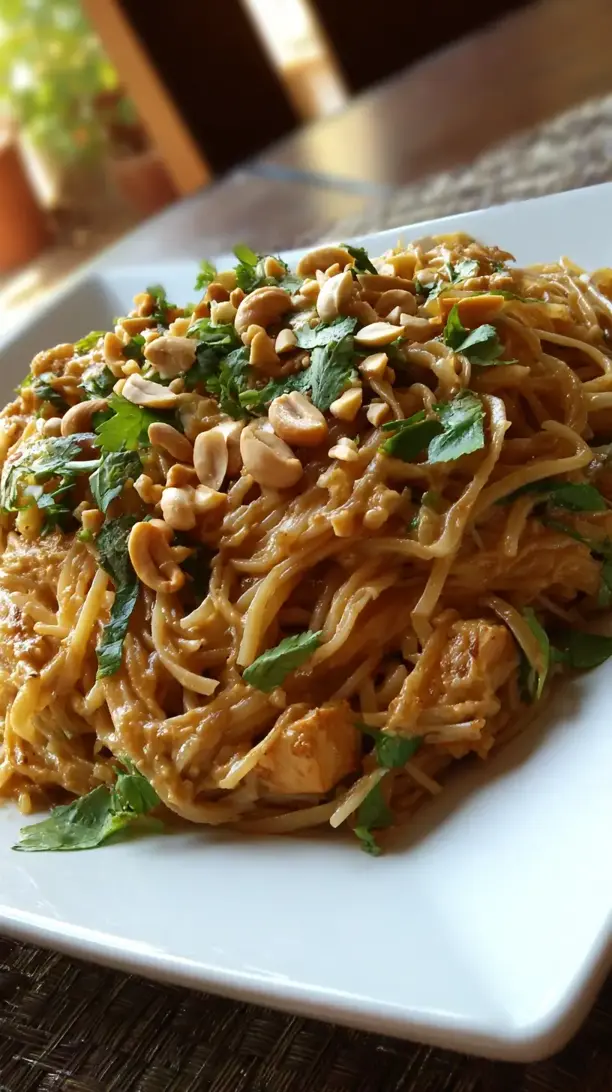
Thai Peanut Noodles
Make the best Thai Peanut Noodles in just 25 minutes! This easy recipe features a creamy, flavorful sauce and is perfect for weeknights. Get the full recipe now!
Ingredients
For the main ingredients:
-
225 g dried rice noodles (or linguine if that's what you have)
-
120 g smooth, natural peanut butter
-
3 tbsp soy sauce (or tamari for gluten-free)
-
2 tbsp rice vinegar
-
2 tbsp honey or maple syrup
-
1 tbsp fresh lime juice
-
1 tbsp toasted sesame oil
-
2 tsp Sriracha or chili-garlic sauce (adjust to taste)
-
2 cloves garlic (minced)
-
1 tsp fresh ginger (grated)
-
60-120 ml warm water (for thinning the sauce)
For garnish:
-
chopped roasted peanuts
-
sliced scallions
-
fresh cilantro
-
lime wedges
For optional add-ins:
-
shredded carrots
-
thinly sliced bell pepper
-
edamame
-
baked tofu
Instructions
-
First, let's tackle the noodles. Bring a large pot of salted water to a boil. If you're using rice noodles, you can often just pour boiling water over them in a heatproof bowl and let them soak according to the package directions — usually about 8-10 minutes. For wheat noodles, cook them in the boiling water until al dente. Once they're done, drain them and rinse briefly with cool water to stop the cooking process. Toss them with a tiny bit of neutral oil to prevent sticking while you make the sauce.01
-
Now, for the heart of the dish: the sauce. In your mixing bowl, combine the peanut butter, soy sauce, rice vinegar, honey, lime juice, sesame oil, and Sriracha. Whisk it all together — it might look a bit separated and thick at first, but that's normal. Then, whisk in the minced garlic and grated ginger. You'll notice the aroma instantly becomes more complex and fragrant.02
-
The trick to a silky, pourable sauce is the warm water. Start by whisking in about 60 ml (1/4 cup). You're aiming for a consistency that's similar to heavy cream — it should coat the back of a spoon nicely. If it's still too thick, add more water a tablespoon at a time until it's perfect. Give it a taste! This is your moment to adjust. Want more tang? Add a splash more lime or vinegar. More heat? Another squirt of Sriracha. More salt? A dash more soy sauce. Make it yours.03
-
Combine everything. Add your drained noodles to a large serving bowl. If you're using any crunchy raw vegetables like shredded carrots or sliced bell peppers, add them now. Pour the glorious peanut sauce over the top. Using a pair of tongs or two large forks, toss everything together until every single noodle is thoroughly coated in that creamy, speckled sauce. You'll see the sauce cling to the noodles beautifully.04
-
Garnish and serve immediately. Scatter a generous handful of chopped toasted peanuts over the top for crunch, followed by a flurry of sliced scallions and fresh cilantro leaves. Don't forget those lime wedges on the side for that final, bright squeeze right before eating. The dish is best enjoyed fresh, while the noodles are still slightly warm and the garnishes are vibrant.05
Not what you're looking for?