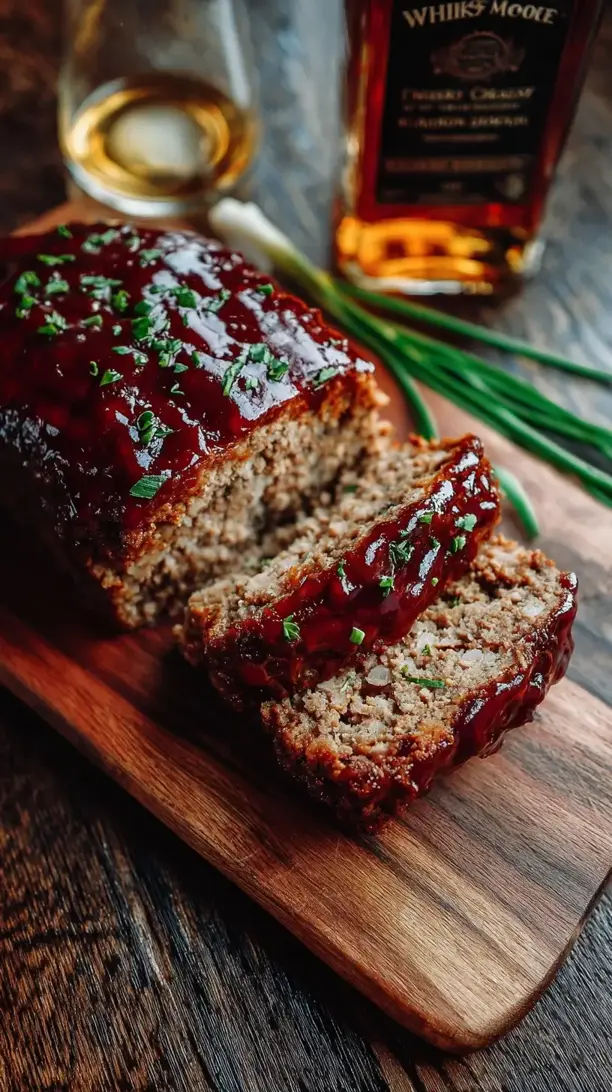
This Thyme and Sage Meatloaf delivers incredible comfort with a fragrant, herby twist. Fresh thyme and sage create an aromatic, savory depth that makes this dish truly special. It’s juicy, tender, and perfect for weeknight dinners or meal prep.
Looking for Thyme and Sage Meatloaf inspiration? You'll love what we have! Explore more Meatloaf Recipes recipes or discover our Crockpot Recipes favorites.

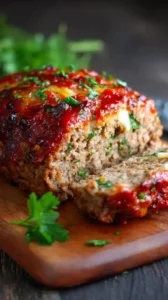
Why You’ll Love This Thyme and Sage Meatloaf
- Herb-infused flavor: Fresh thyme and sage provide a fragrant, earthy depth.
- Moist and tender: Simple tricks ensure a juicy interior with a caramelized crust.
- Meal prep superstar: Easy to make ahead for dinners or quick lunches.
- Comfort with flair: Humble enough for family, impressive enough for guests.
Ingredients & Tools
- 1 kg ground beef (80/20 blend works best)
- 1 large yellow onion, finely diced
- 2 cloves garlic, minced
- 2 large eggs
- 100 g breadcrumbs (plain, not seasoned)
- 120 ml whole milk
- 2 tbsp fresh thyme leaves, chopped
- 1 tbsp fresh sage, finely chopped
- 2 tbsp Worcestershire sauce
- 1 tbsp Dijon mustard
- 80 ml ketchup
- 1 tsp salt
- ½ tsp freshly ground black pepper
- For the glaze: 60 ml ketchup, 1 tbsp brown sugar, 1 tsp apple cider vinegar
Tools: 9×5 inch loaf pan, mixing bowl, skillet, measuring spoons
Notes: Fresh herbs are essential for maximum fragrance and flavor. Soaking breadcrumbs in milk keeps the meatloaf tender.
Nutrition (per serving)
| Calories: | 380 kcal |
| Protein: | 28 g |
| Fat: | 20 g |
| Carbs: | 18 g |
| Fiber: | 1 g |
Serves: 6 | Prep Time: 20 minutes | Cook Time: 1 hour | Total Time: 1 hour 20 minutes
Before You Start: Tips & Ingredient Notes
- Don’t skip sautéing the onions and garlic. This step is crucial for developing a sweet, mellow base flavor. Raw onions can release too much moisture and create steam pockets, which we don’t want.
- Use fresh herbs, really. Dried thyme and sage can taste dusty and muted. Fresh herbs provide a vibrant, aromatic quality that makes this meatloaf stand out.
- Choose the right ground beef. An 80/20 blend (80% lean, 20% fat) gives you the perfect balance of flavor and moisture. Going too lean can result in a drier loaf.
- Mix gently—don’t overwork the meat. Overmixing can make the meatloaf tough. Use your hands and mix just until everything is combined. It should look a bit shaggy, not pasty.
How to Make Thyme and Sage Meatloaf
Step 1: Start by preheating your oven to 190°C (375°F). Then, heat a tablespoon of oil in a skillet over medium heat. Add the finely diced onion and cook for about 5–7 minutes, until it’s soft and translucent. You’ll notice the sweet aroma filling your kitchen. Add the minced garlic and cook for another minute, just until fragrant. Remove from the heat and let this mixture cool slightly—you don’t want it so hot that it starts cooking the eggs when you mix everything.
Step 2: In a small bowl, combine the breadcrumbs and milk. Let this sit for about five minutes. This step, called a panade, is your secret for a tender meatloaf. The breadcrumbs will absorb the milk and create a soft, moist mixture that helps bind everything without making the loaf dense.
Step 3: In a large mixing bowl, add the ground beef, the soaked breadcrumb mixture, the cooled onions and garlic, eggs, Worcestershire sauce, Dijon mustard, fresh thyme, fresh sage, salt, and pepper. Now, using your hands, gently mix everything together. You want to combine it just until there are no dry spots—overmixing is the enemy of a tender texture. The mixture should feel moist and hold together when you press it lightly.
Step 4: Lightly grease your loaf pan. Transfer the meat mixture into the pan and press it down evenly, smoothing the top with your hands or a spatula. Try not to pack it down too firmly—a gentle press is all you need. Place the pan in the preheated oven and bake for 30 minutes.
Step 5: While the meatloaf bakes, make the glaze. In a small bowl, stir together the ketchup, brown sugar, and apple cider vinegar. The sugar will caramelize beautifully in the oven, and the vinegar adds a lovely tang that cuts through the richness.
Step 6: After 30 minutes, carefully remove the meatloaf from the oven. Spoon the glaze evenly over the top, spreading it with the back of the spoon. You’ll hear it sizzle a little—that’s a good sign! Return the meatloaf to the oven and bake for another 25–30 minutes. The glaze should be bubbly and set, and the internal temperature should read 70°C (160°F) when tested with a meat thermometer.
Step 7: Once done, take the meatloaf out of the oven and let it rest in the pan for at least 10 minutes. This rest is non-negotiable—it allows the juices to redistribute, so when you slice it, you get neat, moist slices instead of a crumbly mess. Then, carefully slice and serve warm.
Storage & Freshness Guide
- Fridge: Store in an airtight container for 3–4 days.
- Freezer: Wrap slices individually and freeze for up to 3 months.
- Reviving: Reheat in microwave, skillet with broth, or low oven until warm.
Serving Suggestions
Complementary Dishes
- Creamy mashed potatoes — The ultimate comfort pairing, the fluffy potatoes soak up the meatloaf’s juices and complement the herby flavors perfectly.
- Buttery green beans with almonds — A little crunch and freshness from the beans provides a lovely textural contrast to the rich, savory meatloaf.
- Roasted root vegetables — Carrots, parsnips, and sweet potatoes roasted until caramelized add a touch of sweetness that balances the savory notes beautifully.
Drinks
- A medium-bodied red wine — A Pinot Noir or Merlot has enough fruitiness to complement the herbs without overpowering the dish.
- Sparkling apple cider — The slight sweetness and bubbles are refreshing and family-friendly, cutting through the richness nicely.
- Dark ale or stout — The malty, roasted notes in the beer mirror the caramelized glaze and stand up well to the hearty meat.
Something Sweet
- Warm apple crumble — The spiced, baked apples and buttery topping continue the cozy, homestyle theme and feel like a natural dessert progression.
- Rich chocolate brownie — A dense, fudgy brownie provides a decadent, chocolatey finish that contrasts wonderfully with the savory main course.
- Vanilla bean panna cotta — Its cool, creamy simplicity is a light and elegant way to end the meal without feeling too heavy.
Top Mistakes to Avoid
- Mistake: Using only lean ground beef. A little fat is essential for flavor and moisture. If you use very lean meat, the result can be dry and less satisfying.
- Mistake: Overmixing the meatloaf. This develops the proteins in the meat too much, leading to a tough, dense texture instead of a tender, light one.
- Mistake: Skipping the rest time after baking. Slicing it straight from the oven will cause all the lovely juices to run out, leaving you with a drier loaf.
- Mistake: Packing the meatloaf too tightly into the pan. This can prevent heat from circulating evenly and also contribute to a denser final product.
Expert Tips
- Tip: Grate a cold onion instead of dicing it. If you want to avoid any chance of biting into a piece of onion, grate it on the large holes of a box grater. You’ll get all the flavor without any texture surprises.
- Tip: Line your loaf pan with parchment paper. Leave some overhang on the two long sides. This creates “handles” that make it incredibly easy to lift the entire meatloaf out for slicing and serving.
- Tip: Add a splash of soy sauce to the glaze. It might sound unusual, but it adds a layer of umami depth that makes the glaze even more irresistible.
- Tip: Freeze individual slices for quick meals. After the meatloaf has cooled completely, wrap slices individually in plastic wrap and then foil. You can reheat them directly from frozen for a fast, delicious lunch.
FAQs
Can I make this meatloaf ahead of time?
Absolutely. You can assemble the entire meatloaf, cover it tightly with plastic wrap, and refrigerate it for up to 24 hours before baking. You might need to add a few extra minutes to the baking time since it will be going into the oven cold. This is a fantastic timesaver for busy days or when you’re planning for guests.
Can I use different herbs?
You can, but thyme and sage are a classic pair for a reason—they have a robust, earthy quality that stands up to the beef. If you must substitute, rosemary is a good alternative, but use a little less as it can be quite potent. I wouldn’t recommend delicate herbs like basil or parsley as the primary flavors here.
Why is my meatloaf falling apart when I slice it?
This usually happens for one of two reasons: not enough binder (the egg and breadcrumb mixture) or slicing it too soon. Make sure you’re using the correct measurements and, most importantly, let the meatloaf rest for a full 10 minutes after it comes out of the oven. This allows the structure to set.
Can I cook this without a loaf pan?
Yes! You can form the mixture into a free-form loaf on a parchment-lined baking sheet. This will give you more surface area for glaze and a crustier exterior all around. Just be aware that it may cook a little faster, so start checking the temperature a few minutes early.
How long do leftovers last?
Leftover meatloaf will keep in an airtight container in the refrigerator for 3–4 days. It reheats beautifully in the microwave, a skillet with a tiny bit of broth, or a low oven. The flavor often deepens and gets even better the next day.




Thyme And Sage Meatloaf
Make the best Thyme and Sage Meatloaf with this easy recipe. Juicy, flavorful, and perfect for family dinners. Get the step-by-step guide now!
Ingredients
For the meatloaf:
-
1 kg ground beef (80/20 blend works best)
-
1 large yellow onion (finely diced)
-
2 cloves garlic (minced)
-
2 large eggs
-
100 g breadcrumbs (plain, not seasoned)
-
120 ml whole milk
-
2 tbsp fresh thyme leaves (chopped)
-
1 tbsp fresh sage (finely chopped)
-
2 tbsp Worcestershire sauce
-
1 tbsp Dijon mustard
-
80 ml ketchup
-
1 tsp salt
-
0.5 tsp freshly ground black pepper
For the glaze:
-
60 ml ketchup
-
1 tbsp brown sugar
-
1 tsp apple cider vinegar
Instructions
-
Start by preheating your oven to 190°C (375°F). Then, heat a tablespoon of oil in a skillet over medium heat. Add the finely diced onion and cook for about 5–7 minutes, until it’s soft and translucent. You’ll notice the sweet aroma filling your kitchen. Add the minced garlic and cook for another minute, just until fragrant. Remove from the heat and let this mixture cool slightly—you don’t want it so hot that it starts cooking the eggs when you mix everything.01
-
In a small bowl, combine the breadcrumbs and milk. Let this sit for about five minutes. This step, called a panade, is your secret for a tender meatloaf. The breadcrumbs will absorb the milk and create a soft, moist mixture that helps bind everything without making the loaf dense.02
-
In a large mixing bowl, add the ground beef, the soaked breadcrumb mixture, the cooled onions and garlic, eggs, Worcestershire sauce, Dijon mustard, fresh thyme, fresh sage, salt, and pepper. Now, using your hands, gently mix everything together. You want to combine it just until there are no dry spots—overmixing is the enemy of a tender texture. The mixture should feel moist and hold together when you press it lightly.03
-
Lightly grease your loaf pan. Transfer the meat mixture into the pan and press it down evenly, smoothing the top with your hands or a spatula. Try not to pack it down too firmly—a gentle press is all you need. Place the pan in the preheated oven and bake for 30 minutes.04
-
While the meatloaf bakes, make the glaze. In a small bowl, stir together the ketchup, brown sugar, and apple cider vinegar. The sugar will caramelize beautifully in the oven, and the vinegar adds a lovely tang that cuts through the richness.05
-
After 30 minutes, carefully remove the meatloaf from the oven. Spoon the glaze evenly over the top, spreading it with the back of the spoon. You’ll hear it sizzle a little—that’s a good sign! Return the meatloaf to the oven and bake for another 25–30 minutes. The glaze should be bubbly and set, and the internal temperature should read 70°C (160°F) when tested with a meat thermometer.06
-
Once done, take the meatloaf out of the oven and let it rest in the pan for at least 10 minutes. This rest is non-negotiable—it allows the juices to redistribute, so when you slice it, you get neat, moist slices instead of a crumbly mess. Then, carefully slice and serve warm.07
Not what you're looking for?