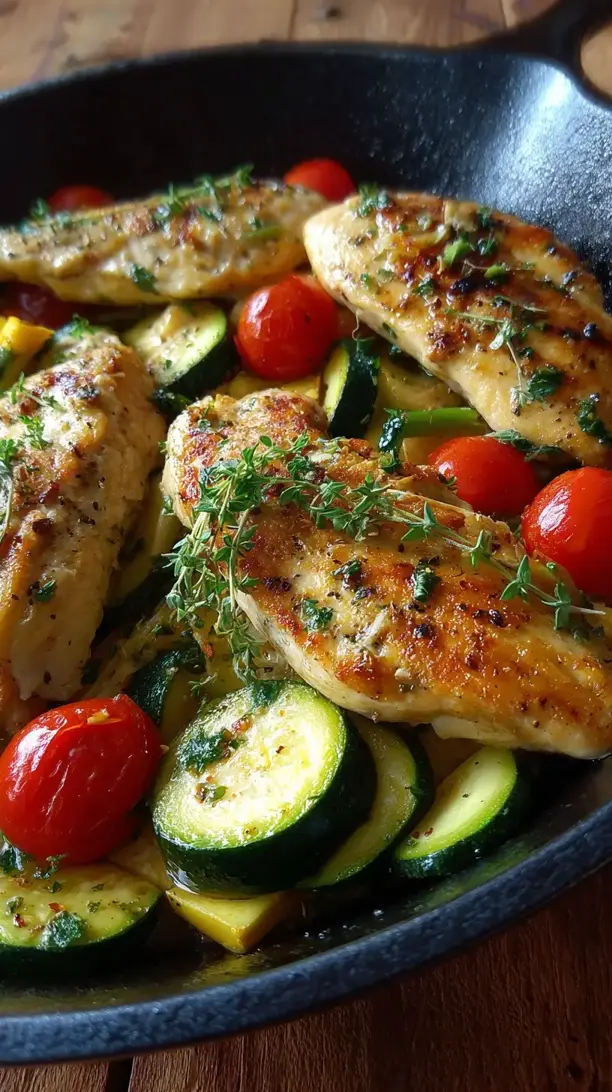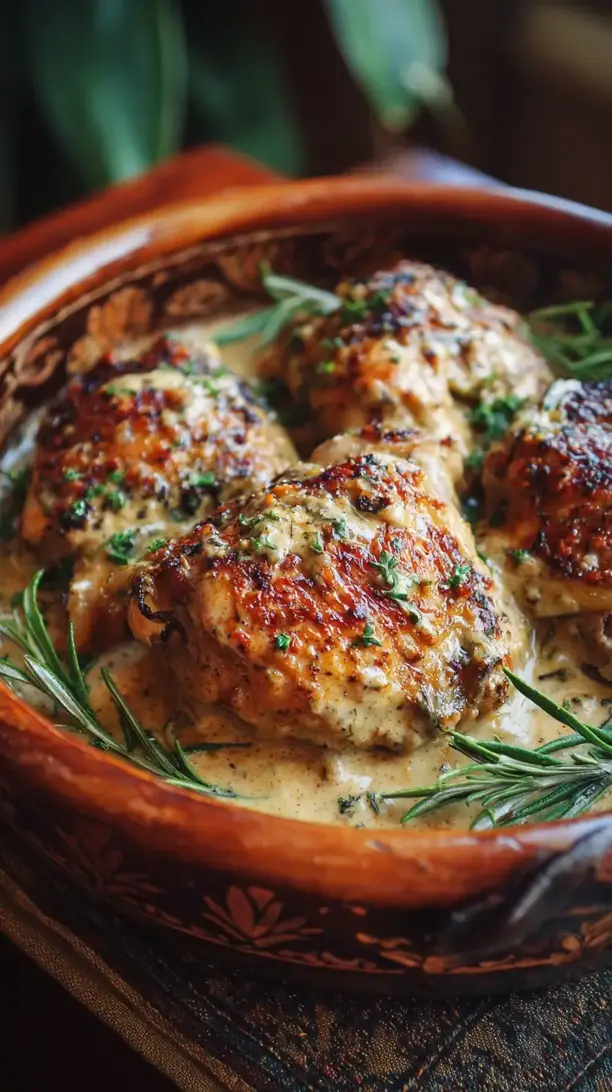
This Tomato Cream Chicken recipe delivers a comforting, restaurant-worthy meal in under 40 minutes. The velvety sauce, made with crushed tomatoes and cream, clings perfectly to tender chicken. It’s a one-pan wonder that fills your home with an incredible aroma.
Nothing beats a great Tomato Cream Chicken. Whether you're a fan of Chicken Breast Recipes or want to try something from our Chicken Recipes selection, keep scrolling!

Why You’ll Love This Tomato Cream Chicken
- Effortless & quick: Simple steps and pantry staples create a consistently delicious dinner.
- Creamy, rich sauce: Velvety texture from crushed tomatoes and heavy cream, balanced with garlic and herbs.
- Complete, satisfying meal: Protein and sauce in one pan—perfect over pasta, rice, or with bread.
- Wonderfully versatile: Easily adapt with mushrooms, spinach, or your favorite herbs.
Ingredients & Tools
- 4 boneless, skinless chicken breasts (about 1.5 lbs or 680 g)
- 2 tbsp olive oil
- 1 medium yellow onion, finely diced
- 4 cloves garlic, minced
- 1 can (28 oz / 800 g) crushed tomatoes
- 1 cup (240 ml) heavy cream
- 1 cup (240 ml) chicken broth
- 1 tsp dried oregano
- 1 tsp dried basil
- 1/2 tsp red pepper flakes (optional, for a slight kick)
- 1/2 cup (50 g) freshly grated Parmesan cheese
- Salt and freshly ground black pepper, to taste
- Fresh basil or parsley, for garnish
Tools: A large, deep skillet or Dutch oven, tongs, a wooden spoon, and a microplane or box grater for the cheese.
Notes: Use high-quality crushed tomatoes (just tomatoes and salt) and real heavy cream for a luxurious, stable sauce.
Nutrition (per serving)
| Calories: | 520 kcal |
| Protein: | 42 g |
| Fat: | 30 g |
| Carbs: | 18 g |
| Fiber: | 4 g |
Serves: 4 | Prep Time: 15 minutes | Cook Time: 25 minutes | Total Time: 40 minutes
Before You Start: Tips & Ingredient Notes
- Don’t skip searing the chicken. This initial step isn’t just about cooking the chicken through; it’s about creating a beautiful golden-brown crust that adds a ton of flavor to the entire dish. That fond—the little browned bits left in the pan—is liquid gold for your sauce.
- Why fresh garlic and onion? While garlic and onion powder are convenient, using the fresh aromatics here is non-negotiable. They provide a sweet, pungent base that powder simply can’t replicate, and they soften beautifully in the sauce.
- Grate your own Parmesan. The pre-shredded stuff in bags often contains anti-caking agents like potato starch or cellulose, which can prevent it from melting smoothly into your sauce. A block of Parmigiano-Reggiano or a good-quality Parmesan and a microplane will give you a much silkier result.
- Let your cream come to room temperature. If your heavy cream is straight from the fridge, let it sit out for 15-20 minutes before adding it to the hot tomato sauce. A drastic temperature change can sometimes cause the cream to seize or curdle, though the high fat content of heavy cream makes it fairly resilient.
How to Make Tomato Cream Chicken
Step 1: Start by prepping your chicken. Pat the chicken breasts completely dry with paper towels—this is crucial for getting a good sear. Season both sides generously with salt and pepper. Heat the olive oil in your large skillet over medium-high heat until it shimmers. Carefully add the chicken and sear for 5-6 minutes per side, until you have a deep golden-brown crust. The chicken does not need to be cooked through at this point. Remove the chicken to a clean plate and set aside.
Step 2: In the same skillet, you’ll notice all those delicious browned bits. Reduce the heat to medium and add the diced onion. Sauté for about 4-5 minutes, using your wooden spoon to scrape up the fond from the bottom of the pan as the onion releases its moisture. The onion should become soft and translucent. Add the minced garlic and cook for just one more minute until incredibly fragrant—be careful not to let the garlic burn, or it will turn bitter.
Step 3: It’s sauce time! Pour in the crushed tomatoes, chicken broth, dried oregano, dried basil, and those optional red pepper flakes if you’re using them. Give everything a good stir to combine. Bring the sauce to a gentle simmer, then let it cook for about 5 minutes, stirring occasionally. You’ll see the sauce deepen in color and thicken slightly as it reduces.
Step 4: Now for the magic. Reduce the heat to low. Slowly pour in the heavy cream while stirring constantly. This gradual incorporation helps the cream emulsify smoothly with the tomato base. Stir in the freshly grated Parmesan cheese until it’s fully melted and incorporated. Taste the sauce now and adjust the seasoning with more salt and pepper as needed. It should be rich, creamy, and perfectly seasoned.
Step 5: Return the seared chicken breasts and any accumulated juices back into the skillet, nestling them into the creamy tomato sauce. Spoon some of the sauce over the top of each piece. Let the chicken simmer gently in the sauce for another 8-10 minutes, or until the chicken is cooked through and reaches an internal temperature of 165°F (74°C). The sauce should be bubbling lazily around the edges.
Step 6: Once the chicken is cooked, turn off the heat. Let the dish rest for a couple of minutes—this allows the sauce to thicken up just a bit more and the flavors to settle. Garnish with a generous handful of fresh, torn basil or chopped parsley right before serving. The fresh herb adds a bright, pop-of-color finish that cuts through the richness beautifully.
Storage & Freshness Guide
- Fridge: Cool completely, store in an airtight container for up to 3 days.
- Freezer: Freeze without cream for best texture; thaw overnight in fridge before reheating.
- Reviving: Reheat gently on stovetop, stirring in a splash of cream or broth if needed.
Serving Suggestions
Complementary Dishes
- A bed of fettuccine or pappardelle — These wide, flat noodles have plenty of surface area to catch all that luscious, creamy sauce, making for the ultimate comforting bite.
- Creamy polenta or mashed potatoes — For a gluten-free option, a soft, buttery polenta or a heap of fluffy mashed potatoes creates a wonderful base that soaks up the sauce perfectly.
- A simple arugula salad — The peppery, slightly bitter notes of arugula dressed with just lemon juice and olive oil provide a crisp, refreshing contrast to the rich and creamy main dish.
Drinks
- A medium-bodied Chianti — The bright acidity and cherry notes of a classic Chianti cut through the creaminess of the sauce while complementing the tomato flavors beautifully.
- A crisp Pinot Grigio — If you prefer white wine, a chilled Pinot Grigio offers a clean, citrusy counterpoint that cleanses the palate between each rich, savory bite.
- Sparkling water with lemon — The bubbles and citrus are a non-alcoholic way to refresh your palate, ensuring you enjoy every single mouthful of this decadent dish.
Something Sweet
- Lemon sorbet — A scoop of tangy, icy-cold lemon sorbet is the perfect palate cleanser after a rich meal; it’s light, refreshing, and not at all heavy.
- Tiramisu — Lean into the Italian theme with a classic, coffee-soaked tiramisu. Its creamy, cool layers are a fantastic way to end the evening.
- Panna Cotta with a berry coulis — The silky, vanilla-infused panna cotta is a natural progression from the creamy main, and the sharp berry sauce adds a lovely fruity finish.
Top Mistakes to Avoid
- Mistake: Overcooking the chicken. Since the chicken finishes cooking in the sauce, it’s easy to let it go too long, resulting in a tough, rubbery texture. Use a meat thermometer and pull it at 165°F (74°C) for perfectly juicy meat.
- Mistake: Adding cold cream to a boiling sauce. While heavy cream is stable, adding it while the sauce is at a rolling boil can sometimes cause it to break or look grainy. Always lower the heat and stir constantly for a smooth, velvety emulsion.
- Mistake: Skipping the deglazing step. When you add the onions to the pan after searing the chicken, make sure you scrape up all those browned bits. That’s where a huge amount of the sauce’s deep, savory flavor comes from.
- Mistake: Using canned Parmesan or low-fat cream. These substitutions will compromise the texture and flavor of your final dish. The sauce might be thin, grainy, or lack the rich depth that makes this recipe so special.
Expert Tips
- Tip: For an even silkier sauce, use an immersion blender. If you prefer a completely smooth sauce, you can carefully blend it with an immersion blender after step 3, before adding the cream and cheese. This is a great trick for picky eaters or if you just love a velvety texture.
- Tip: Butterfly your chicken breasts for faster, more even cooking. If your chicken breasts are very thick, slice them horizontally to create two thinner cutlets. They’ll sear faster and cook more evenly in the sauce.
- Tip: Let the dish rest before serving. Giving the Tomato Cream Chicken a five-minute rest off the heat allows the chicken to reabsorb some juices and the sauce to thicken to the perfect, spoon-coating consistency.
- Tip: Make it ahead for even better flavor. Like many tomato-based dishes, the flavors in this one deepen and meld together beautifully overnight. You can make it a day ahead, store it in the fridge, and gently reheat it for an incredible next-day meal.
FAQs
Can I use chicken thighs instead of breasts?
Absolutely! Boneless, skinless chicken thighs are a fantastic substitute. They have more fat, which makes them incredibly juicy and forgiving, so they’re harder to overcook. You’ll follow the same searing process, but they may need an extra 2-3 minutes in the sauce to cook through completely. The richer flavor of the thighs pairs wonderfully with the creamy tomato sauce.
How can I make this dish lighter?
You can swap the heavy cream for half-and-half, though the sauce will be a bit less rich and thick. I wouldn’t recommend milk, as it’s more likely to curdle. You could also use a lighter hand with the Parmesan cheese. For the chicken, using lean breast meat is already a great option. Serving it with a big side salad or over zucchini noodles can also lighten up the whole meal.
My sauce seems too thin. How can I thicken it?
The easiest fix is to let it simmer for a few more minutes with the chicken removed. The extra reduction will concentrate the flavors and thicken the sauce. If you’re really in a pinch, you can make a quick slurry by mixing a teaspoon of cornstarch with a tablespoon of cold water and stirring it into the simmering sauce. It should thicken up within a minute.
Can I freeze Tomato Cream Chicken?
You can, but with a caveat. Cream-based sauces can sometimes separate or become grainy upon thawing and reheating. For the best results, freeze the dish without the cream. Make the tomato base and chicken, freeze it, and then add the fresh cream and Parmesan when you reheat it gently on the stovetop.
What can I add to this recipe for more vegetables?
It’s a great canvas for veggies! Sliced mushrooms can be sautéed with the onions. A handful of fresh spinach or kale can be stirred in at the very end until just wilted. You could also add roasted red peppers or a pinch of sun-dried tomatoes for an extra layer of sweet, tangy flavor. Just be mindful of adding watery vegetables, as they can thin out your sauce.



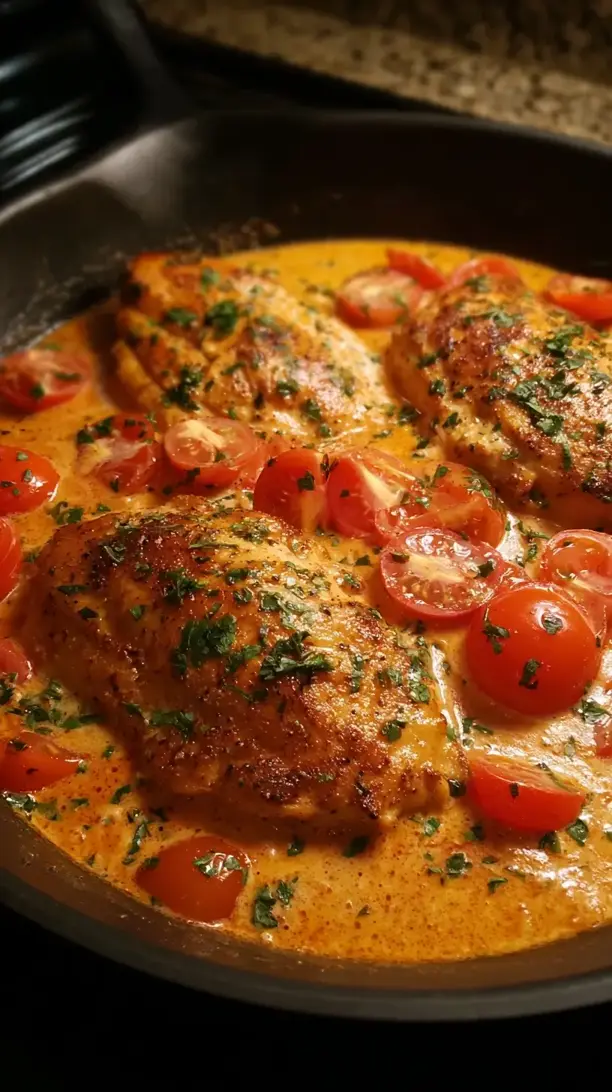
Tomato Cream Chicken
Make this easy Tomato Cream Chicken recipe in one pan for a rich, creamy dinner in 40 minutes. Perfect over pasta or rice. Get the recipe now!
Ingredients
For the Ingredients
-
4 boneless, skinless chicken breasts (about 1.5 lbs or 680 g)
-
2 tbsp olive oil
-
1 medium yellow onion (finely diced)
-
4 cloves garlic (minced)
-
1 can crushed tomatoes (28 oz / 800 g)
-
1 cup heavy cream (240 ml)
-
1 cup chicken broth (240 ml)
-
1 tsp dried oregano
-
1 tsp dried basil
-
1/2 tsp red pepper flakes (optional, for a slight kick)
-
1/2 cup freshly grated Parmesan cheese (50 g)
-
Salt and freshly ground black pepper (to taste)
-
Fresh basil or parsley (for garnish)
Instructions
-
Start by prepping your chicken. Pat the chicken breasts completely dry with paper towels—this is crucial for getting a good sear. Season both sides generously with salt and pepper. Heat the olive oil in your large skillet over medium-high heat until it shimmers. Carefully add the chicken and sear for 5-6 minutes per side, until you have a deep golden-brown crust. The chicken does not need to be cooked through at this point. Remove the chicken to a clean plate and set aside.01
-
In the same skillet, you’ll notice all those delicious browned bits. Reduce the heat to medium and add the diced onion. Sauté for about 4-5 minutes, using your wooden spoon to scrape up the fond from the bottom of the pan as the onion releases its moisture. The onion should become soft and translucent. Add the minced garlic and cook for just one more minute until incredibly fragrant—be careful not to let the garlic burn, or it will turn bitter.02
-
It’s sauce time! Pour in the crushed tomatoes, chicken broth, dried oregano, dried basil, and those optional red pepper flakes if you’re using them. Give everything a good stir to combine. Bring the sauce to a gentle simmer, then let it cook for about 5 minutes, stirring occasionally. You’ll see the sauce deepen in color and thicken slightly as it reduces.03
-
Now for the magic. Reduce the heat to low. Slowly pour in the heavy cream while stirring constantly. This gradual incorporation helps the cream emulsify smoothly with the tomato base. Stir in the freshly grated Parmesan cheese until it’s fully melted and incorporated. Taste the sauce now and adjust the seasoning with more salt and pepper as needed. It should be rich, creamy, and perfectly seasoned.04
-
Return the seared chicken breasts and any accumulated juices back into the skillet, nestling them into the creamy tomato sauce. Spoon some of the sauce over the top of each piece. Let the chicken simmer gently in the sauce for another 8-10 minutes, or until the chicken is cooked through and reaches an internal temperature of 165°F (74°C). The sauce should be bubbling lazily around the edges.05
-
Once the chicken is cooked, turn off the heat. Let the dish rest for a couple of minutes—this allows the sauce to thicken up just a bit more and the flavors to settle. Garnish with a generous handful of fresh, torn basil or chopped parsley right before serving. The fresh herb adds a bright, pop-of-color finish that cuts through the richness beautifully.06
Not what you're looking for?