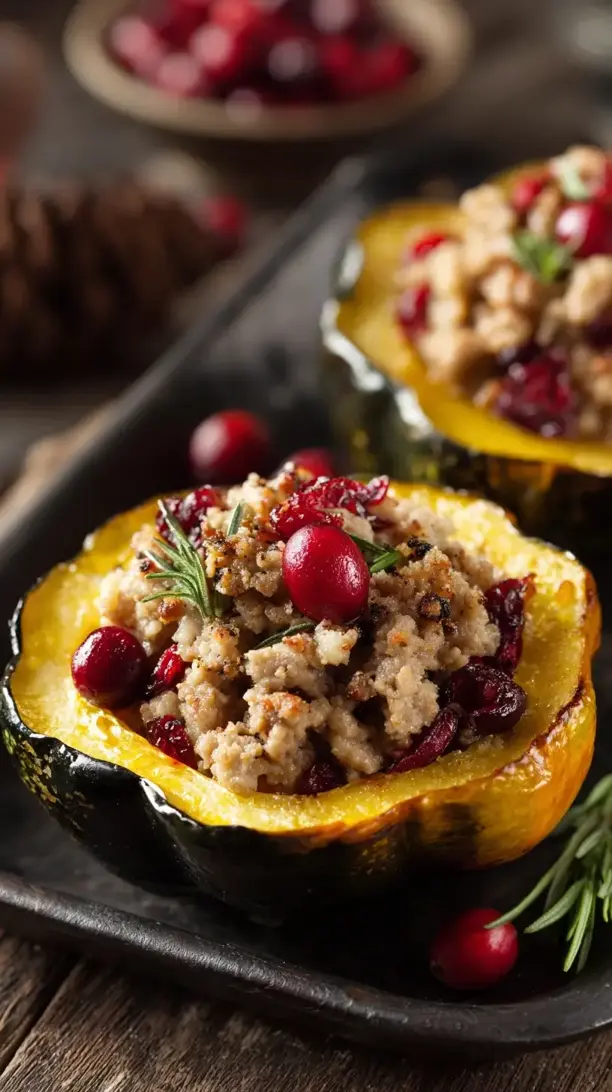
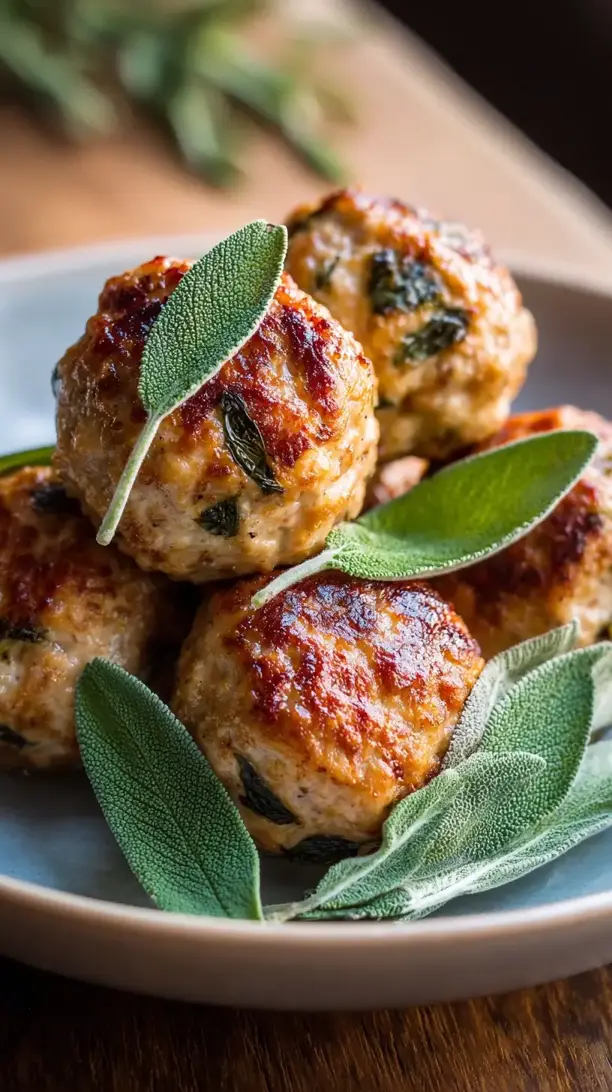
These Turkey and Sage Meatballs offer a lighter, elegant twist on a classic comfort food. The earthy aroma of fresh sage perfectly complements the lean ground turkey for a nourishing weeknight dinner. They’re straightforward to prepare and incredibly versatile for serving.
Love Turkey and Sage Meatballs? So do we! If you're into Savory Combo Recipes or curious about Burgers, you'll find plenty of inspiration below.


Why You’ll Love This Turkey and Sage Meatballs
- Light & satisfying: Lean turkey provides protein-packed comfort without heaviness.
- Aromatic sage depth: Fresh sage is the star, filling your kitchen with a warm, rustic fragrance.
- Incredibly versatile: Serve with pasta, polenta, sandwiches, or salads.
- Perfect texture: Tender, juicy interiors with a golden-brown, flavorful crust.
Ingredients & Tools
- 450 g ground turkey (a mix of dark and light meat is ideal for flavor and moisture)
- 1 large egg, lightly beaten
- 60 g fresh breadcrumbs (from about 2 slices of sturdy white bread)
- 80 ml whole milk
- 1 small yellow onion, finely grated or minced
- 2 cloves garlic, minced
- 2 tbsp fresh sage, finely chopped
- 1 tbsp fresh parsley, chopped
- 1 tsp Worcestershire sauce
- ½ tsp fine sea salt
- ¼ tsp freshly ground black pepper
- 2 tbsp olive oil, for frying
Tools: A large mixing bowl, a baking sheet, a large skillet (oven-safe if you plan to finish them in the oven), and a tablespoon cookie scoop (optional but super helpful!).
Notes: Don’t skip the fresh breadcrumbs soaked in milk—this panade keeps meatballs moist. Fresh sage is non-negotiable for its vibrant, resinous quality.
Nutrition (per serving)
| Calories: | 285 kcal |
| Protein: | 24 g |
| Fat: | 16 g |
| Carbs: | 8 g |
| Fiber: | 1 g |
Serves: 4 | Prep Time: 20 minutes | Cook Time: 15 minutes | Total Time: 35 minutes
Before You Start: Tips & Ingredient Notes
- Why fresh sage? Dried sage can be a bit musty and overpowering, while fresh sage has a brighter, more complex flavor that truly shines here. If you can only find dried, use only one teaspoon and crush it well between your fingers.
- Grate that onion! Finely grating the onion (using the small holes of a box grater) incorporates its flavor and moisture seamlessly into the meatball mixture without leaving chunks that can burn during cooking.
- The breadcrumb soak is key. Letting the fresh breadcrumbs sit in the milk for a few minutes creates a panade—a paste that acts as a binder and, more importantly, keeps the lean turkey meat incredibly tender and juicy. Don’t rush this step!
- Don’t use ultra-lean turkey. For the best flavor and texture, look for ground turkey that is around 93% lean. The little bit of extra fat makes a world of difference and prevents the meatballs from becoming dry and crumbly.
- Keep your hands cold. It sounds silly, but running your hands under cold water before mixing and shaping the meatballs helps prevent the fat from warming up and getting sticky, making the process much easier and the final texture better.
How to Make Turkey and Sage Meatballs
Step 1: First, let’s create our panade. In your large mixing bowl, combine the fresh breadcrumbs and the milk. Stir it around with a fork until it looks like a thick, pasty mixture. Let this sit for about 5 minutes—you’ll notice the breadcrumbs fully absorb the milk, which is exactly what you want. This simple step is your number one defense against dry turkey meatballs.
Step 2: Now, add the flavor. To the same bowl with your panade, add the grated onion, minced garlic, chopped fresh sage, parsley, Worcestershire sauce, salt, and pepper. Give everything a good stir with your fork until it’s well combined. At this stage, it will look like a very herby, wet paste. That’s perfect! You’re building layers of flavor right into the base.
Step 3: Time for the turkey. Add the ground turkey to the bowl. Now, here’s the crucial part: mix gently. I like to use my hands for this, but a light touch is everything. You just want to combine the ingredients until they are evenly distributed—no more. Overmixing will make the proteins tough and result in dense, rubbery meatballs. A few streaks are totally fine.
Step 4: Shape your meatballs. Using damp hands or a tablespoon cookie scoop, portion out the mixture and gently roll it into balls about 4 cm in diameter. You should get around 18-20 meatballs. Place them on a plate or baking sheet as you go. If the mixture feels a bit sticky, just dampen your palms with a little more water. Don’t compact them too tightly; a light roll is all you need.
Step 5: Cook to golden perfection. Heat the olive oil in your large skillet over medium heat. Once the oil is shimmering, carefully add the meatballs in a single layer, working in batches if needed to avoid crowding the pan. You’ll hear a nice sizzle. Cook for about 2-3 minutes per side, turning gently with tongs, until they are beautifully browned all over. The sage will become fragrant, and the exterior should have a lovely crust.
Step 6: Finish cooking through. Depending on their size, the browning might not cook them all the way through. You can reduce the heat to low, cover the skillet, and let them cook for another 5-7 minutes, or transfer the entire skillet to a preheated 190°C oven for 8-10 minutes. The internal temperature should reach 74°C. They’ll be firm to the touch but still have a little give.
Storage & Freshness Guide
- Fridge: Cool completely, store in an airtight container for up to 3 days.
- Freezer: Flash freeze on a baking sheet, then transfer to a freezer bag for up to 3 months.
- Reviving: Reheat gently in simmering sauce or a 180°C oven until warmed through.
Serving Suggestions
Complementary Dishes
- Creamy Polenta — The soft, buttery texture is a dreamy bed for these savory meatballs, and it soaks up any pan juices beautifully.
- Buttered Egg Noodles — A classic, no-fuss option that lets the herby flavor of the meatballs be the star of the show.
- Garlicky Sautéed Spinach — The slight bitterness of the greens provides a fantastic contrast and makes the whole meal feel balanced.
Drinks
- A Light-Bodied Pinot Noir — The red fruit notes and mild earthiness in the wine mirror the savory, herbal notes of the sage and turkey perfectly.
- Sparkling Apple Cider — The effervescence and slight sweetness cut through the richness and cleanse the palate between bites.
- Herbal Tea like Lemon Balm — Served warm, its gentle, citrusy notes are a surprisingly cozy and caffeine-free pairing for a comforting dinner.
Something Sweet
- Warm Apple Crumble — You’re already in the cozy herb realm with sage, and the warm cinnamon and soft apples in a cruble are the perfect, comforting follow-up.
- Lemon Sorbet — Its bright, clean, and icy-cold texture is a wonderfully refreshing palate cleanser after the savory main course.
- Dark Chocolate and Hazelnut Biscotti — A little nibble of something nutty and bittersweet with a cup of coffee feels just right after this meal.
Top Mistakes to Avoid
- Mistake: Overmixing the meatball mixture. This is the most common error! It develops the proteins in the turkey, leading to a tough, springy texture instead of a tender, delicate one. Mix just until combined.
- Mistake: Skipping the browning step. If you just simmer them in sauce without browning first, you’ll miss out on tons of flavor from the Maillard reaction. That golden-brown crust is packed with savory goodness.
- Mistake: Crowding the pan while frying. If the meatballs are too close together, they’ll steam instead of sear. You’ll end up with pale, soft exteriors. Give them room to breathe for that perfect crust.
- Mistake: Using only breast meat. Ground turkey breast is extremely lean and will almost certainly result in dry meatballs. A mix of light and dark meat provides the necessary fat for flavor and moisture.
Expert Tips
- Tip: Chill the shaped meatballs before cooking. If you have an extra 15 minutes, pop the shaped meatballs on a plate in the fridge. This helps them firm up, which minimizes breaking apart in the pan and results in a rounder, more uniform shape.
- Tip: Use a cookie scoop for even portions. A small (about 4 cm) ice cream or cookie scoop ensures all your meatballs are the same size, which means they’ll cook at the same rate. It also keeps your hands much cleaner!
- Tip: Deglaze your pan for a quick sauce. After browning the meatballs, remove them and add a splash of white wine or chicken broth to the hot pan. Scrape up all those browned bits—that’s pure flavor—and let it reduce slightly for an instant, delicious pan sauce.
- Tip: Test one meatball first. Before you cook the whole batch, fry one small tester meatball. This lets you check the seasoning and adjust the salt or herbs in the remaining mixture if needed.
FAQs
Can I bake these turkey and sage meatballs instead of pan-frying?
Absolutely! Baking is a great hands-off method. Arrange the shaped meatballs on a parchment-lined baking sheet, drizzle with a little oil, and bake at 200°C for about 18-20 minutes, or until cooked through. You won’t get quite the same all-around crust as pan-frying, but they’ll still be delicious and it’s a much less messy process, perfect for making a big batch for a crowd.
Can I make the meatball mixture ahead of time?
Yes, you can prepare the mixture up to a day in advance. Just keep it covered tightly in the refrigerator. The flavors will actually meld and deepen, making them even tastier. Let the mixture sit at room temperature for about 15-20 minutes before shaping and cooking, as it will be easier to work with when it’s not ice-cold.
What’s the best way to freeze cooked meatballs?
Let them cool completely after cooking, then spread them in a single layer on a baking sheet and “flash freeze” for about an hour. Once they’re solid, transfer them to a freezer bag. This prevents them from sticking together in a giant clump. They’ll keep for up to 3 months. Reheat from frozen in a simmering sauce or in a 180°C oven until hot.
My meatballs are falling apart in the pan. What did I do wrong?
This usually happens for one of two reasons. First, the mixture might be too wet—if you feel it’s very loose, you can add another tablespoon of breadcrumbs. Second, and more commonly, you might be turning them too soon. Wait until a good crust has formed on the bottom; they should release from the pan easily when they’re ready to be turned. Be patient!
Can I use a different herb instead of sage?
While sage is the star here, you can certainly experiment. Fresh thyme or rosemary would be lovely, though they have stronger, more piney flavors, so I’d recommend starting with half the amount and tasting the mixture before shaping. For a different direction, fresh marjoram or oregano would give it a more Mediterranean flair.


Turkey And Sage Meatballs
Make juicy, flavorful Turkey and Sage Meatballs in just 35 minutes. This easy recipe is perfect for a healthy weeknight dinner. Get the step-by-step guide now!
Ingredients
For the Ingredients & Tools
-
450 g ground turkey (a mix of dark and light meat is ideal for flavor and moisture)
-
1 large egg (lightly beaten)
-
60 g fresh breadcrumbs (from about 2 slices of sturdy white bread)
-
80 ml whole milk
-
1 small yellow onion (finely grated or minced)
-
2 cloves garlic (minced)
-
2 tbsp fresh sage (finely chopped)
-
1 tbsp fresh parsley (chopped)
-
1 tsp Worcestershire sauce
-
0.5 tsp fine sea salt
-
0.25 tsp freshly ground black pepper
-
2 tbsp olive oil (for frying)
Instructions
-
First, let's create our panade. In your large mixing bowl, combine the fresh breadcrumbs and the milk. Stir it around with a fork until it looks like a thick, pasty mixture. Let this sit for about 5 minutes—you’ll notice the breadcrumbs fully absorb the milk, which is exactly what you want. This simple step is your number one defense against dry turkey meatballs.01
-
Now, add the flavor. To the same bowl with your panade, add the grated onion, minced garlic, chopped fresh sage, parsley, Worcestershire sauce, salt, and pepper. Give everything a good stir with your fork until it’s well combined. At this stage, it will look like a very herby, wet paste. That’s perfect! You’re building layers of flavor right into the base.02
-
Time for the turkey. Add the ground turkey to the bowl. Now, here’s the crucial part: mix gently. I like to use my hands for this, but a light touch is everything. You just want to combine the ingredients until they are evenly distributed—no more. Overmixing will make the proteins tough and result in dense, rubbery meatballs. A few streaks are totally fine.03
-
Shape your meatballs. Using damp hands or a tablespoon cookie scoop, portion out the mixture and gently roll it into balls about 4 cm in diameter. You should get around 18-20 meatballs. Place them on a plate or baking sheet as you go. If the mixture feels a bit sticky, just dampen your palms with a little more water. Don’t compact them too tightly; a light roll is all you need.04
-
Cook to golden perfection. Heat the olive oil in your large skillet over medium heat. Once the oil is shimmering, carefully add the meatballs in a single layer, working in batches if needed to avoid crowding the pan. You’ll hear a nice sizzle. Cook for about 2-3 minutes per side, turning gently with tongs, until they are beautifully browned all over. The sage will become fragrant, and the exterior should have a lovely crust.05
-
Finish cooking through. Depending on their size, the browning might not cook them all the way through. You can reduce the heat to low, cover the skillet, and let them cook for another 5-7 minutes, or transfer the entire skillet to a preheated 190°C oven for 8-10 minutes. The internal temperature should reach 74°C. They’ll be firm to the touch but still have a little give.06
Not what you're looking for?