
This Tuscan Sausage and Bean Stew is a rustic, hearty dish that feels like a warm hug in a bowl. It’s packed with Italian sausage, creamy cannellini beans, and tomatoes for a deeply comforting meal. The flavors develop beautifully during a long simmer, making this Tuscan Sausage and Bean Stew a perfect dinner for chilly evenings.
Nothing beats a great Tuscan Sausage and Bean Stew. Whether you're a fan of Stew or want to try something from our Chicken Breast Recipes selection, keep scrolling!



Why You’ll Love This Tuscan Sausage and Bean Stew
- Comforting & satisfying: Rich, hearty texture and deep savory flavor.
- Better next day: Flavors meld and beans soak up more broth.
- Flexible recipe: Swap sausage types, beans, or add extra veggies.
- Great leftovers: Reheats perfectly for meal prep or lunches.
Ingredients & Tools
- 1 tbsp olive oil
- 450 g Italian sausage, casings removed
- 1 large yellow onion, diced
- 2 carrots, peeled and diced
- 2 celery stalks, diced
- 4 cloves garlic, minced
- 120 ml dry white wine
- 800 g canned crushed tomatoes
- 480 ml chicken stock
- 2 cans (400 g each) cannellini beans, rinsed and drained
- 1 tsp dried oregano
- 1 large sprig fresh rosemary
- 1 bay leaf
- Salt and black pepper to taste
- For serving: fresh parsley, grated Parmesan cheese, crusty bread
Notes: Don’t skip the white wine—it adds crucial acidity and brightness. A heavy-bottomed pot ensures even heat and prevents scorching.
Nutrition (per serving)
| Calories: | 480 kcal |
| Protein: | 24 g |
| Fat: | 22 g |
| Carbs: | 42 g |
| Fiber: | 11 g |
Serves: 6 | Prep Time: 15 minutes | Cook Time: 1 hour 15 minutes | Total Time: 1 hour 30 minutes
Before You Start: Tips & Ingredient Notes
- Choose your sausage wisely. I prefer using a good-quality Italian sausage, either sweet or mild, for this recipe. The seasoning is already there, so it builds a fantastic flavor base. If you use hot sausage, just know it will add a noticeable spice level.
- Don’t rush the vegetable sauté. Taking the time to properly soften the onion, carrot, and celery (the classic soffritto) is what builds the foundational sweetness and depth in the stew. You want them tender and fragrant, not just barely warmed through.
- Why use both dried and fresh herbs? Dried oregano gives a more concentrated, earthy background note, while the fresh rosemary sprig provides a bright, piney aroma that infuses the broth. You’ll remove the rosemary stem before serving, but its essence remains.
- To rinse or not to rinse the beans? Always rinse your canned beans! It washes away the starchy, sometimes salty liquid they’re packed in, which gives you more control over the final seasoning and texture of your stew.
How to Make Tuscan Sausage and Bean Stew
Step 1: Heat the olive oil in your large pot or Dutch oven over medium heat. Add the sausage (with casings removed), breaking it up with a wooden spoon as it cooks. You’re looking for it to be nicely browned and cooked through, which should take about 7-8 minutes. That browning equals flavor, so don’t be shy—let it get some good color. Once cooked, use a slotted spoon to transfer the sausage to a plate, leaving the rendered fat behind in the pot.
Step 2: To the same pot, add the diced onion, carrot, and celery. You’ll notice they’ll sizzle as they hit the hot fat. Cook, stirring occasionally, until the vegetables have softened and the onion is turning translucent, about 6-7 minutes. Stir in the minced garlic and cook for just one more minute until it becomes incredibly fragrant—be careful not to let it burn.
Step 3: Pour in the white wine to deglaze the pot. Use your spoon to scrape up all those delicious browned bits from the bottom—that’s pure flavor gold! Let the wine bubble and reduce by about half, which will only take 2-3 minutes. This step cooks off the raw alcohol taste and leaves behind a wonderful acidity.
Step 4: Now, return the cooked sausage to the pot. Add the crushed tomatoes, chicken stock, rinsed cannellini beans, dried oregano, the whole rosemary sprig, and the bay leaf. Give everything a good stir to combine. You’ll want to season with a good pinch of salt and a few grinds of black pepper at this stage.
Step 5: Bring the stew up to a lively simmer, then immediately reduce the heat to low. Cover the pot with a lid, but leave it slightly ajar to allow some steam to escape. Let it simmer gently for at least 45 minutes, though an hour is even better if you have the time. The longer it simmers, the more the flavors will meld together and the broth will thicken slightly.
Step 6: After the simmering time, remove the pot from the heat. Fish out and discard the rosemary stem and the bay leaf. Now, taste the stew—this is the most important step! Adjust the seasoning with more salt and pepper if it needs it. The stew should be rich, savory, and perfectly balanced.
Step 7: Ladle the hot stew into deep bowls. Finish it with a sprinkle of freshly chopped parsley and a generous dusting of grated Parmesan cheese. Serve immediately with thick slices of crusty bread on the side for dipping and scooping up every last bit of that delicious broth.
Storage & Freshness Guide
- Fridge: Cool completely, store in airtight container for 3–4 days.
- Freezer: Portion into airtight containers, freeze up to 3 months.
- Reviving: Thaw in fridge if frozen, reheat gently on stovetop or microwave.
Serving Suggestions
Complementary Dishes
- A simple arugula salad with lemon vinaigrette — The peppery arugula and bright, acidic dressing provide a crisp, refreshing contrast to the rich, hearty stew.
- Garlic-rubbed bruschetta — Toasted bread slices rubbed with a raw garlic clove are the perfect rustic vehicle for sopping up the flavorful broth.
- Buttery polenta — A soft, creamy bed of polenta underneath the stew is a classic Tuscan pairing that turns this into an ultra-comforting meal.
Drinks
- A medium-bodied Chianti — The bright cherry and earthy notes in a Chianti complement the tomatoes and herbs in the stew beautifully without overpowering them.
- A crisp Italian lager — The clean, effervescent quality of a lager helps cut through the richness of the sausage and cleanses the palate between bites.
- Sparkling water with a lemon wedge — For a non-alcoholic option, the bubbles and citrus are wonderfully refreshing and balance the stew’s savory depth.
Something Sweet
- Almond biscotti for dipping — These crunchy, not-too-sweet cookies are a traditional end to a Tuscan meal, perfect for dunking into a glass of Vin Santo or coffee.
- Lemon olive oil cake — The bright, zesty flavor of the cake provides a lovely, light finish that contrasts nicely with the savory stew you just enjoyed.
- Dark chocolate and orange zest — A simple square of high-quality dark chocolate with a hint of orange zest is a sophisticated and effortless way to end the meal on a sweet note.
Top Mistakes to Avoid
- Mistake: Not browning the sausage properly. If you just gray the meat without getting any caramelization, you’re missing out on a huge amount of flavor. Take the time to get some good, dark color on it.
- Mistake: Adding the garlic too early. Garlic burns very easily and becomes bitter. Always add it towards the end of sautéing your vegetables, just for a minute until fragrant.
- Mistake: Skipping the deglazing step. Those browned bits stuck to the bottom of the pot are packed with flavor. Deglazing with wine loosens them and incorporates all that goodness back into your stew.
- Mistake: Boiling the stew instead of simmering. A gentle simmer is key. A rolling boil can break down the beans and tomatoes too much, making the texture mushy and less appealing.
Expert Tips
- Tip: Make it a day ahead. The flavors in this stew deepen and harmonize magnificently overnight. If you can, make it the day before you plan to serve it, let it cool, and store it in the fridge. Reheat it gently on the stove.
- Tip: Use a potato masher for a thicker stew. If you prefer a thicker, less brothy consistency, use a potato masher to lightly crush some of the beans right in the pot during the last 10 minutes of cooking. It will naturally thicken the liquid.
- Tip: Add greens for extra nutrition. Stir in a few large handfuls of chopped kale, spinach, or Swiss chard during the last 5-10 minutes of simmering. They’ll wilt perfectly and add a lovely color and nutrient boost.
- Tip: Freeze it for a future meal. This stew freezes exceptionally well. Cool it completely, then portion it into airtight containers. It will keep for up to 3 months. Thaw in the fridge overnight before reheating.
FAQs
Can I use a different type of bean?
Absolutely! Cannellini beans are classic, but this stew is very forgiving. Great Northern beans or even borlotti (cranberry) beans would work wonderfully. If you’re using dried beans, you’ll need to cook them completely separately first before adding them to the stew, as the tomato acidity can prevent them from softening.
What can I use instead of white wine?
No problem at all. You can simply replace the white wine with an equal amount of additional chicken stock. For a bit of acidity, you could also add a tablespoon of red wine vinegar or even a squeeze of lemon juice at the very end of cooking to brighten it up.
My stew is too thin. How can I thicken it?
The easiest way is to let it simmer uncovered for an extra 10-15 minutes to allow more liquid to evaporate. Alternatively, you can mix a tablespoon of tomato paste with a little of the stew’s liquid to form a slurry, then stir it back in. Or, as mentioned in the tips, lightly mashing some of the beans will do the trick beautifully.
Can I make this in a slow cooker?
You sure can. After browning the sausage and sautéing the vegetables on the stove (don’t skip this for flavor!), transfer everything to your slow cooker. Add the remaining ingredients and cook on low for 6-7 hours or on high for 3-4 hours. Remove the rosemary and bay leaf before serving.
How long will leftovers keep in the refrigerator?
Stored in an airtight container, this stew will keep beautifully in the fridge for 3 to 4 days. In fact, I often think it tastes even better on day two or three as the flavors continue to meld. Just reheat it gently on the stovetop or in the microwave.

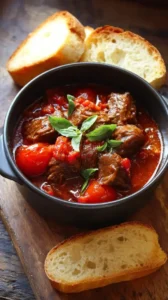


Tuscan Sausage And Bean Stew
Make this easy Tuscan Sausage and Bean Stew for a hearty, comforting meal. Packed with Italian sausage, cannellini beans & tomatoes. Get the recipe now!
Ingredients
For the Ingredients
-
1 tbsp olive oil
-
450 g Italian sausage (casings removed)
-
1 large yellow onion (diced)
-
2 carrots (peeled and diced)
-
2 celery stalks (diced)
-
4 cloves garlic (minced)
-
120 ml dry white wine
-
800 g canned crushed tomatoes
-
480 ml chicken stock
-
2 cans cannellini beans (400 g each, rinsed and drained)
-
1 tsp dried oregano
-
1 large sprig fresh rosemary
-
1 bay leaf
-
Salt and black pepper (to taste)
-
For serving (fresh parsley, grated Parmesan cheese, crusty bread)
Instructions
-
Heat the olive oil in your large pot or Dutch oven over medium heat. Add the sausage (with casings removed), breaking it up with a wooden spoon as it cooks. You’re looking for it to be nicely browned and cooked through, which should take about 7-8 minutes. That browning equals flavor, so don’t be shy—let it get some good color. Once cooked, use a slotted spoon to transfer the sausage to a plate, leaving the rendered fat behind in the pot.01
-
To the same pot, add the diced onion, carrot, and celery. You’ll notice they’ll sizzle as they hit the hot fat. Cook, stirring occasionally, until the vegetables have softened and the onion is turning translucent, about 6-7 minutes. Stir in the minced garlic and cook for just one more minute until it becomes incredibly fragrant—be careful not to let it burn.02
-
Pour in the white wine to deglaze the pot. Use your spoon to scrape up all those delicious browned bits from the bottom—that’s pure flavor gold! Let the wine bubble and reduce by about half, which will only take 2-3 minutes. This step cooks off the raw alcohol taste and leaves behind a wonderful acidity.03
-
Now, return the cooked sausage to the pot. Add the crushed tomatoes, chicken stock, rinsed cannellini beans, dried oregano, the whole rosemary sprig, and the bay leaf. Give everything a good stir to combine. You’ll want to season with a good pinch of salt and a few grinds of black pepper at this stage.04
-
Bring the stew up to a lively simmer, then immediately reduce the heat to low. Cover the pot with a lid, but leave it slightly ajar to allow some steam to escape. Let it simmer gently for at least 45 minutes, though an hour is even better if you have the time. The longer it simmers, the more the flavors will meld together and the broth will thicken slightly.05
-
After the simmering time, remove the pot from the heat. Fish out and discard the rosemary stem and the bay leaf. Now, taste the stew—this is the most important step! Adjust the seasoning with more salt and pepper if it needs it. The stew should be rich, savory, and perfectly balanced.06
-
Ladle the hot stew into deep bowls. Finish it with a sprinkle of freshly chopped parsley and a generous dusting of grated Parmesan cheese. Serve immediately with thick slices of crusty bread on the side for dipping and scooping up every last bit of that delicious broth.07
Not what you're looking for?


